YUQI FAN
Cluster Contemporary Jewellery
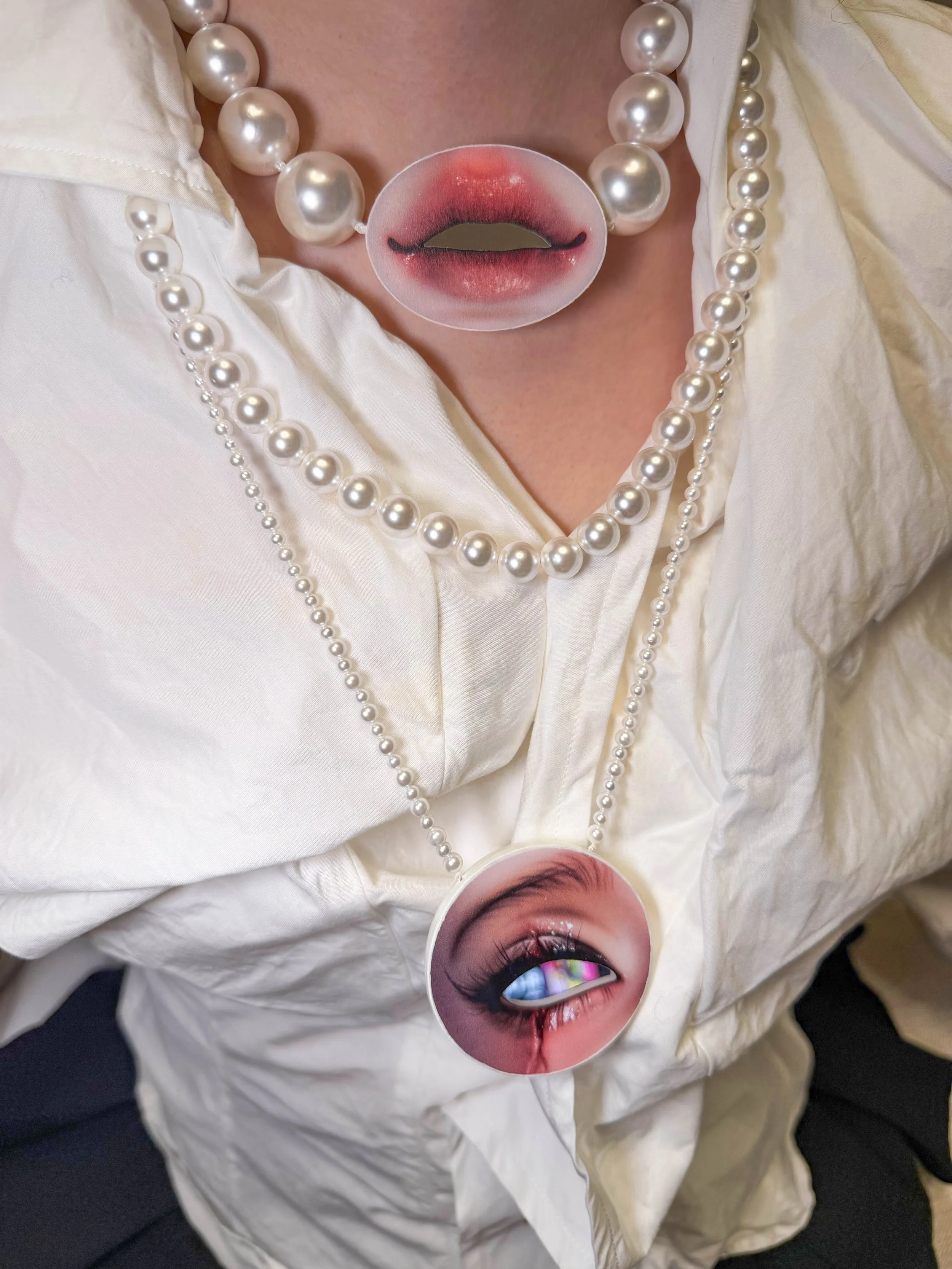
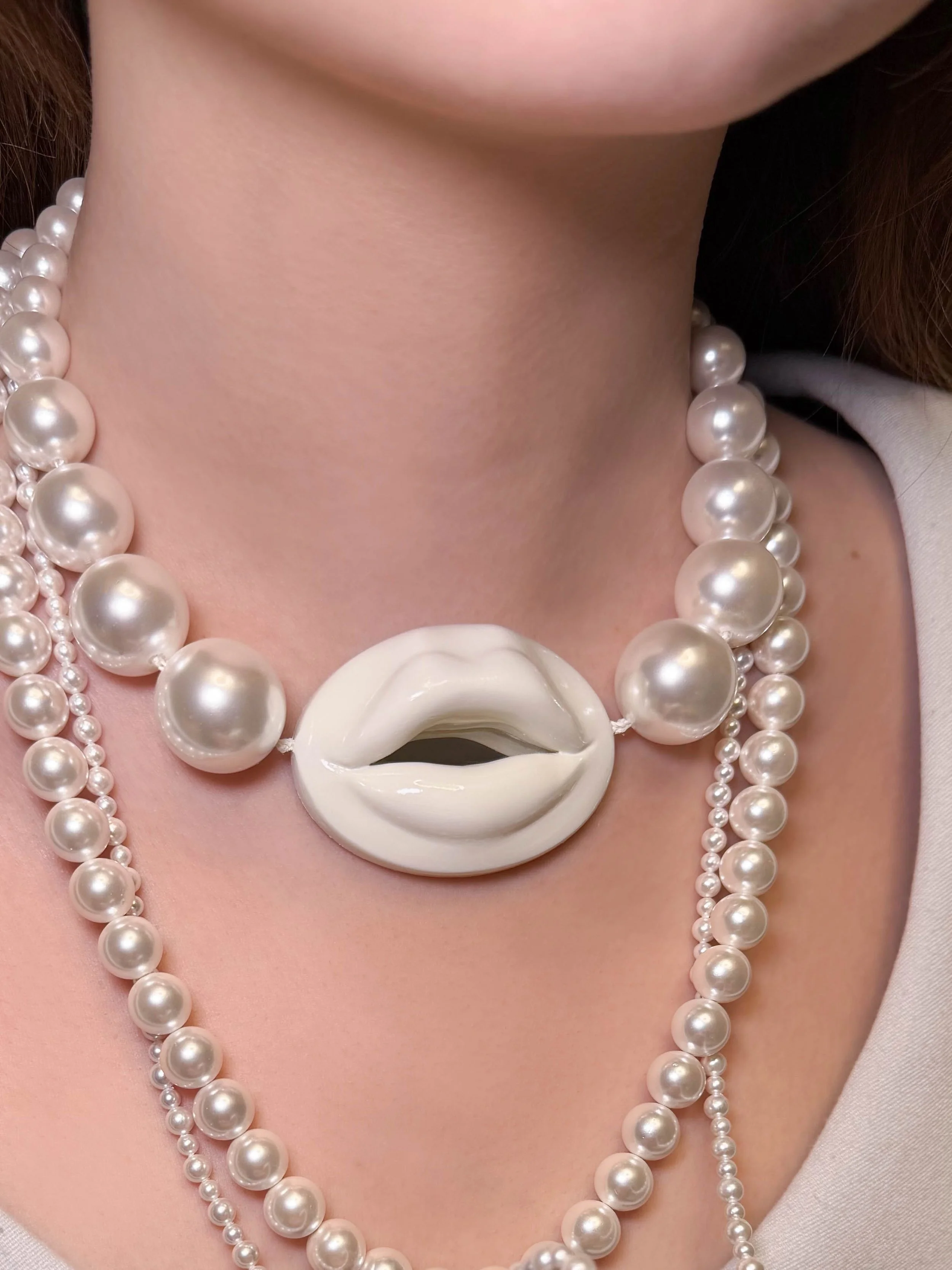
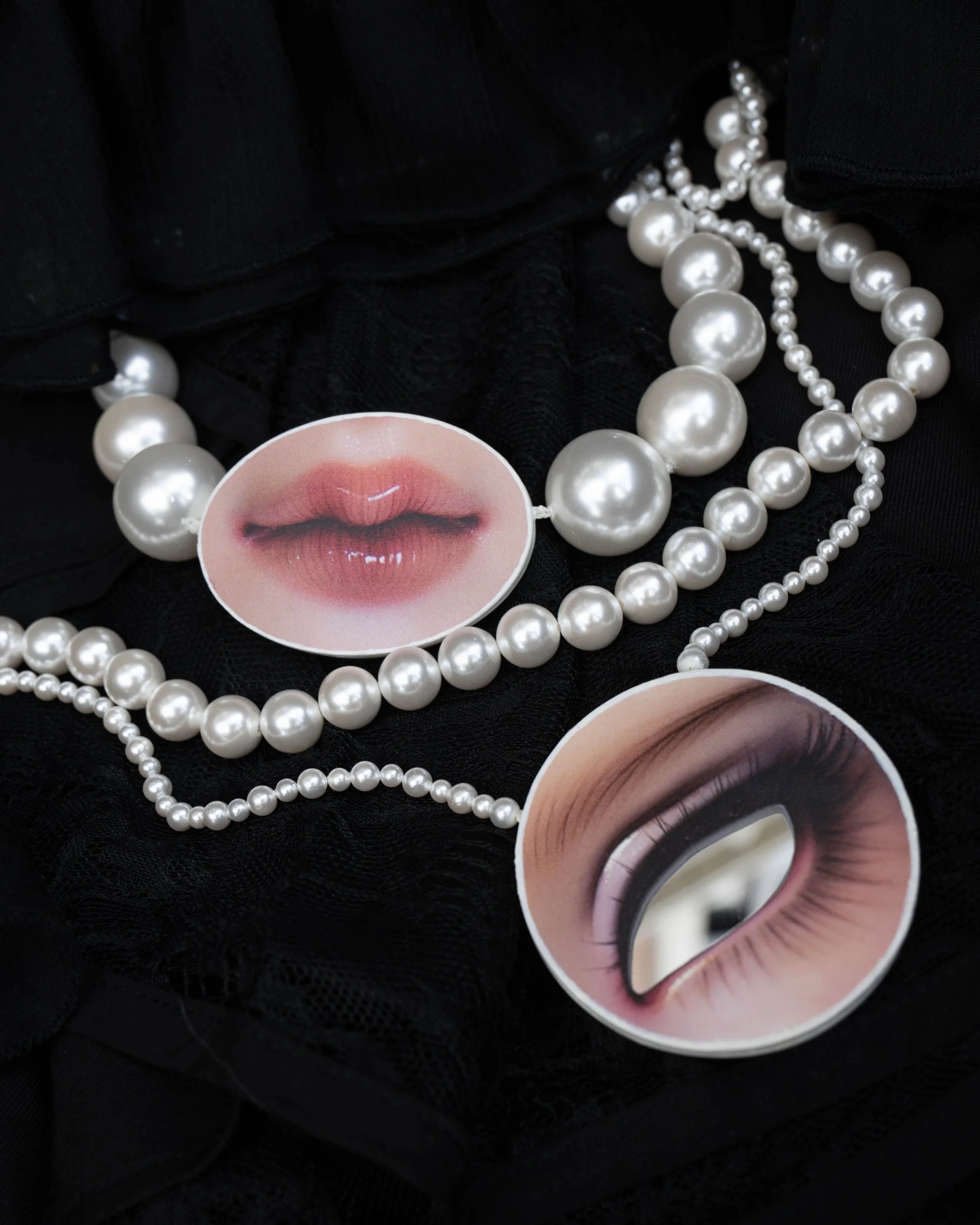
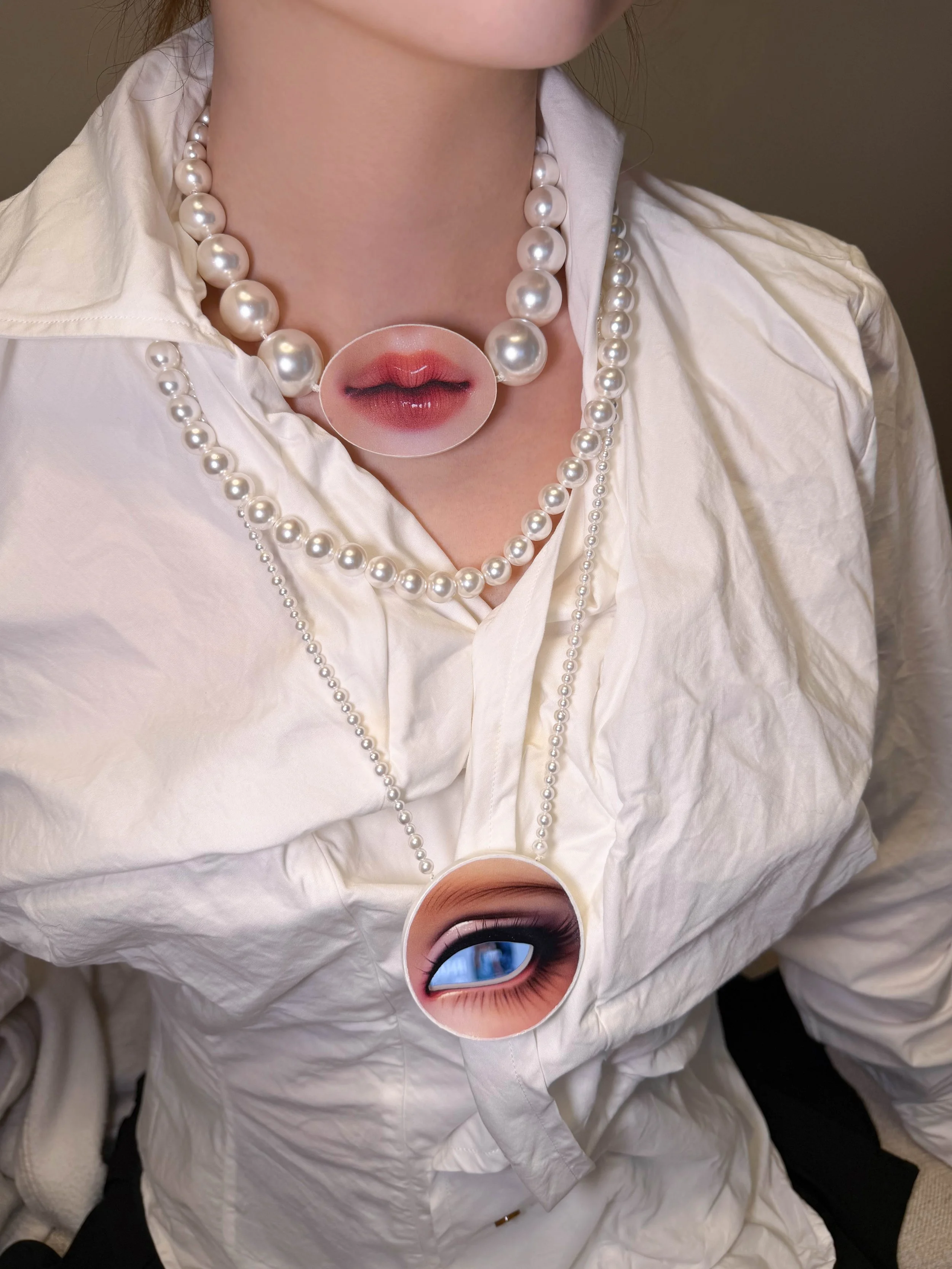
”AMALGAM”
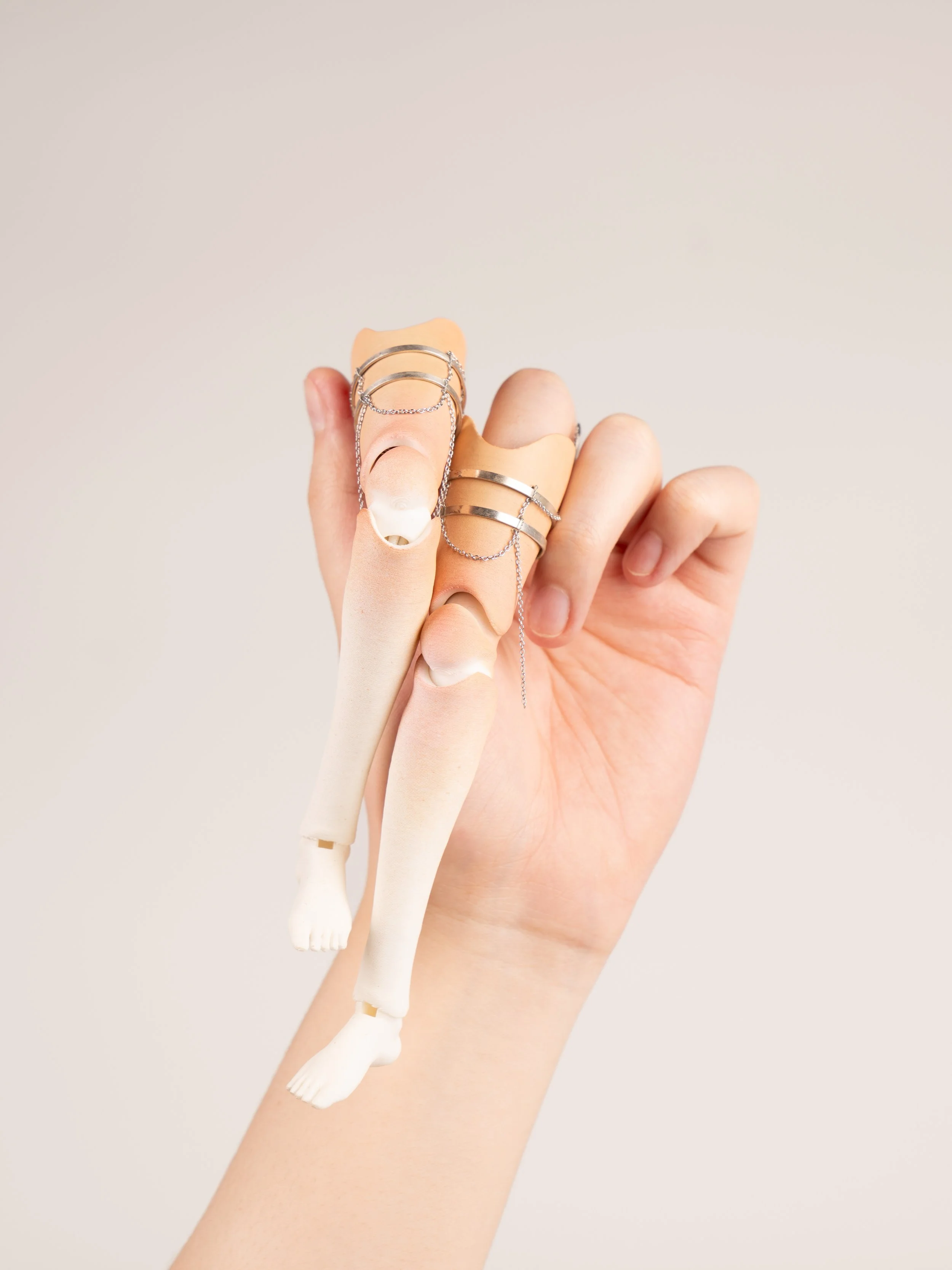
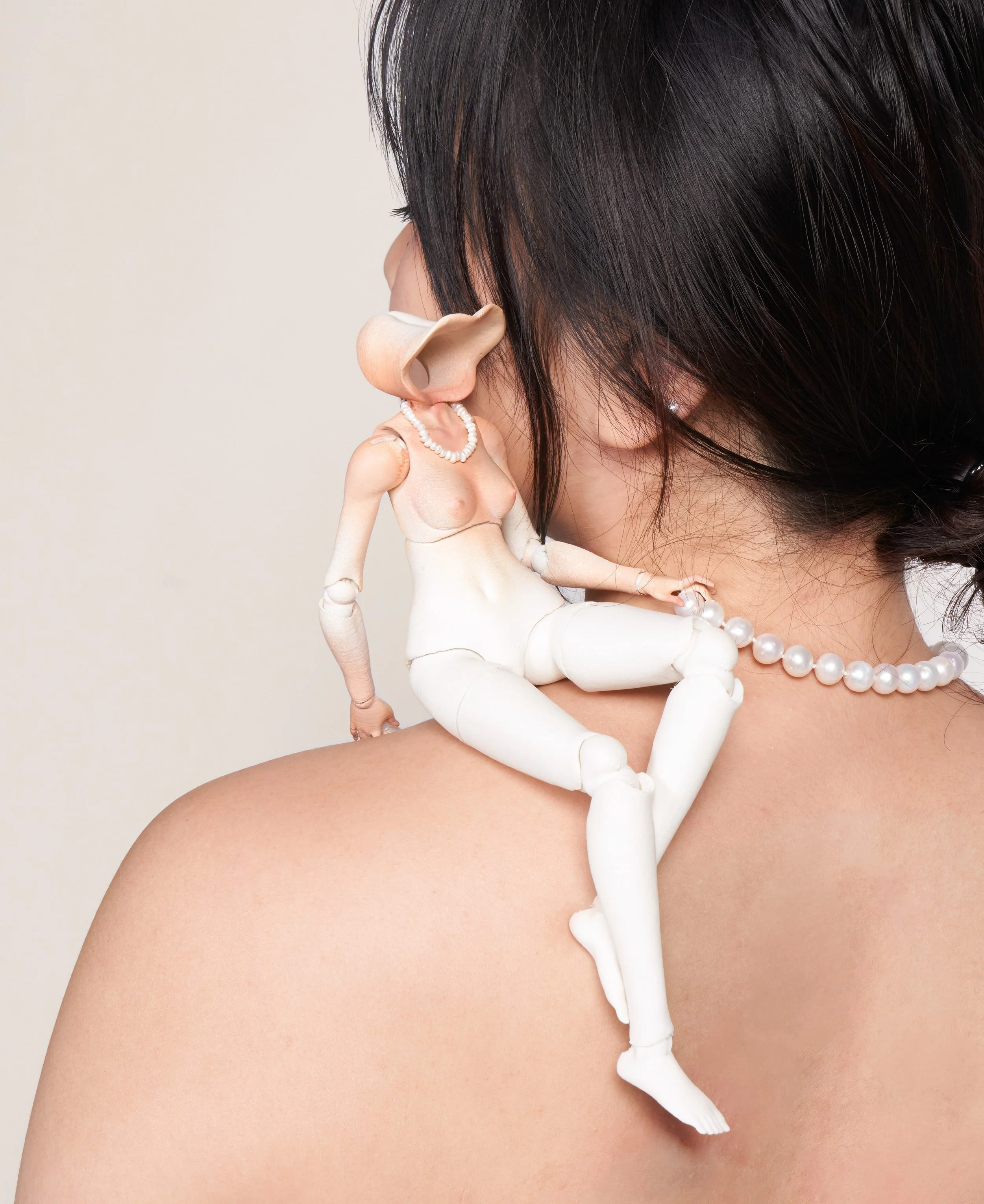
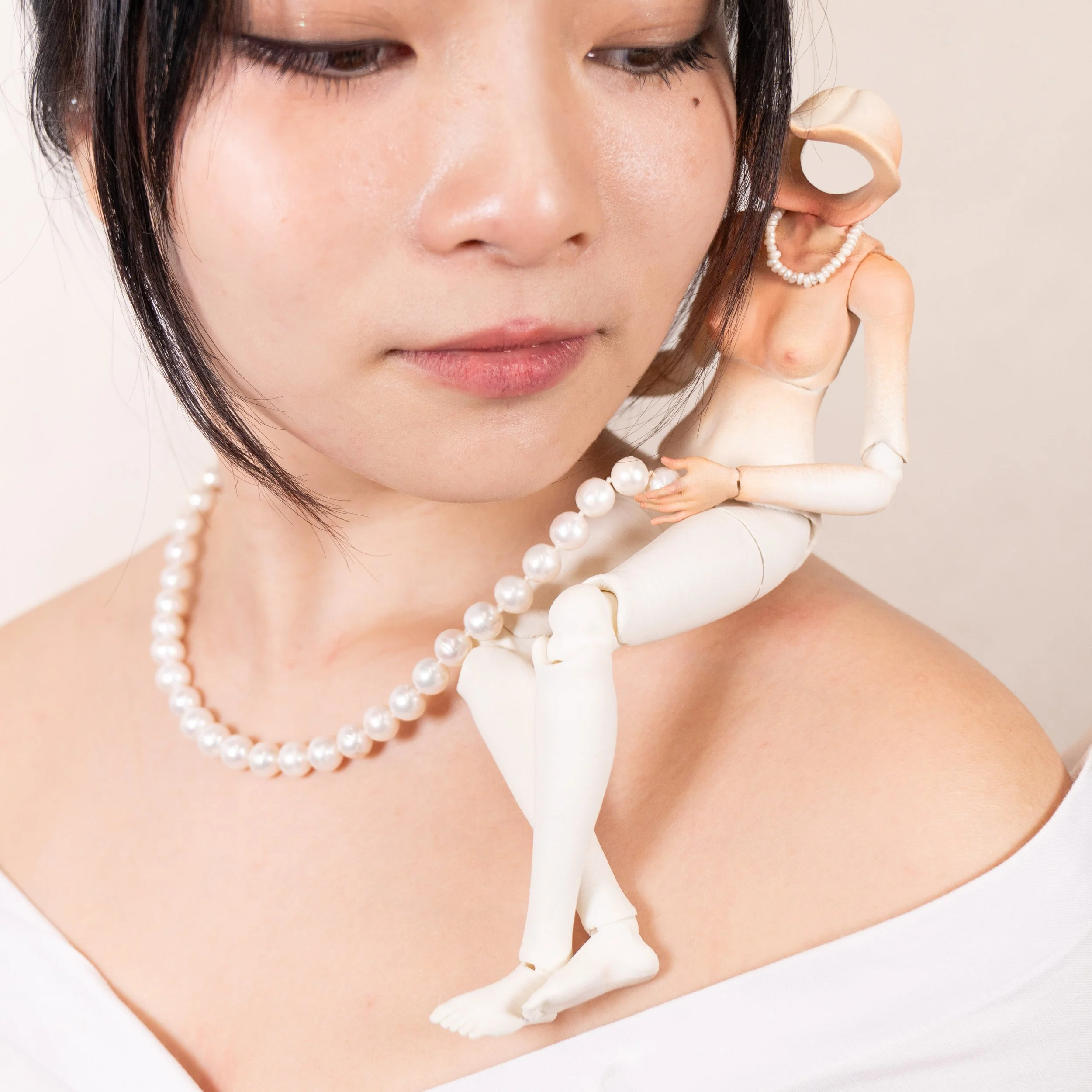
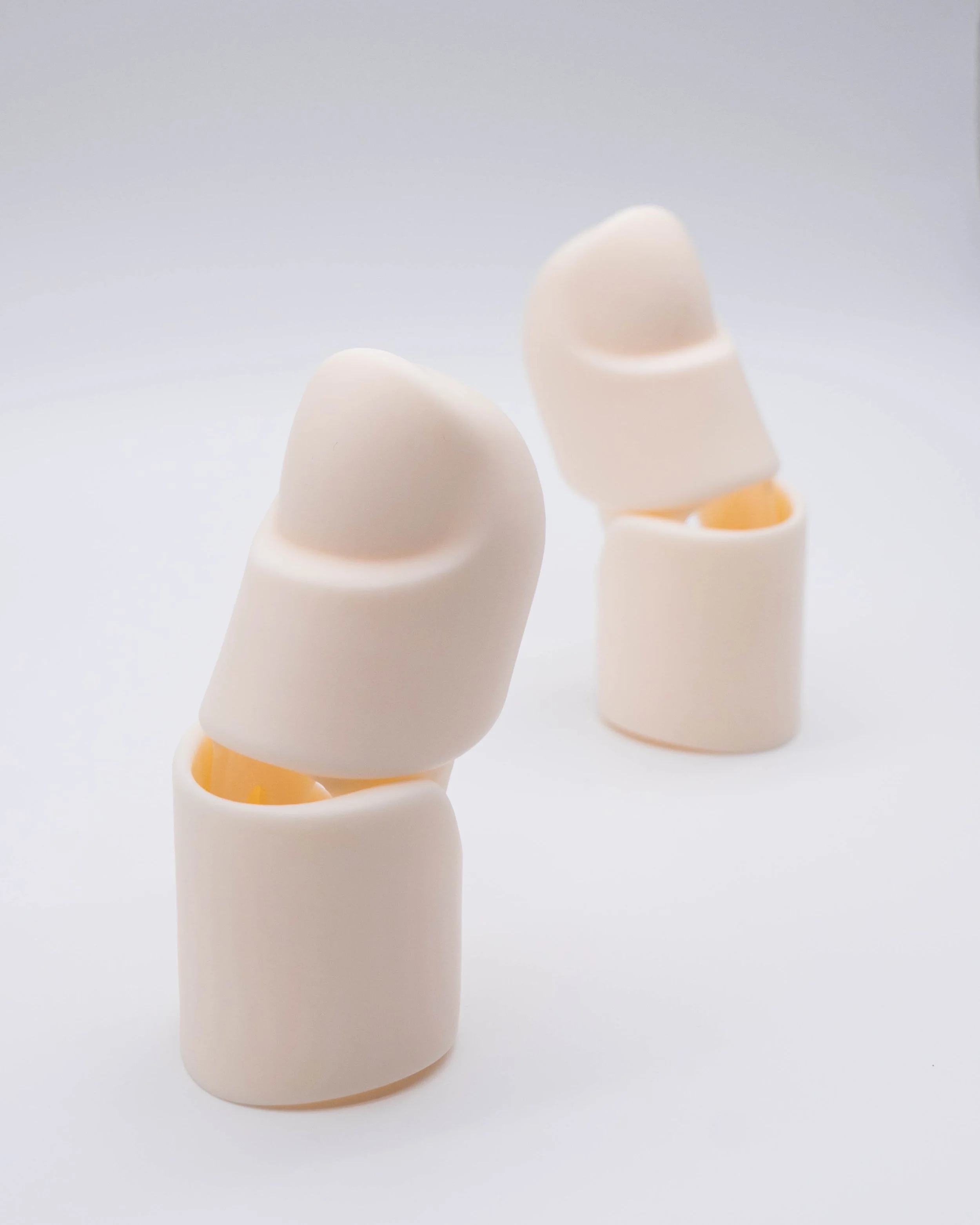
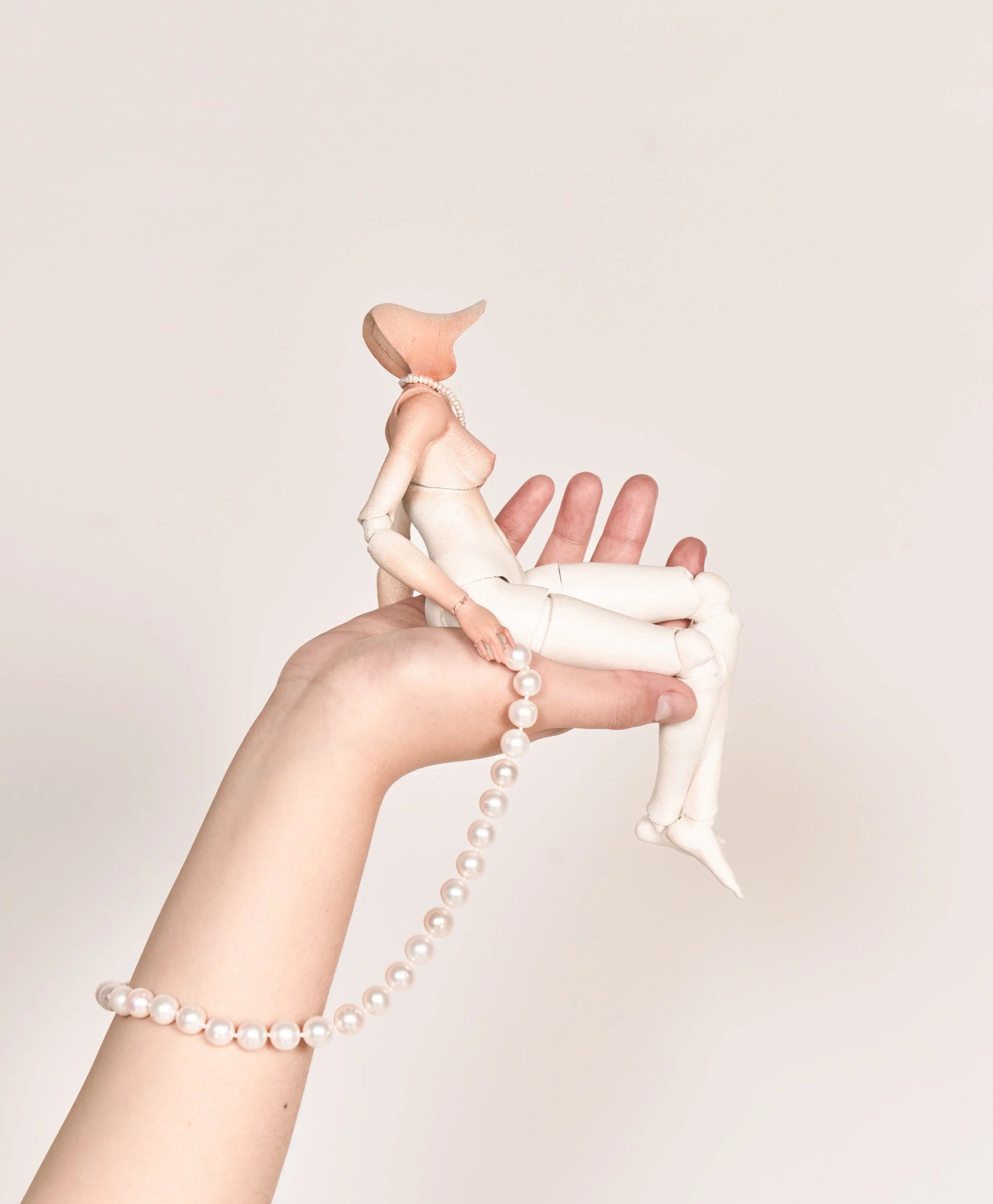
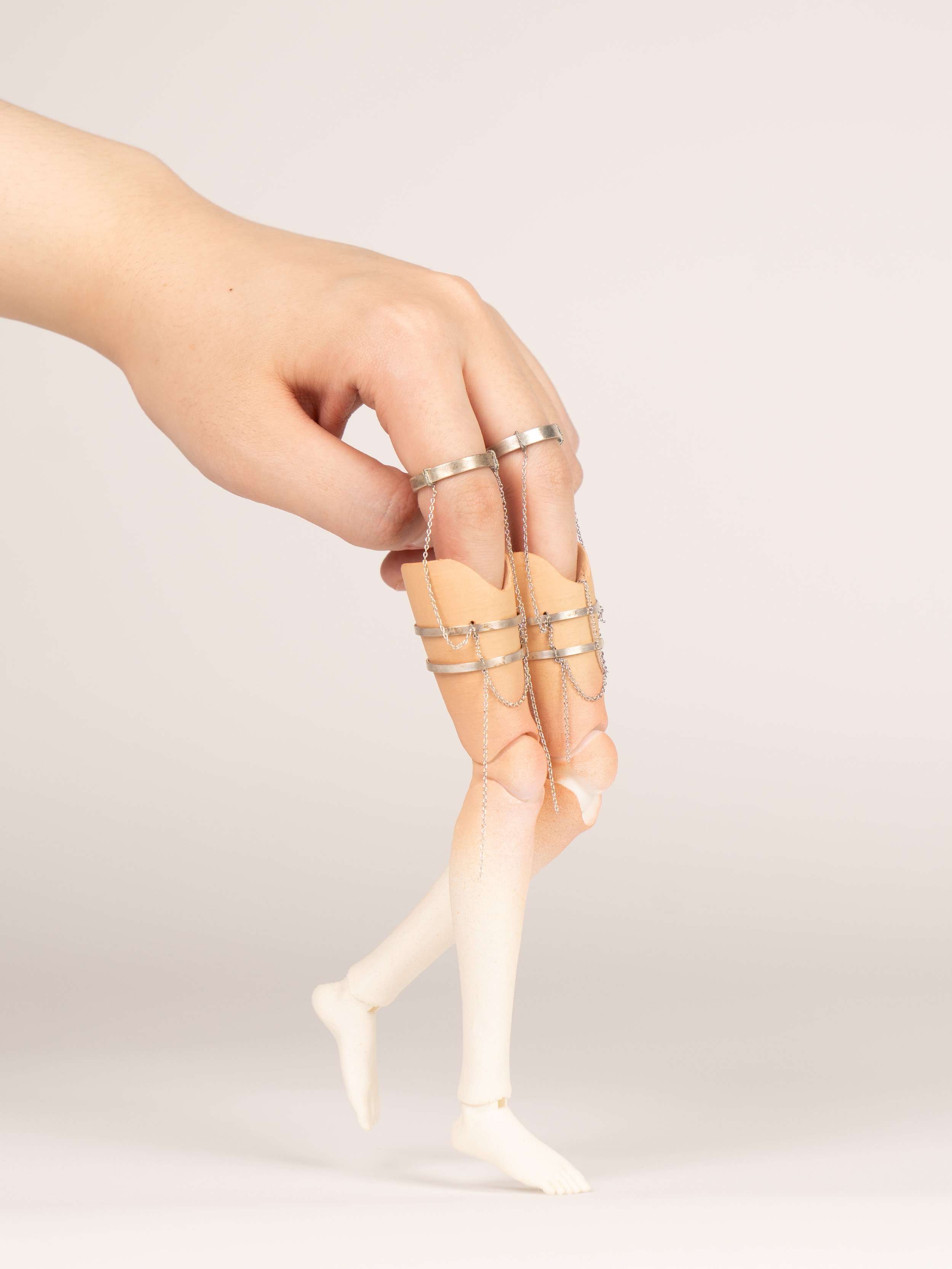
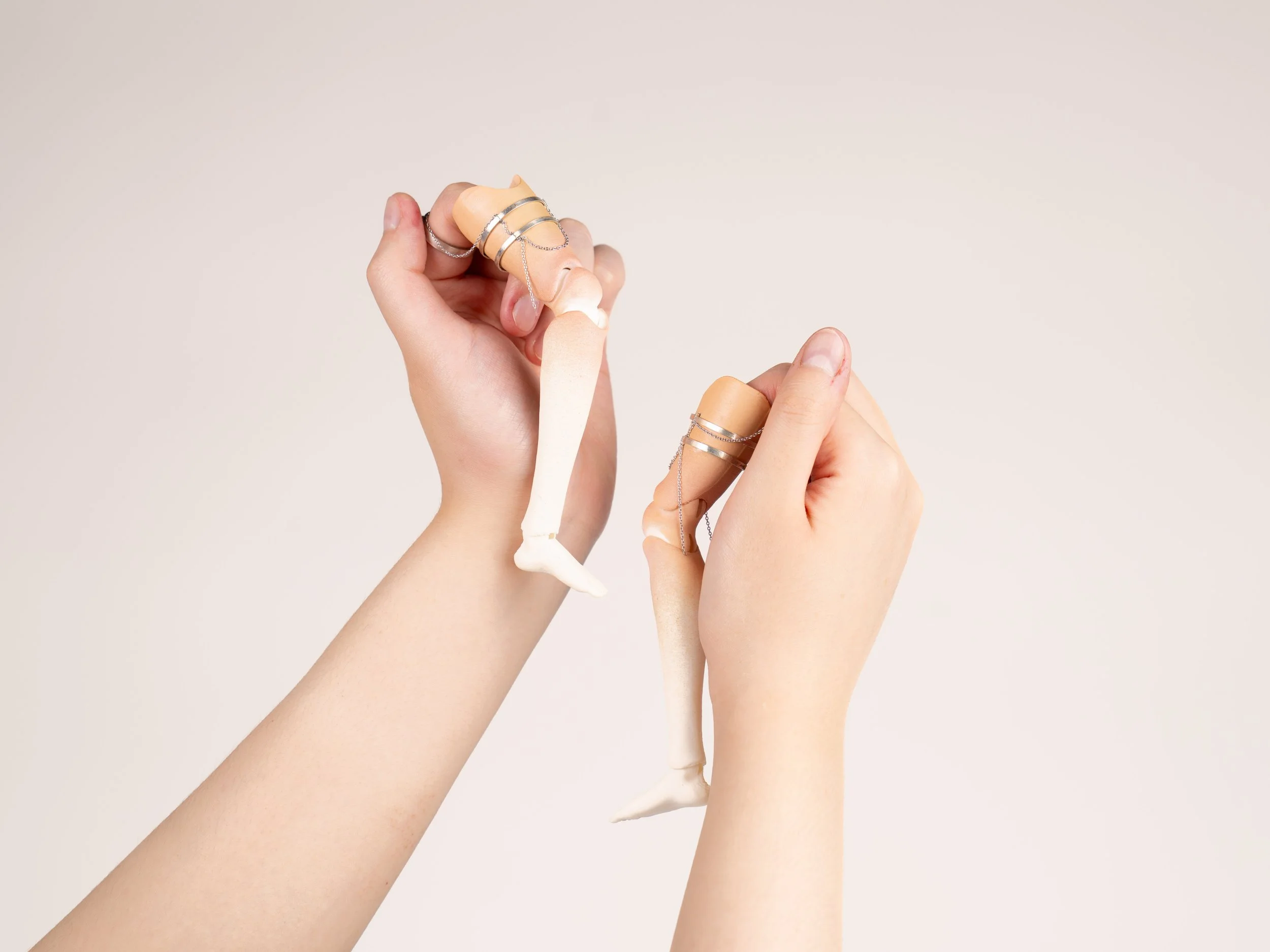
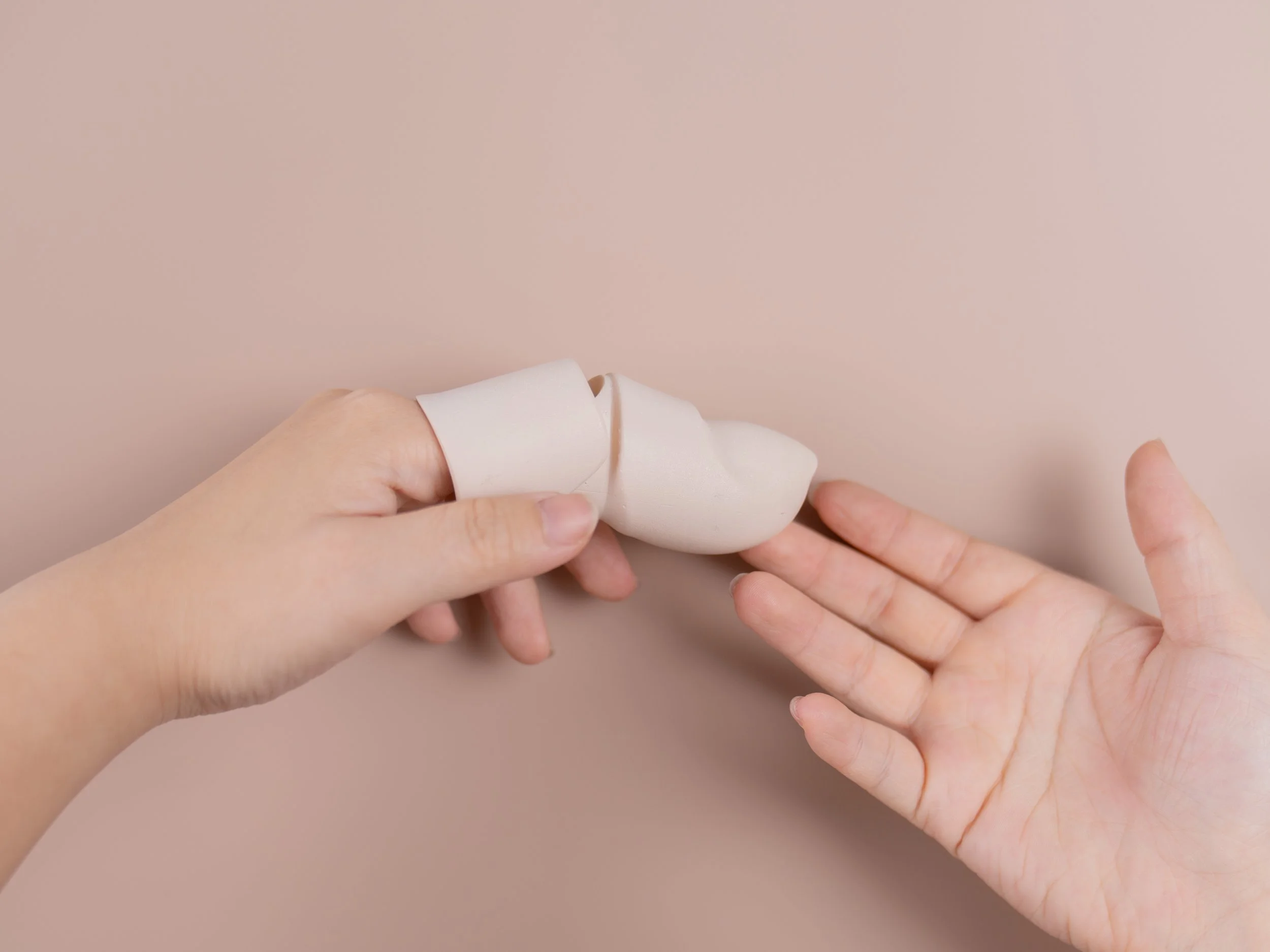
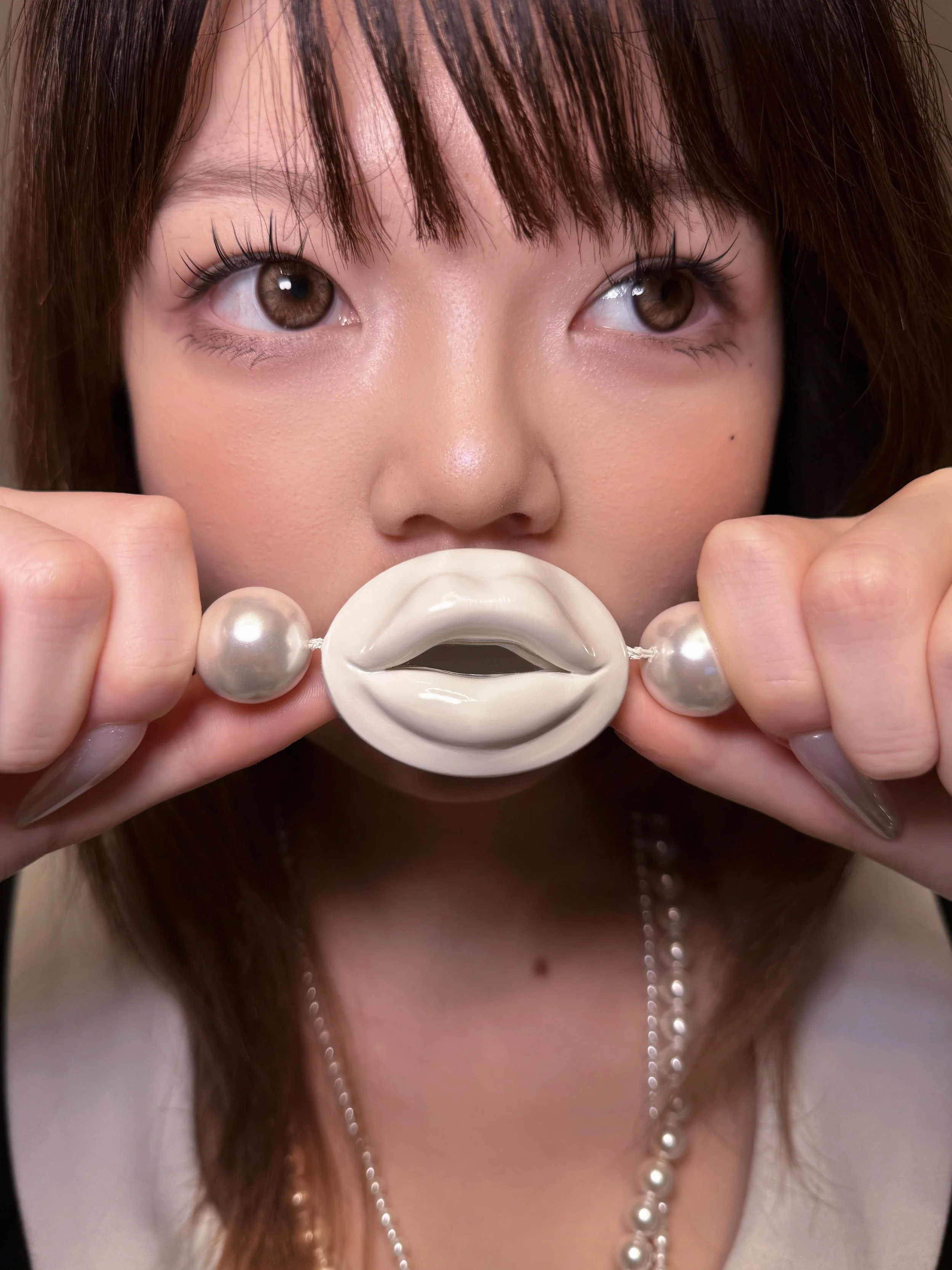
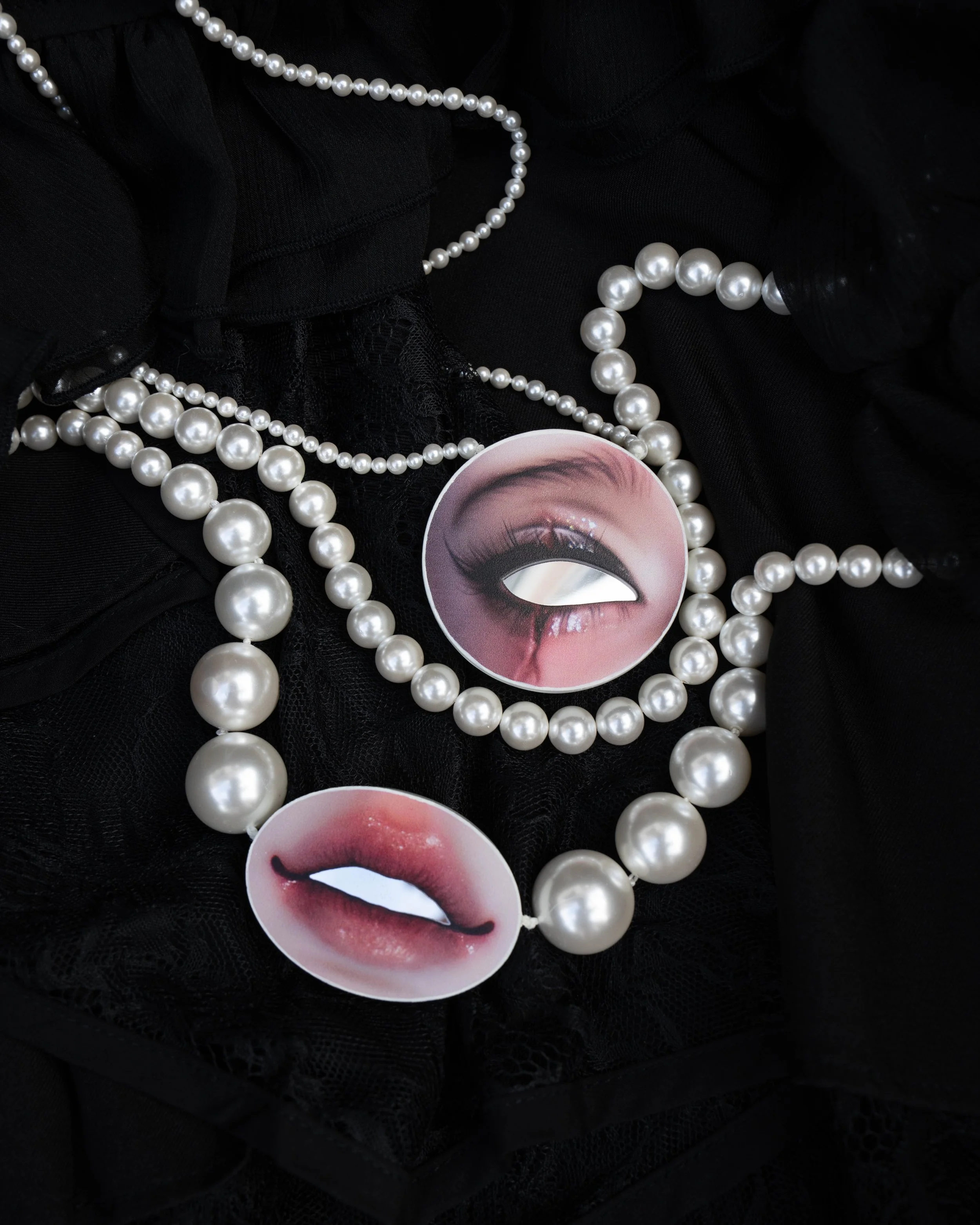
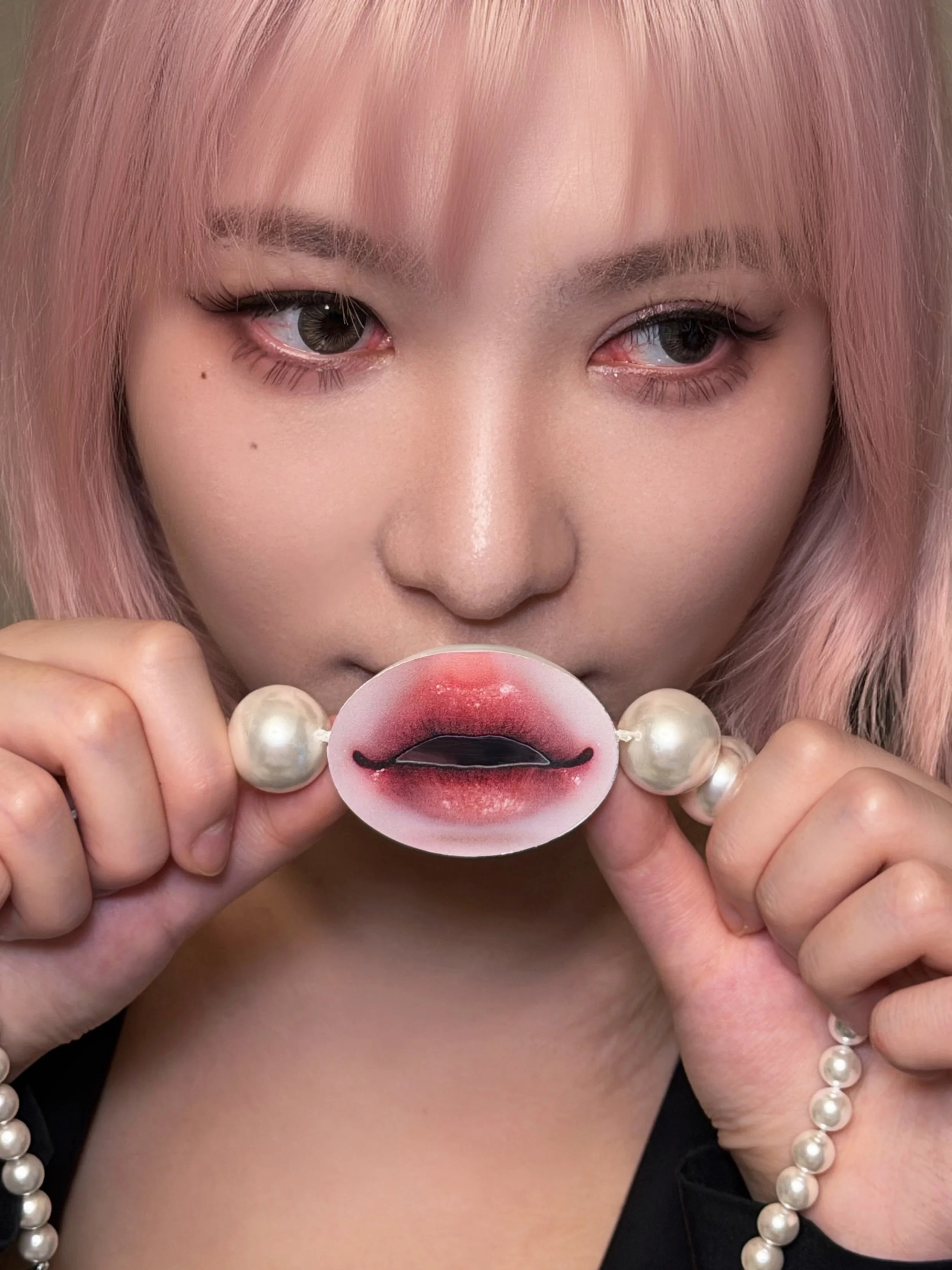
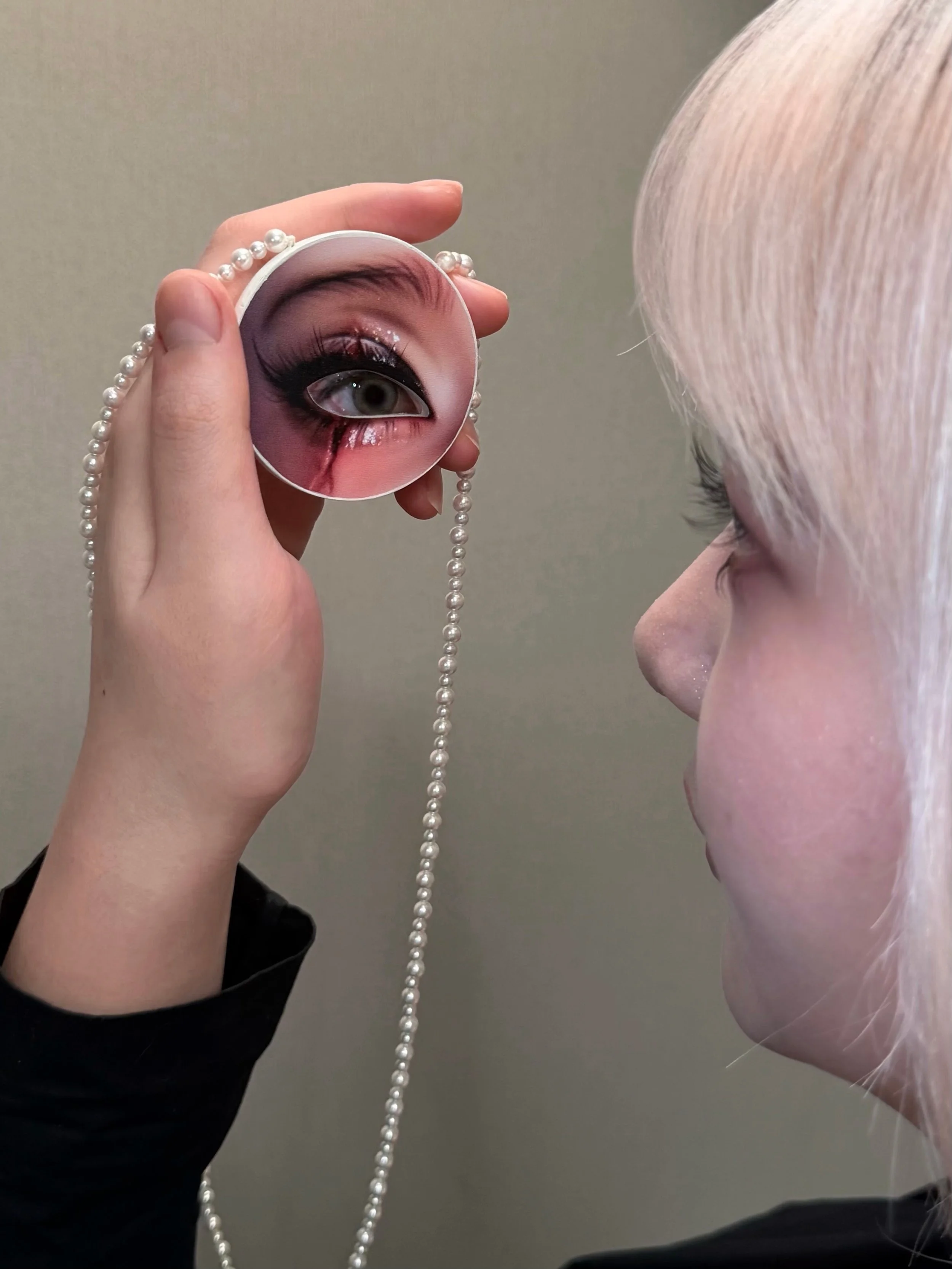
Yuqi Fan is a multidisciplinary artist currently based in New York, working across jewelry, photography, and painting. Her practice explores the intricate and emotional relationships between people and their beloved objects, drawing inspiration from subcultures such as doll-keeping. By researching the loneliness epidemic and related psychological theories about object attachment issues, she explores how objects such as jewelry can serve as vessels for emotion, memory, and identity.
Yuqi’s work invites the viewer to engage in intimate, surreal experiences that blur the line between reality and fantasy. Her works delve into how desire and care for an object can shape our relationships with the material world.
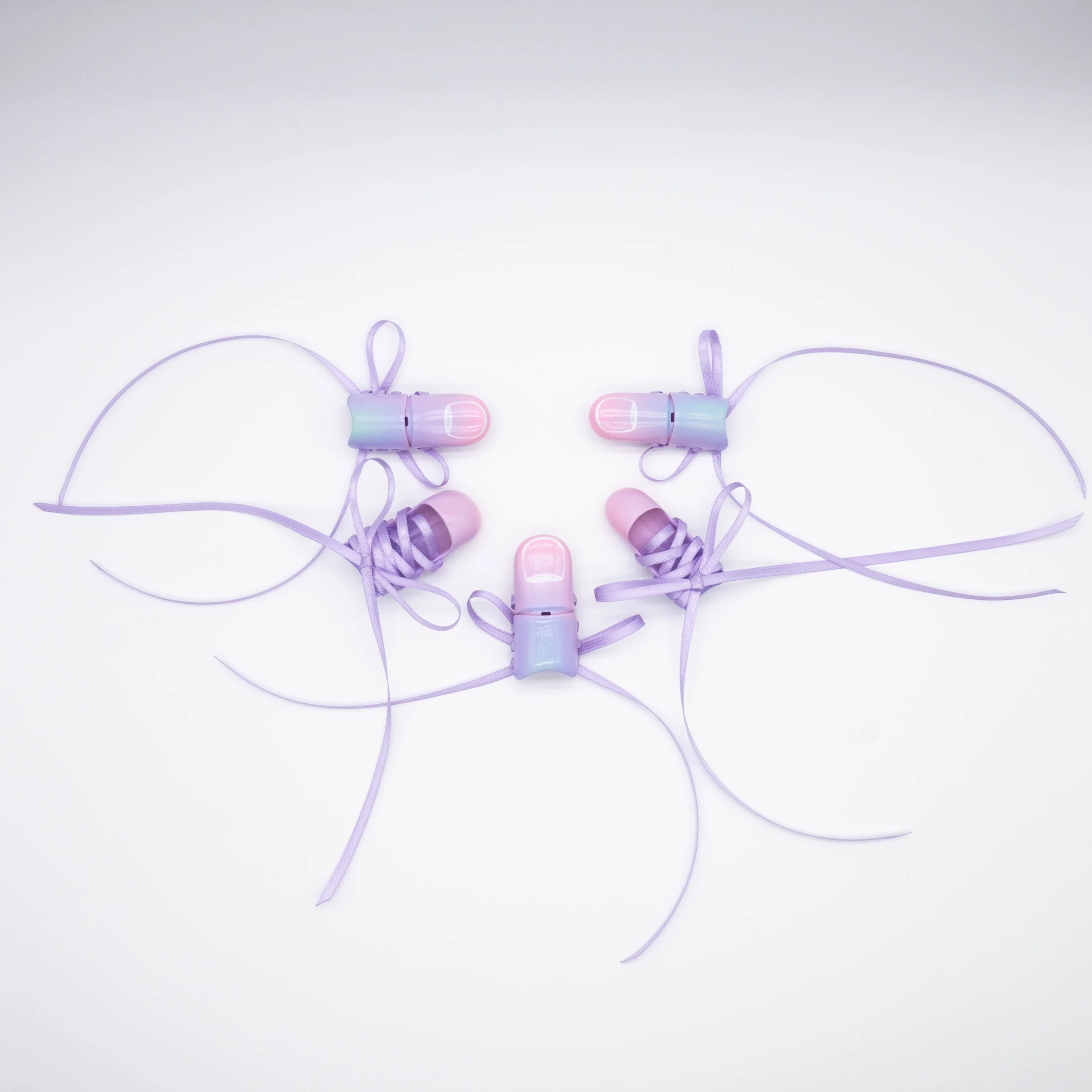
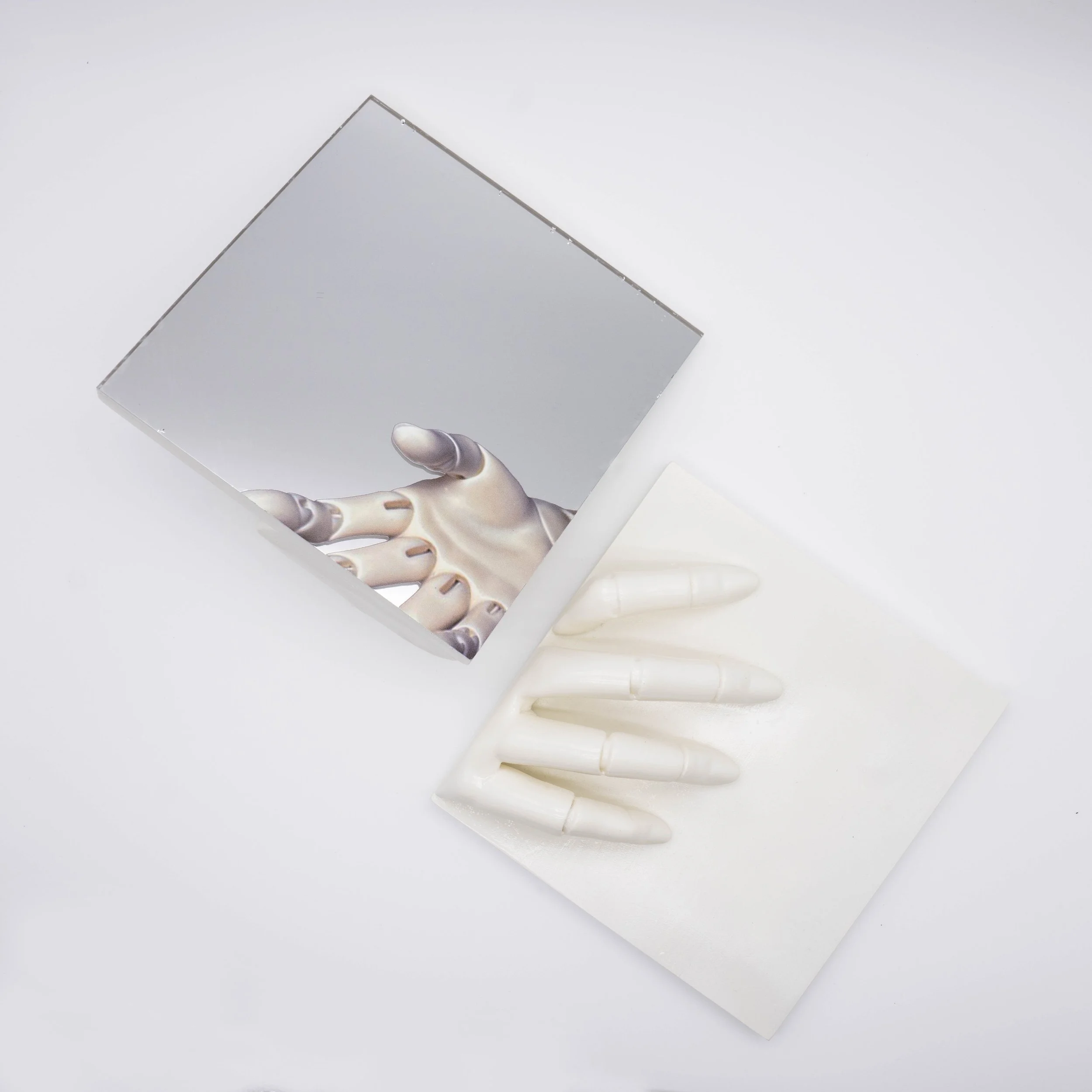
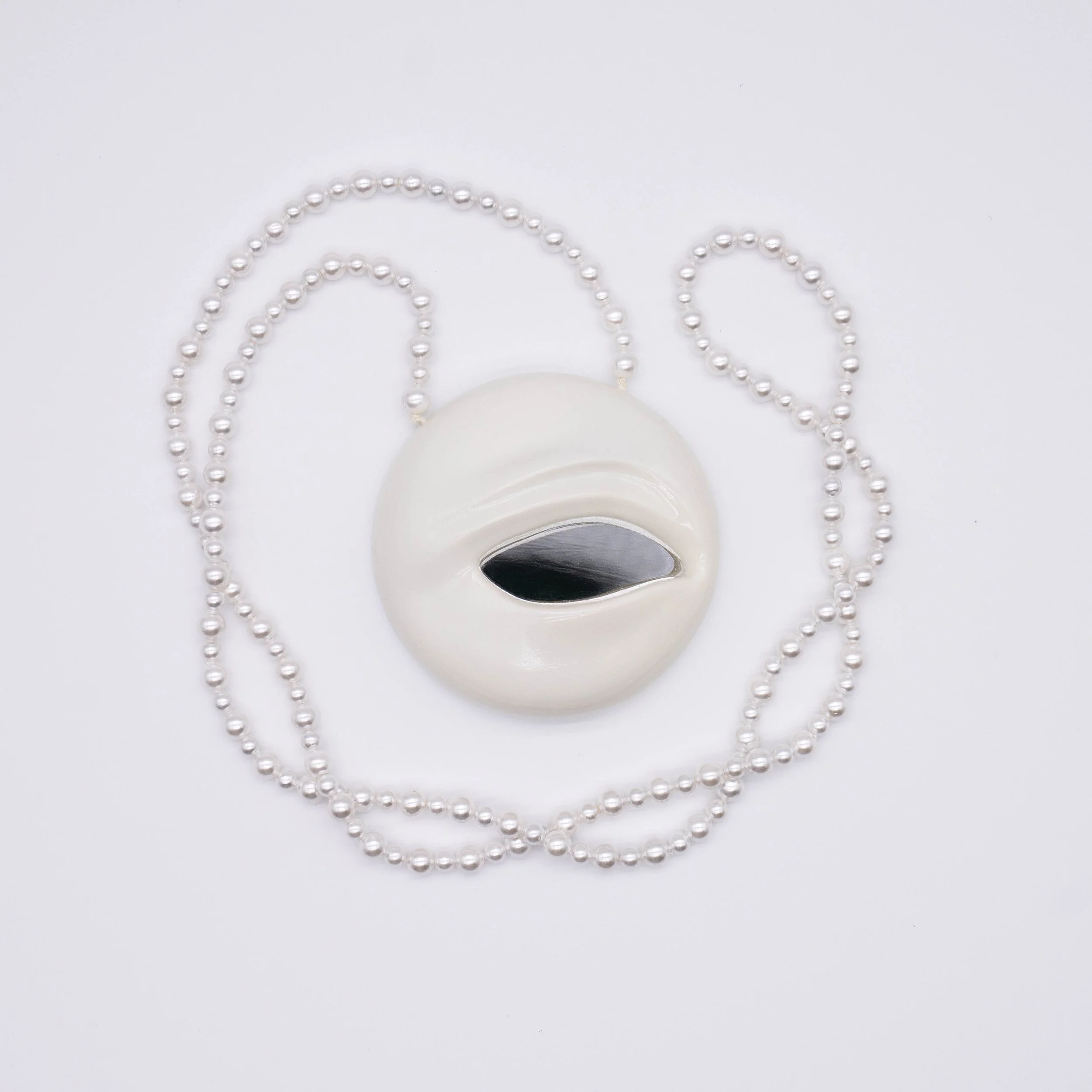
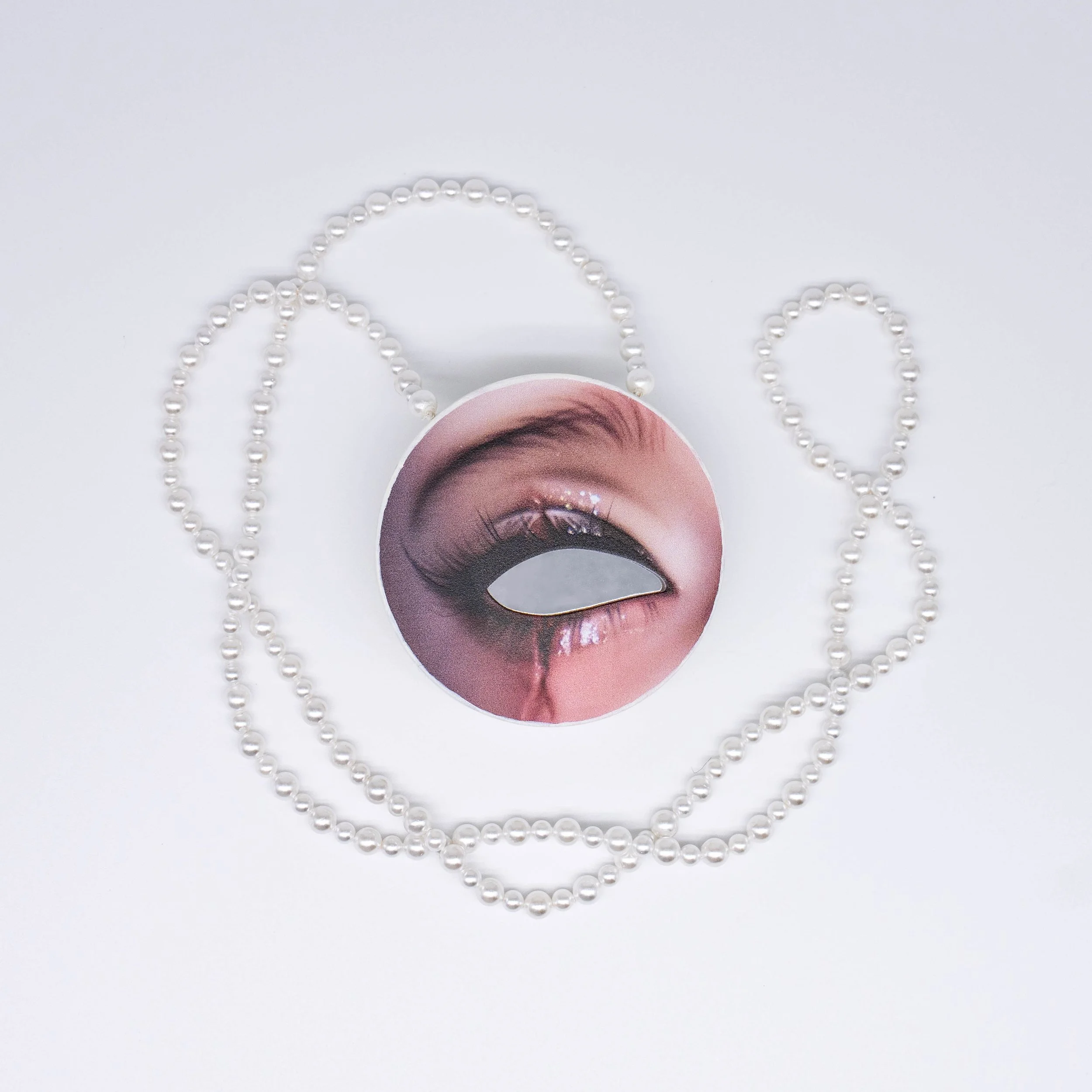
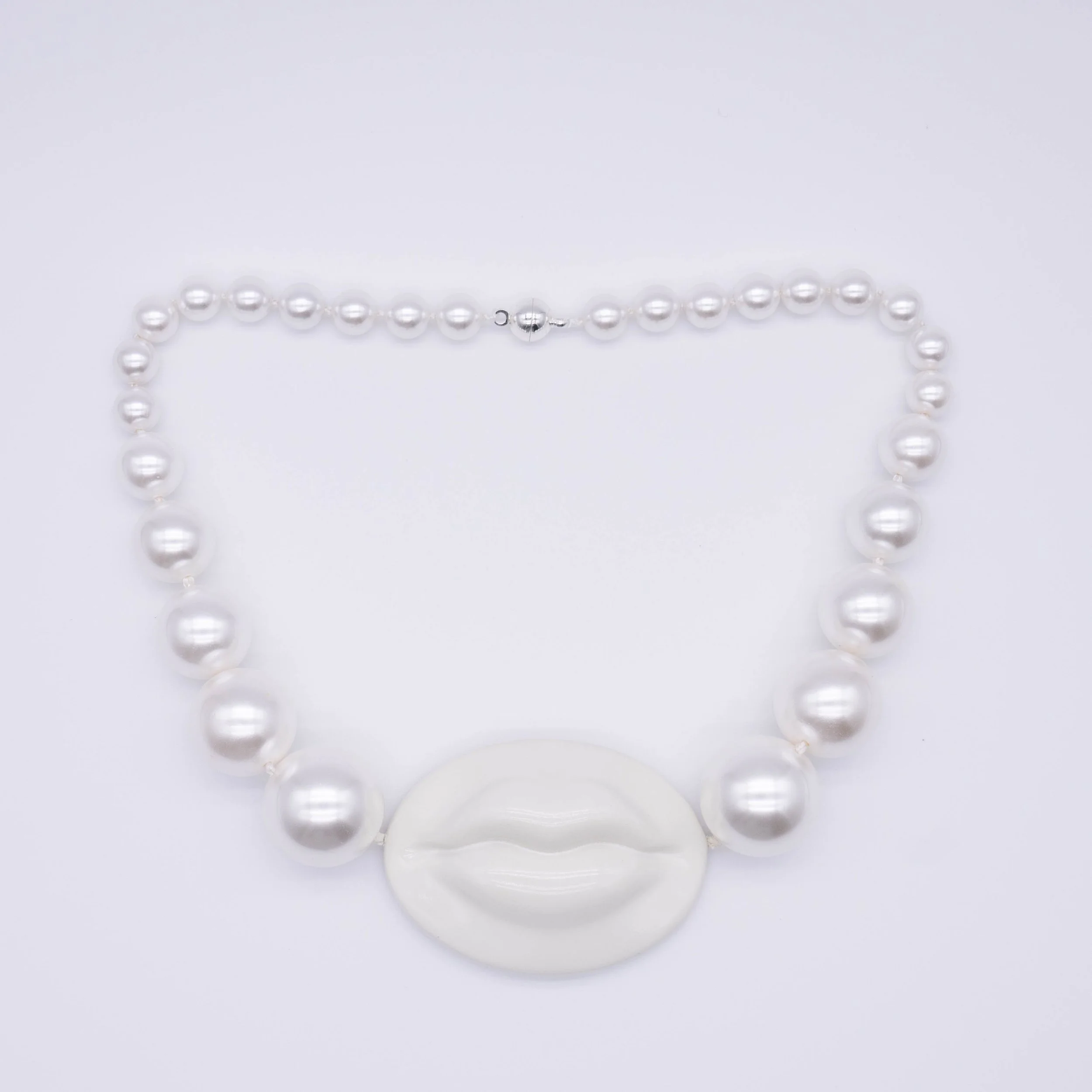
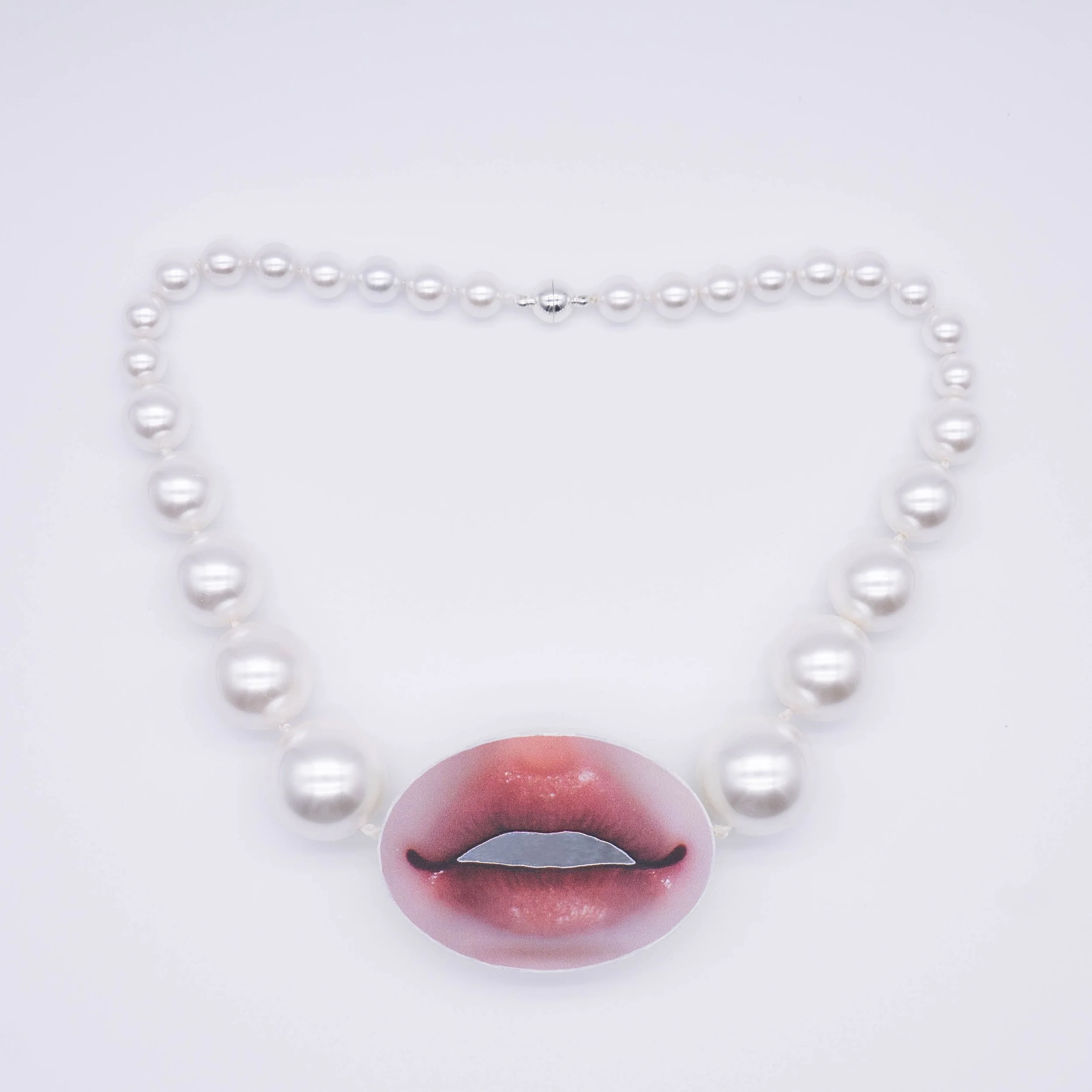
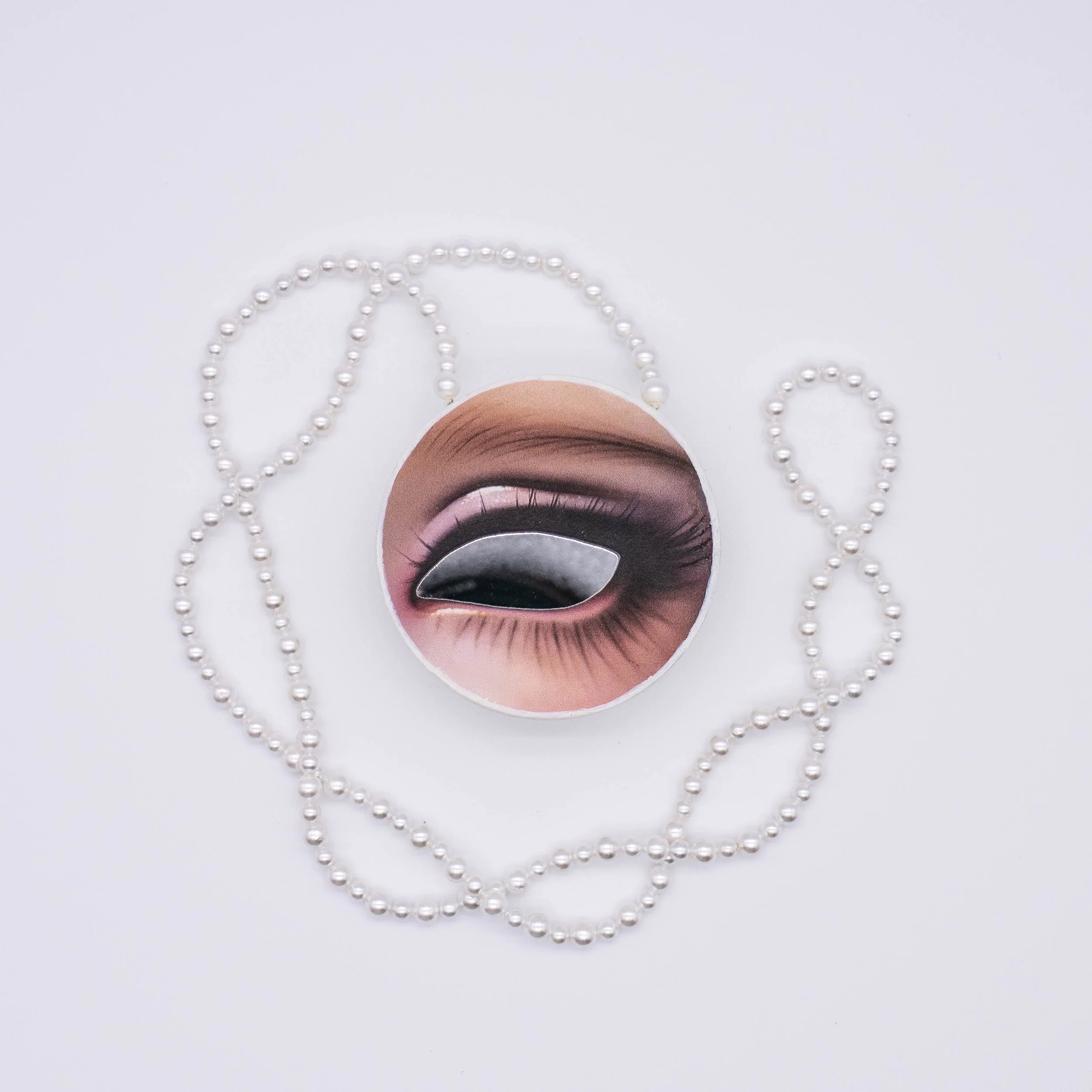
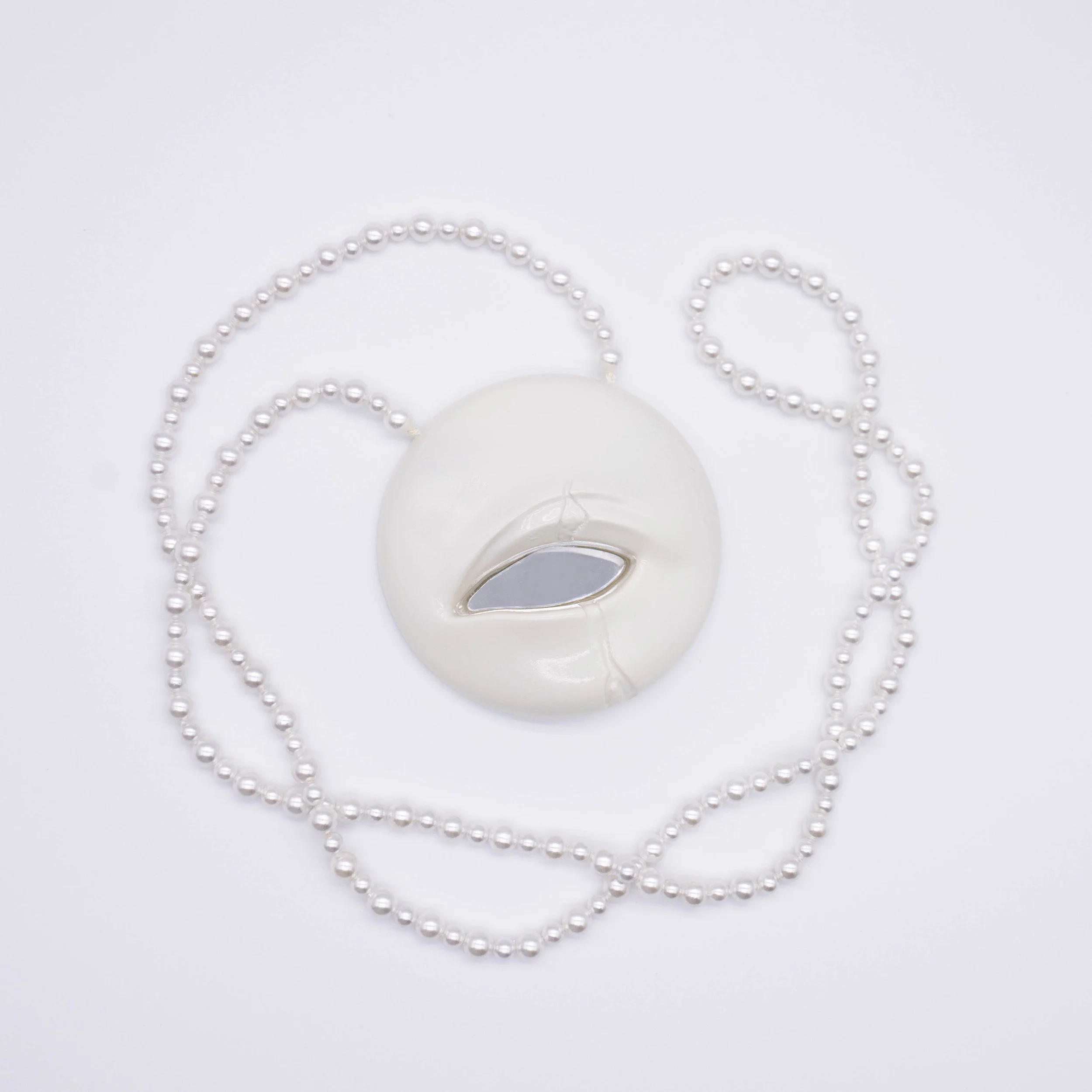
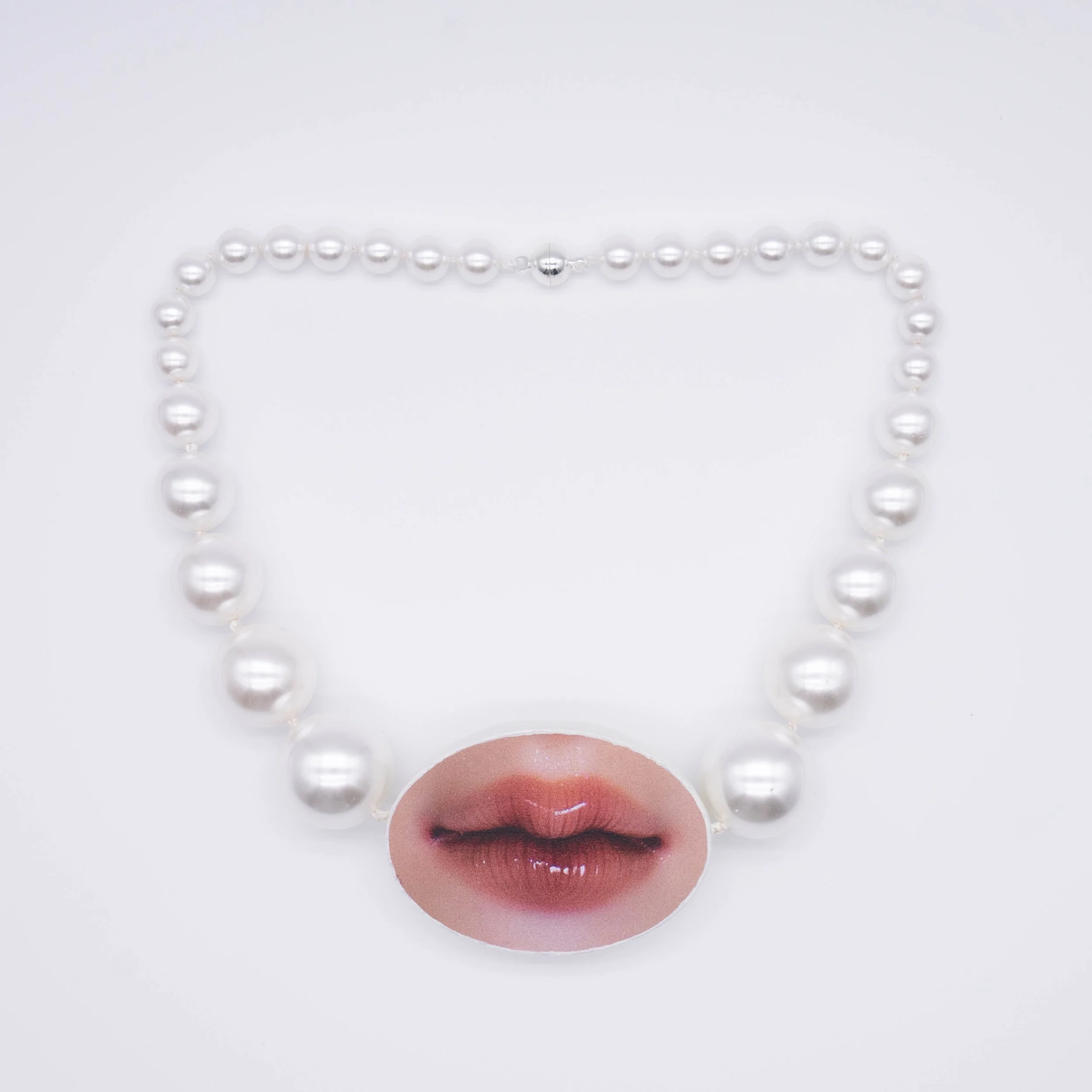
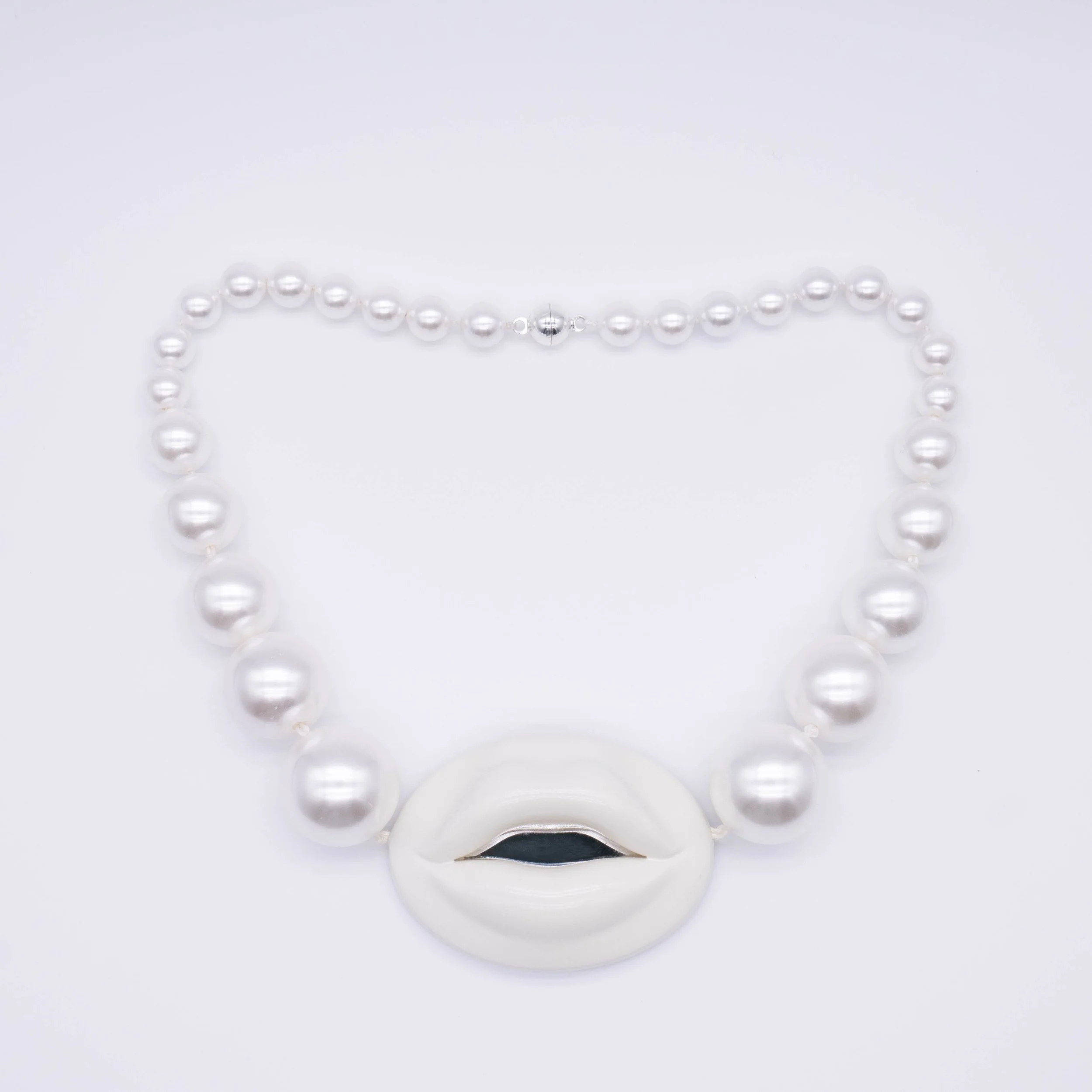
“My jewelry work explores how subcultures and hobbies can reflect one’s inner psychological realm. In current society, loneliness has persisted as a major mental health concern for young adults. Contemplating my hobby as a doll-keeper, I began investigating the psychology of object attachment as a way to compensate for loneliness. Drawing inspiration from the doll-keeping subculture, where dolls function as imagined companions, the practice of doll-keeping becomes a coping strategy. I explore how people seek security, connection, and belonging through interacting with inanimate, human-like forms.
By extracting elements from doll bodies and incorporating psychological concepts such as the mirroring effect, my jewelry invites tender, interactive engagement. Pieces need to be touched, held, adjusted, and cared for. This reciprocal relationship echoes gestures of healing: attention, softness, and the willingness to meet vulnerability with presence. My work considers how objects can support us when human relationships feel uncertain. By blurring the boundaries between fantasy and reality, I position jewelry not only as decoration but also as a healing presence—a companion that holds our vulnerabilities, mirrors our desires, and reminds us of the human need for belonging.”