WHY A REMOTE RESIDENCY?
By Giulia Meacci, Curator & Community Lead at CLUSTER
When Ema Marinova, Founder of CLUSTER, and I began developing the idea for a Remote Artist Residency, we started with a simple question: what makes a residency valuable to an artist?
CLUSTER has always believed strongly in the value of our fully funded, in-person residencies. Bringing artists to London creates an opportunity not only to develop new work, but to experience a new creative environment and become part of an international network. But as we spoke to artists and considered the realities of contemporary creative practice, we kept coming up against the same issue: relocating for a month simply isn’t possible for everyone. An artist may have an established studio, ongoing commissions, teaching commitments, family responsibilities or financial and travel considerations. Even a fully funded residency can require someone to temporarily put other parts of their life and practice on hold.
So we began asking ourselves: could we create the same depth of professional opportunity without requiring an artist to leave their studio?
That question became the starting point for the development of our Remote Artist Residency programme.
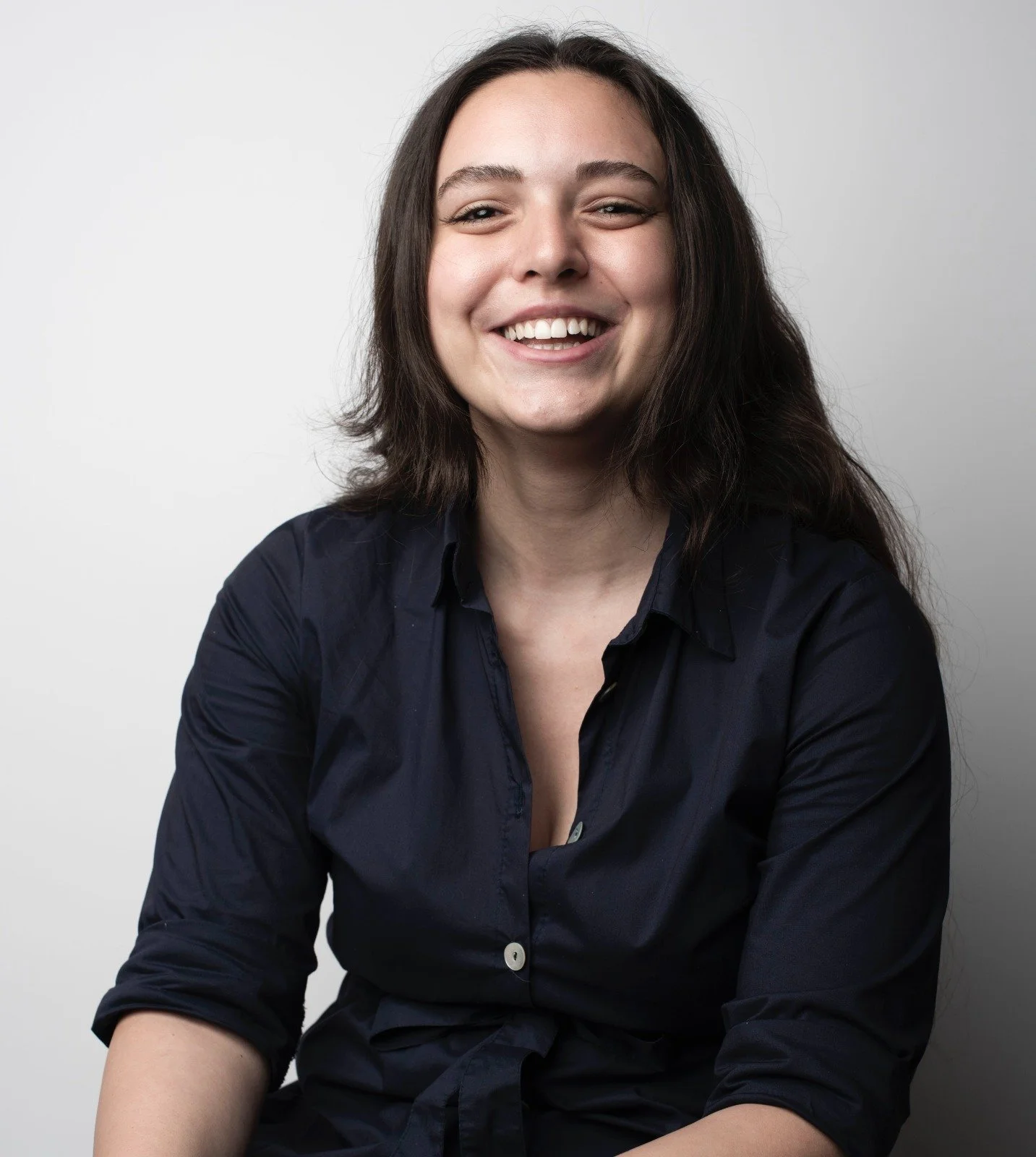
Giulia Meacci, Curator & Community Lead at CLUSTER
Developing the idea
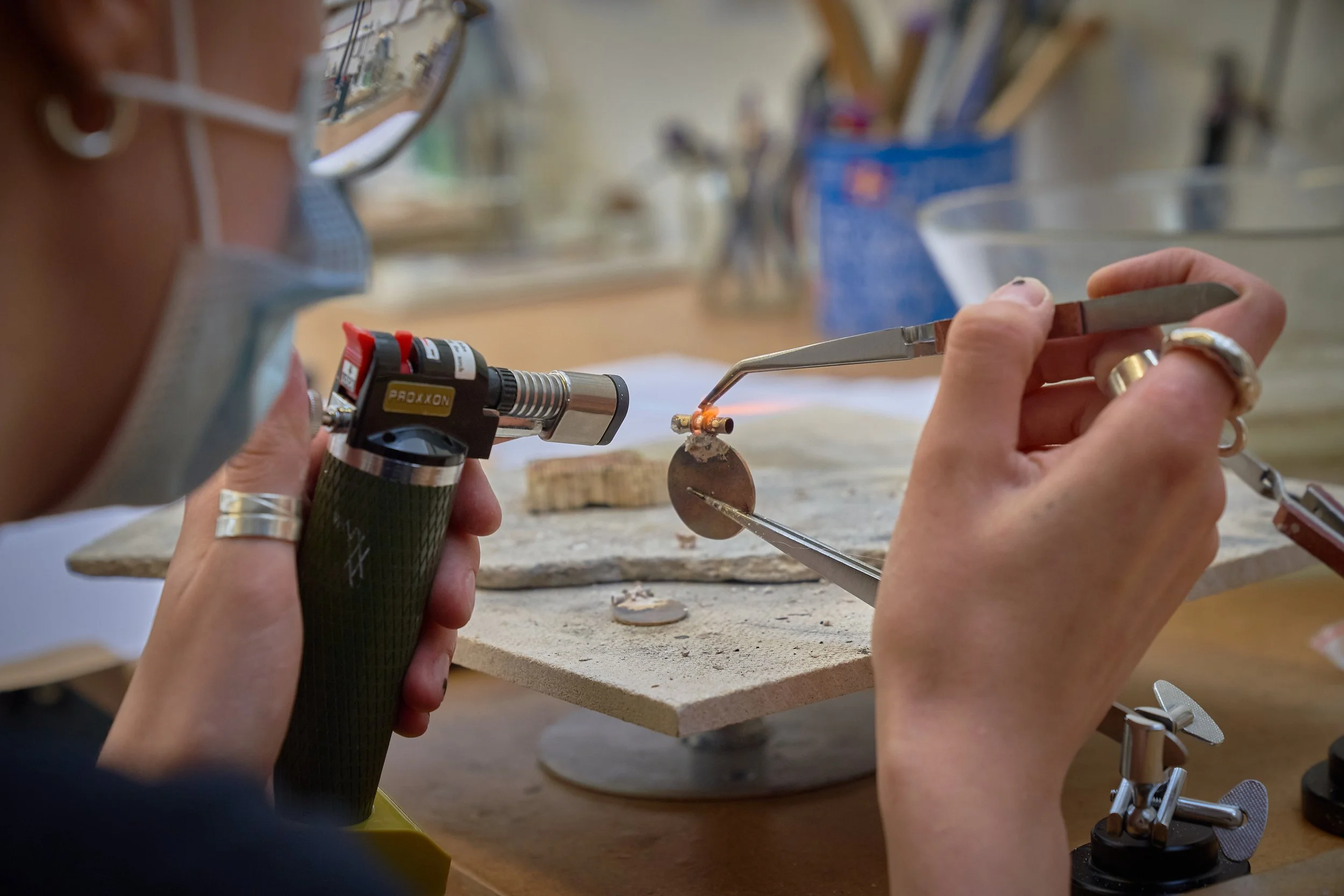
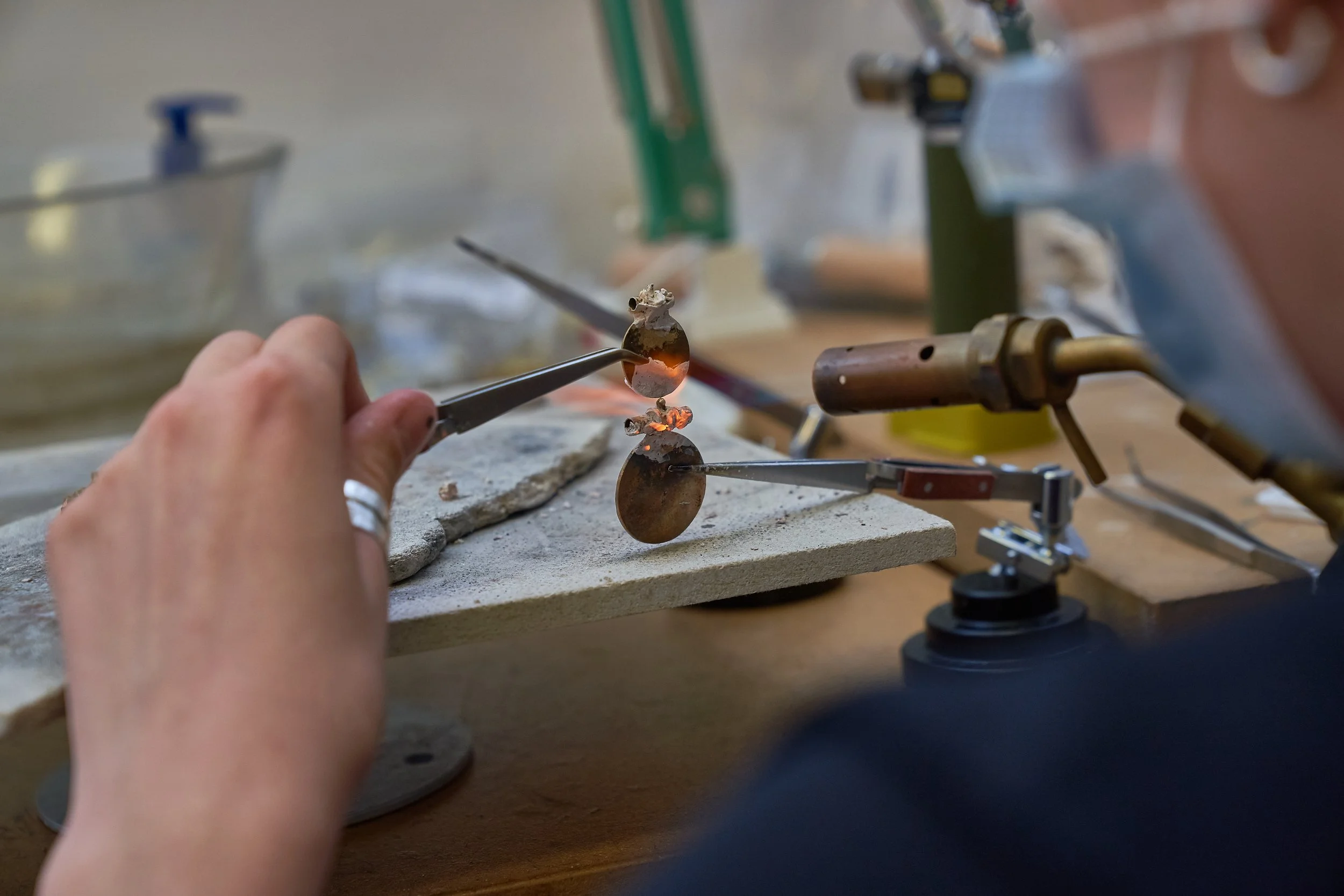
We were clear from the beginning that we didn't want to create a reduced or purely digital version of our existing programme. The word remote would describe where the artist works, not the level of ambition behind the residency. We wanted the programme to retain what we believe makes a residency meaningful: sustained mentorship, professional development, meaningful industry connections, the development of new work and the opportunity to present that work to an audience.
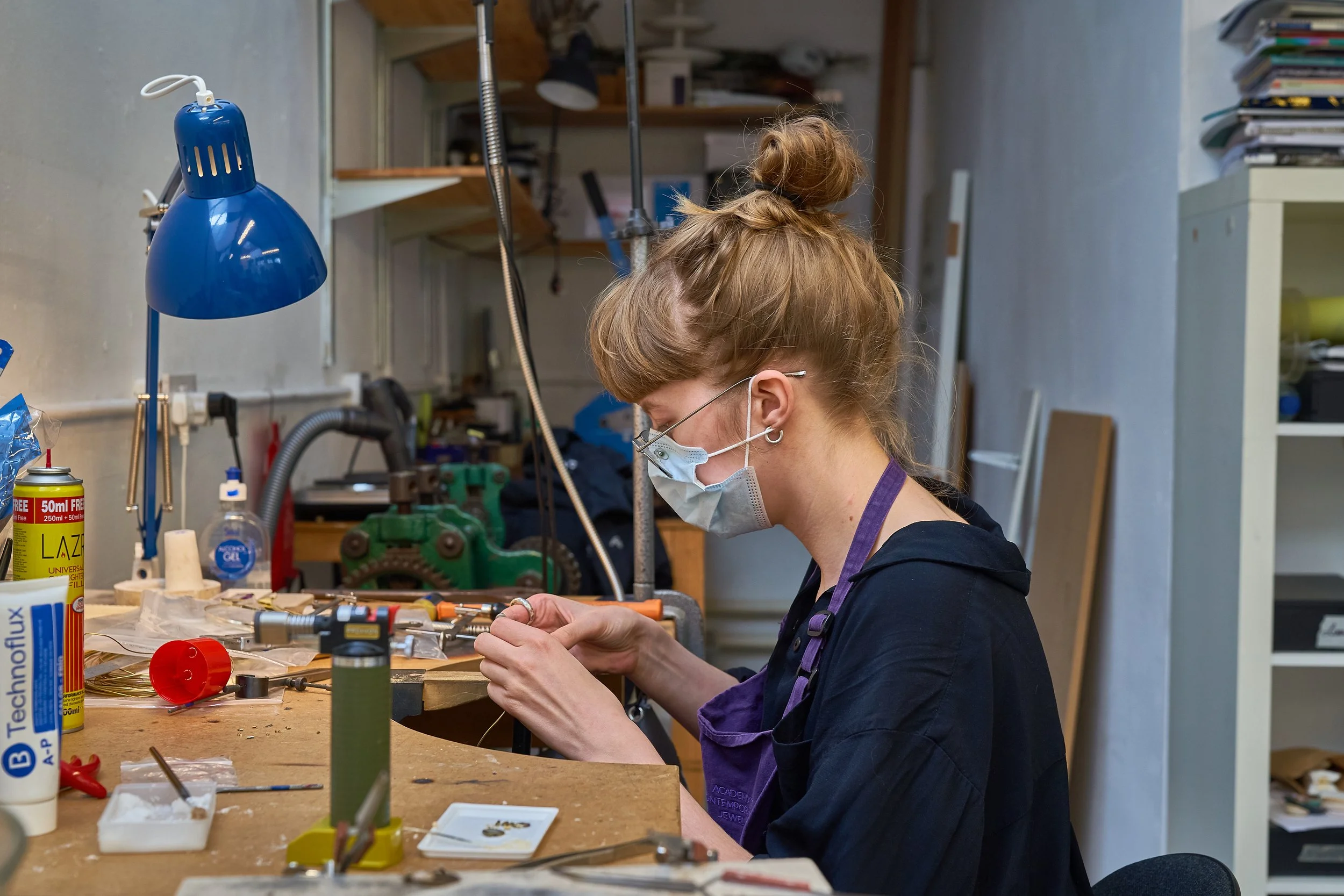
At the same time, working remotely creates its own advantages. An artist can remain within the environment where their practice has developed, continue existing commitments and work with the tools, materials and community they already know. Rather than asking an artist to step away from their practice, we wanted the residency to become part of it.
Building around people, not just a place
As we developed the programme, mentorship became central to our thinking. Without the physical proximity of an in-person residency, we felt it was even more important to create meaningful and consistent contact between the artist, CLUSTER and a wider group of professionals. The programme therefore brings together Professional and Peer Mentors, regular CLUSTER check-ins, project reviews and strategic introductions to galleries, curators, collectors and other industry professionals.
But the aim isn't simply to give an artist a list of contacts. CLUSTER has spent years building an international network, and we wanted to think carefully about how that network could be used in a meaningful way, creating conversations and relationships that could continue beyond the residency itself, for example with further exhibition and exposure opportunities for the residency winner and shortlisted artists.
Why bring the artist to London for their exhibition?
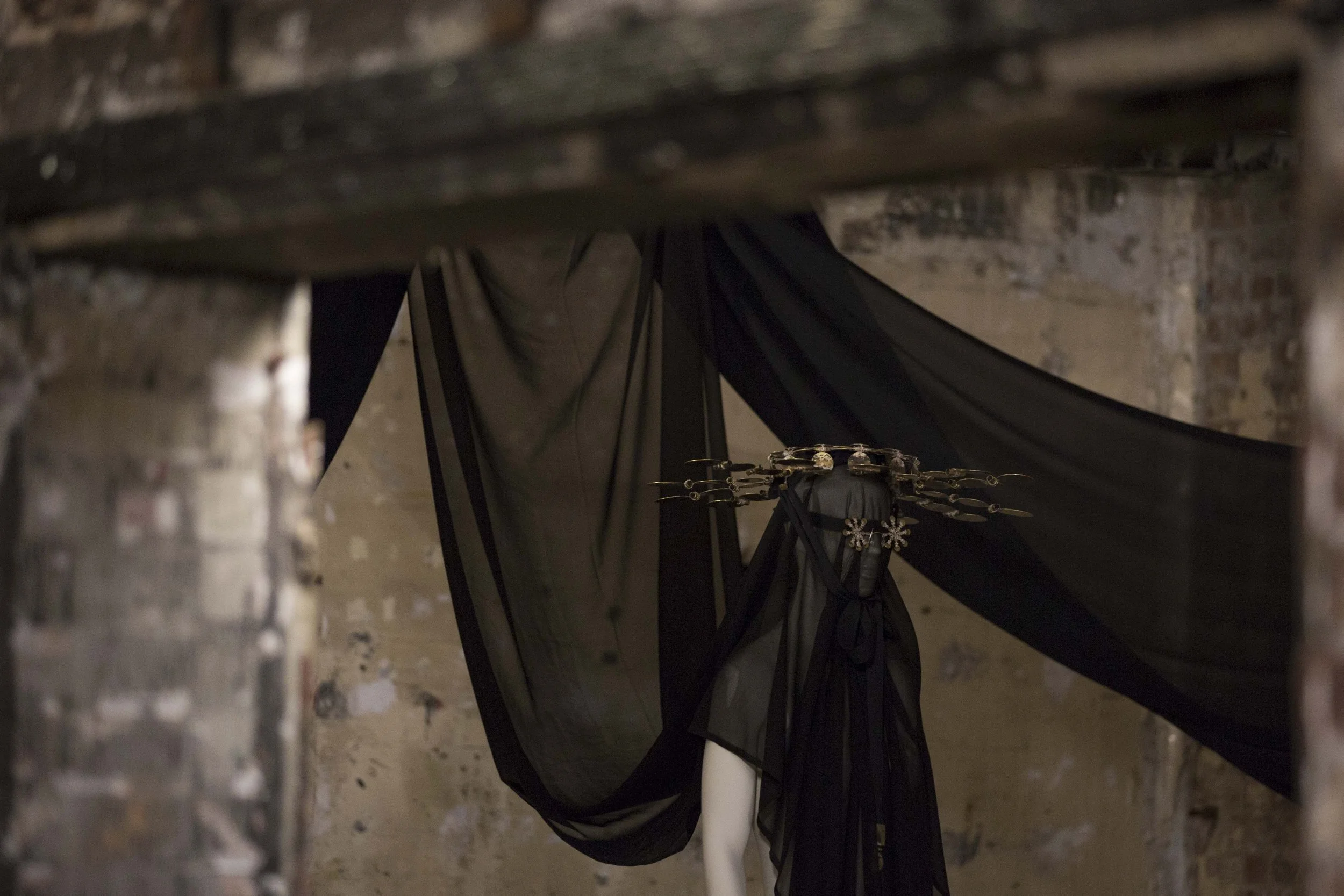
There was one part of our existing residency model that we felt strongly about keeping: the physical exhibition. If an artist is going to develop a new body of work through the programme, we wanted there to be a tangible moment where that work enters a new context and reaches a new audience. The selected artist will therefore develop the work from their own studio before coming to London for the final exhibition, with CLUSTER supporting their travel and accommodation.
The artist doesn't have to relocate in order to participate, but they still have the opportunity to physically enter the London creative ecosystem and present their work to curators, collectors, press and other professionals.
An expansion, not a replacement
Importantly, the remote residency does not replace our existing in-person programme. CLUSTER will continue to offer four fully funded in-person residencies. We believe there is something irreplaceable about living and working in another city and building relationships through physical proximity. The remote residency simply creates another way into CLUSTER.
For us, developing this programme has been about asking what a residency can be when we remove one of its traditional requirements: physical relocation. What remains is the part we believe matters most: investing in an artist, their practice, their professional development and their future opportunities. The Remote Artist Residency is our attempt to make that investment accessible to more artists, wherever they are.