STUDIO GIGGLY
“CODE&CRAFT” - ENCODED BODIES
2025
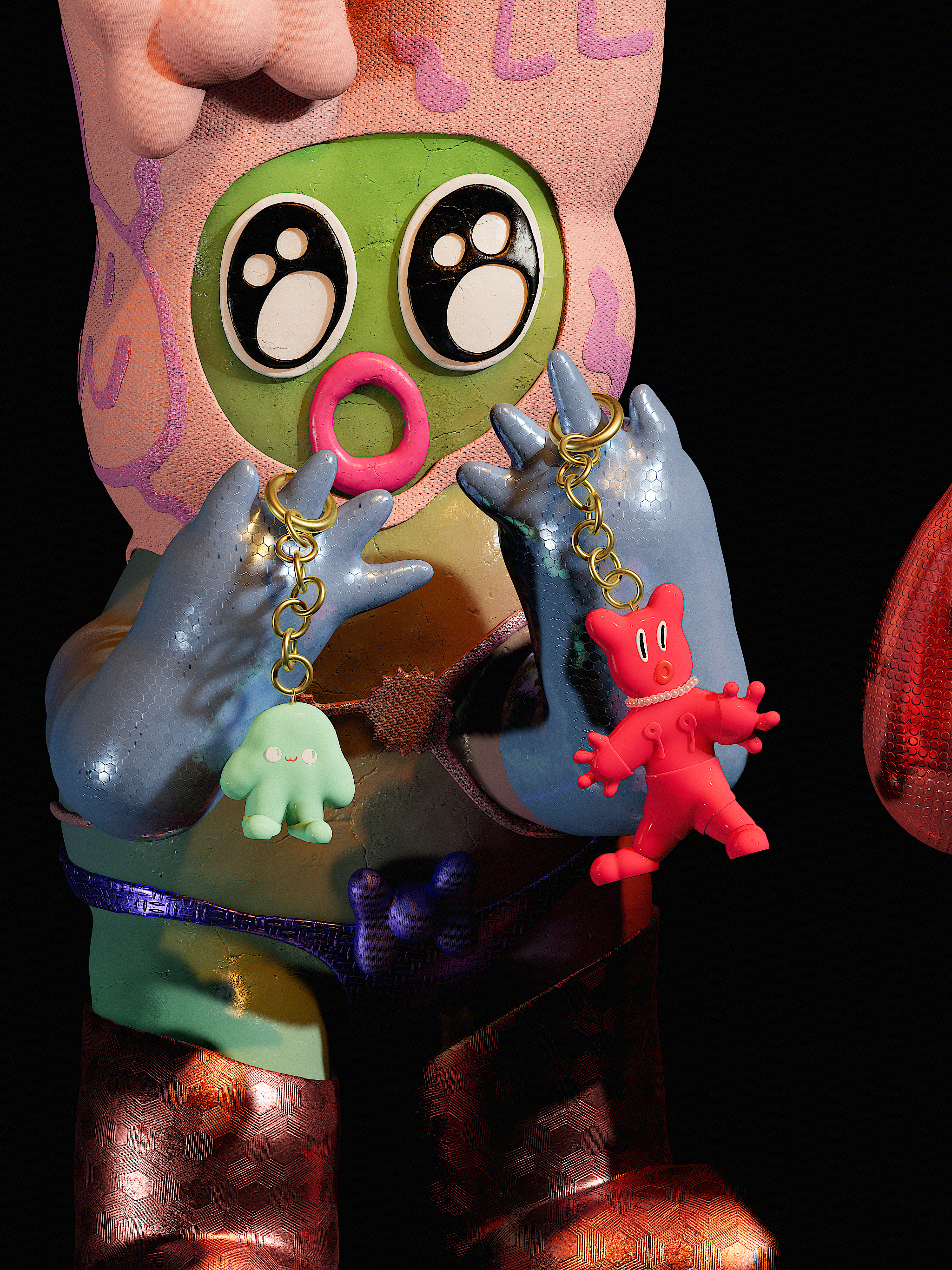
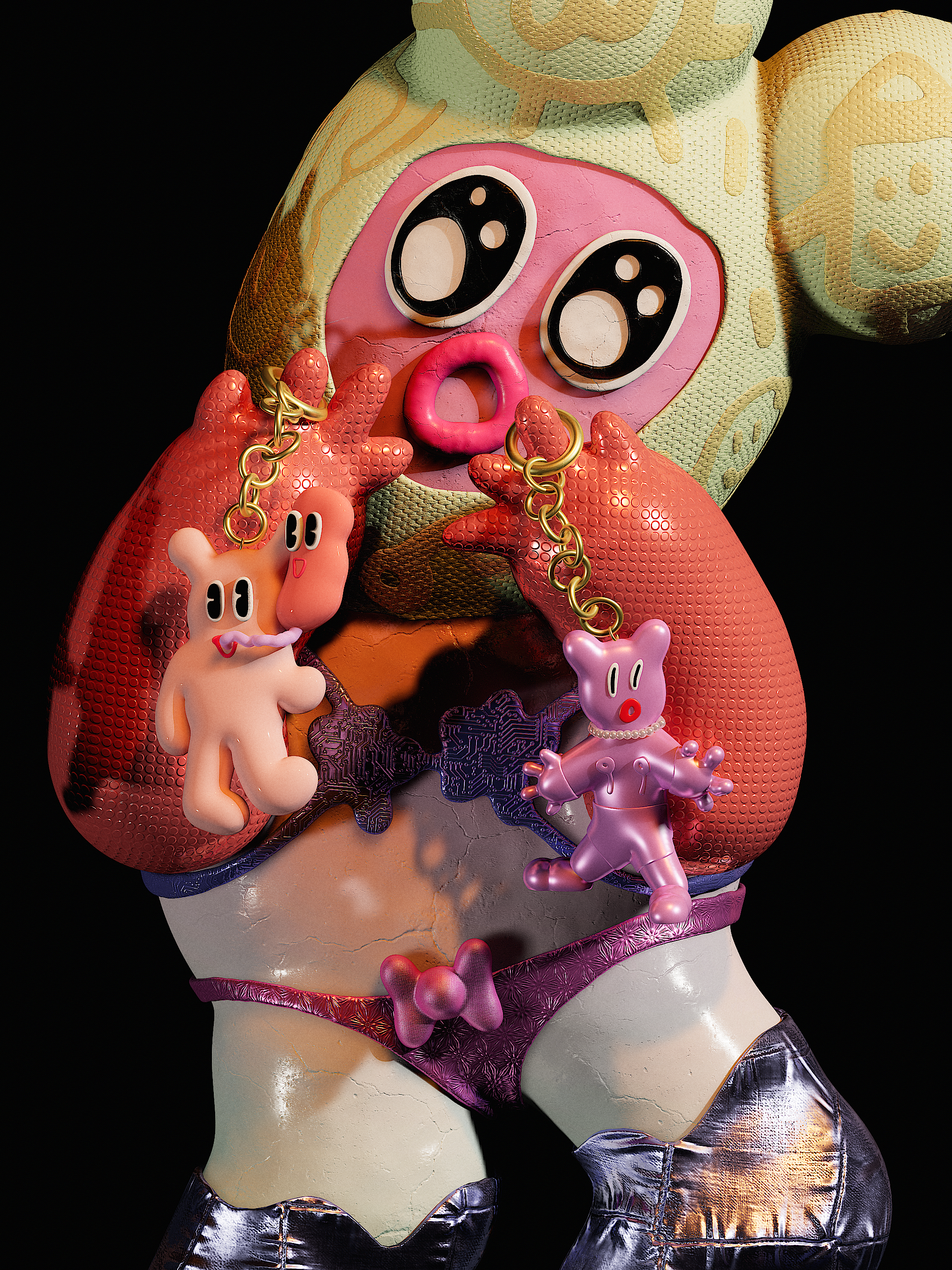
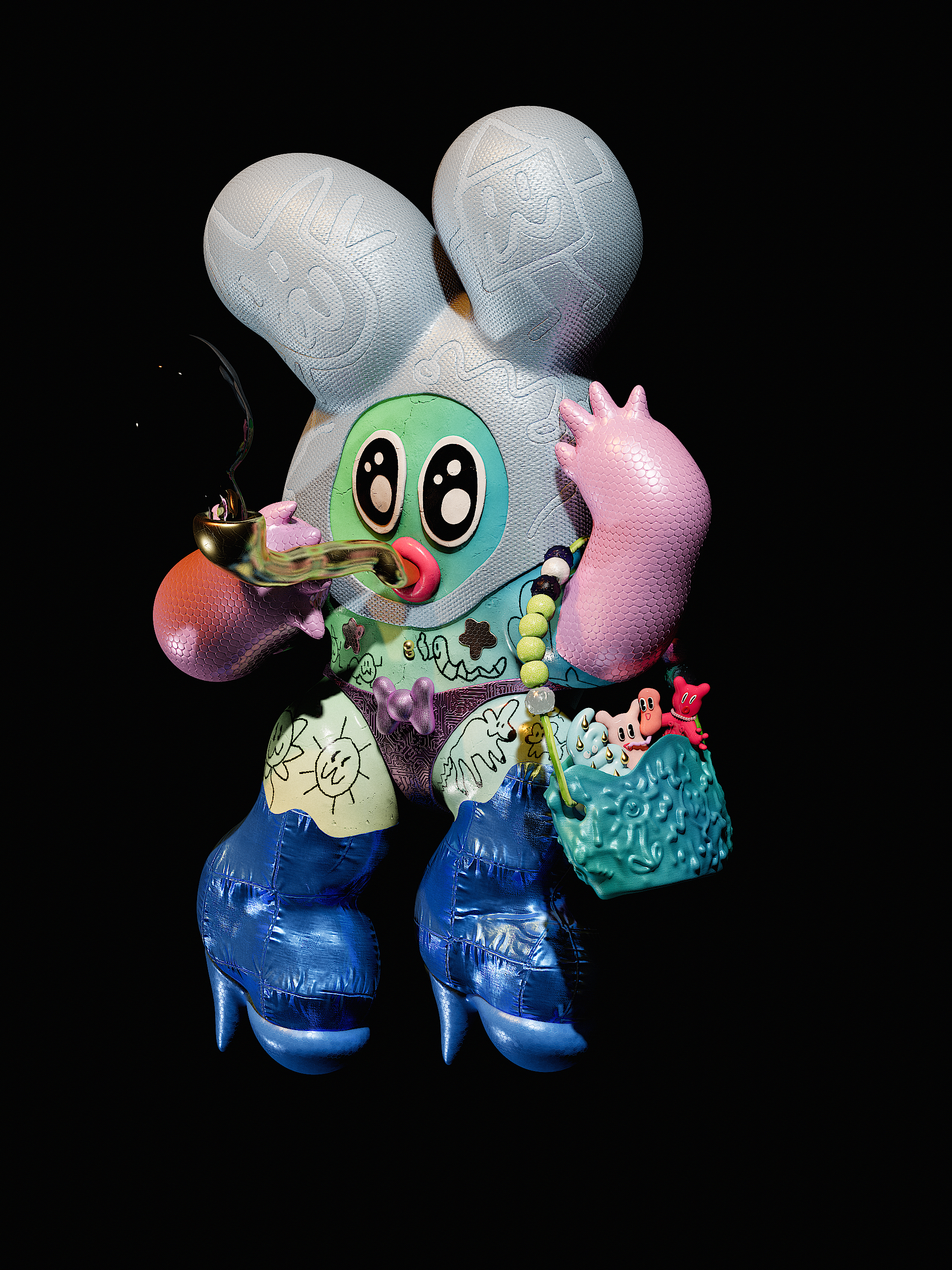
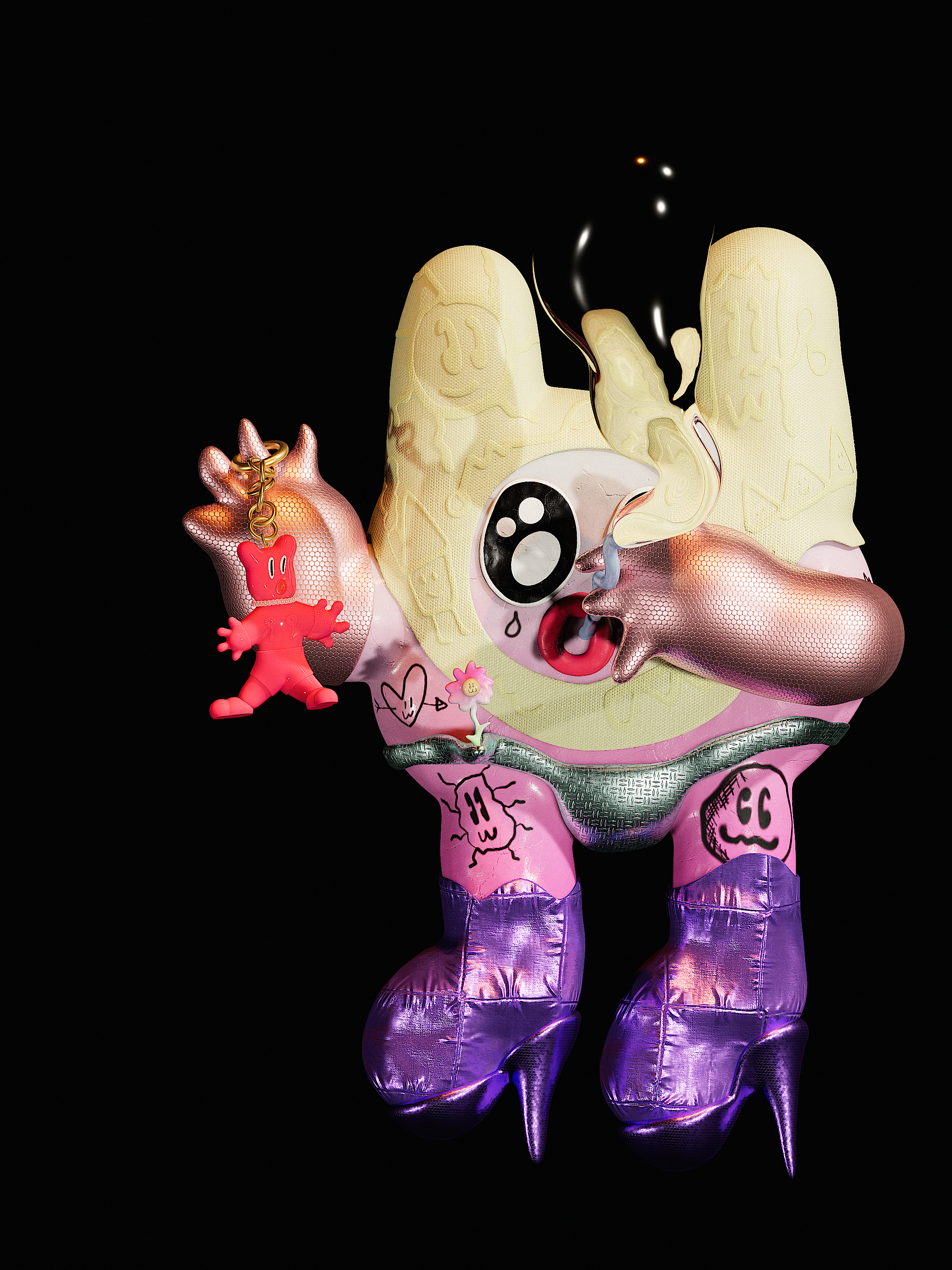
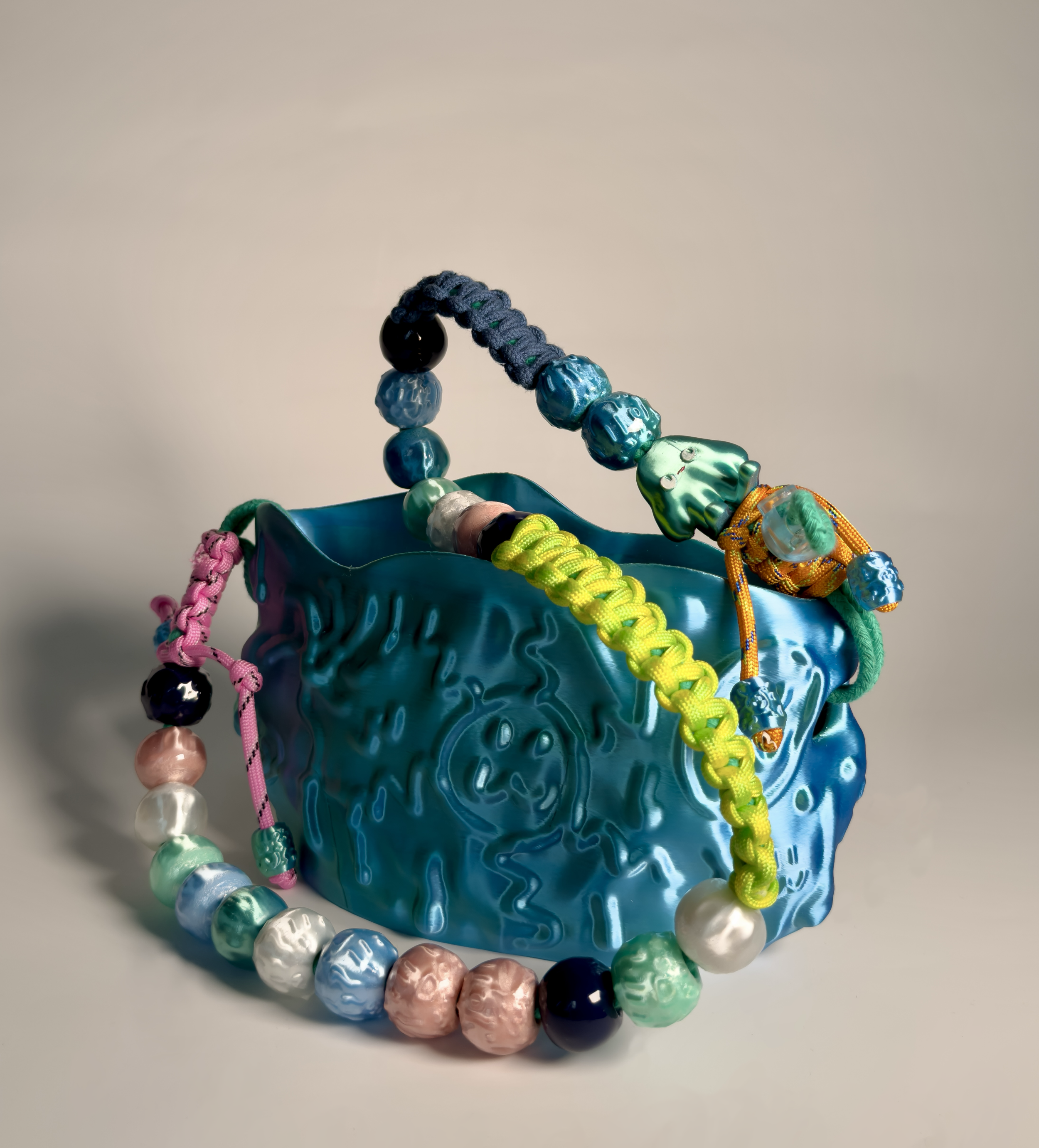
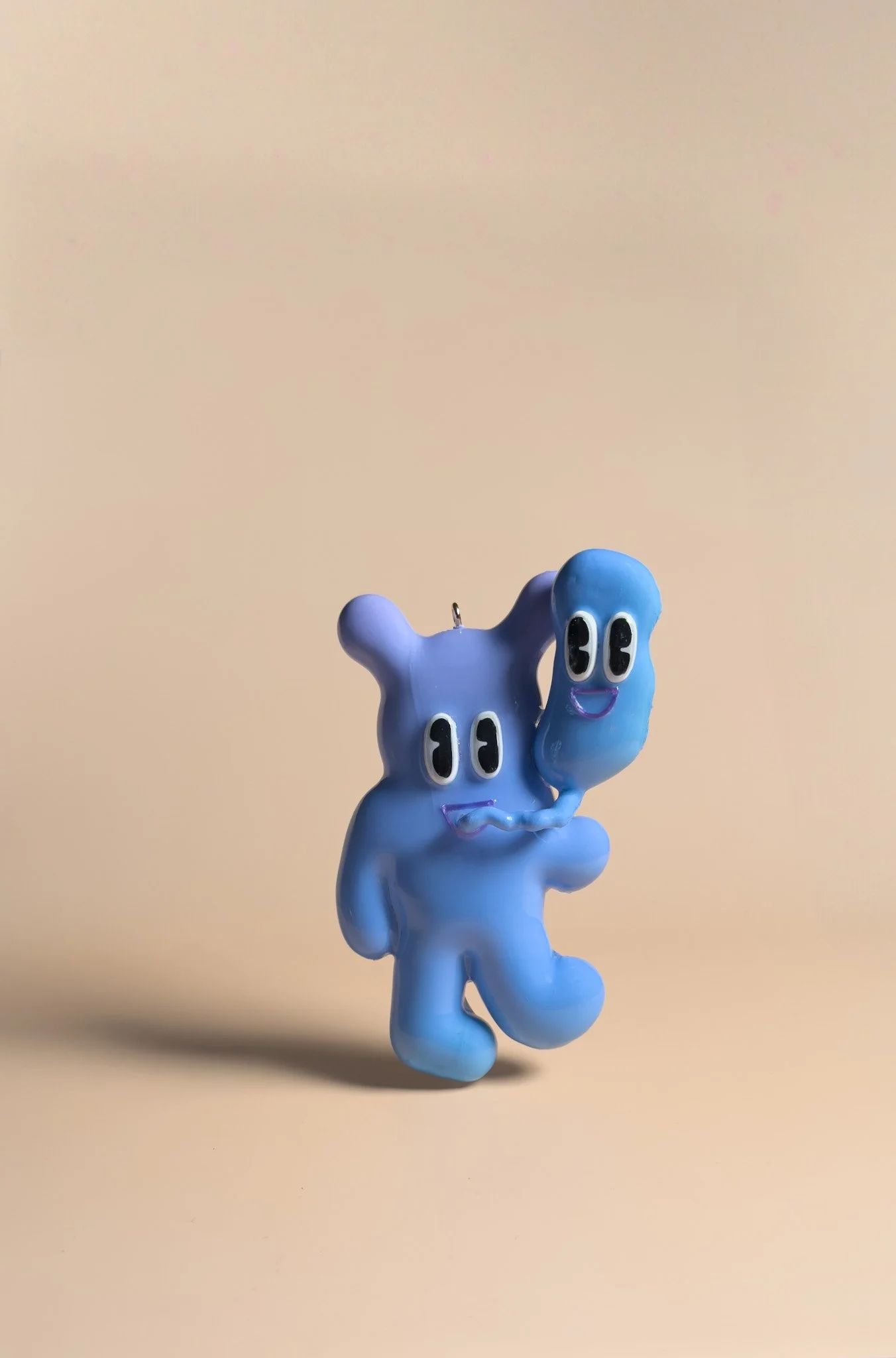
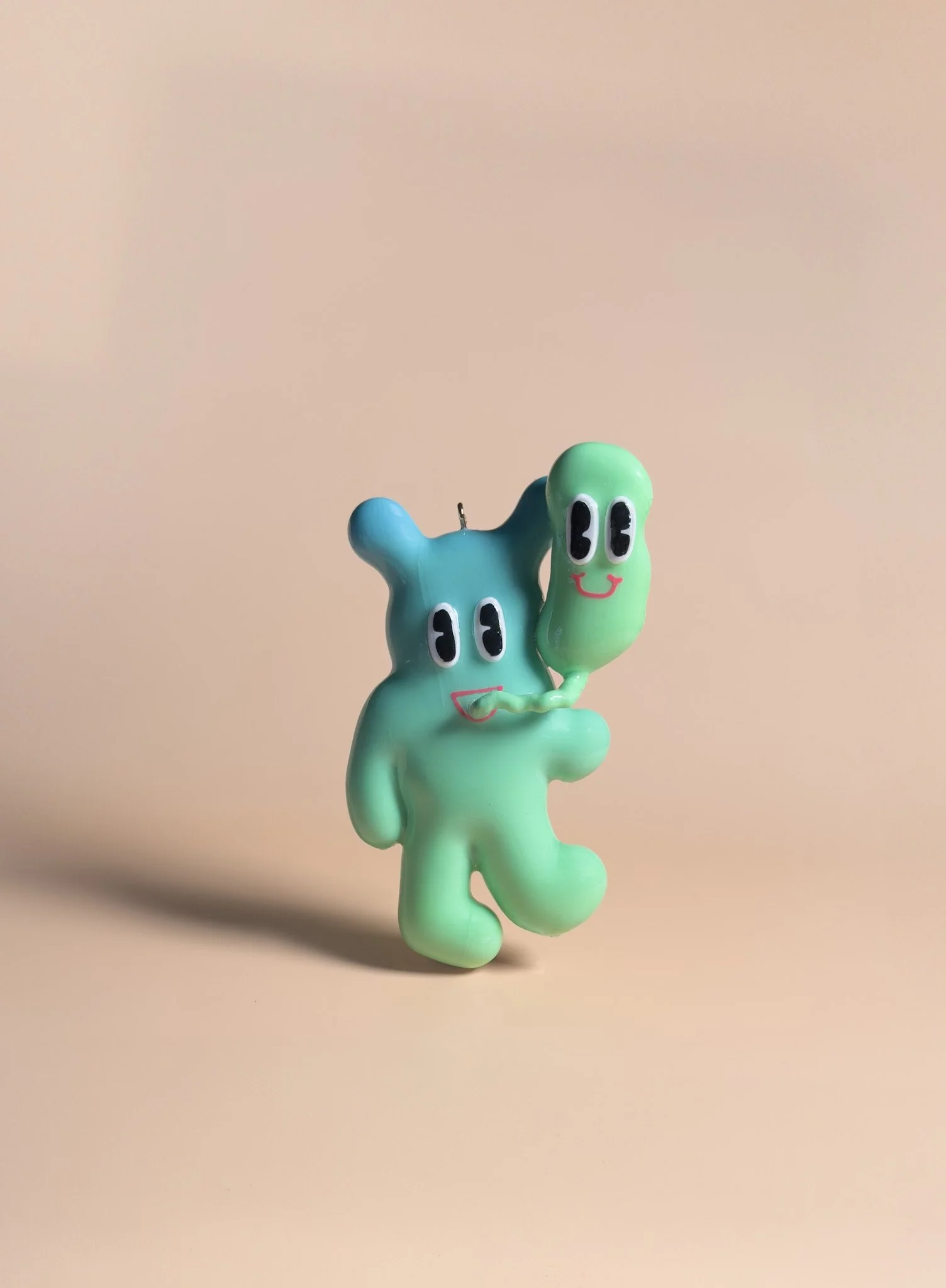
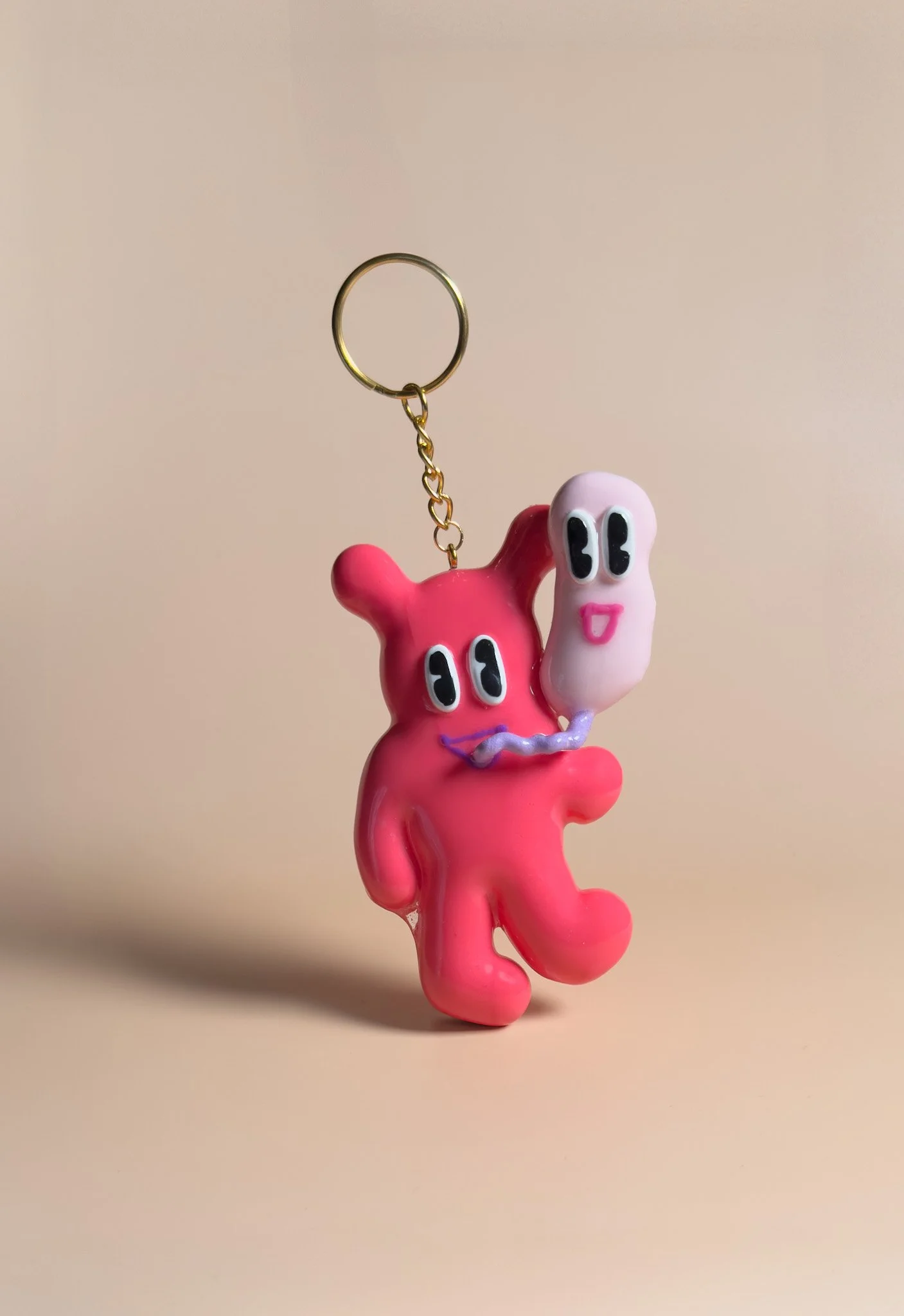
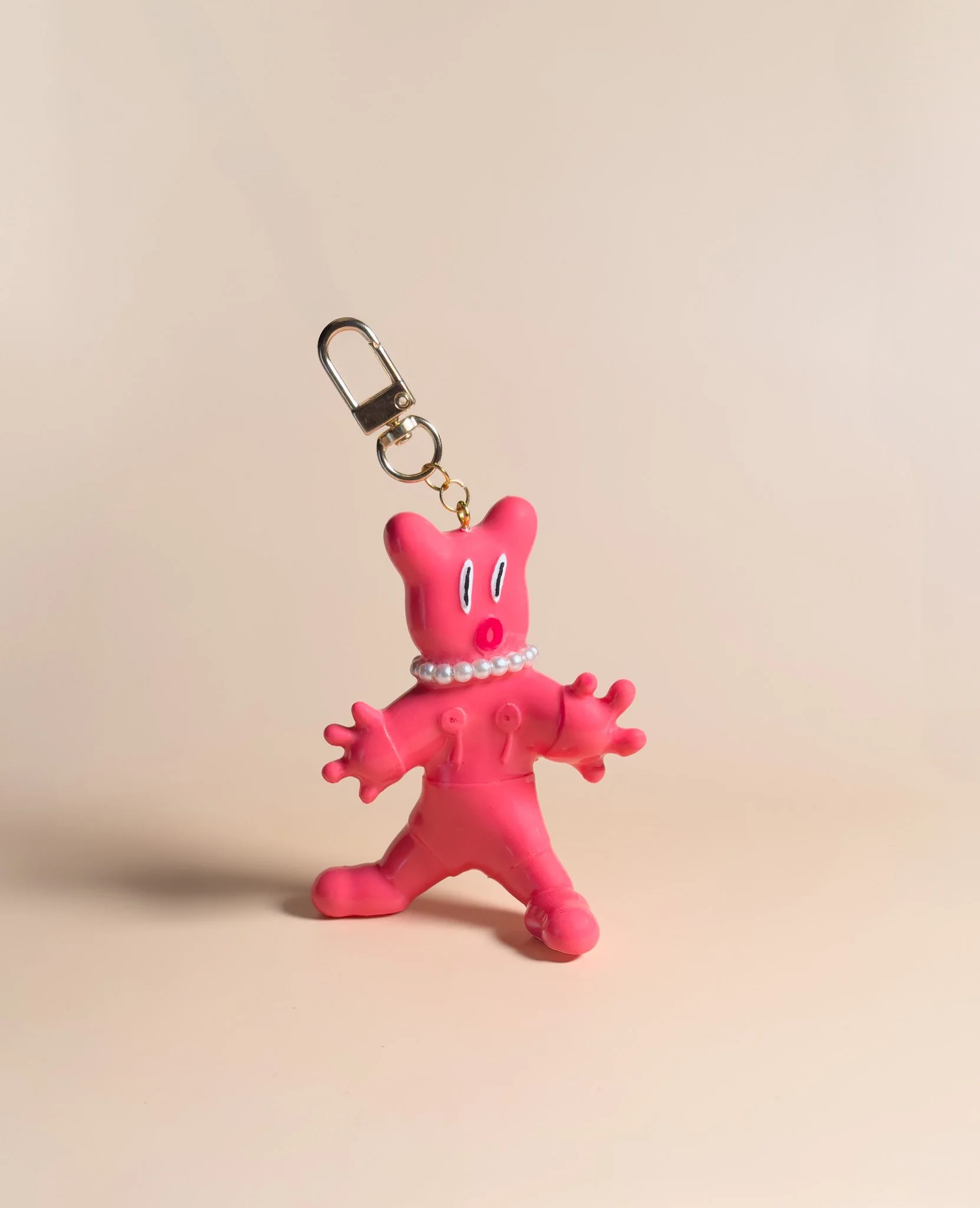
Jacopo Calonaci was born in Florence in 1989, the cradle of the Renaissance, and now works in Amsterdam — the bunkbed of art funding. He runs Studio Giggly, where he creates illustrations, 3D characters, and their tangible 3D-printed counterparts.
He studied at London’s College of Communication (2007–2008) and the Gerrit Rietveld Academie (2008–2012). His work has appeared in Digicult Magazine and DAMN Magazine and was featured in Current Obsession’s Fotocopy (2023). His prints have been exhibited and sold at art markets across the Netherlands, including The Kunstbar in The Hague, and are available online and through his Etsy store.
Years immersed in stark online imagery and relentless news cycles shaped his instinct to reclaim genuine tenderness — not the commercial kind used to sell cereal or candy, but a quiet, precise warmth capable of turning gloom into something unexpectedly delightful, like therapy cats in high-security prisons easing tension and sparking unlikely friendships.
Calonaci’s practice thrives on that small miracle. His creatures act as gentle catalysts: soft-spoken, slightly ridiculous ambassadors reminding us that human connection persists even when the world seems unlikely to remember.
When I was three, I overheard adults whisper about the “Monster of Florence,” a serial killer hiding in the Tuscan countryside. My toddler brain took it literally: a towering, fanged creature possibly lurking in my closet.
I drew him — first out of fear, then out of habit. Soon every city had its own creature, and fear gradually shifted into something approachable, even companionable. That early instinct still drives my work today. At Studio Giggly, I practice the same alchemy: turning unease, oddity, and overlooked anxieties into tenderness, humor, and small, disarming delights.
My creatures treat cuteness as a social force rather than a marketing strategy. I’m inspired by quiet transformations in unlikely places — like high-security prisons, where even the toughest inmates bond over the care of a single stray cat. A tiny whiskered diplomat can succeed where entire programs fail. This dynamic informs my work, shaping characters that soften edges, bridge distance, and invite people, often unconsciously, to share a moment of lightness.
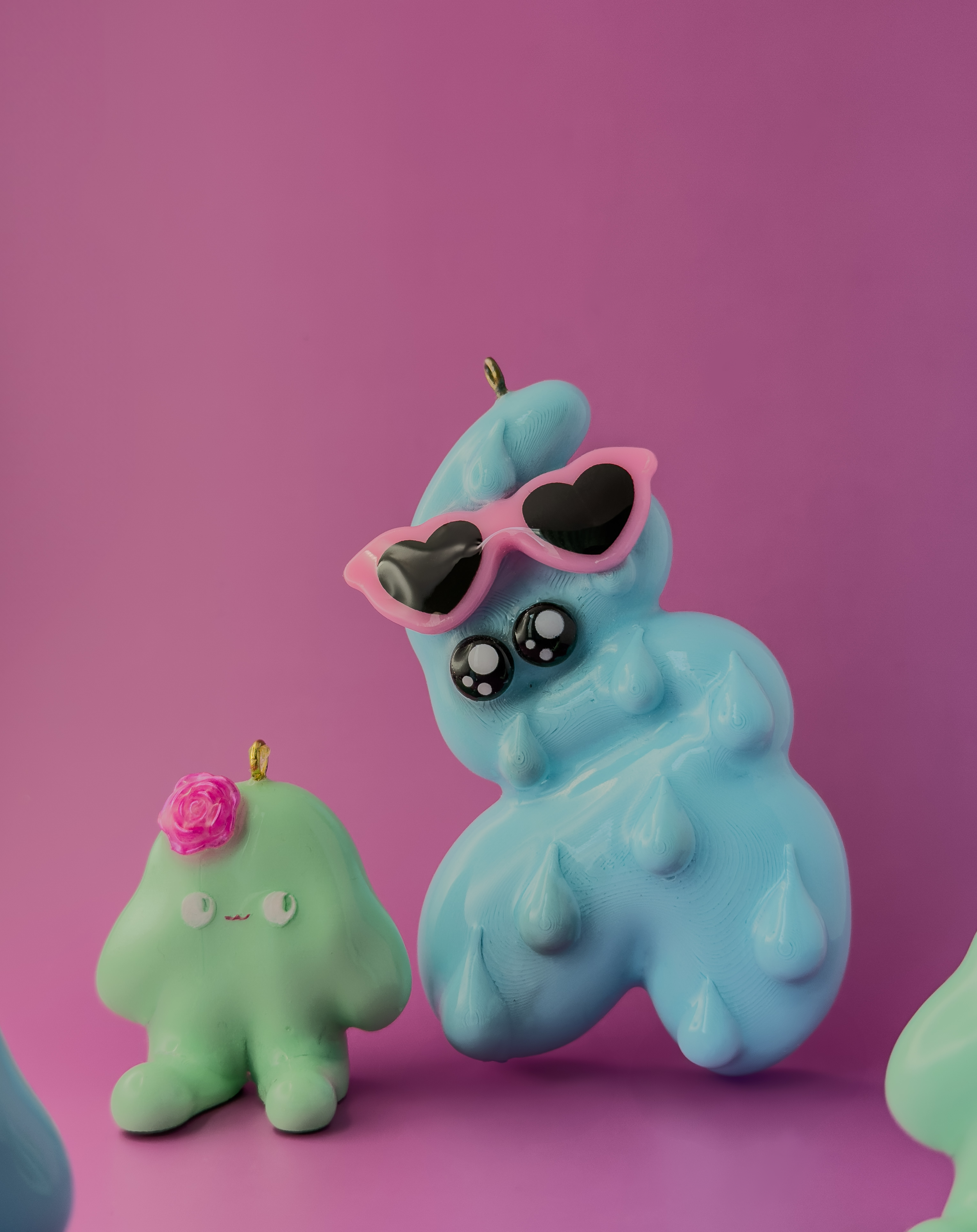
I work across illustration, 3D modeling, and 3D printing, blending digital tools with tactile materials to give each creature a physical presence. Whether pendant, print, or collectible, every piece is a miniature ambassador of warmth and wit — a reminder that tenderness has surprising power.
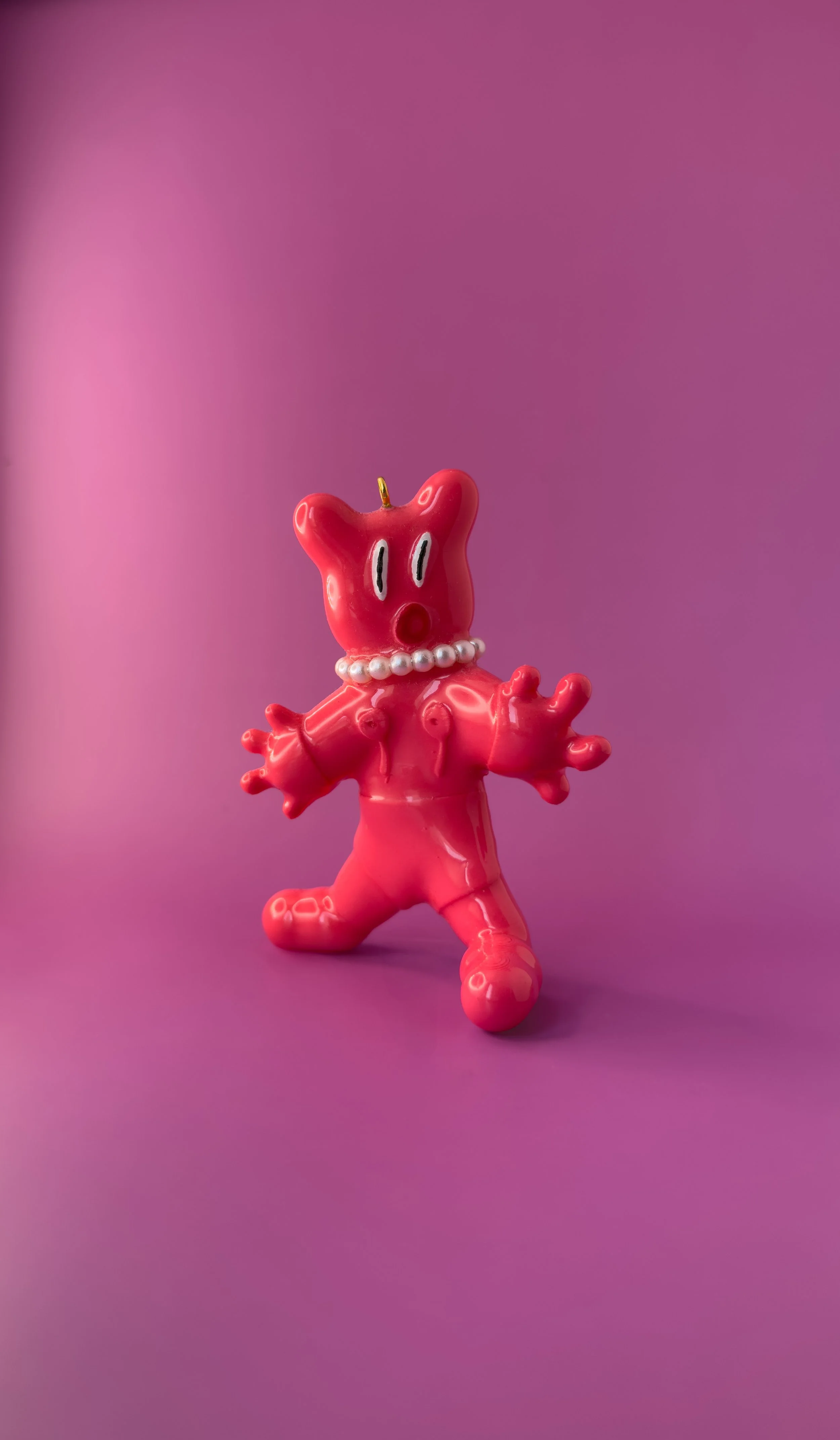
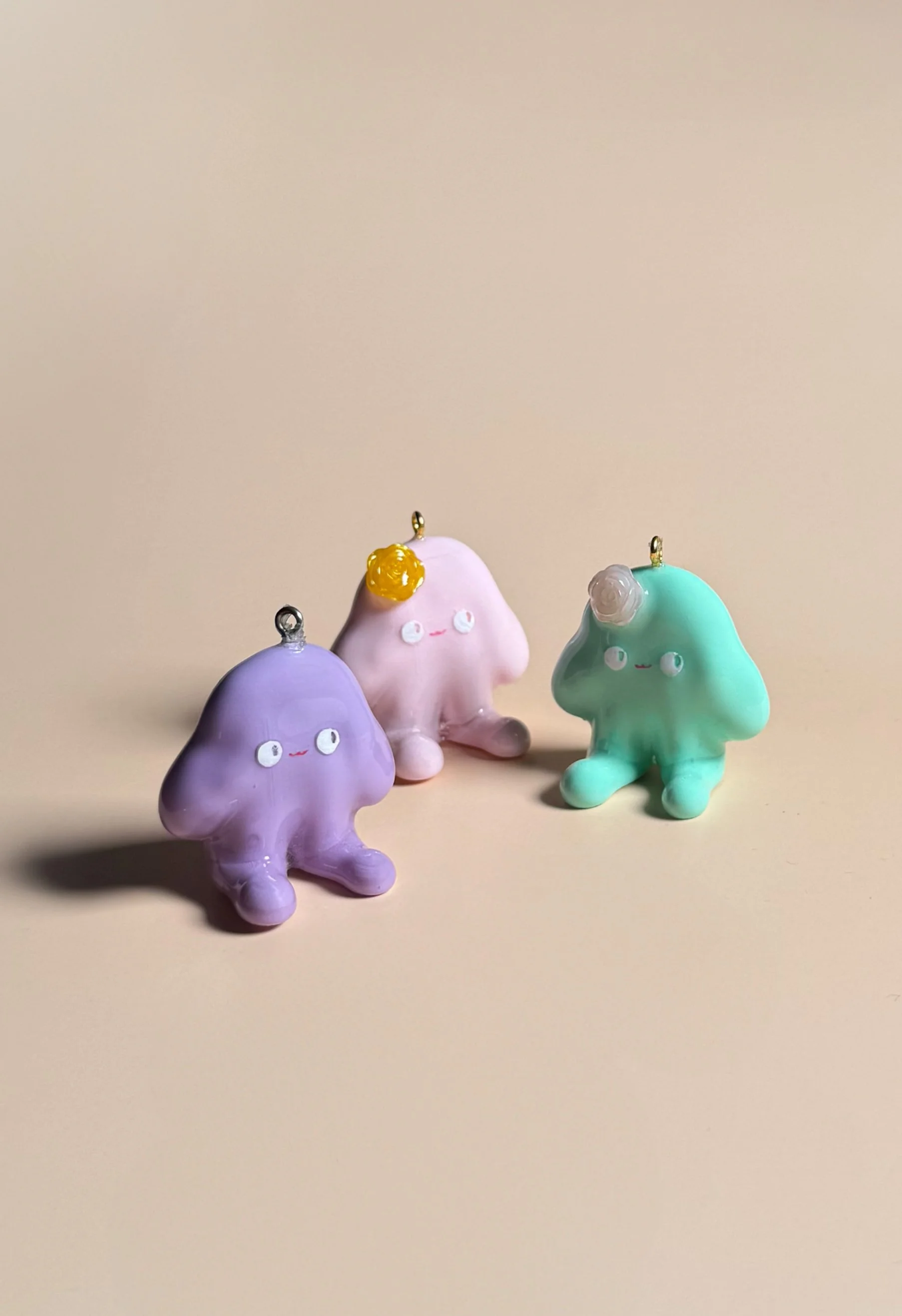
In the Digital Biomimicry Movement we don’t imitate the surface of the natural world, we rebuild nature’s logic into a digital landscape of our own making. Nothing is an accident. Everything is the outcome of underlying rules. While biodesign is often focused on material outcomes we propose that digital biomimicry is a key and evolving branch of biodesign practices. Where biodesign might combine creativity and biology to create a novel material using bacteria or micro algae, digital biomimicry plays with natural and biological rules within digital spaces, reconfiguring them to create something of nature, yet distinctly new.
Digital ecologies evolve from inputs we define: pressures, repetitions, attractors, noise. The results are then grown—artifacts that emerge from bespoke systems. Not human, not nature, something between. From this newly configured ecology: rings, masks, and sculpture arise. Not as copies of natural forms but as the outcomes of alternate natural laws. They are shaped by growth patterns that never existed in biology. Through additive manufacturing processes these digital forms take on physical life: evidence of a parallel evolution, a speculative ecosystem where nature is not only observed, but rewritten. These digital forms, made manifest, take root on the human body, shaping its physical architecture in ways foreign yet familiar.
Digital Biomimicry is not a mirror of the organic—it is a reimagining.