
NOF NATHANSOHN
“CODE&CRAFT”
2025
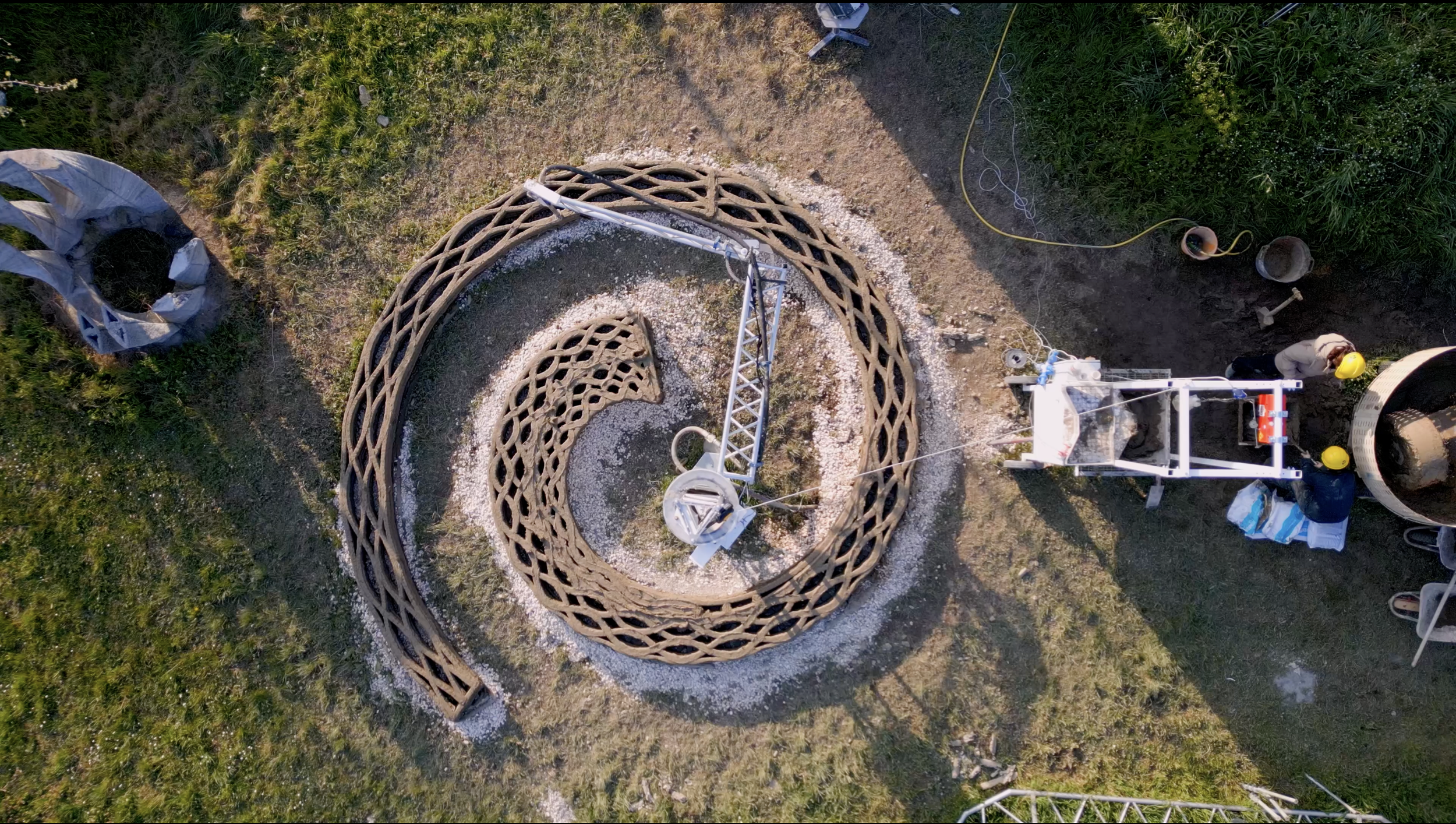
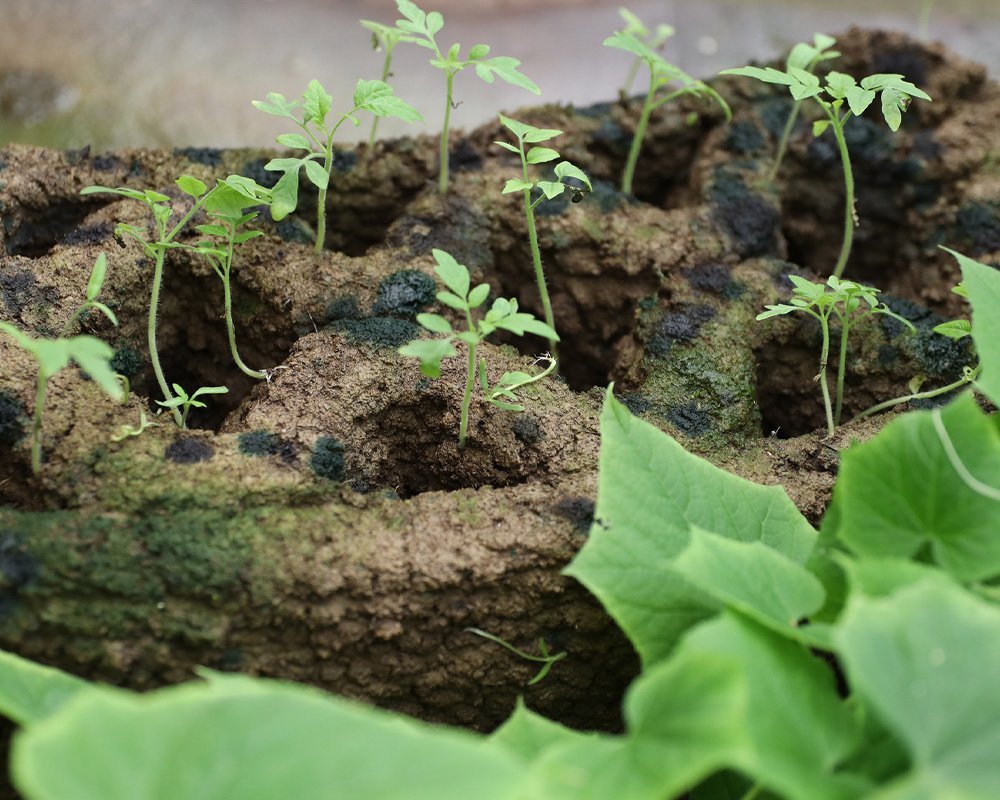
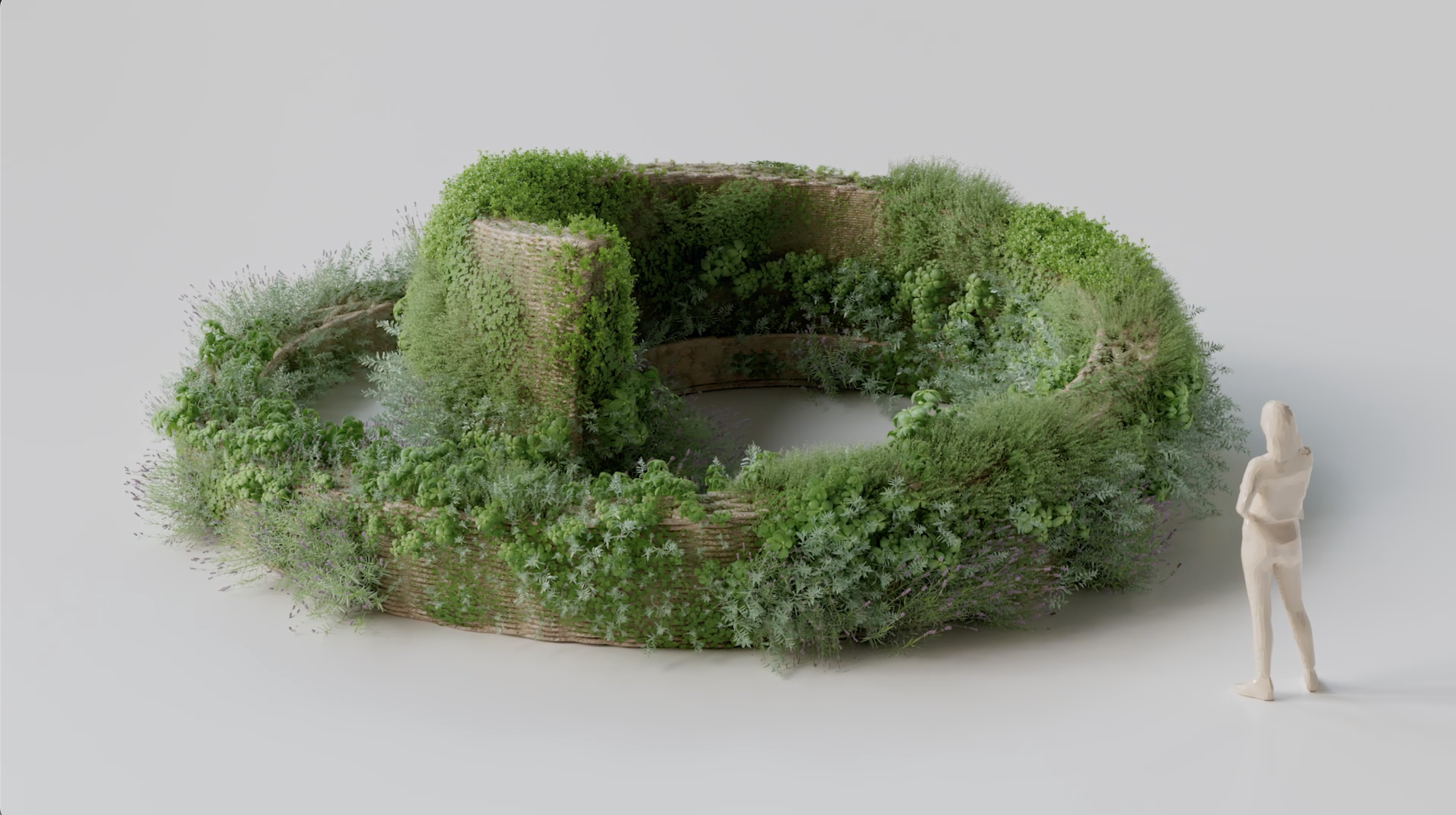
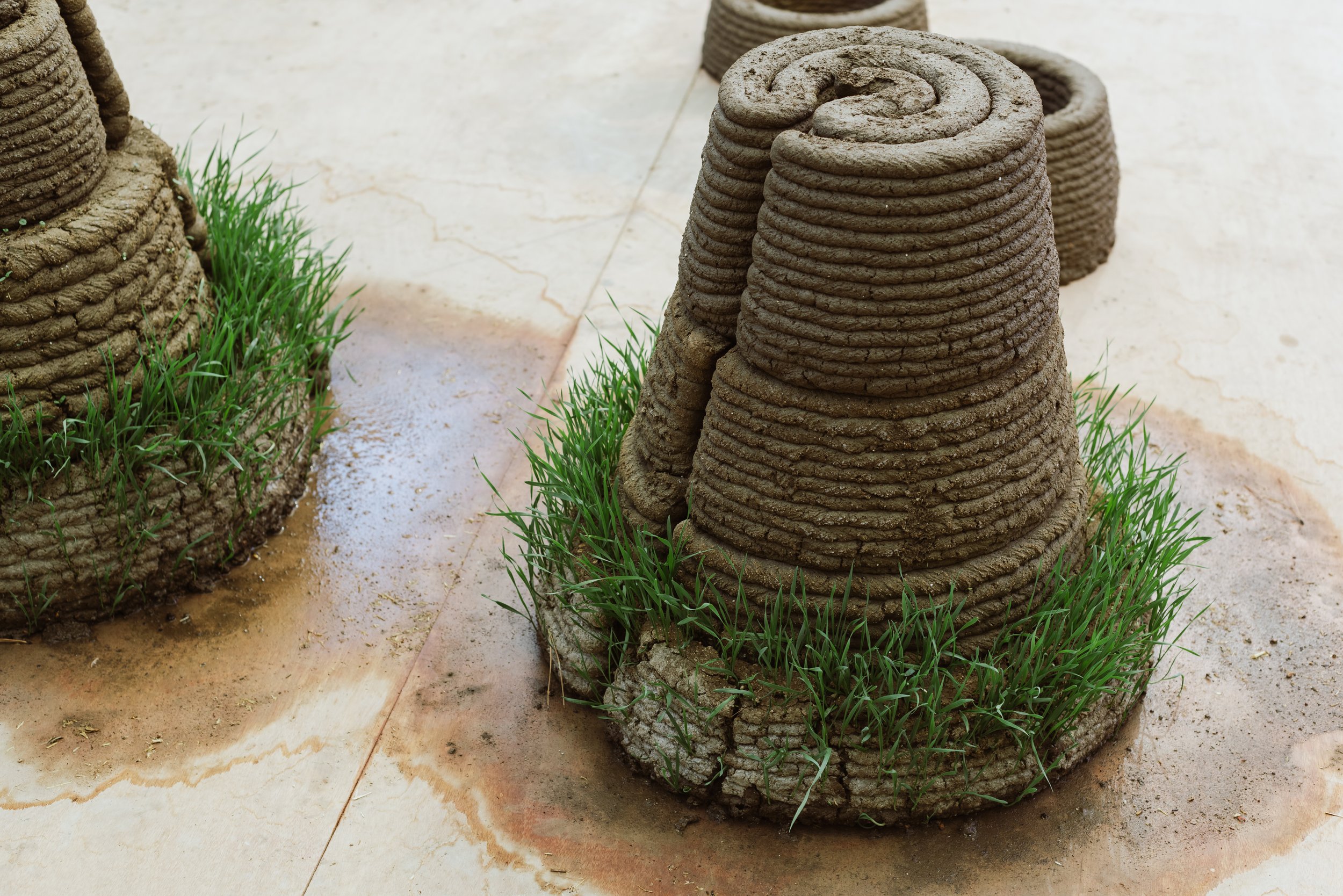
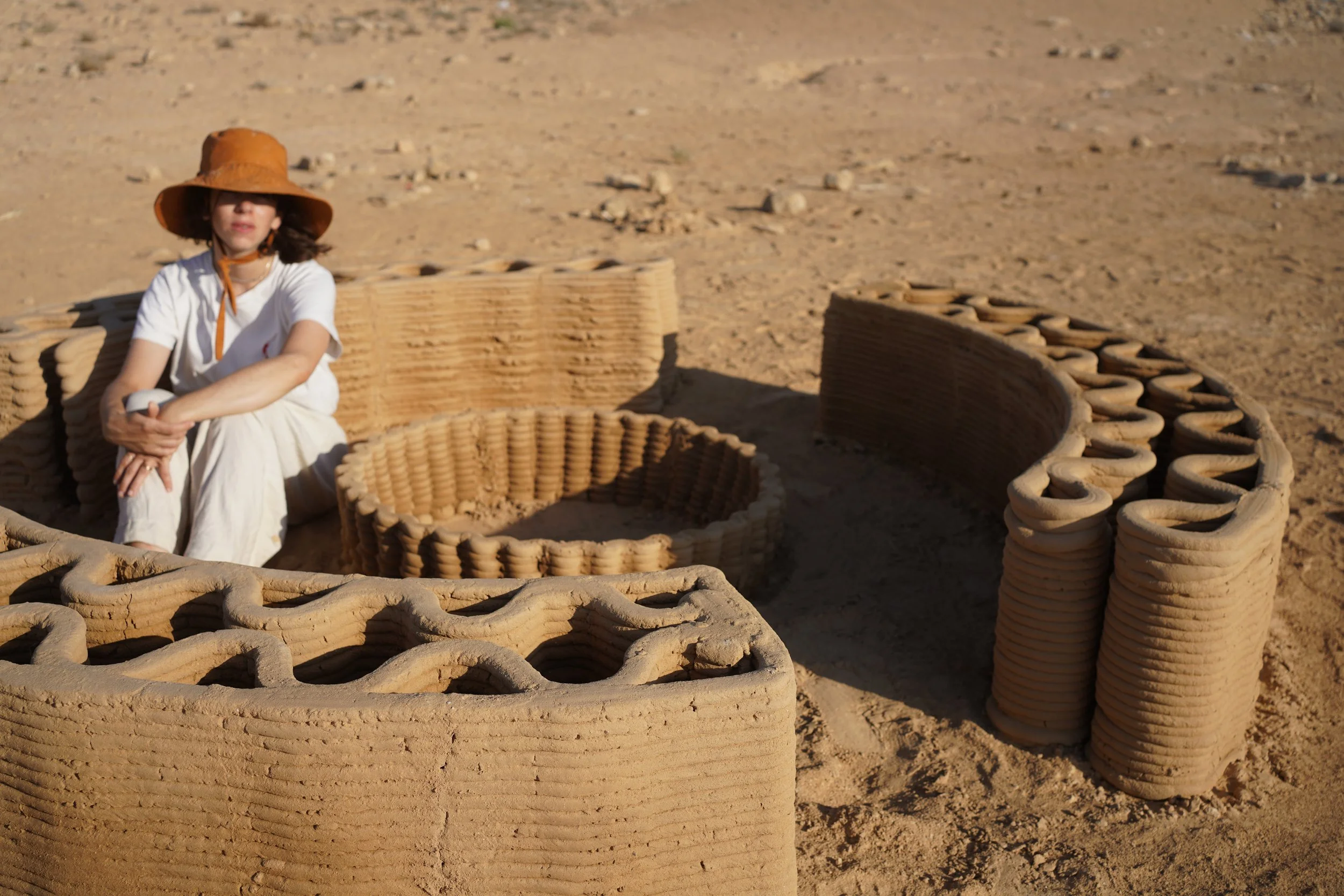
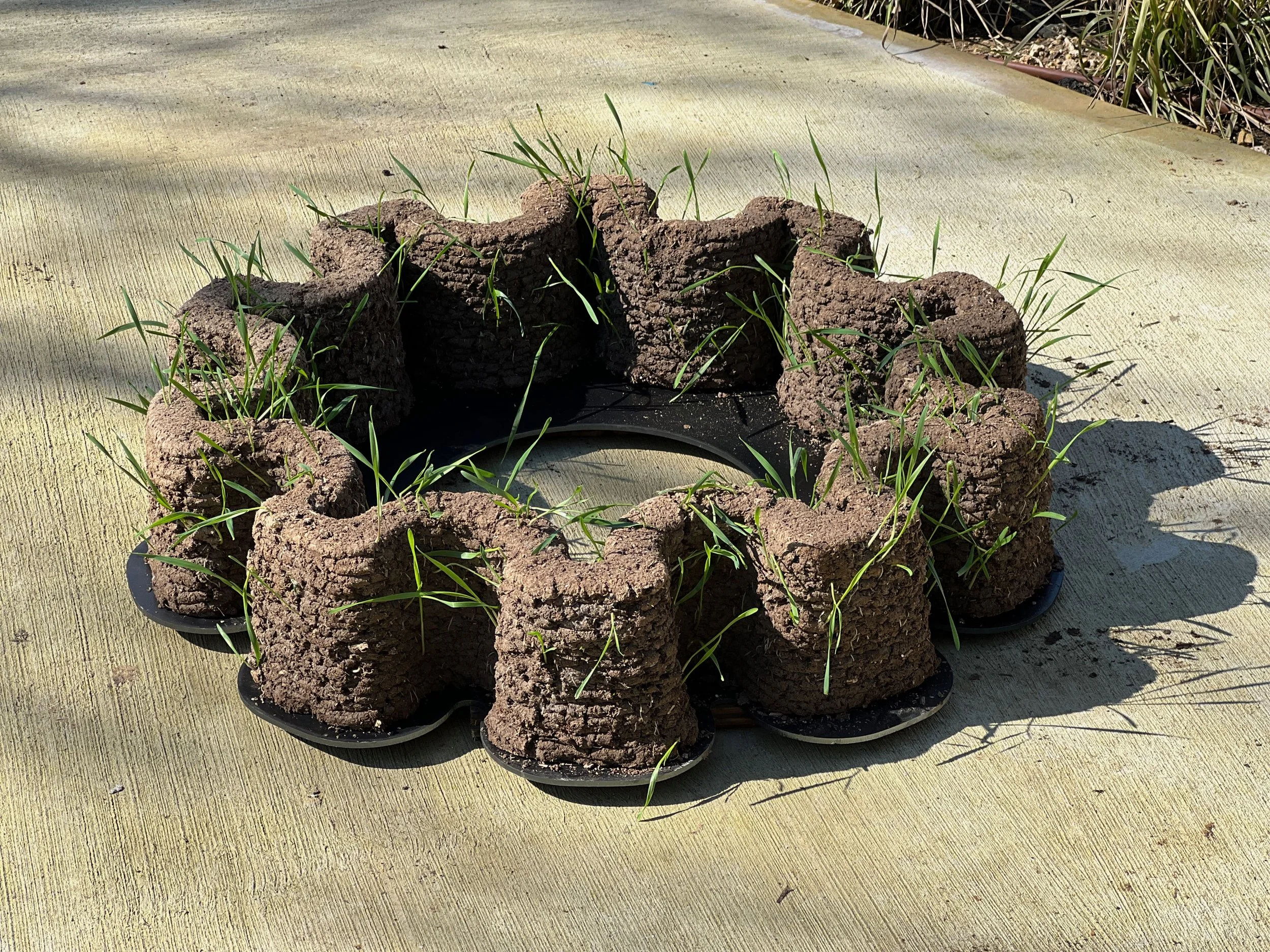
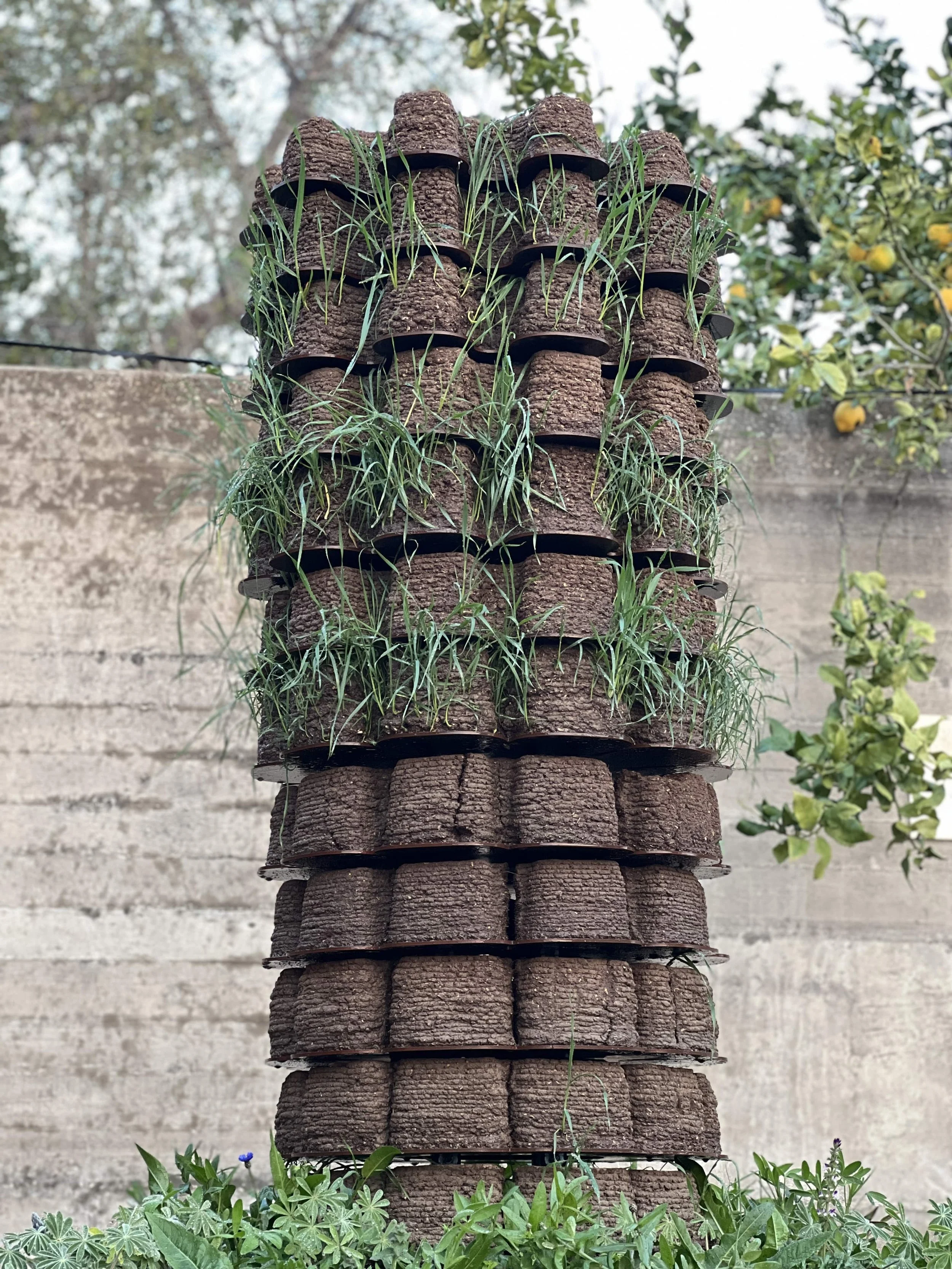
Nof Nathansohn is an architect, researcher, and designer completing a PhD in Design and Computation at MIT (USA). Her work explores the convergence of material ecology, computational design, and regenerative fabrication, asking how architecture can transform from a static structure into a living, evolving system. Nathansohn develops bio-integrated building materials and fabrication processes — most notably soil-and-seed 3D printing — where robotic extrusion of locally sourced earth embeds plant life that germinates and reinforces structures over time.
Bridging practice, research, and ecological imagination, her work has been presented internationally, including projects exhibited in Italy and Mexico, and has been featured in outlets such as Fast Company and ArchDaily. Prior to MIT, Nathansohn led the Computational Studies Unit at the Negev School of Architecture (SCE) and collaborated with cross-disciplinary labs to advance sustainable fabrication methods.
Rooted in both craft and computation, her practice centers on designing with living systems — treating matter as active, intelligent, and capable of growth. Through robotics, material experimentation, and speculative prototyping, Nathansohn envisions future architectures that participate in ecological cycles rather than extract from them.
“I explore ways for architecture to be grown rather than built — where code and craft allow
materials to act, adapt, and come alive. I see design as a collaboration with matter, not a
mastery over it.”
My work asks a simple but radical question: What if buildings could grow?
As an architect and researcher, I investigate how computational design and material craft can come together to create living, evolving, and ecologically entangled forms of architecture. Rather than treating matter as passive and inert, I approach materials as collaborators — agents with their own behaviors, timelines, and capacities for transformation.
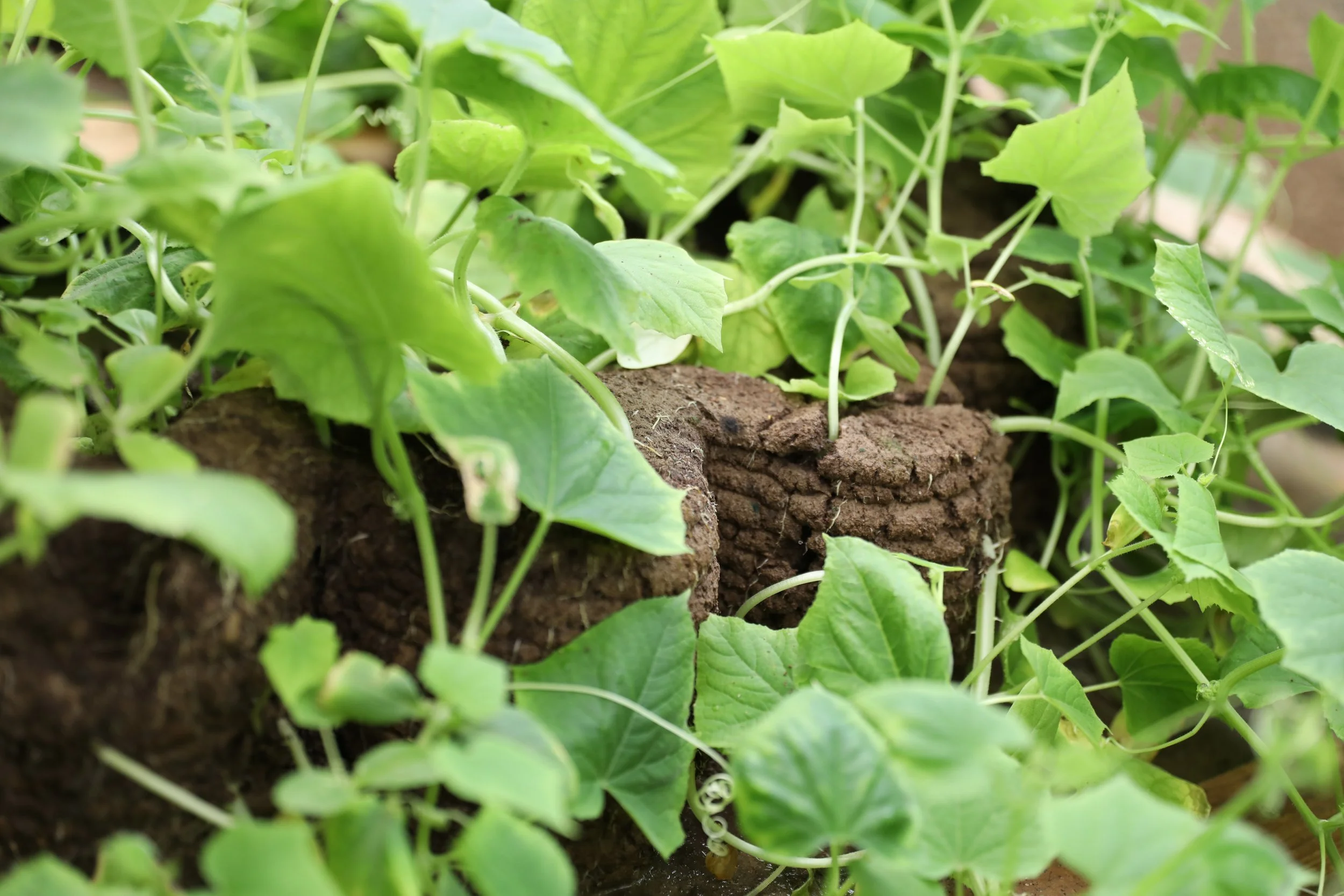
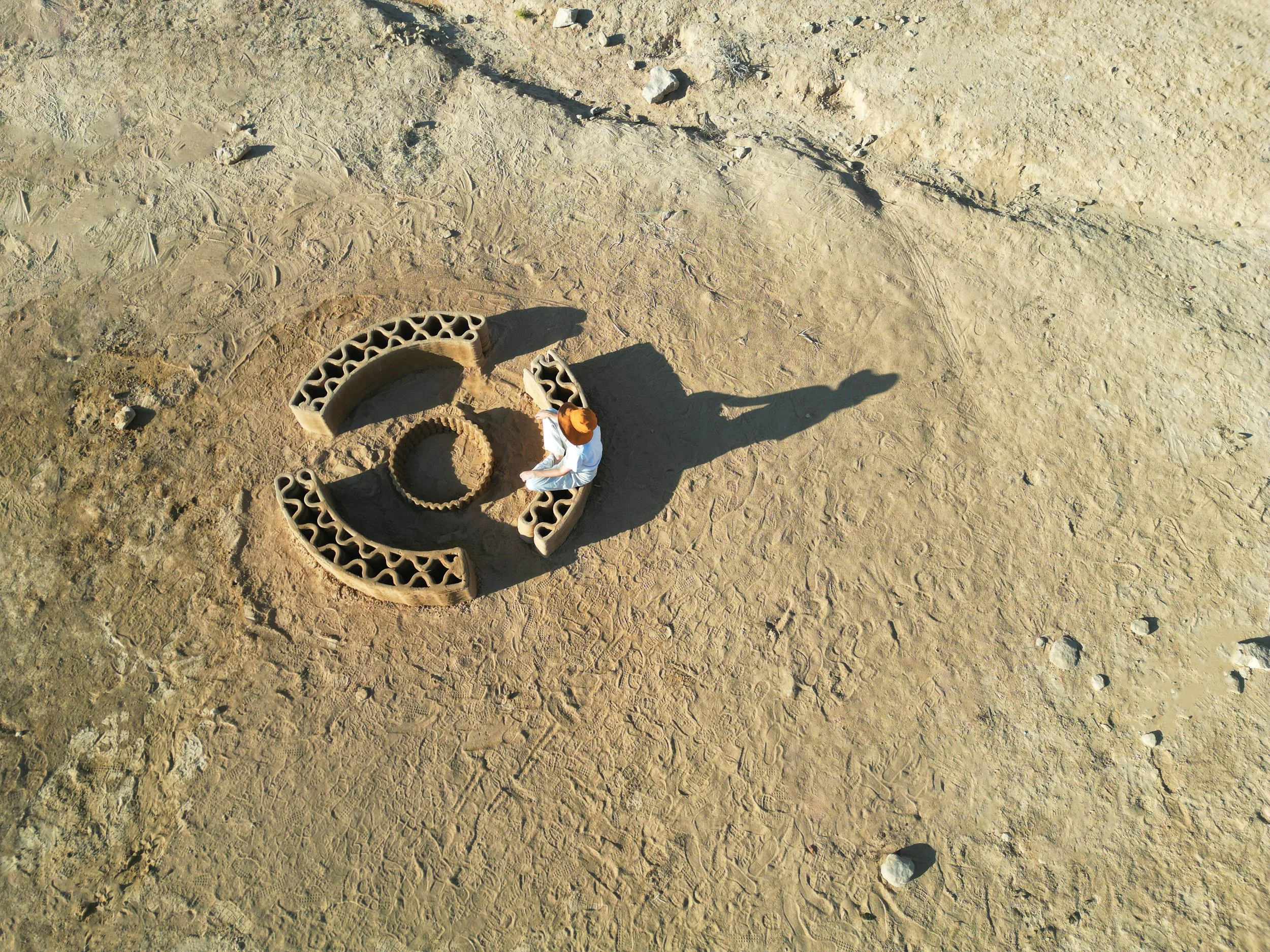
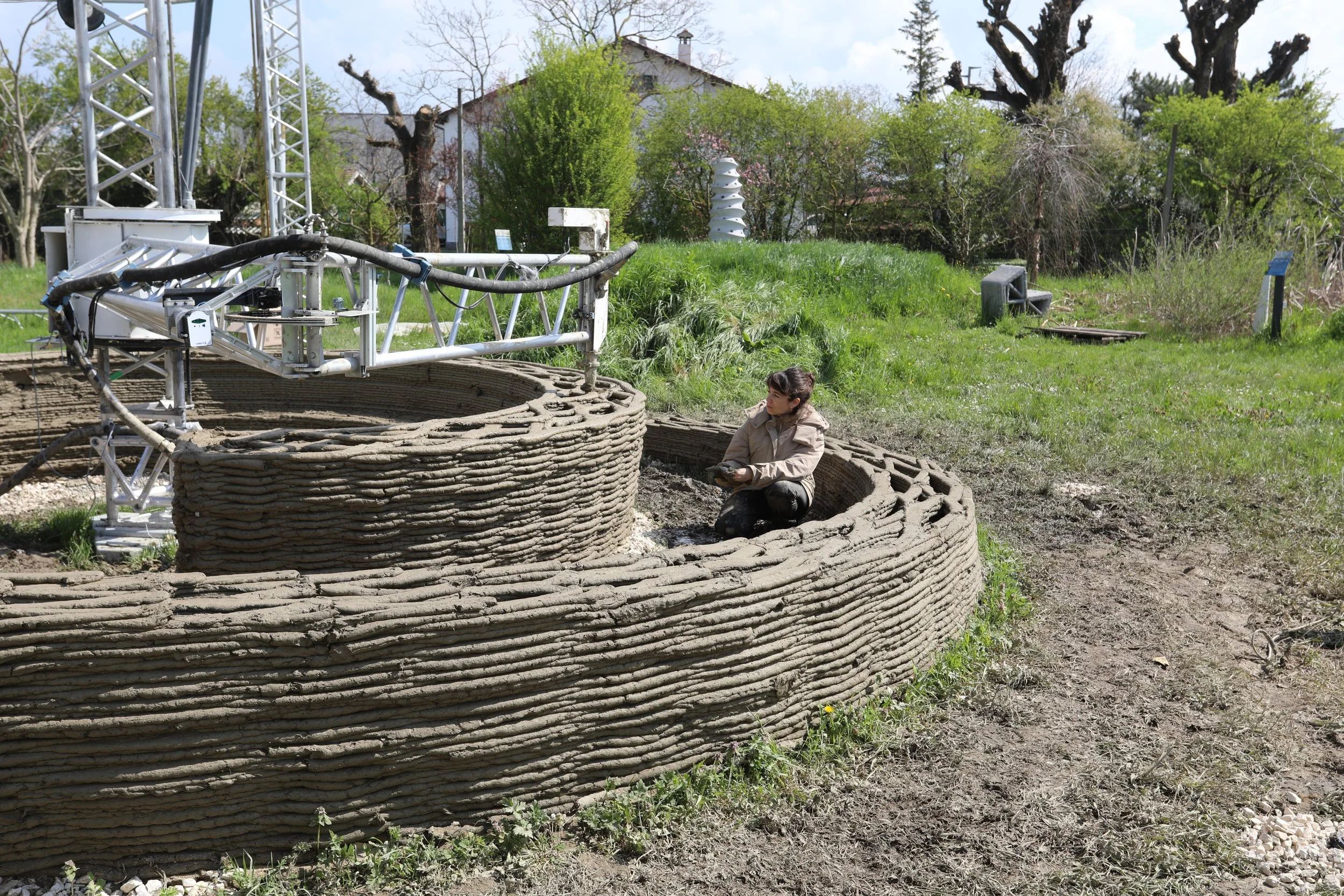
At the center of my practice is soil-and-seed 3D printing: a fabrication method in which robotic tools extrude locally sourced earth infused with seeds. Over time, the printed forms germinate, root, stabilize, and reshape themselves as plants grow through and around the material. Here, code does not dictate a final object — it encodes a process of becoming. The artifact is not the end point but the beginning of an unfolding exchange between design, environment, and life.
Working with robots and soil side-by-side, I am drawn to the tension between precision and uncertainty. Robotics enables control, pattern, and repeatability; seeds introduce chance, agency, and ecological time. This duality reflects my intention: to design systems that invite nature in instead of sealing it out.
In the context of Code & Craft, my work reimagines fabrication as a regenerative act — where technological tools amplify material intelligence rather than override it. I explore how computational methods can cultivate empathy toward the non-human and open new spatial relationships between humans, materials, and ecosystems. Through installations, prototypes, and research, I seek architectures that do not merely reduce harm, but actively contribute to ecological repair.
Ultimately, I aim to shift architecture from extraction to cultivation — from manufacturing objects to growing environments that breathe, root, and evolve.