NINA SABINA CABALLERO
Cluster Contemporary Jewellery
”AMALGAM”



Nina Sabina Caballero is a Finnish AI artist, AI filmmaker, creative technologist, and curator whose practice explores the convergence of classical aesthetics and emerging technologies. Working across still and moving image, she employs artificial intelligence as a creative medium to investigate authorship, identity, memory, and the evolving relationship between human imagination and machine intelligence.
Influenced by Renaissance painting and the dramatic language of chiaroscuro, Caballero creates cinematic visual narratives that draw upon mythology, fashion, and symbolism. Her work navigates the space between historical artistic traditions and computational image-making, producing contemporary allegories where light, form, and narrative become vehicles for exploring the human condition. Rather than treating AI as an autonomous author, she approaches it as an artistic collaborator—one that expands the expressive possibilities of creative practice while remaining guided by human vision.
Central to Caballero's practice is storytelling and world-building. Her projects unfold as interconnected visual universes where mythology, speculative futures, and cultural memory converge, inviting viewers into immersive narratives that extend beyond individual works. Drawing from both historical symbolism and contemporary technological imaginaries, she constructs cinematic worlds inhabited by archetypal figures and evolving identities, using AI as a medium for narrative exploration rather than image generation alone. Each body of work functions as a chapter within a broader artistic ecosystem, where fiction becomes a lens through which to reflect on humanity, transformation, and our relationship with emerging technologies.
Alongside her studio practice, Caballero develops curatorial initiatives and international collaborations that examine the cultural impact of generative technologies. Her work advocates for a thoughtful, human-centred approach to AI, fostering dialogue between artists, cultural institutions, and the creative industries while contributing to the evolving discourse surrounding contemporary digital art and AI cinema.
Her work has been exhibited internationally, reflecting an ongoing investigation into how emerging technologies can reinterpret the visual language of art history for the twenty-first century.





“Images are among humanity's oldest forms of thought. Through them we remember, imagine, question, and continually redefine what it means to be human.
My work is founded on the belief that art is a way of thinking. I create visual mythologies that explore beauty, cultural memory, and the evolving human condition. Rather than depicting reality, I construct speculative worlds where history, mythology, and imagination converge, inviting reflection on who we are, what we value, and the futures we choose to imagine.
Grounded in a humanist tradition inspired by Renaissance thought, I approach beauty as a form of knowledge and the image as a vessel for memory, philosophy, and transformation. Symbolic narrative, chiaroscuro, and mythological structures inform my visual language—not as historical references, but as enduring ways through which humanity has sought meaning across cultures and generations.
My work moves fluidly between generative image-making, moving image, and painting, treating each medium as part of the evolving language through which humanity imagines itself. Technology is not the subject of my work, but one medium within a much longer history of image-making. The tools change; the questions remain.
I believe art does more than reflect culture—it participates in shaping it. The images we create today become part of the cultural memory through which future generations will understand who we were, what we valued, and what we believed was possible.”

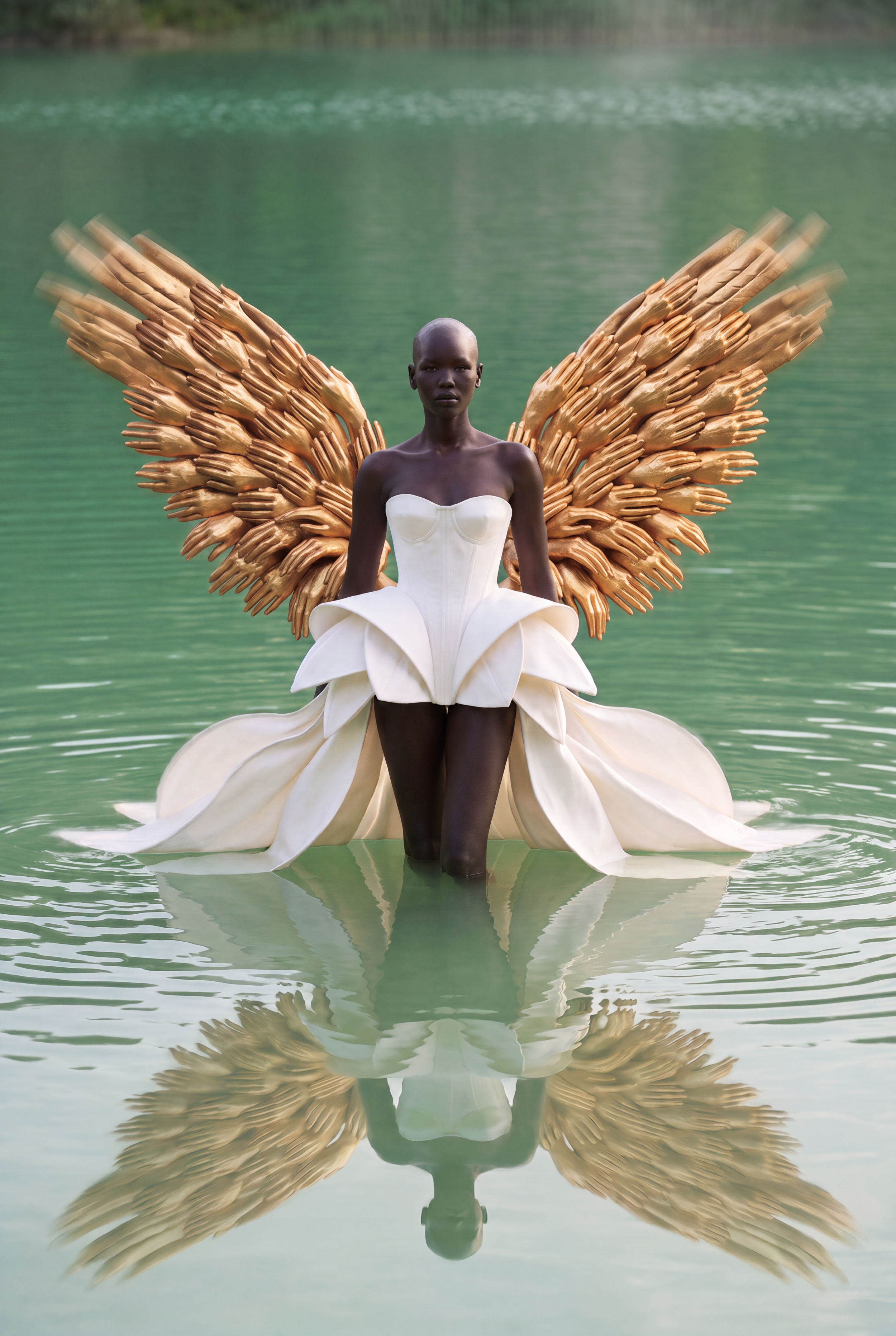




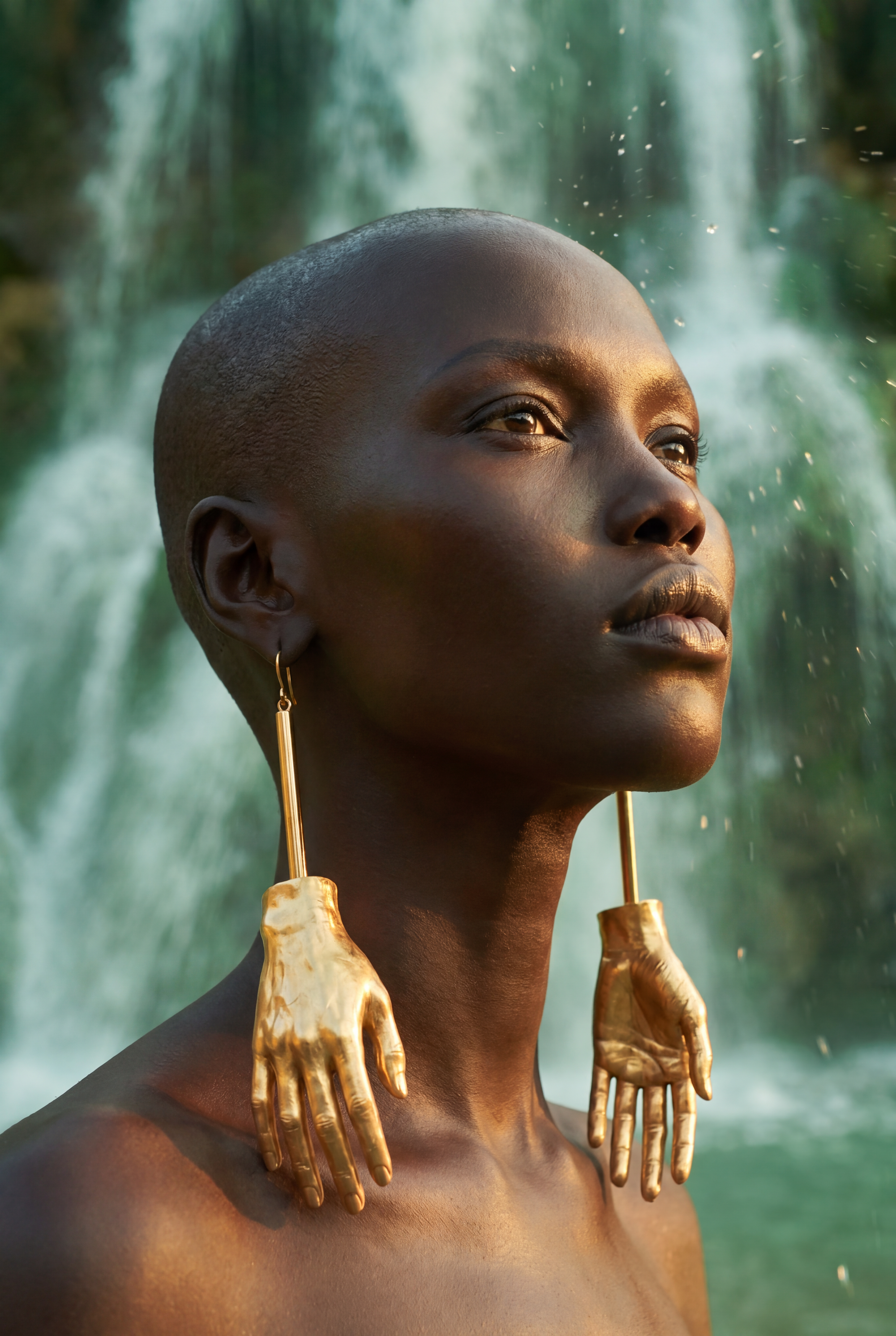
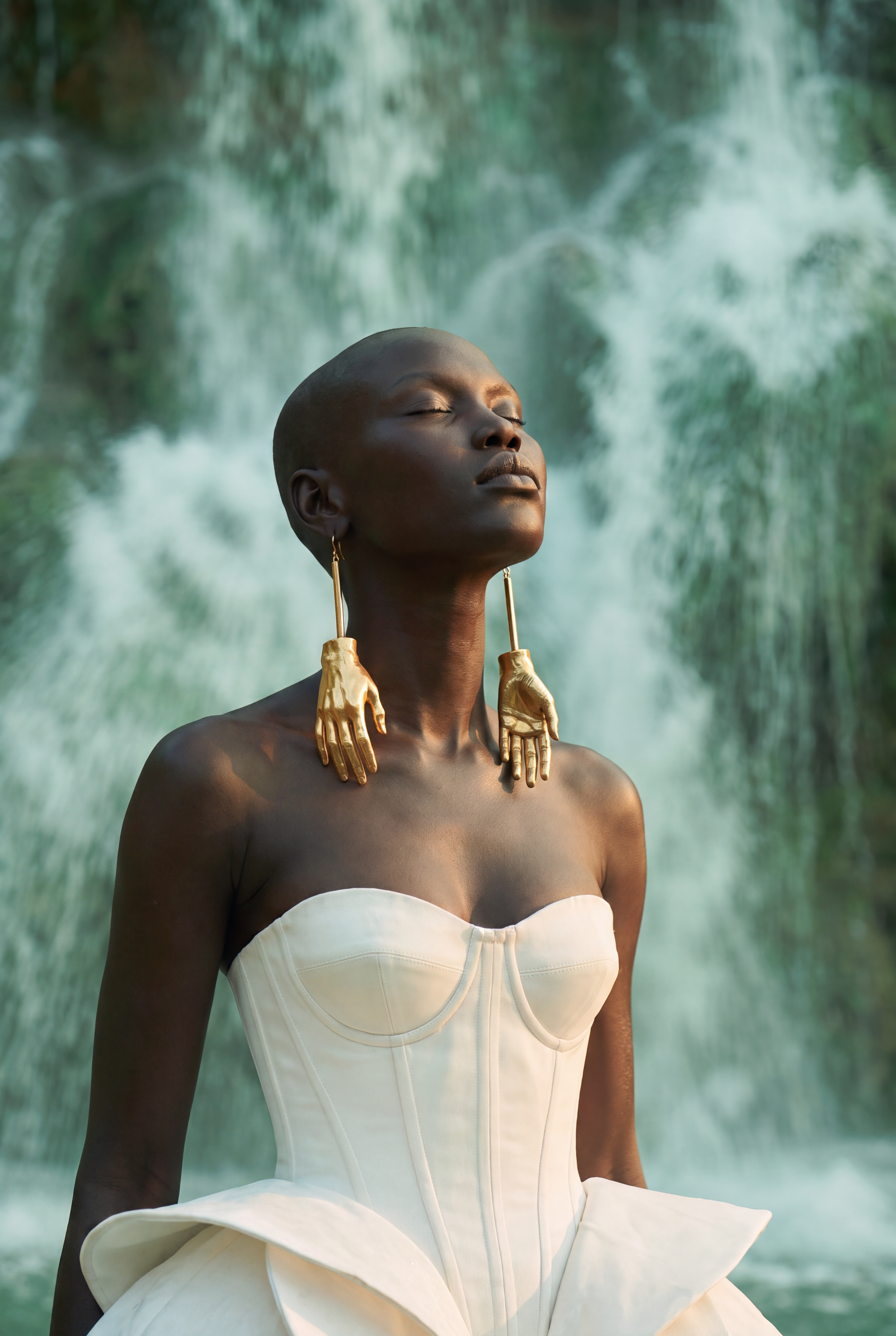

GOLDEN HANDS — Rituals of Adornment
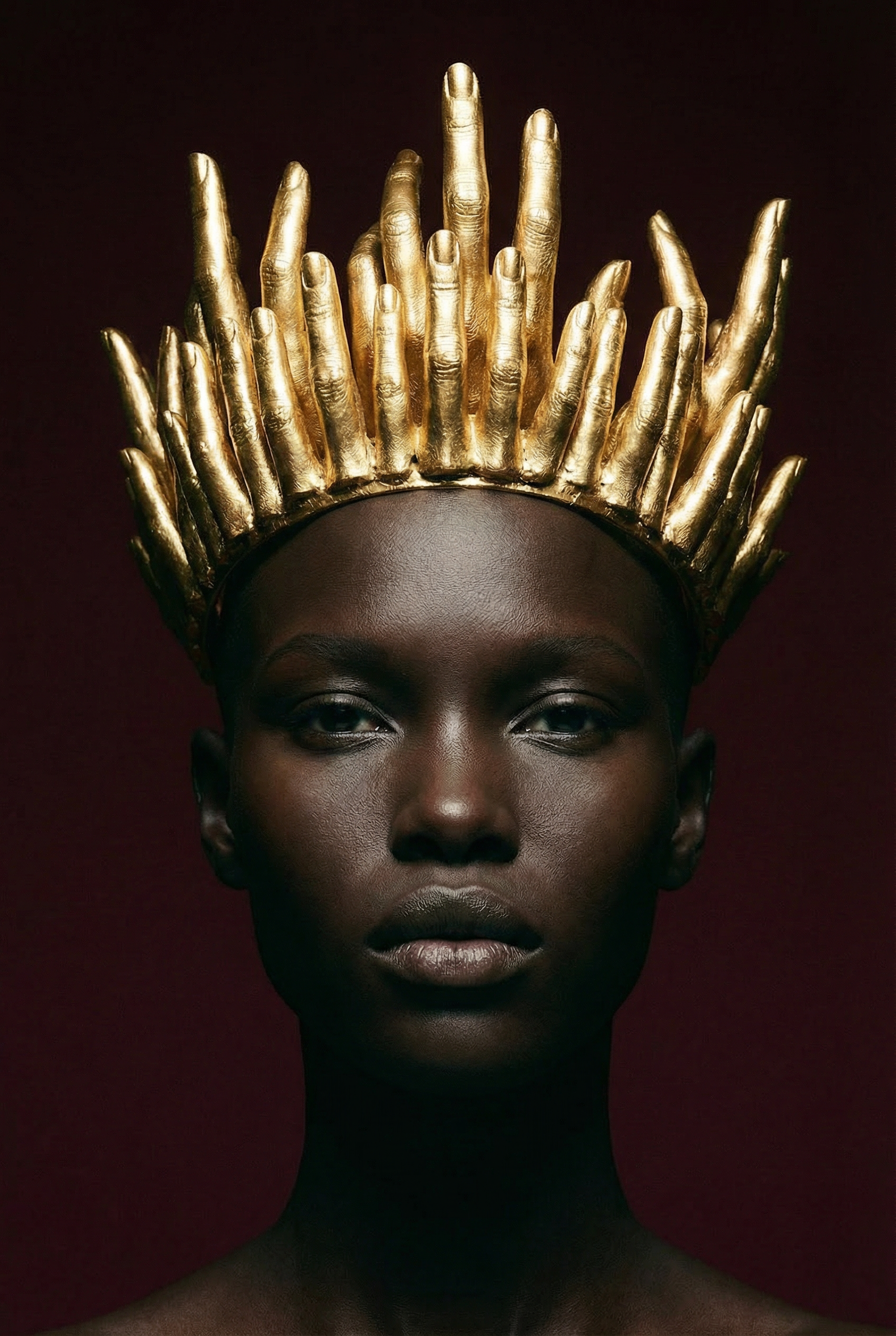
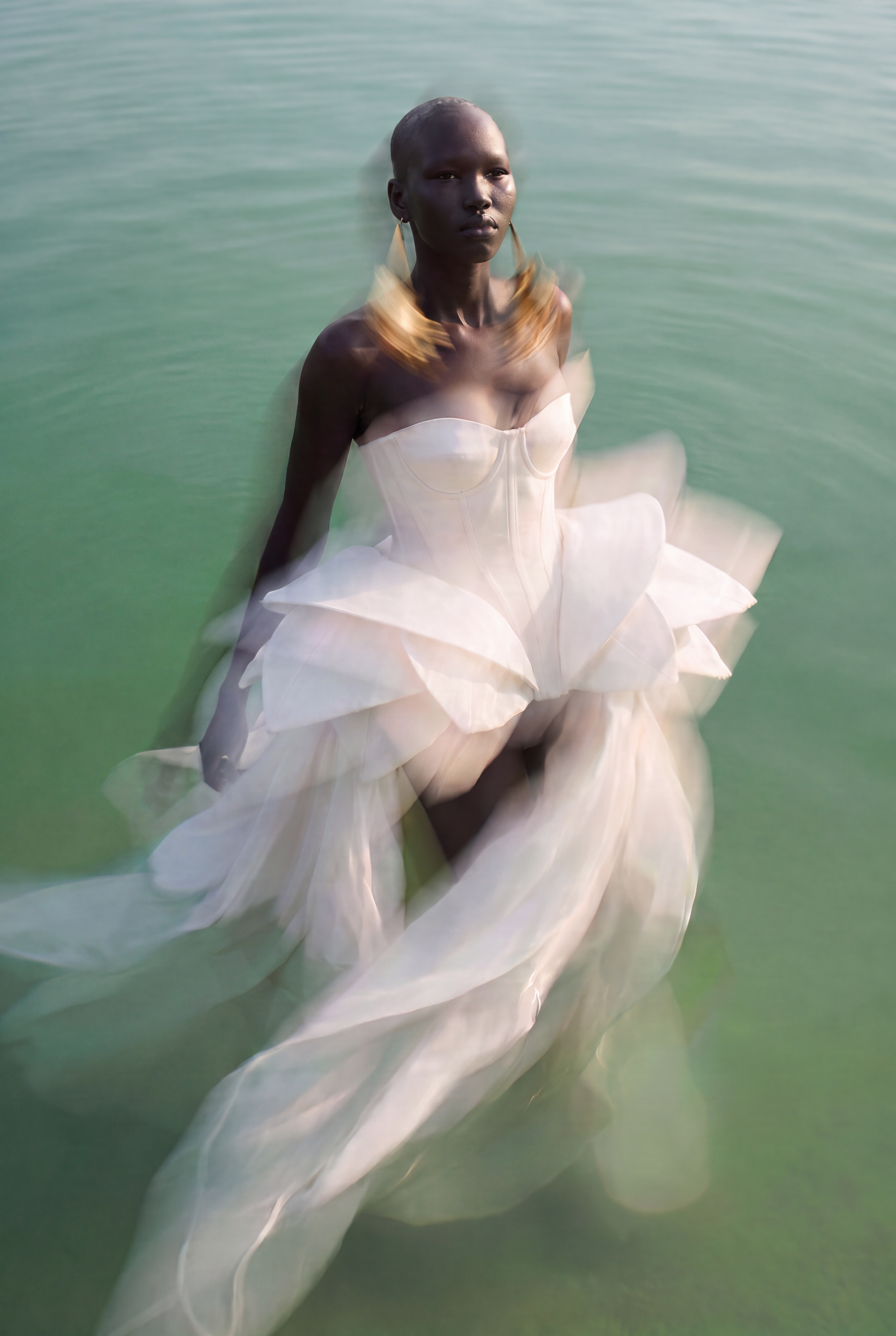
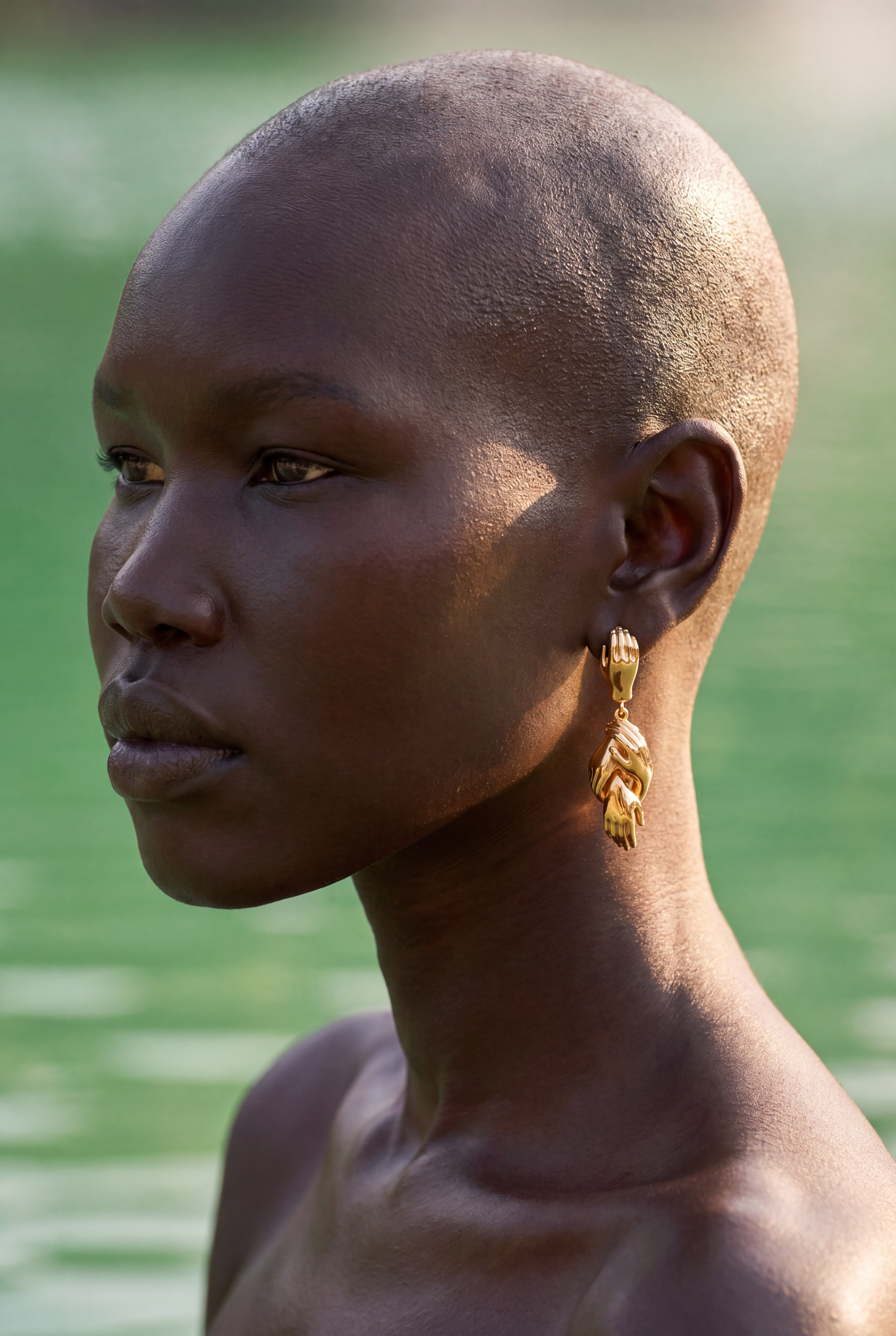
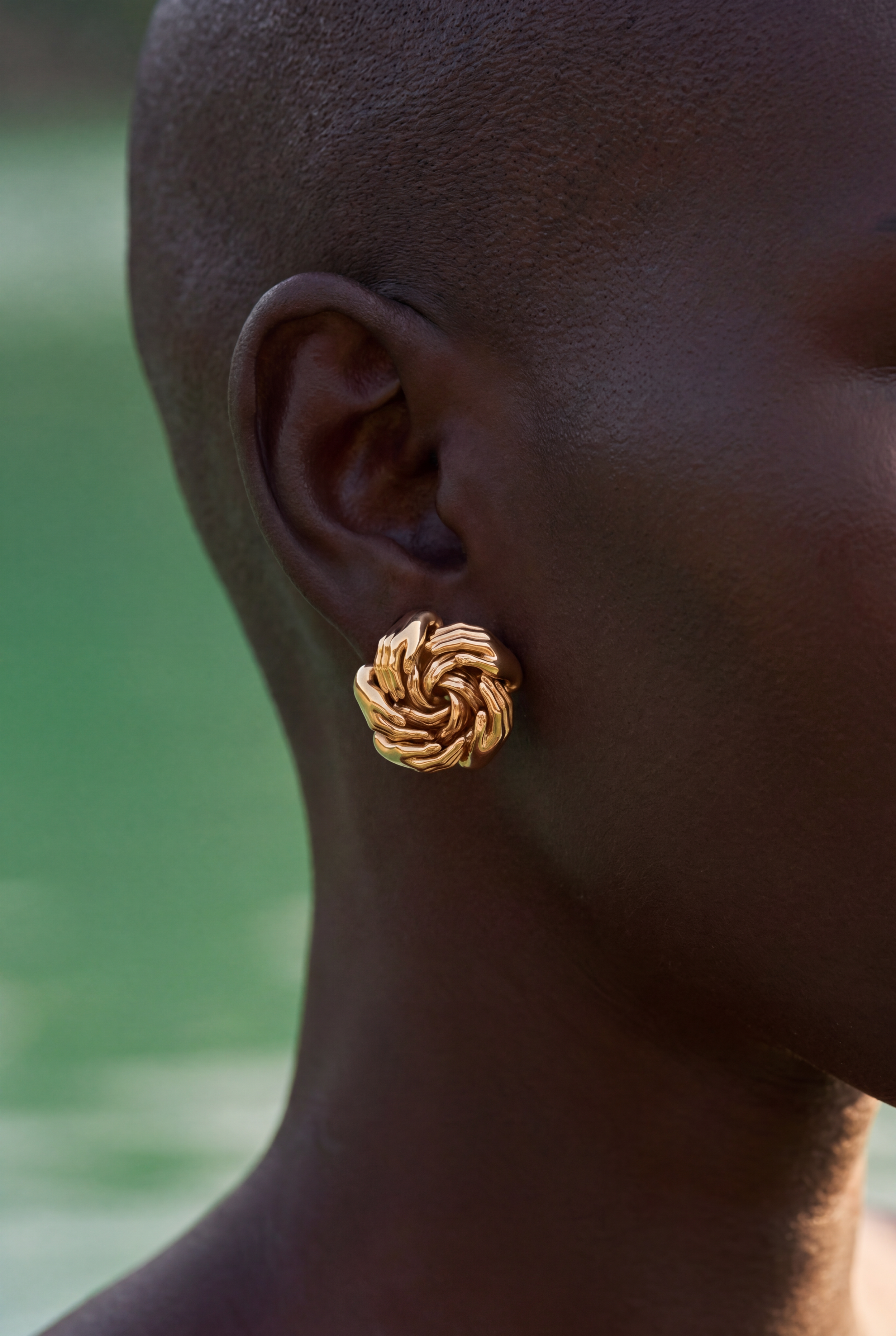
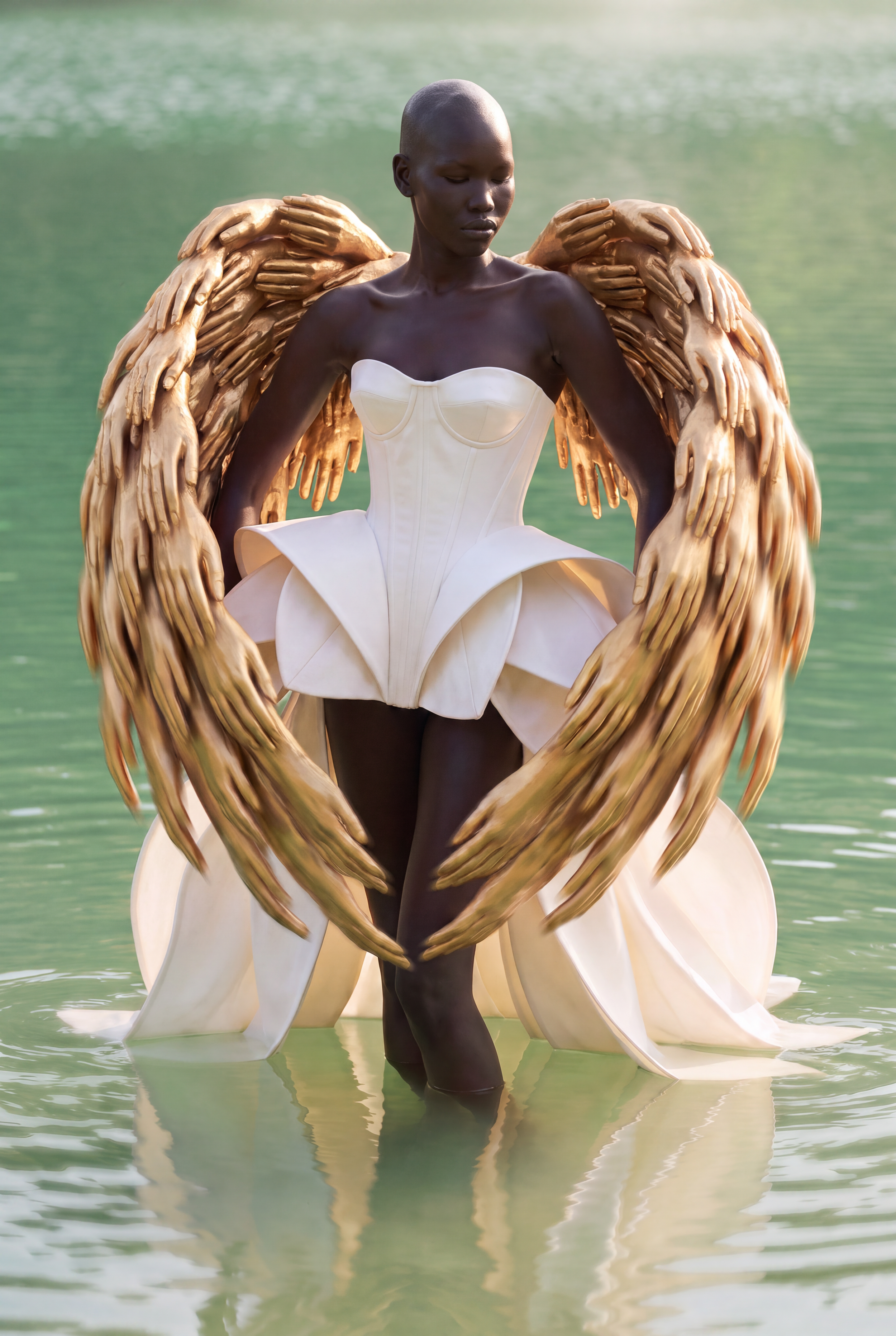
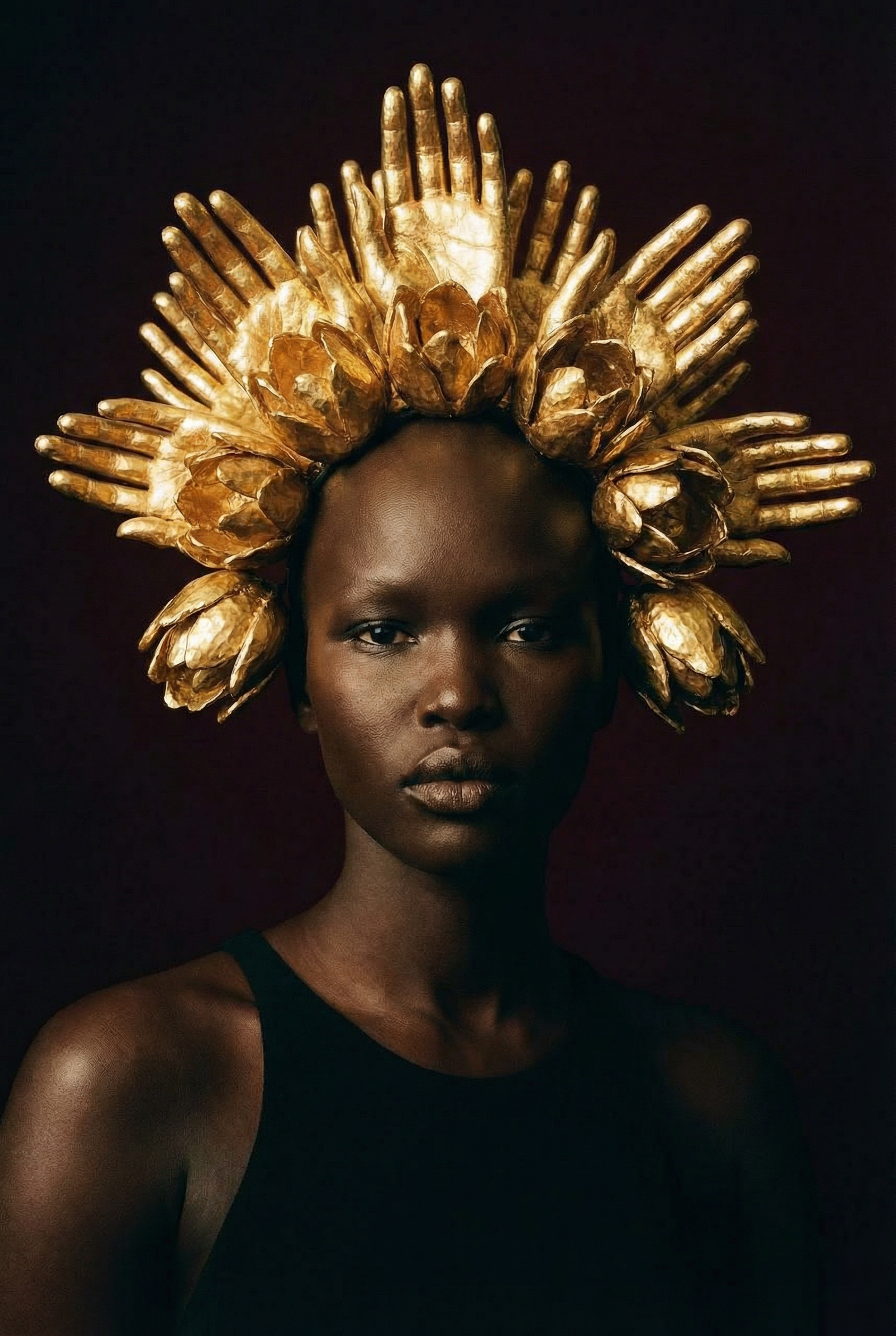
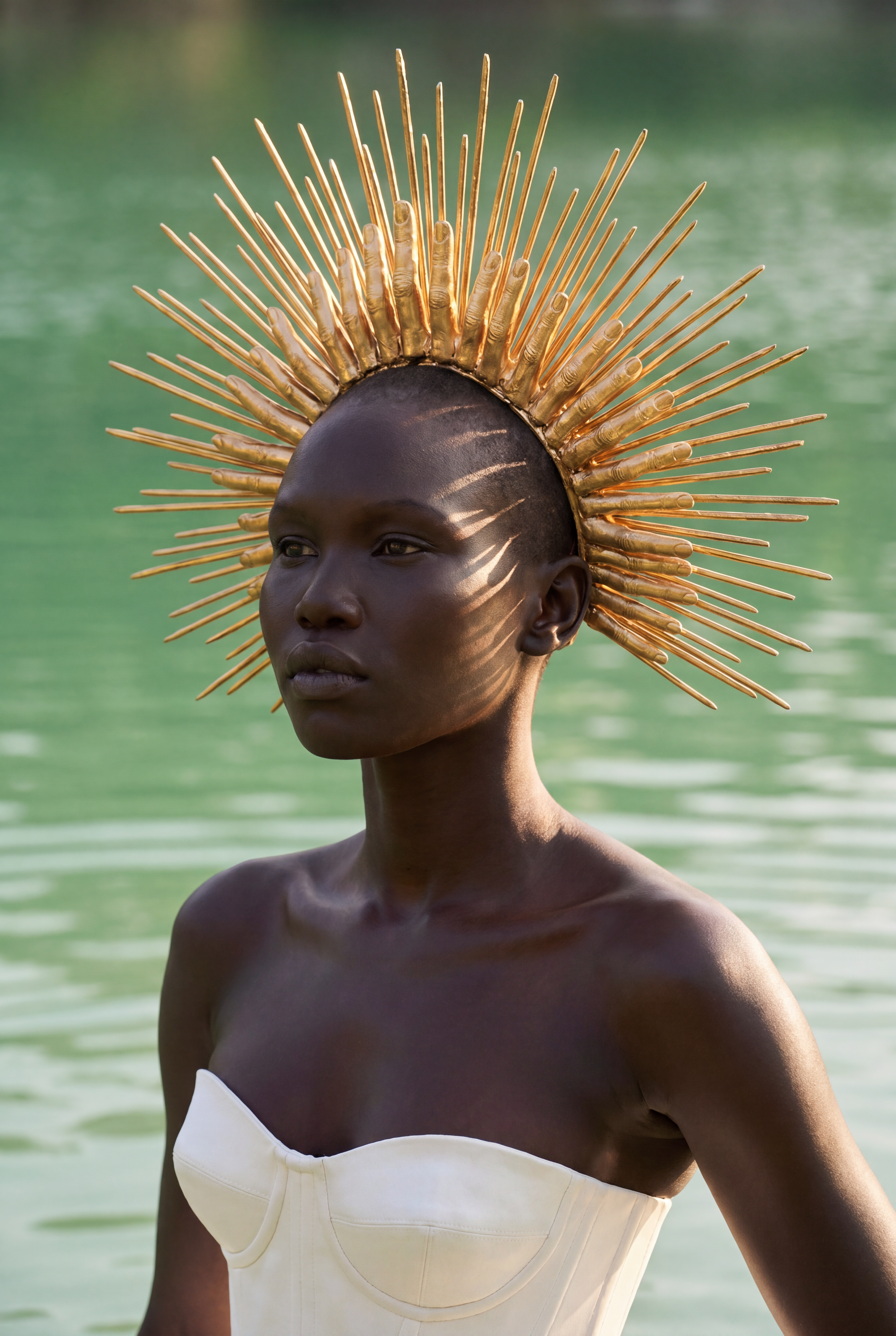
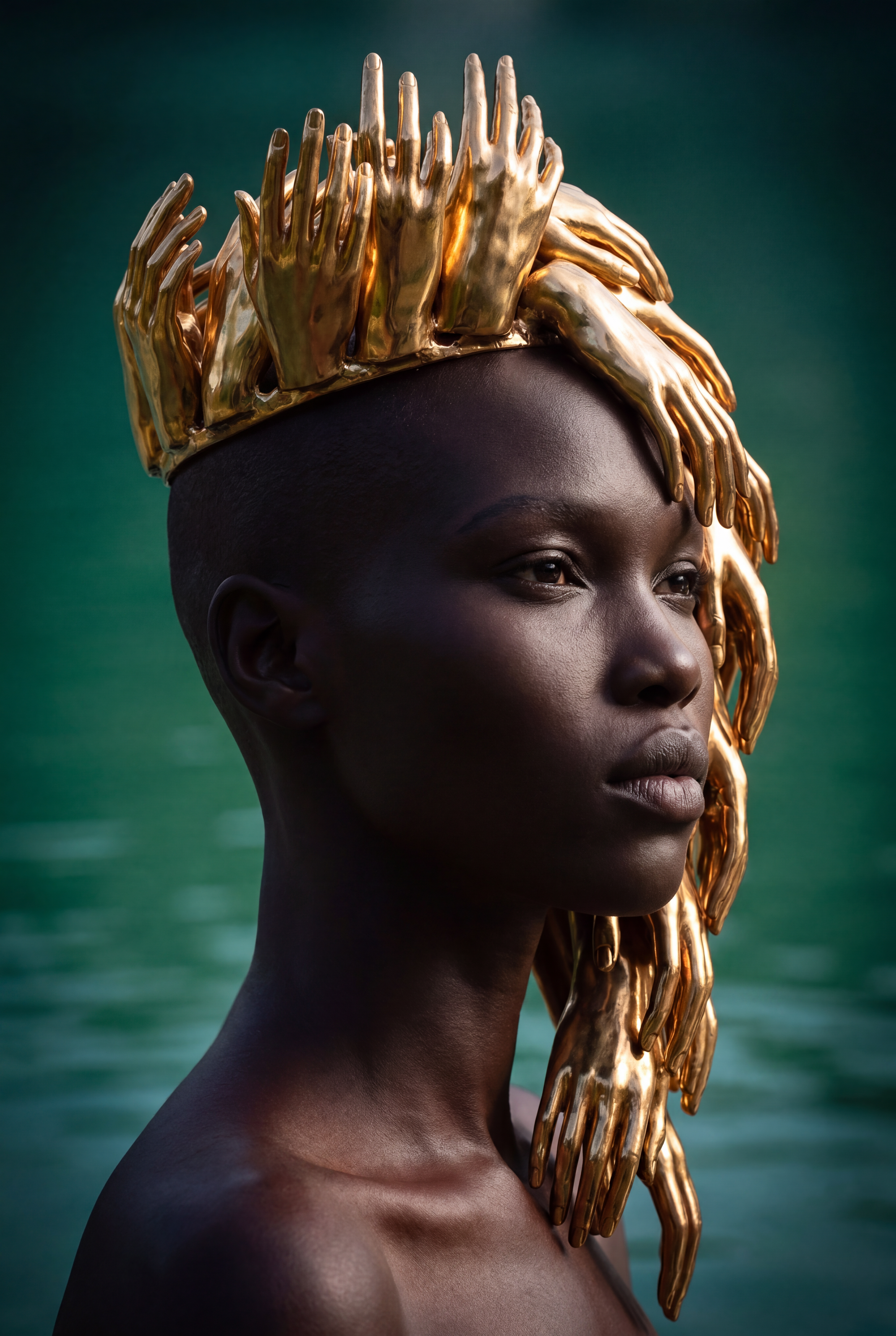
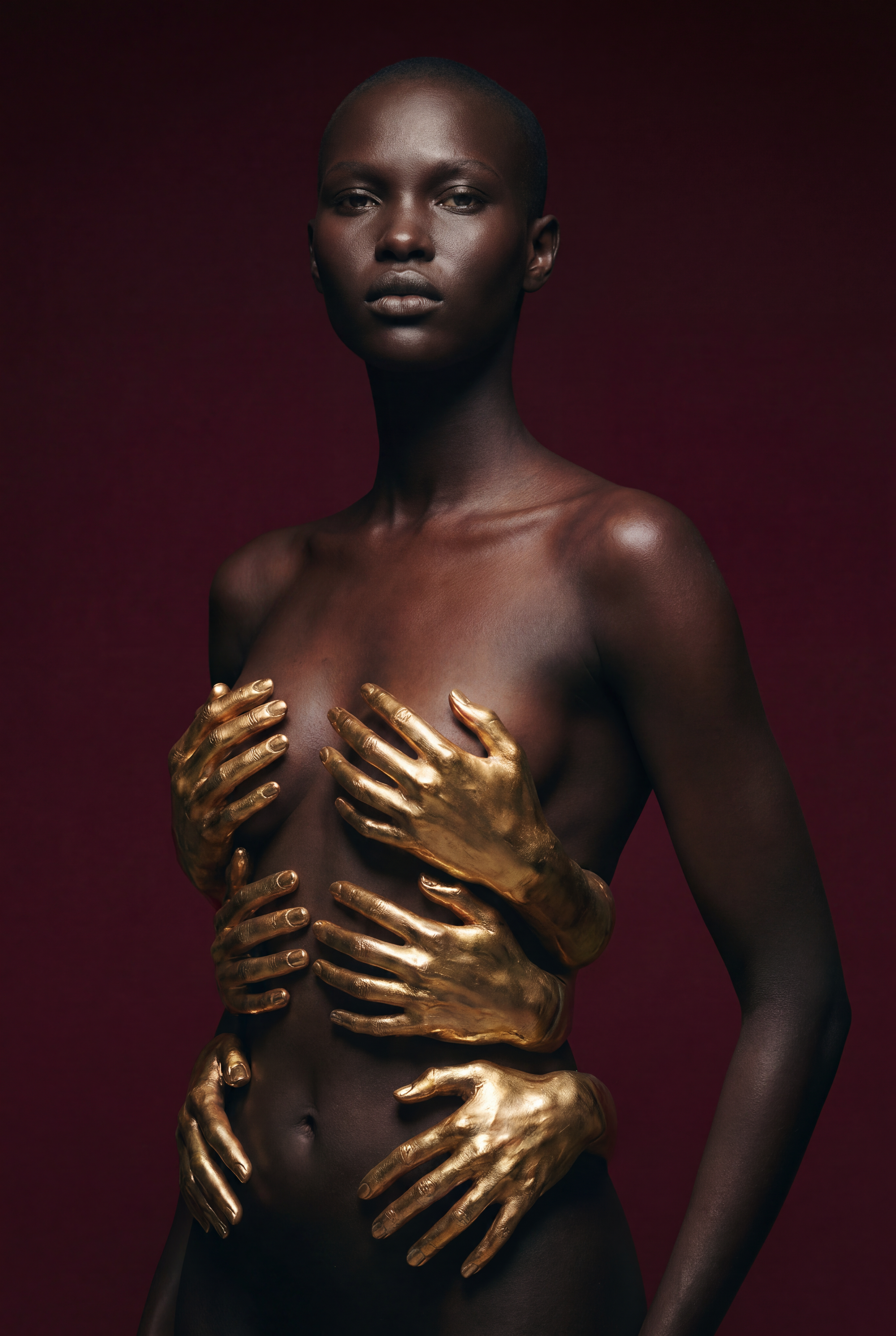
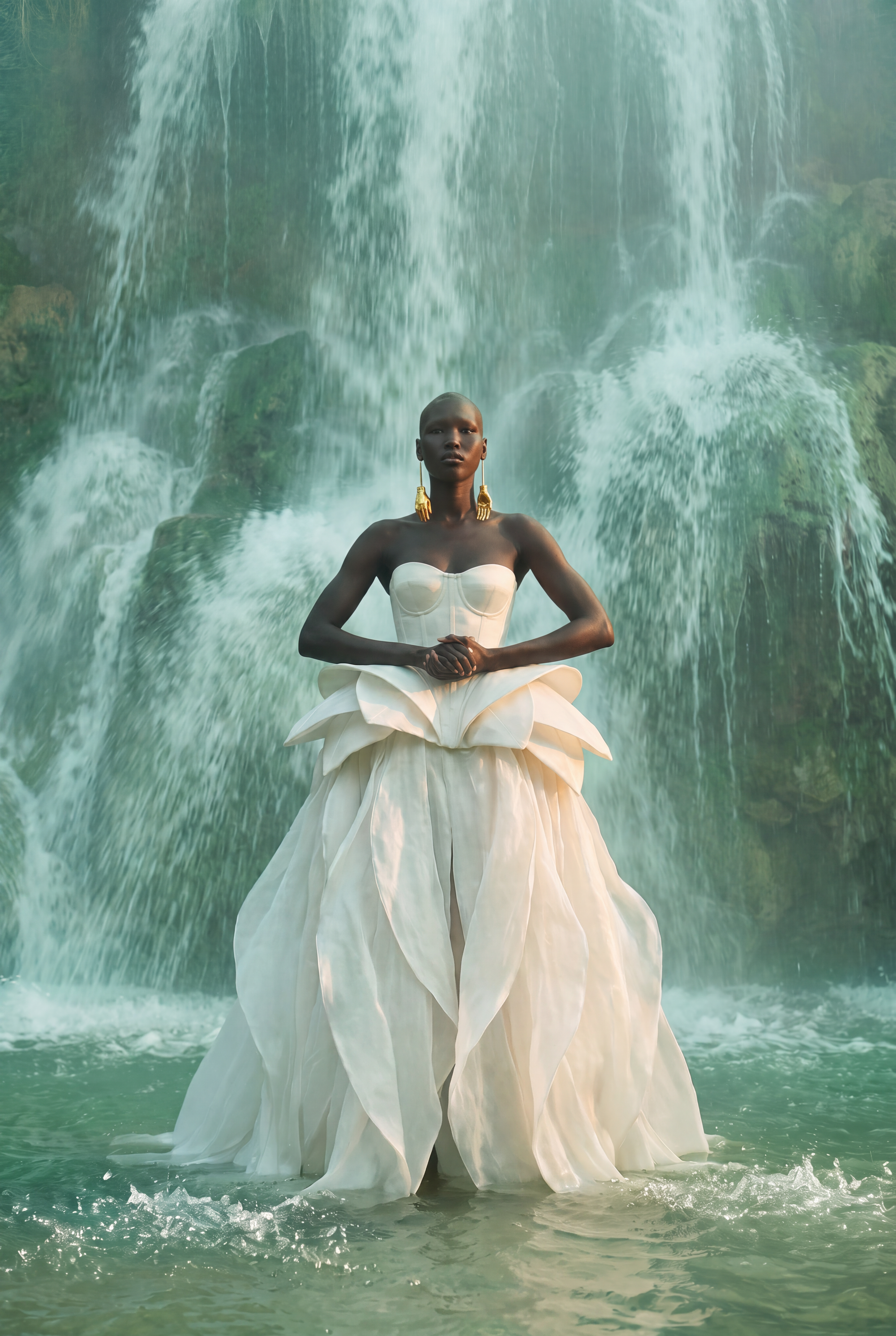
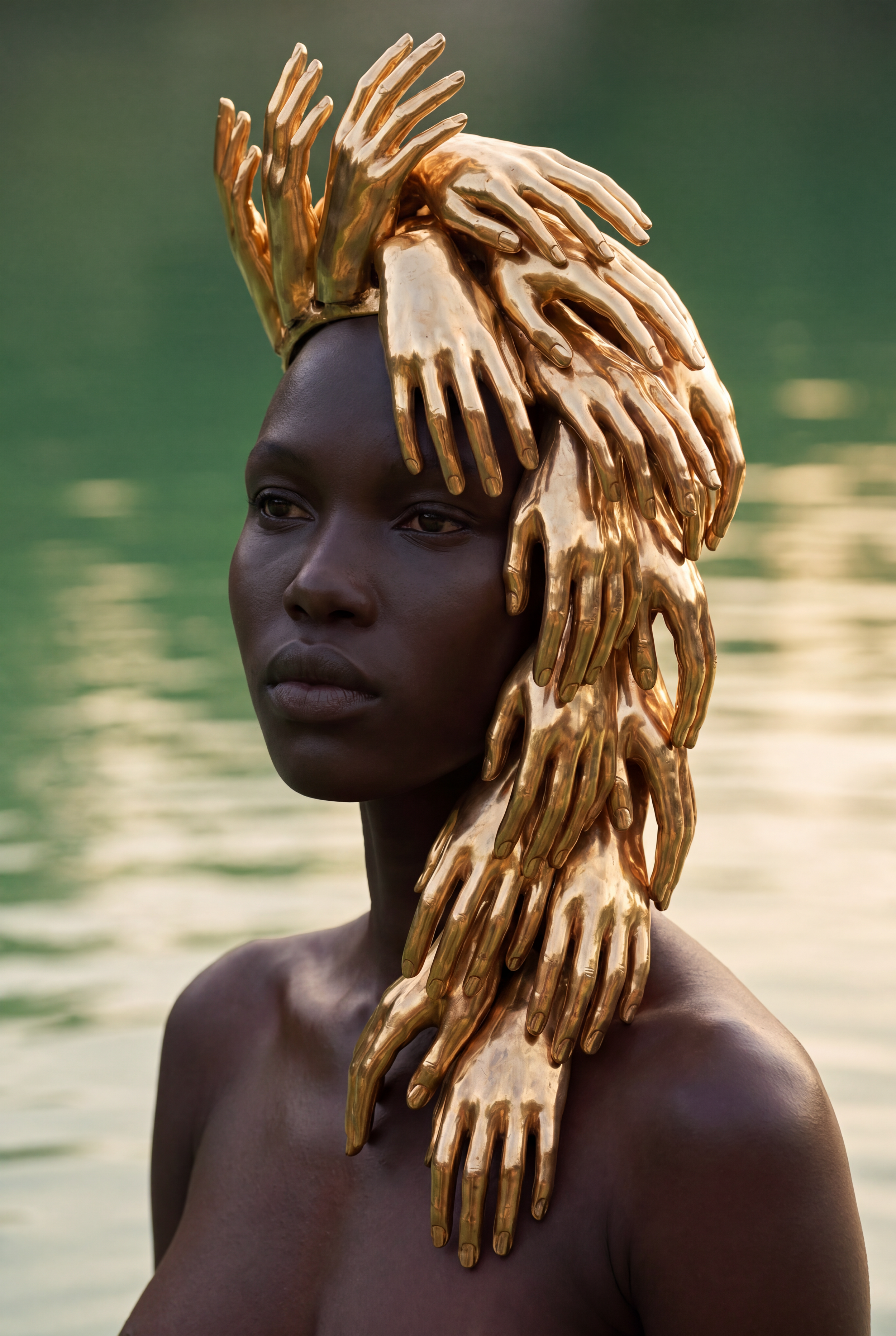
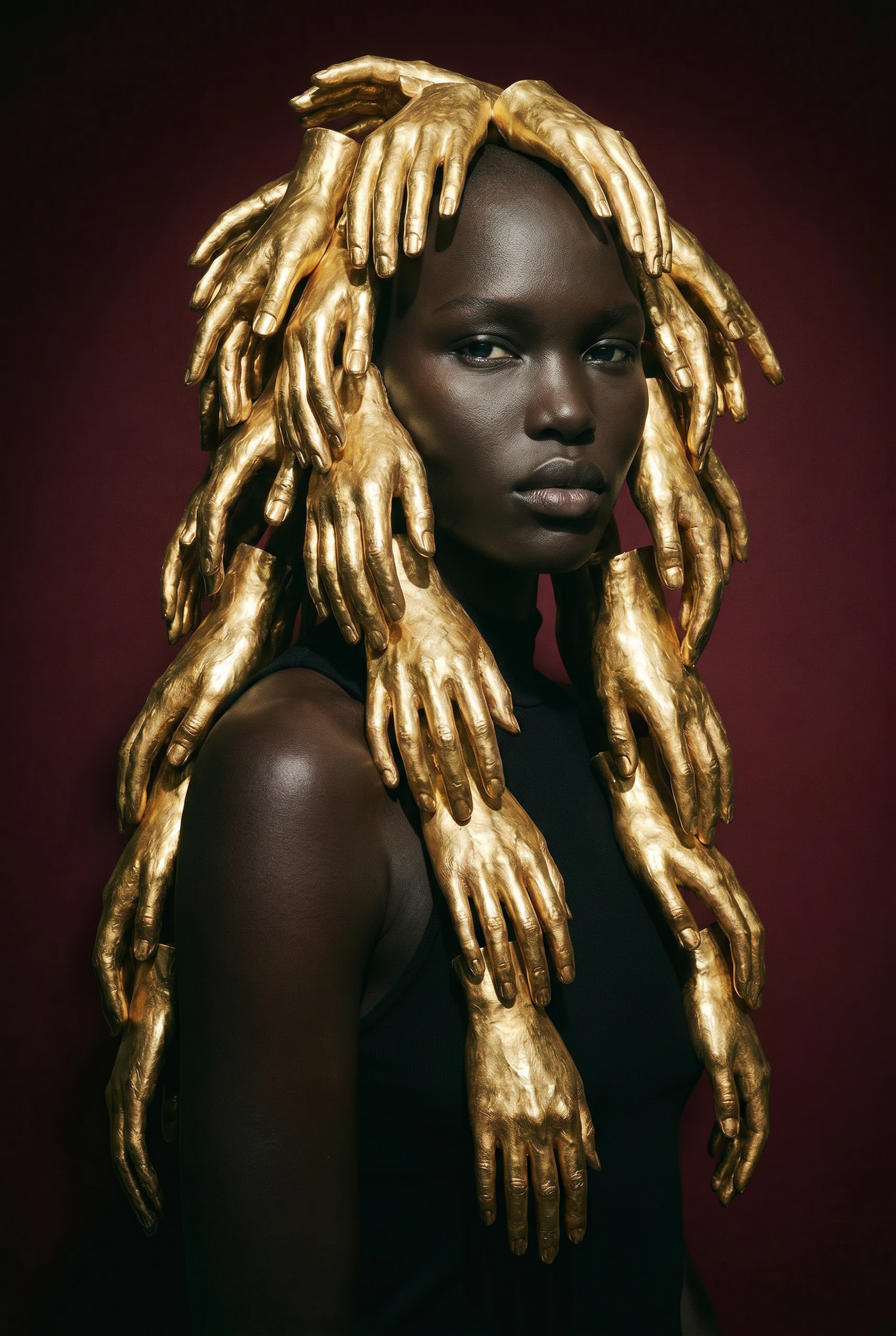
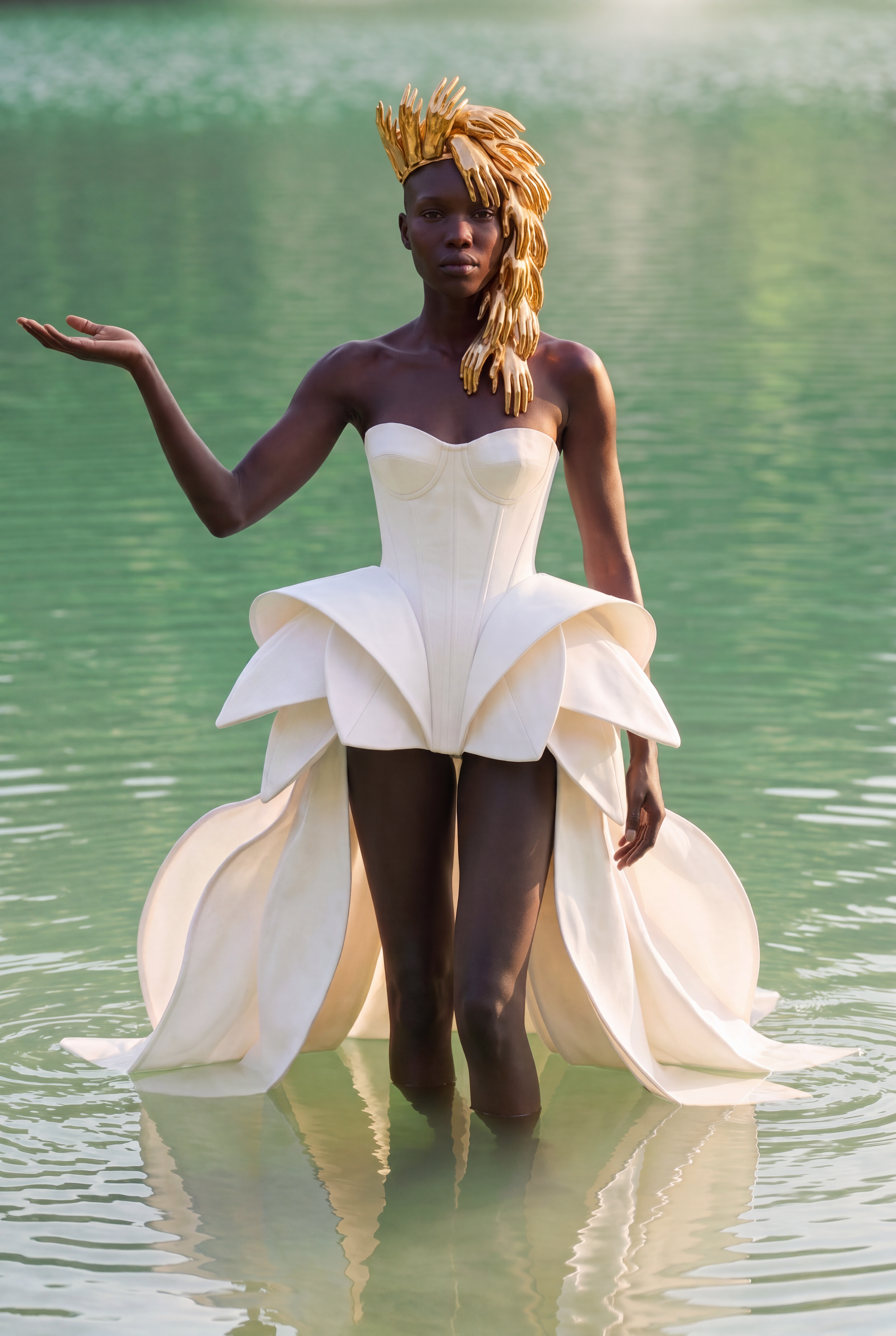
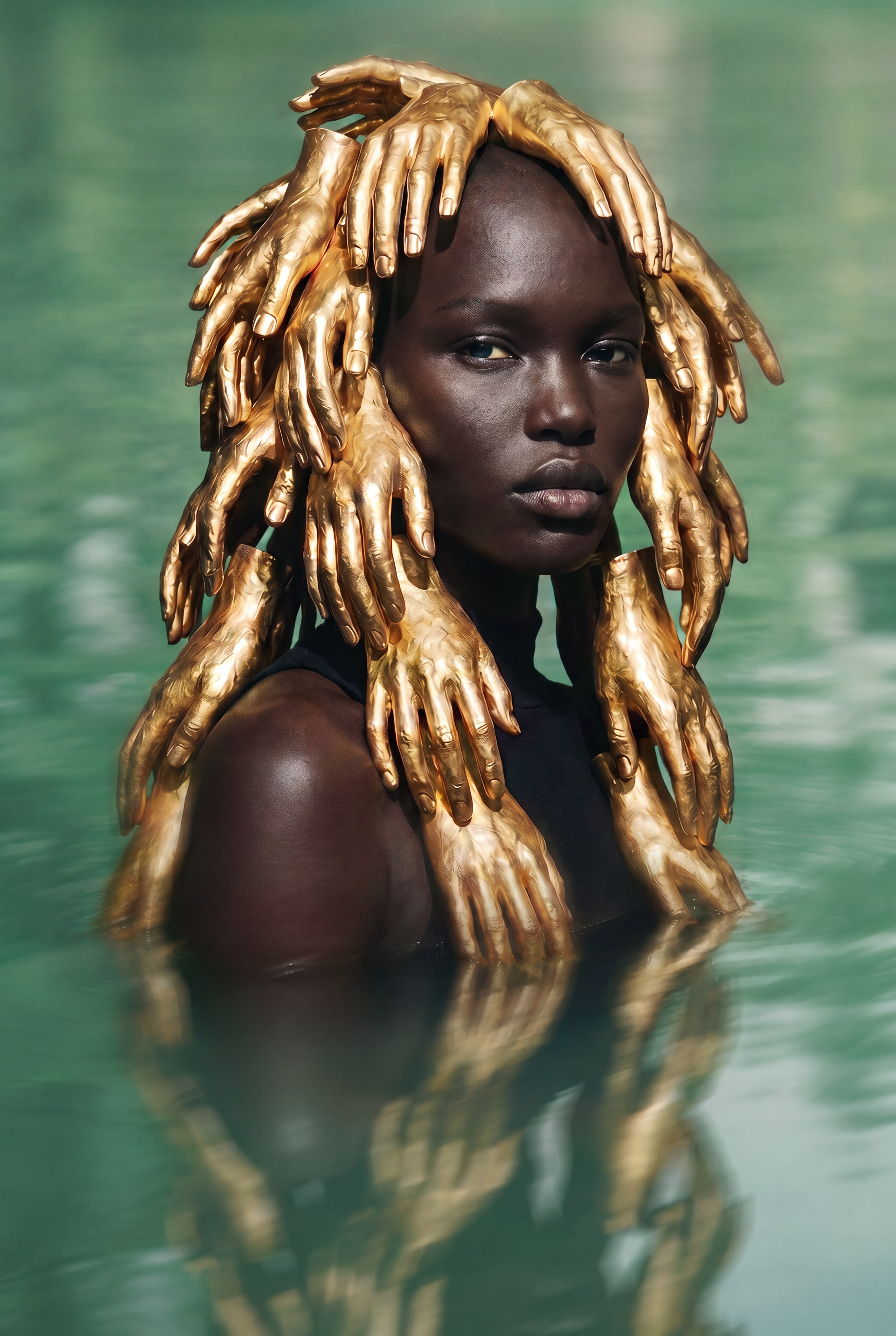
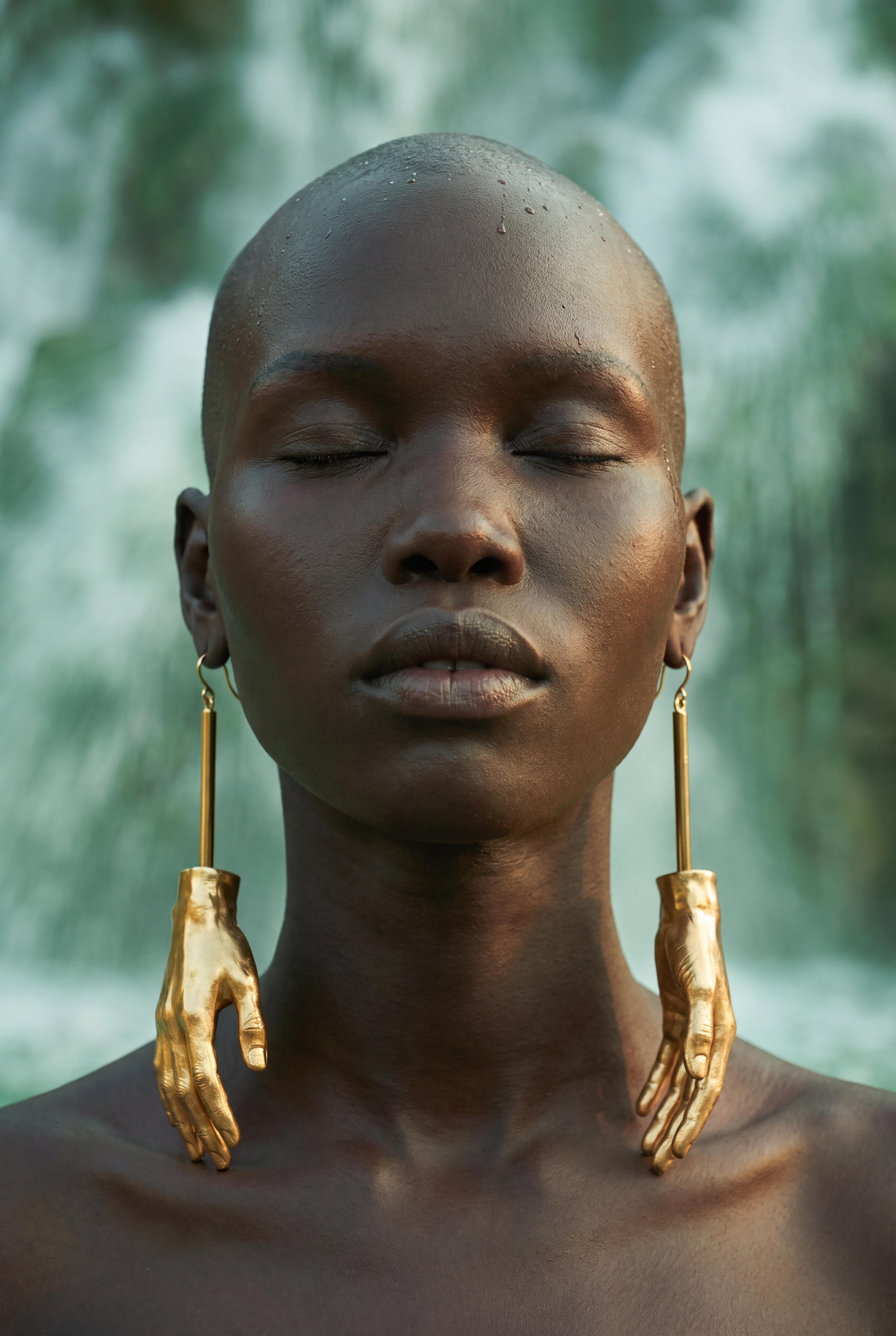
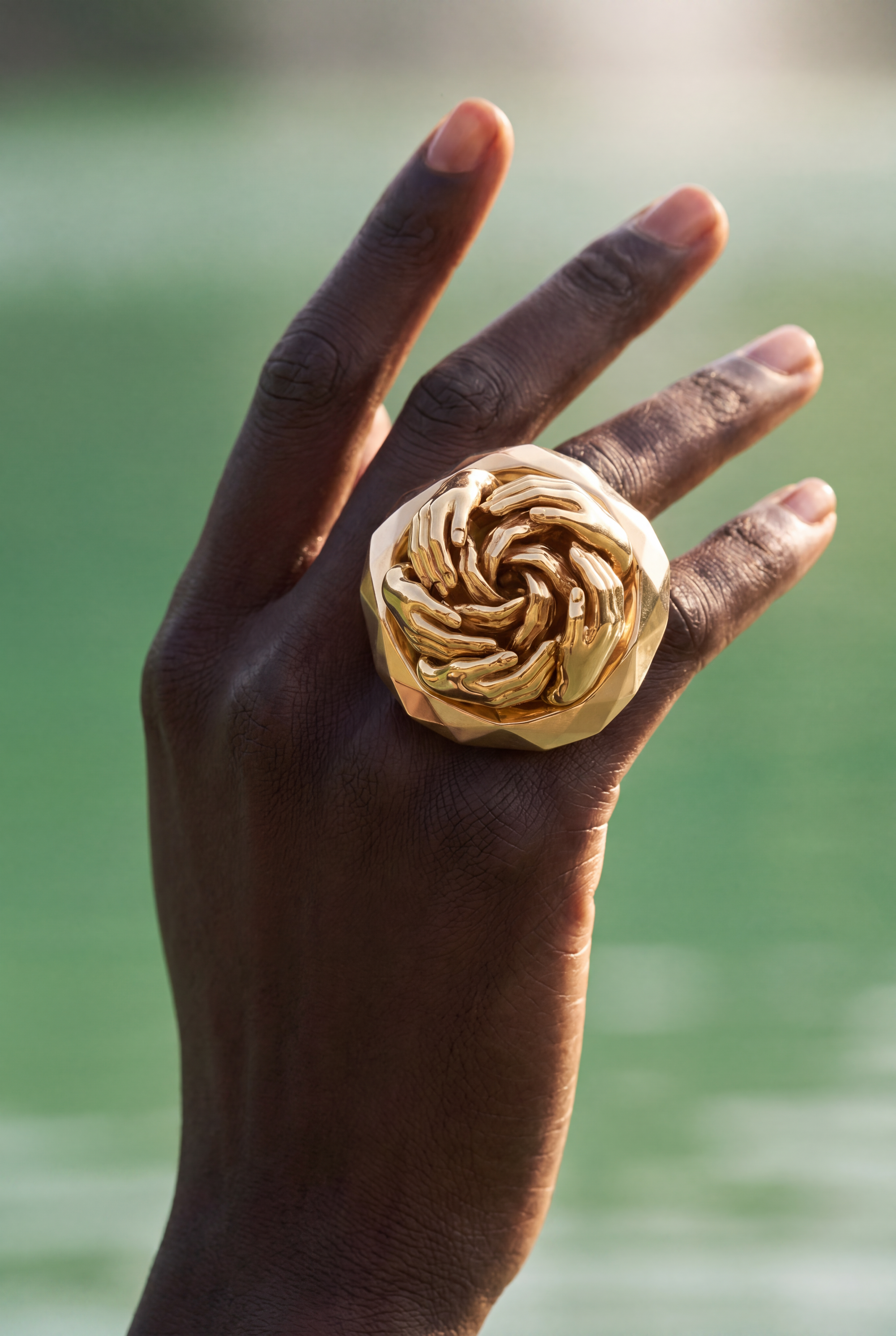
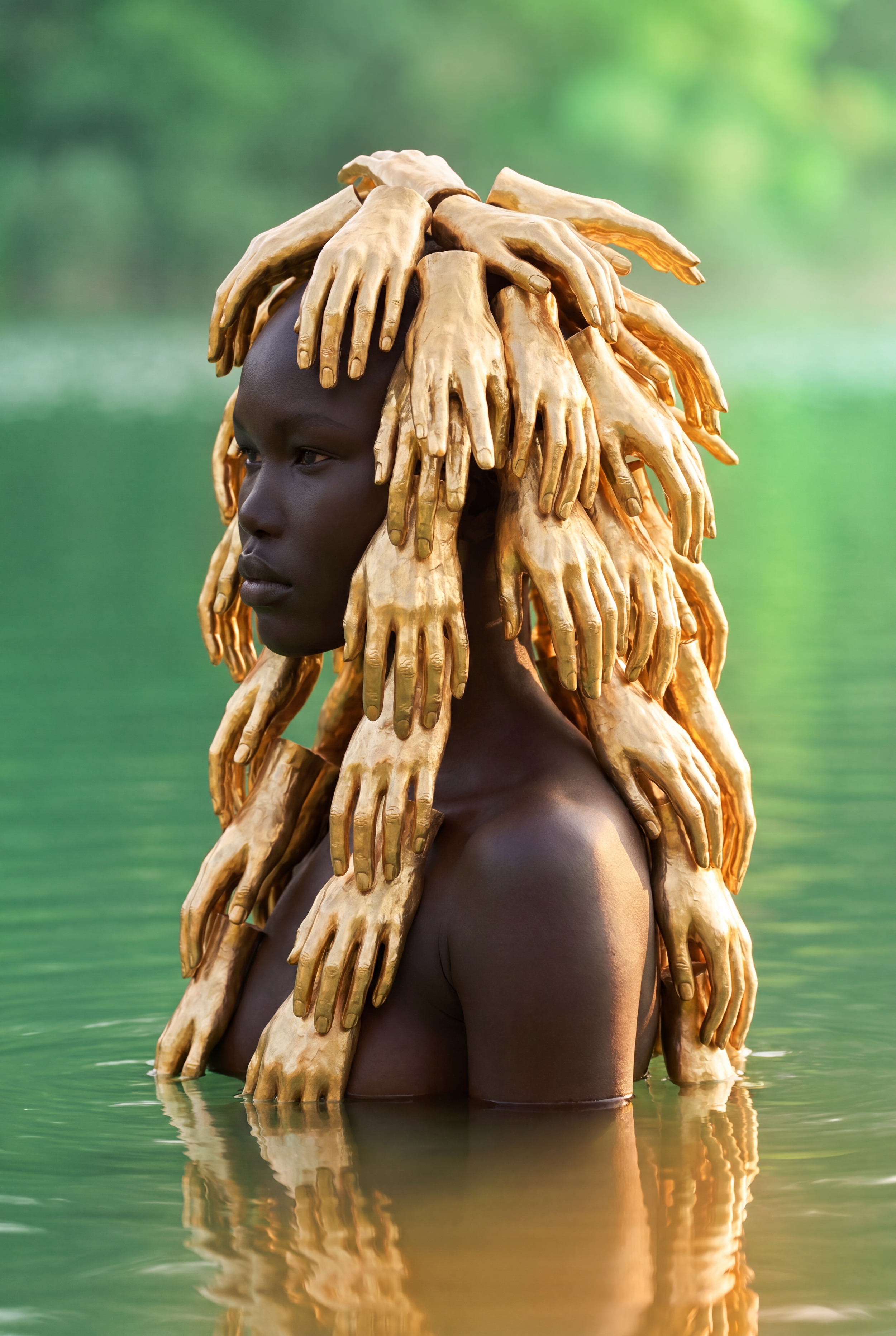
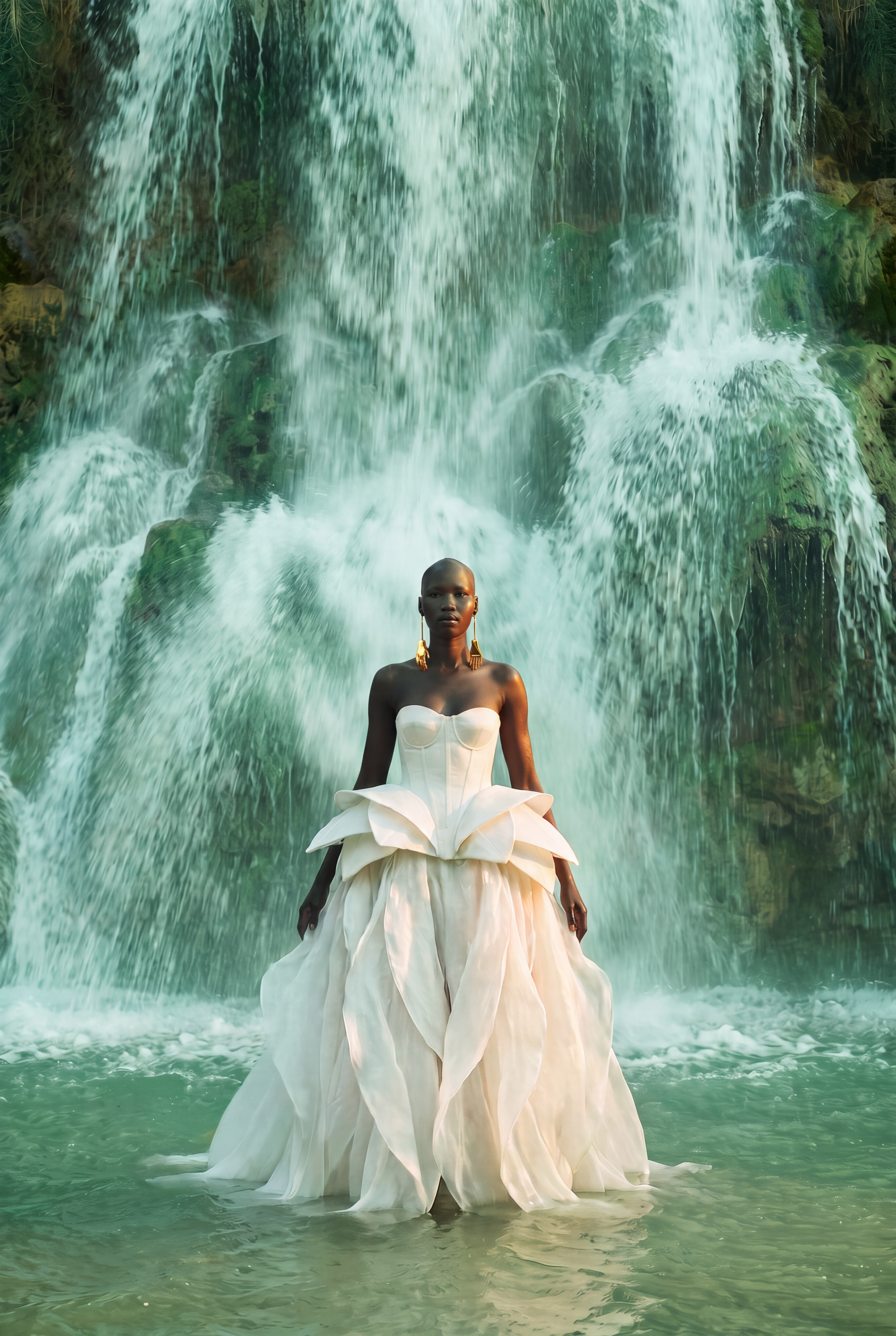
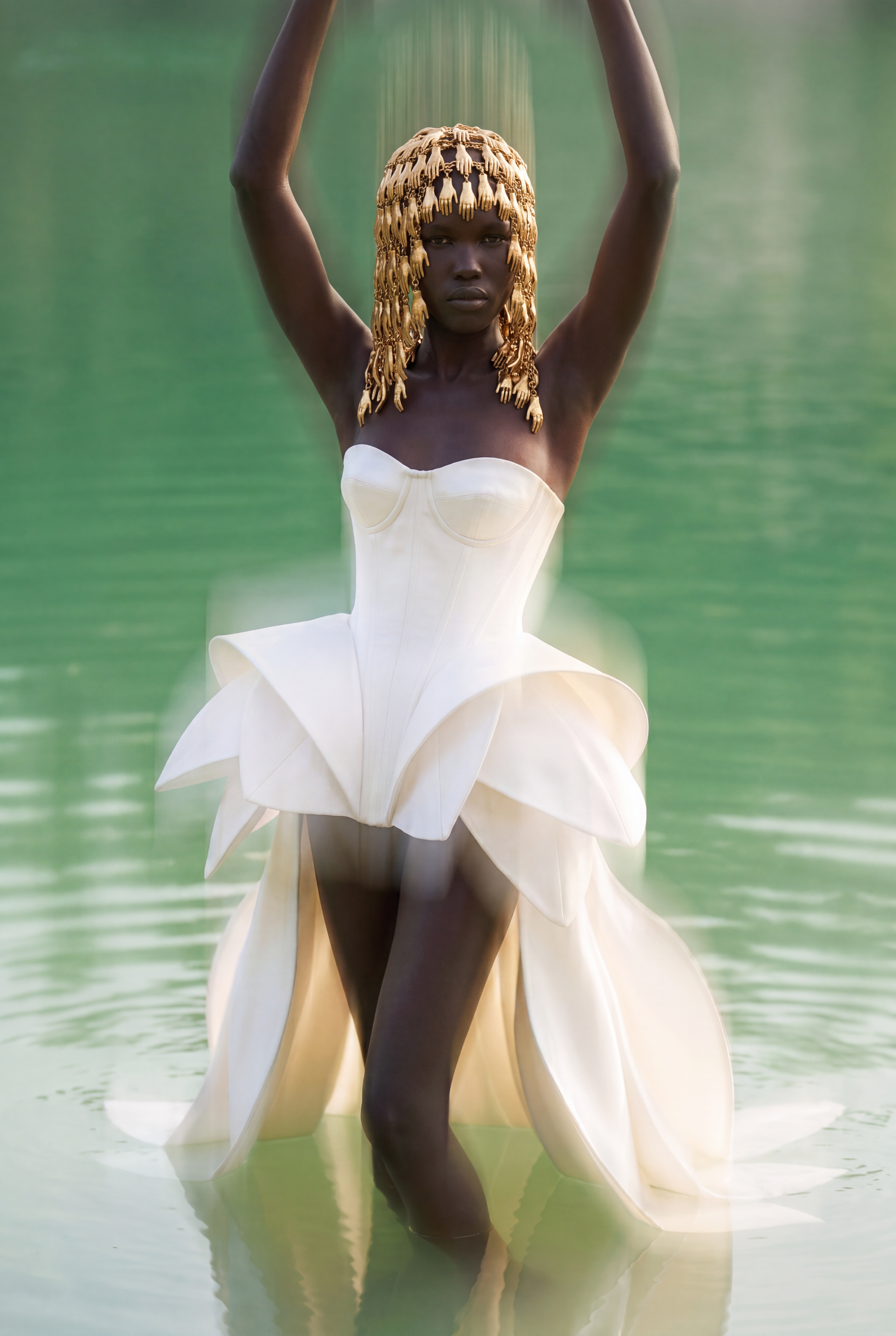
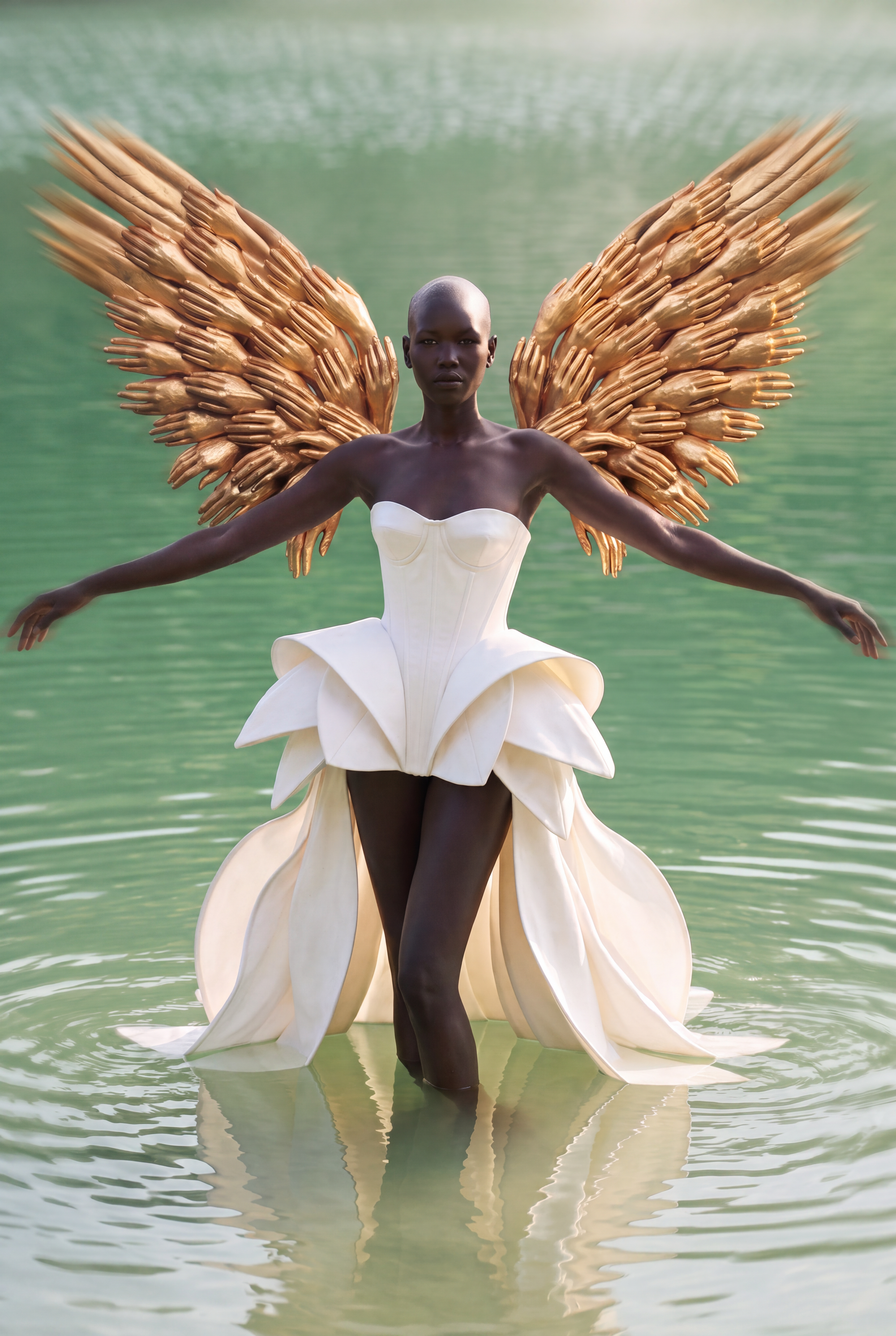
In Golden Hands — Rituals of Adornment, Nina Sabina Caballero reimagines the relationship between jewellery, ritual and the human body through speculative adornments constructed from sculptural golden hands. Multiplied, layered and assembled around the figure, the hands form crowns, collars, halos, mantles and cascading body ornaments. They replace gemstones and conventional precious materials, transforming human anatomy itself into jewellery.
At the centre of the series is one of humanity’s most ancient and symbolically charged forms: the hand. It is our primary instrument of touch and making—through hands we create, communicate, protect, nurture, labour, give and receive. Across art, mythology and ritual, the hand has consequently acquired meanings extending far beyond anatomy, becoming associated with agency, blessing, protection, authority, healing and creative power.
Gold carries an equally complex cultural history. Its luminosity, rarity and resistance to decay have connected it across civilizations with divinity, permanence, sovereignty, wealth and the sacred. When hand and gold converge, Golden Hands proposes a conceptual reversal: what ordinarily creates the precious object becomes the precious object itself. The hand that makes the jewel becomes the jewel.
The mythology of King Midas offers an ancient parallel between touch, gold and transformation. Through his touch, the material world becomes gold, turning desire into both miraculous power and existential burden. Caballero reverses this mythology. Rather than imagining a hand that transforms everything it touches into gold, she transforms the hand itself into gold—shifting value from possession towards agency, and from material wealth towards the human capacity to create.
Representations of hands have also appeared throughout history as votive forms and protective symbols, carrying associations with healing, blessing and spiritual presence. Caballero does not reproduce a particular historical or religious tradition. Instead, the series draws upon this broader cultural memory to construct its own imagined ceremonial language.
Through repetition, adornment becomes ritual. Golden hands gather around the body, crowning, encircling, protecting and transforming the wearer. A single hand represents an individual gesture; multiplied hands become a collective presence. They can appear protective yet possessive, intimate yet monumental, creating an unresolved tension between vulnerability and power.
The resulting objects occupy an ambiguous territory between jewellery, sculpture, armour, relics and ceremonial objects. Influenced by Renaissance portraiture and chiaroscuro, the figures emerge from darkness with an almost icon-like stillness, while gold acquires a luminous, devotional presence. Yet these adornments belong to no identifiable historical period or culture. Their ritual remains deliberately undefined—an imagined mythology existing within the world of the work.
Created through generative artificial intelligence, the series introduces a distinctly contemporary paradox. At a moment when computational systems increasingly participate in acts of creation, Golden Hands returns the hand—the ancient instrument of human making—to the centre of the image. Technology enables Caballero to imagine jewellery liberated from conventional limitations of fabrication, gravity and wearability, allowing impossible adornments to exist first as speculative objects.
Within Amalgam, Golden Hands — Rituals of Adornment considers jewellery as an amalgamation of body, material, symbolism, ritual and technology. The boundary between wearer and object begins to dissolve: anatomy becomes material, gesture becomes ornament, repetition becomes ceremonial form.
Ultimately, the series asks what we choose to make precious. Gold represents material value and permanence; the hands embody something less tangible—our capacity to touch, imagine, make, care and transform.
The most precious material is not gold itself, but the human capacity to create.