
MATHART
“CODE&CRAFT” - ENCODED BODIES
2025
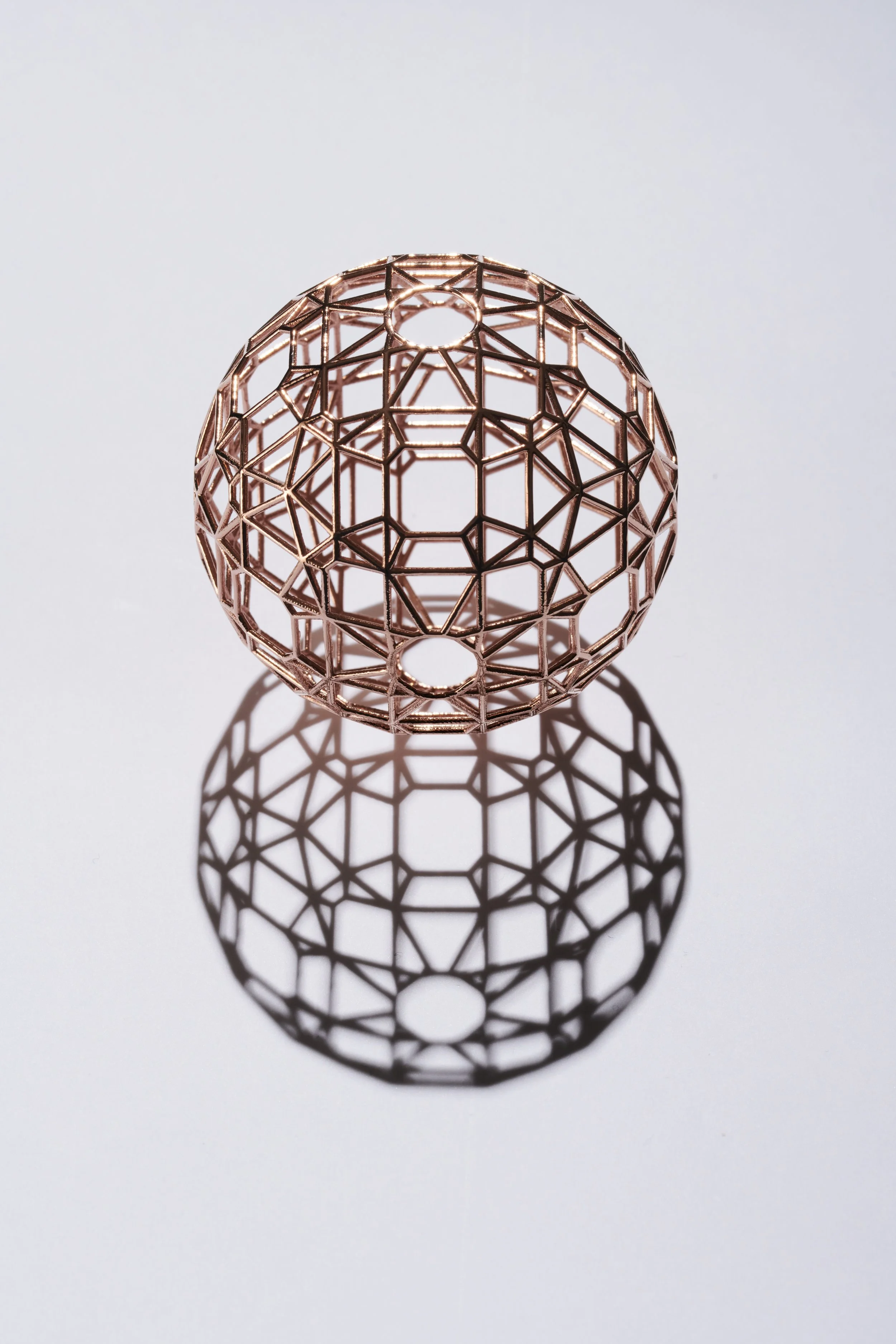
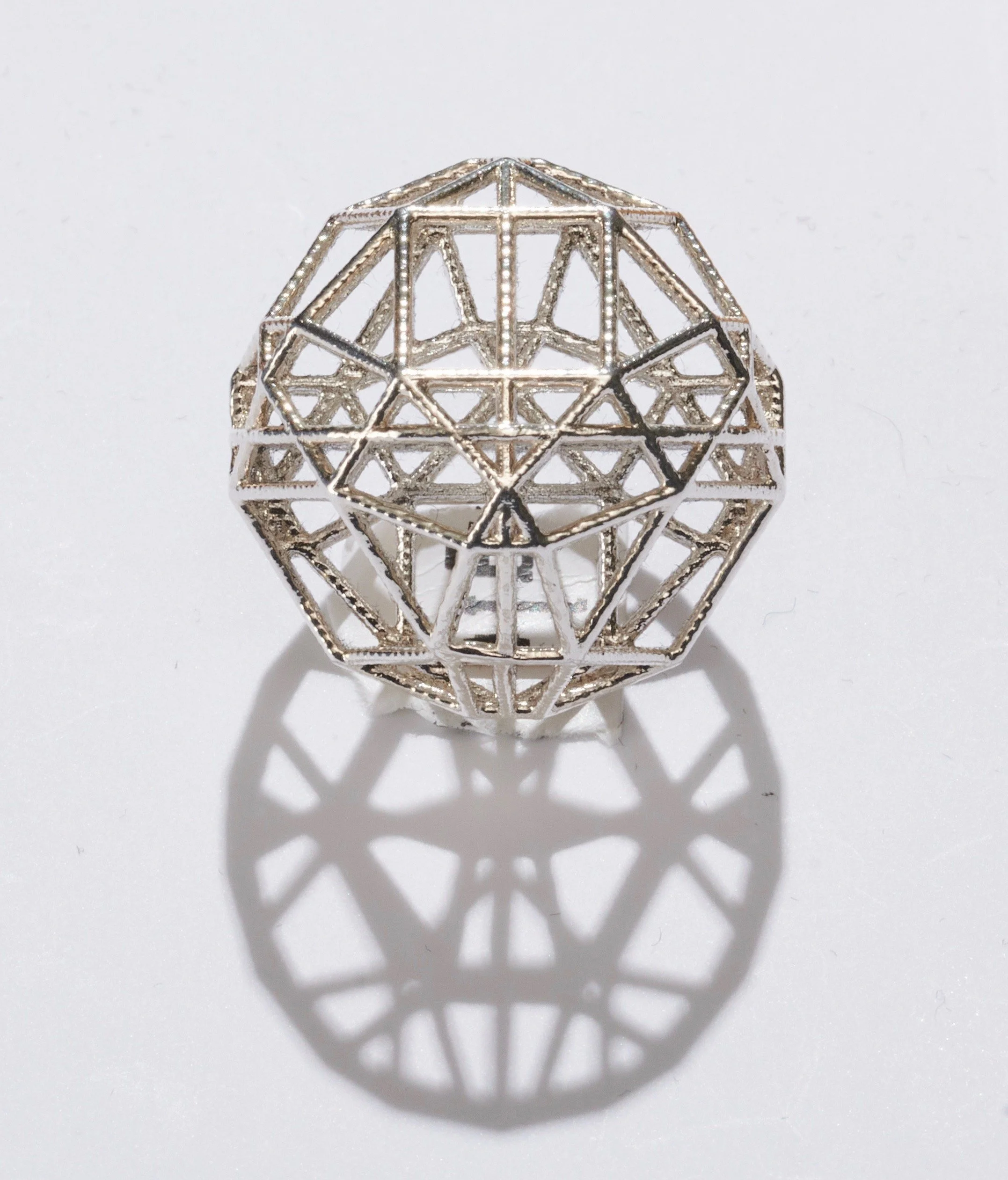
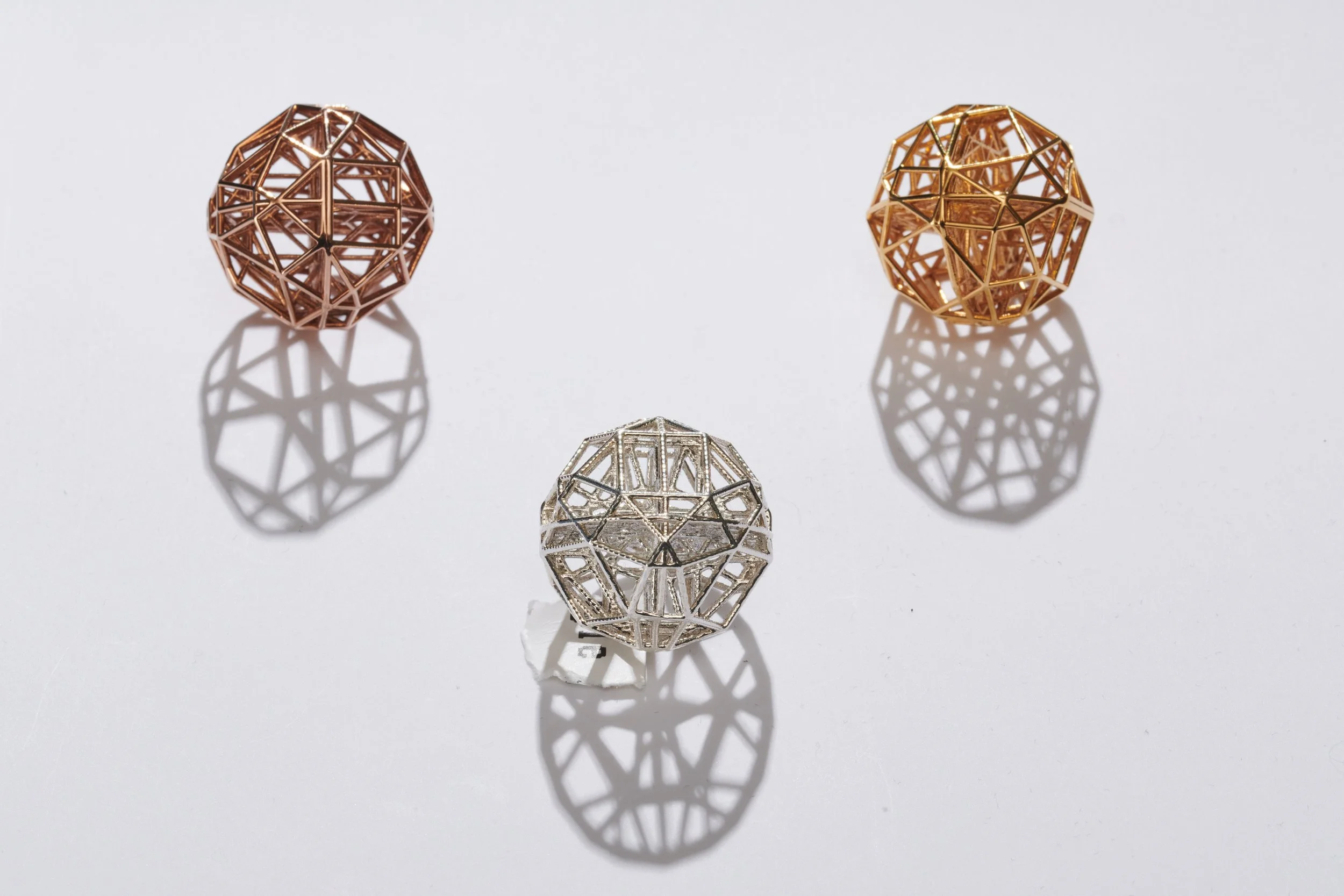
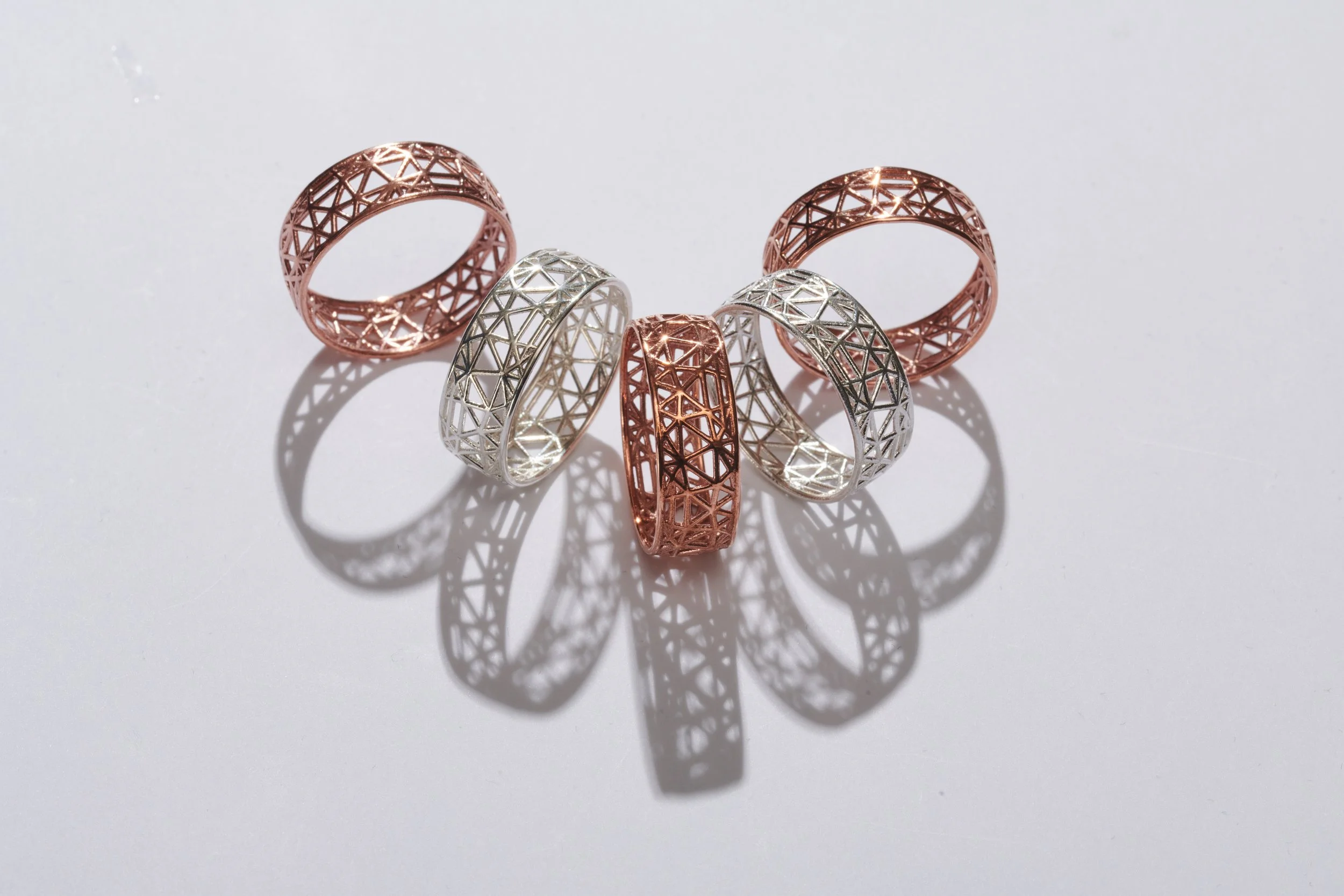
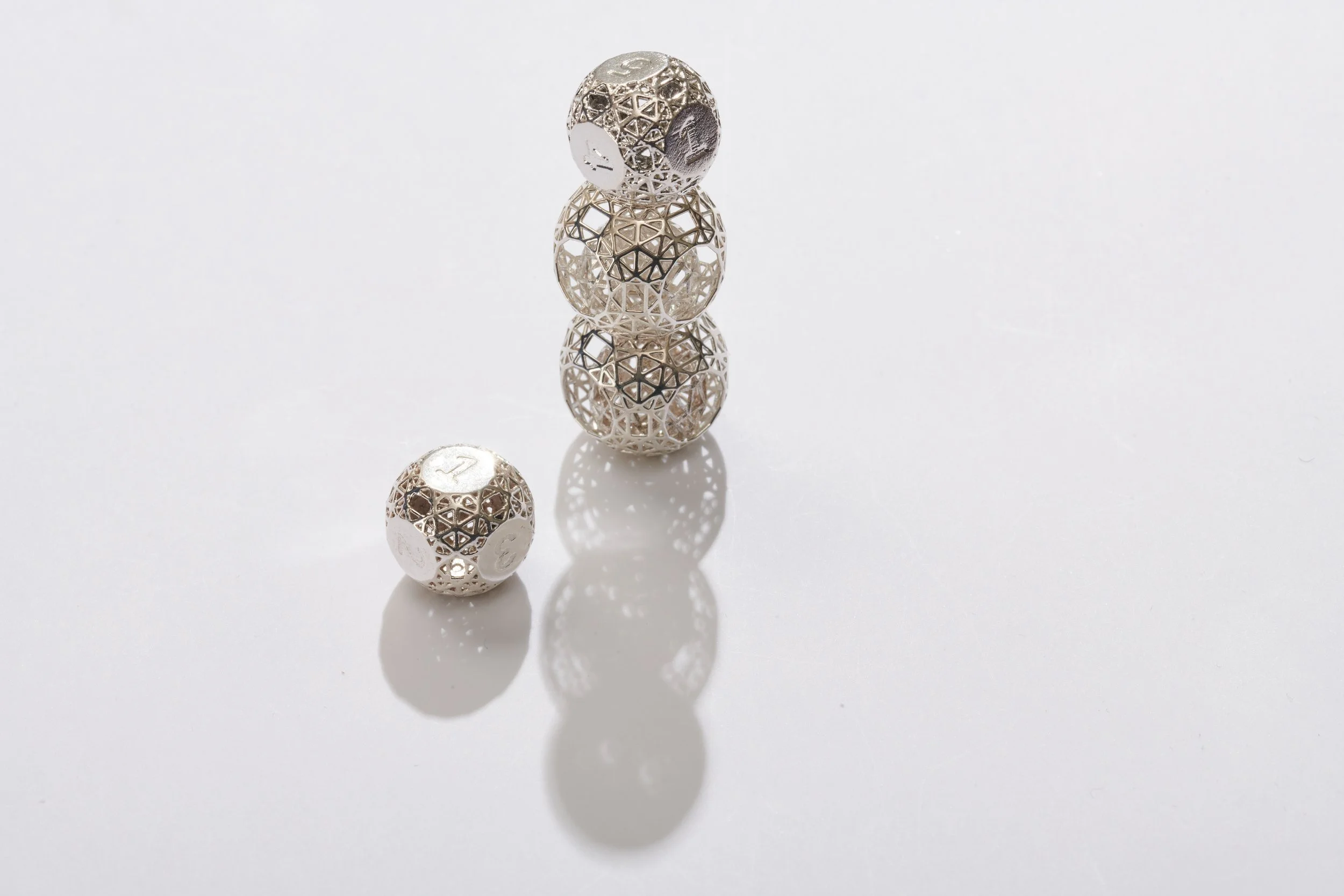
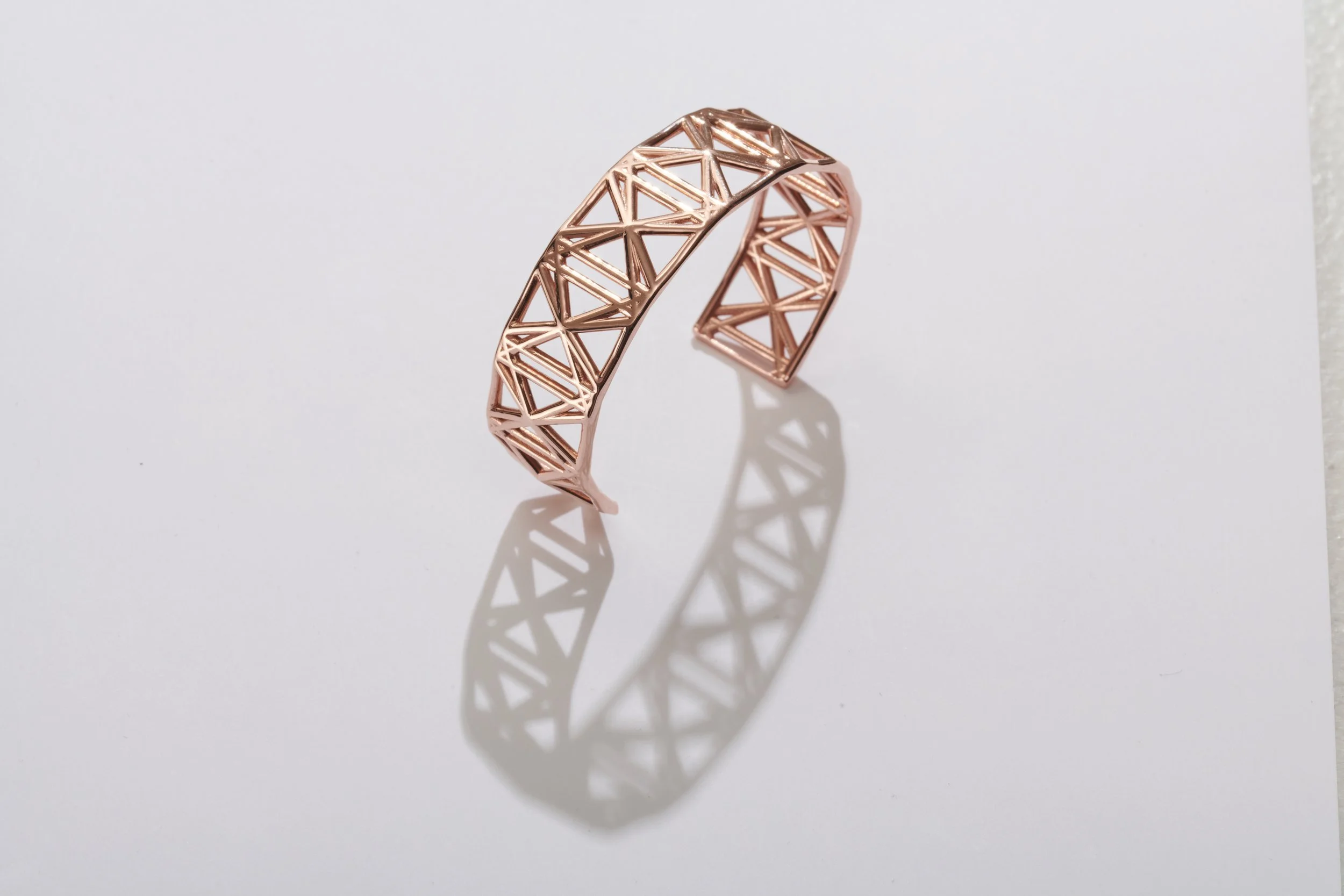
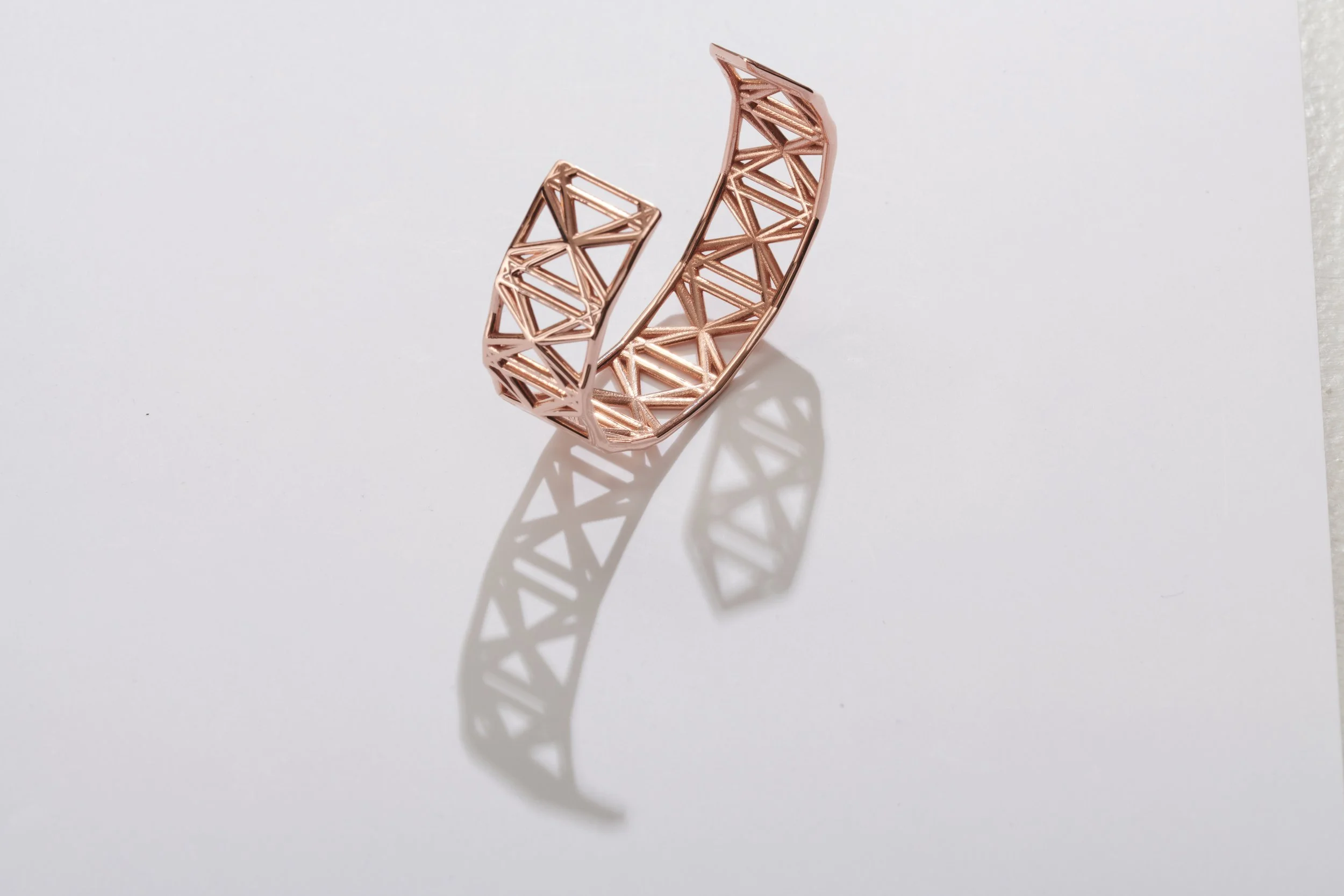
Herbert Gangl is a maker-designer and “pure” mathematician (PhD 1995, University of Bonn; staff member at Durham University since 2006). His research investigates the deep connections between number theory and tilings of hyperbolic 3-space, resulting in unique polytopes with intricate symmetries.
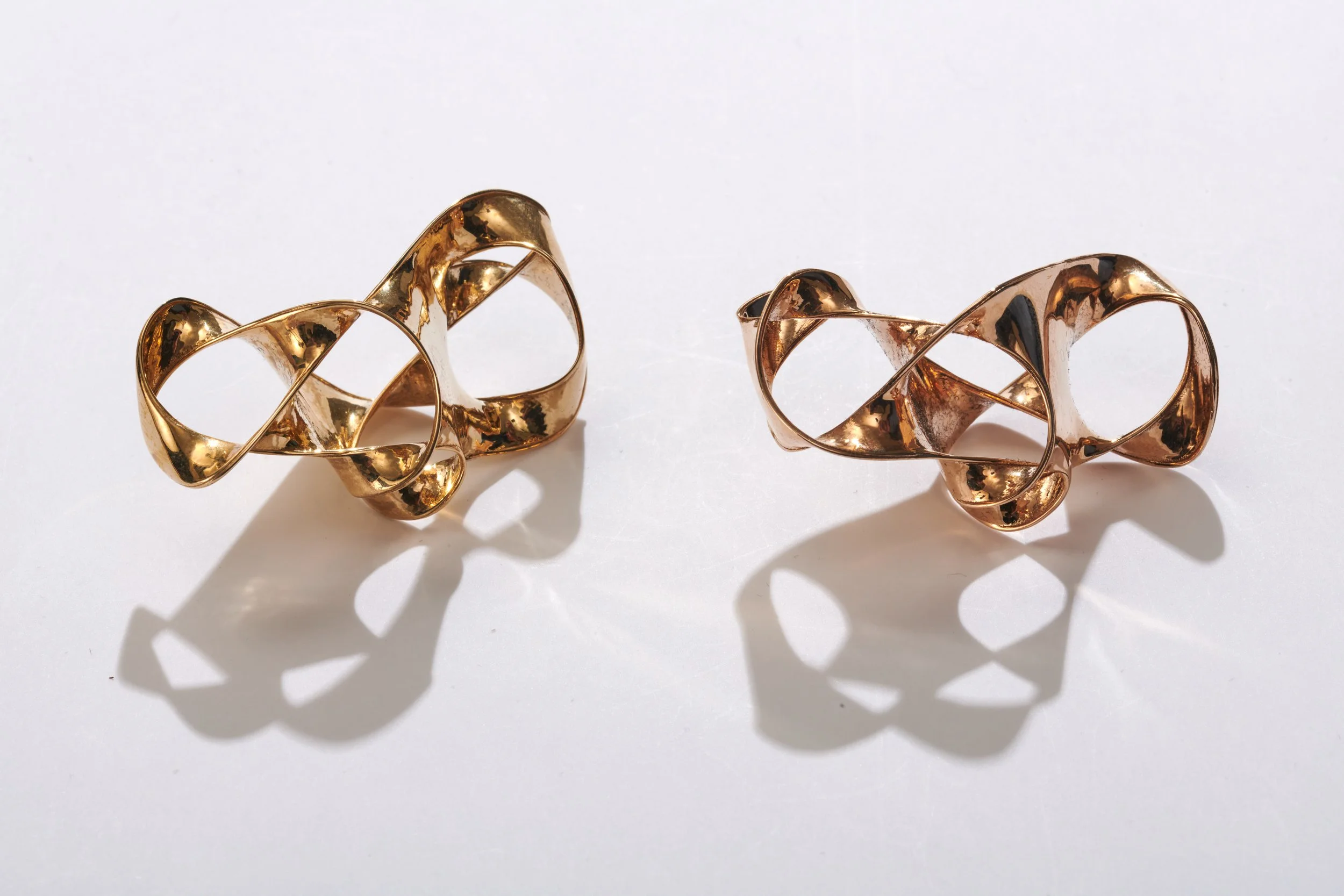
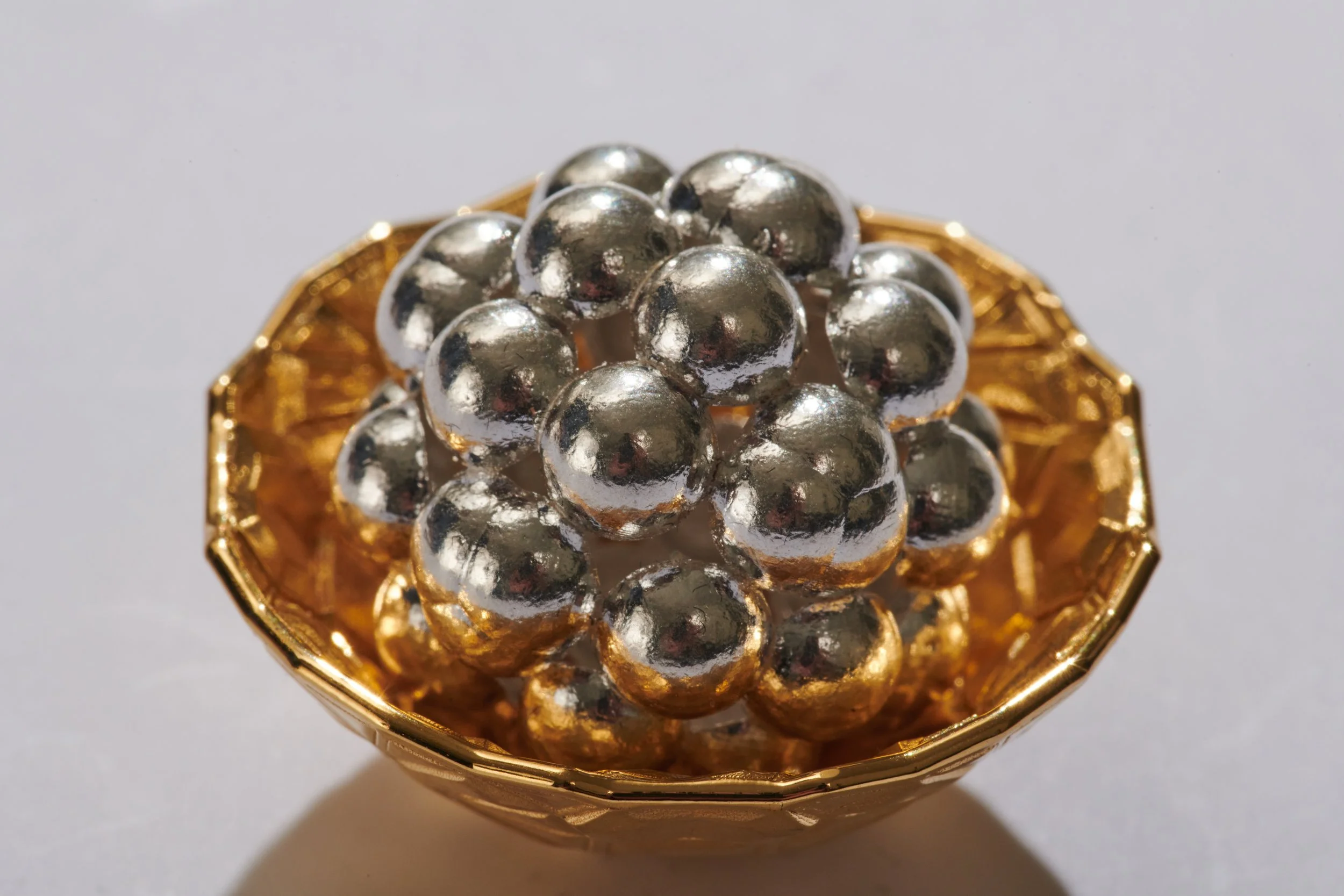
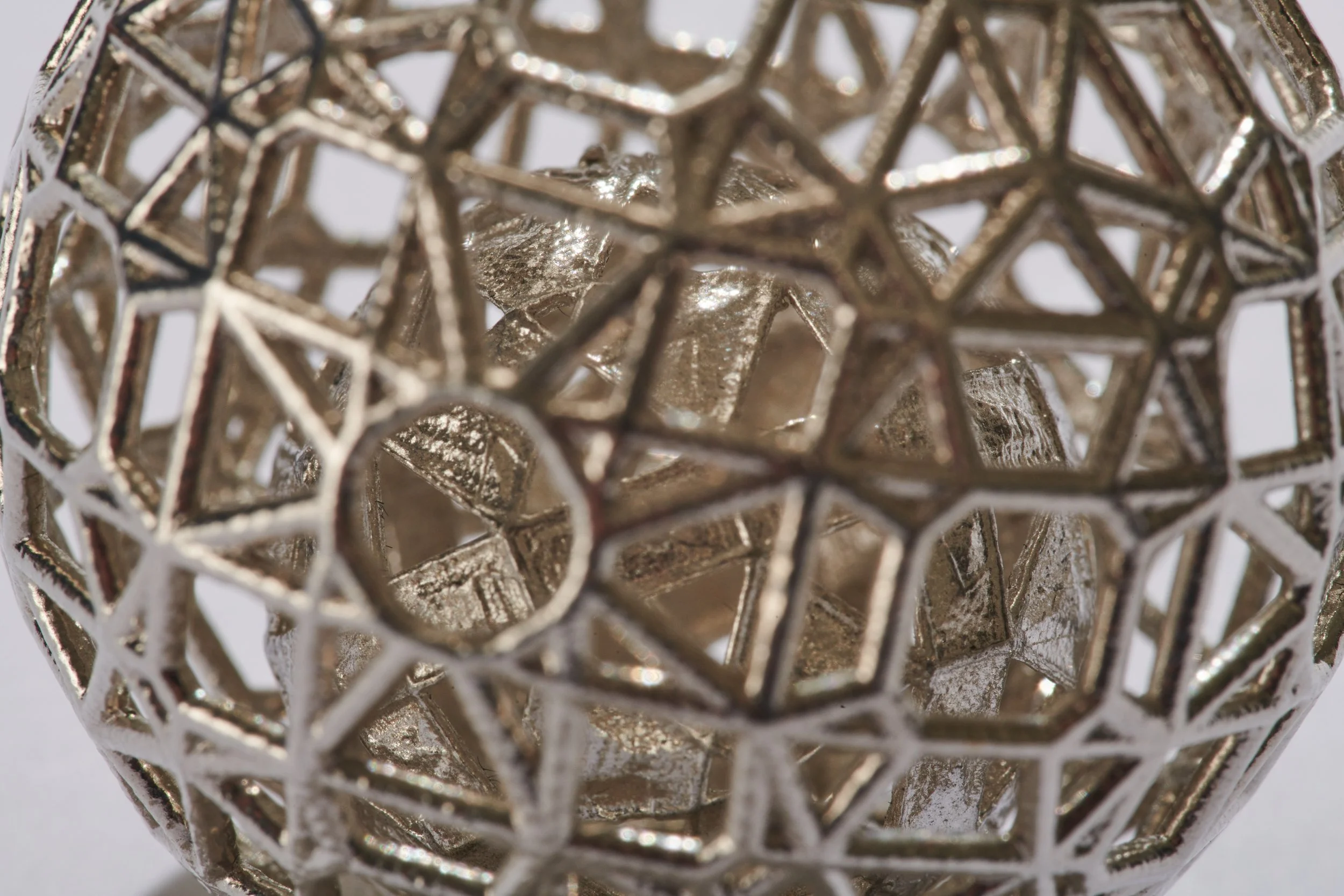
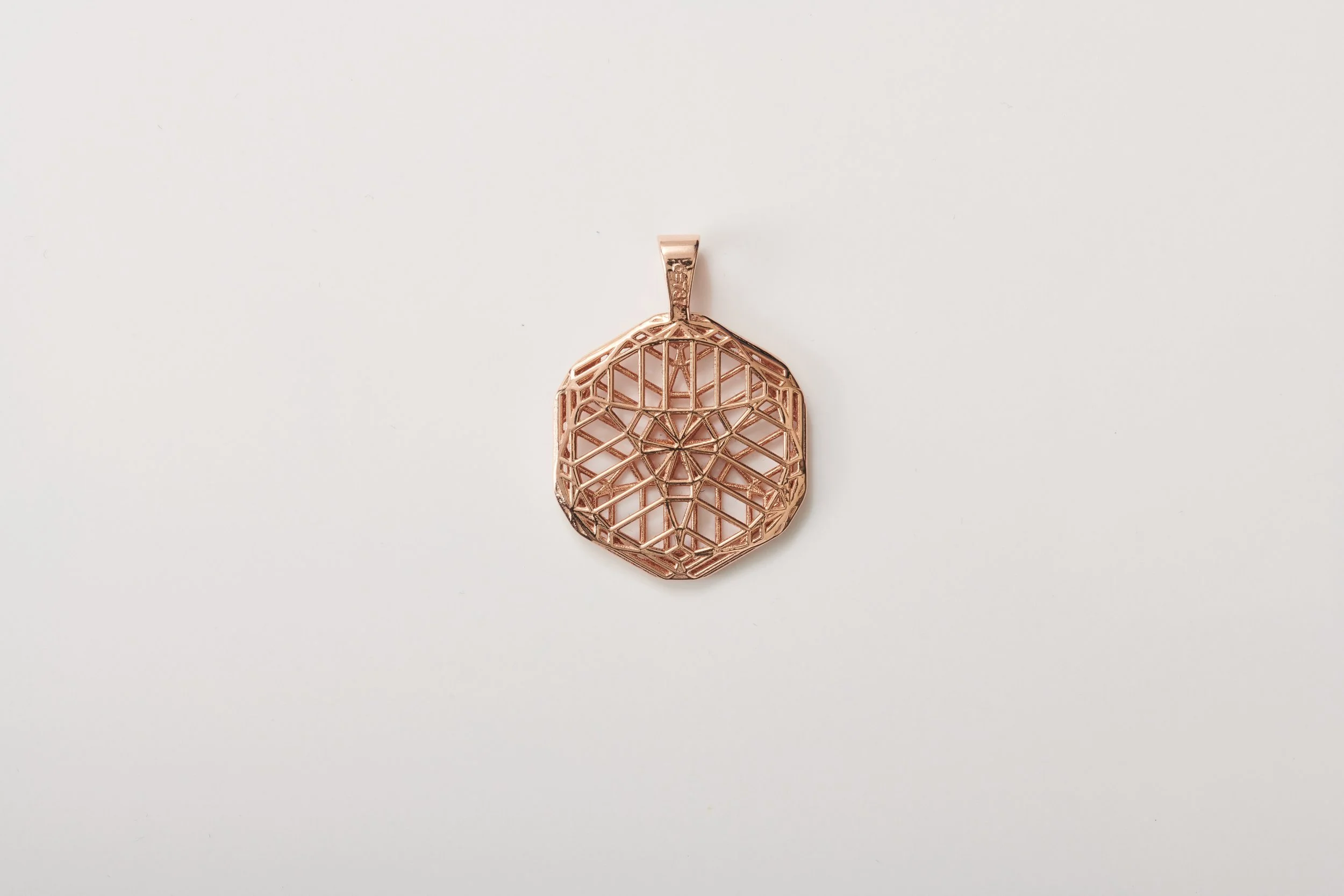
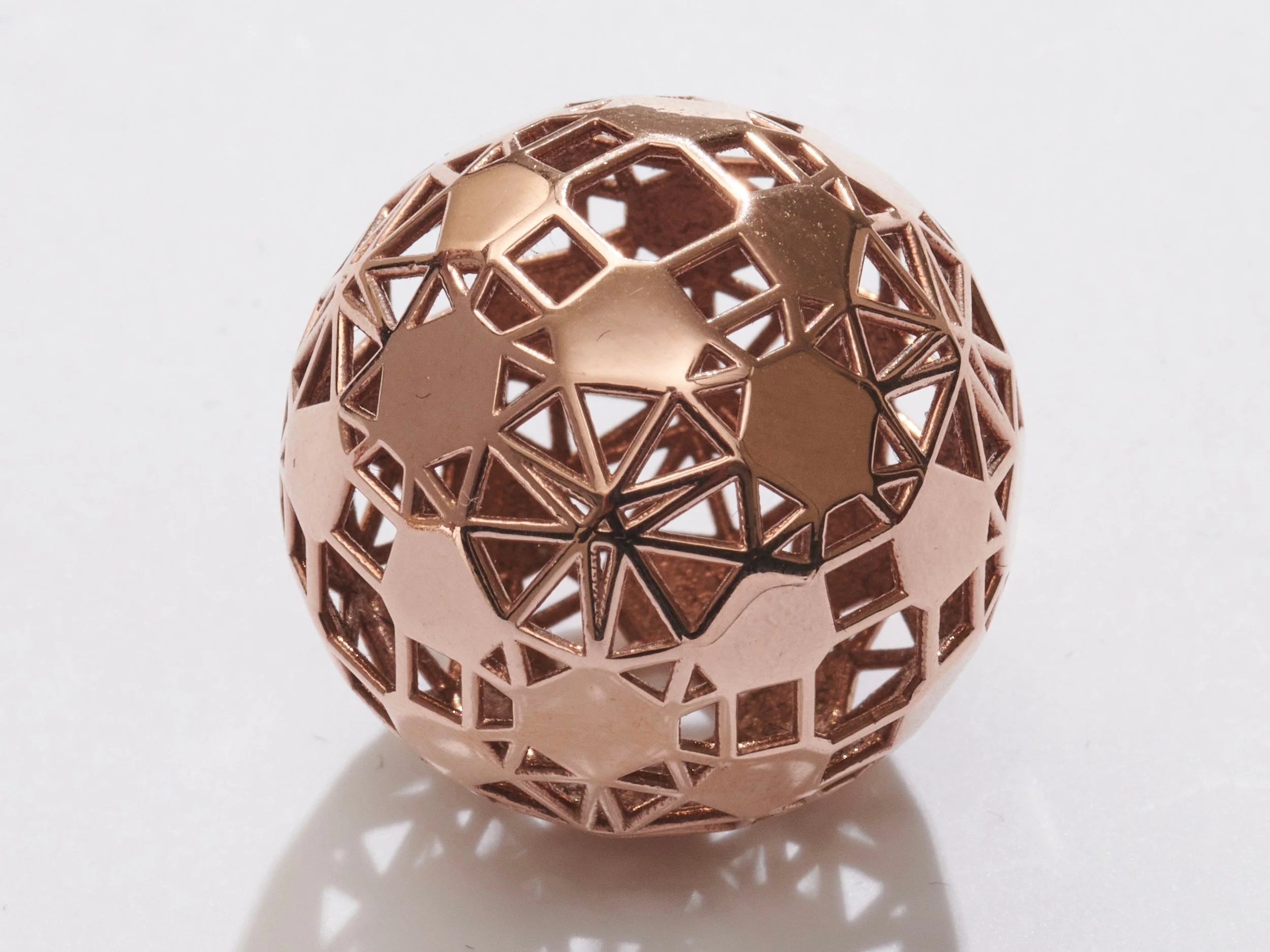
With the advent of computational tools such as Pari/GP, Mathematica, and OpenSCAD, combined with additive manufacturing, Gangl has transformed these abstract mathematical concepts into tangible forms. His delicate models, which embody the beauty of underlying mathematics, are realized in precious metals or durable plastics through 3D printing services such as Castimize and Shapeways, producing functional designs, non-objective decorative art, and jewelry. Seifert surfaces for knots provide a further source of inspiration.
Gangl is currently exploring AI’s expanding potential to animate his creations through images and video. His work has been exhibited at Inhorgenta Munich 2020 (British Pavilion) and is featured in research institutes (INI Cambridge, HIM Bonn), universities (ICERM Brown, Math Library Grenoble), workshops, and even a Christmas market. His logo is also used by the doctoral network COGENT.
Herbert Gangl: The Gems of Hypolytos
Each of my 3D-printed sculptures embodies a distinct mathematical entity—not arbitrary forms, but precise building blocks drawn from hyperbolic geometry, each arising from a specific imaginary quadratic field and identified by its discriminant. Mathematics has always held an inherent beauty that calls for physical expression.
Through computer algebra systems and 3D printing, I was able, in 2016, to transform these abstract mathematical objects into tangible jewelry and decorative pieces. This process fascinates me: code becomes craft, algorithm becomes ornament, and pure theory finds new life as wearable art. The intimacy of jewelry allows mathematical concepts to literally touch human experience.
The Greek-inspired name Hypolytos playfully references hyperbolic polytopes. I am now exploring AI’s potential to animate these static forms, continuing my investigation into how emerging technologies can reveal the hidden beauty of mathematical structures.
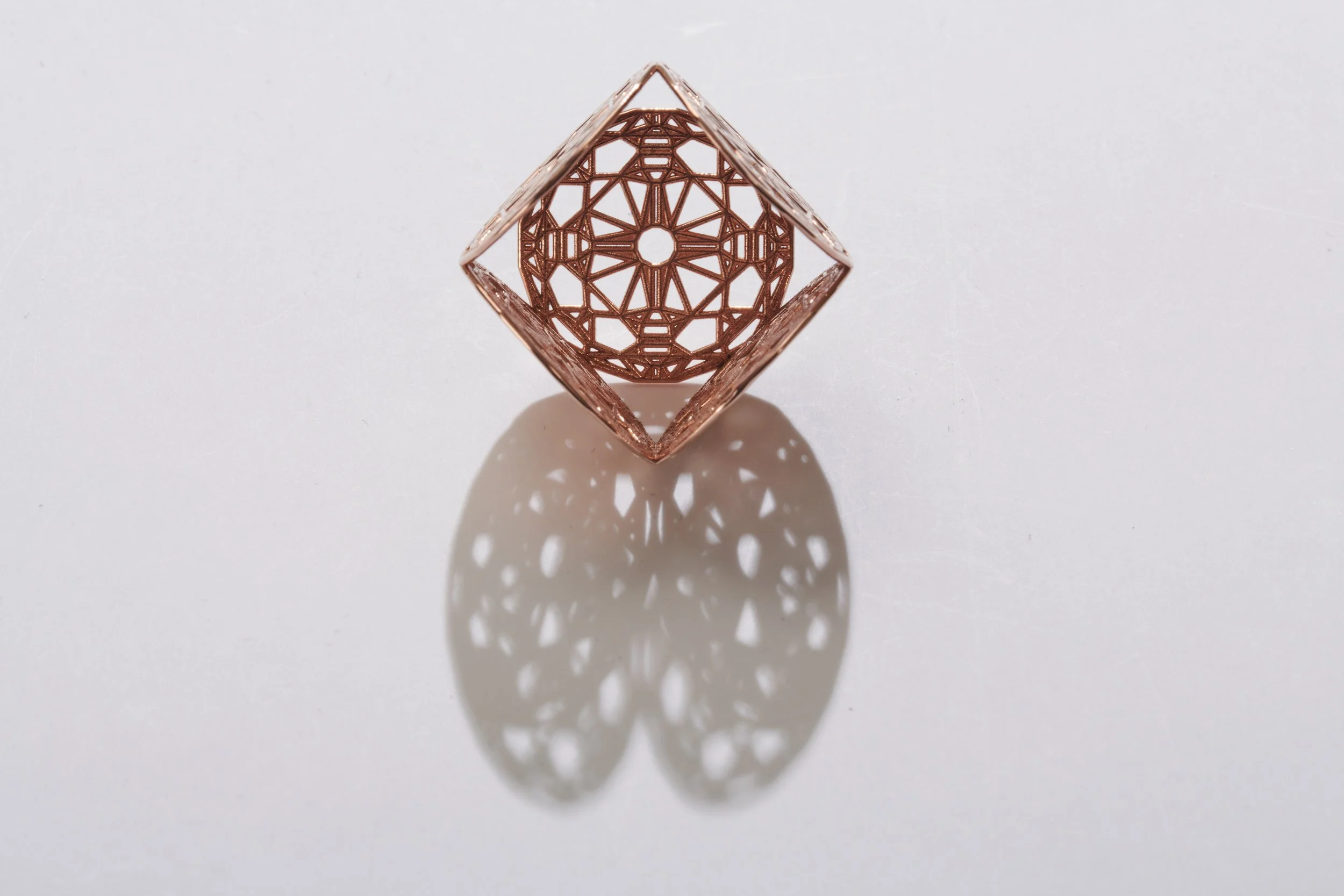
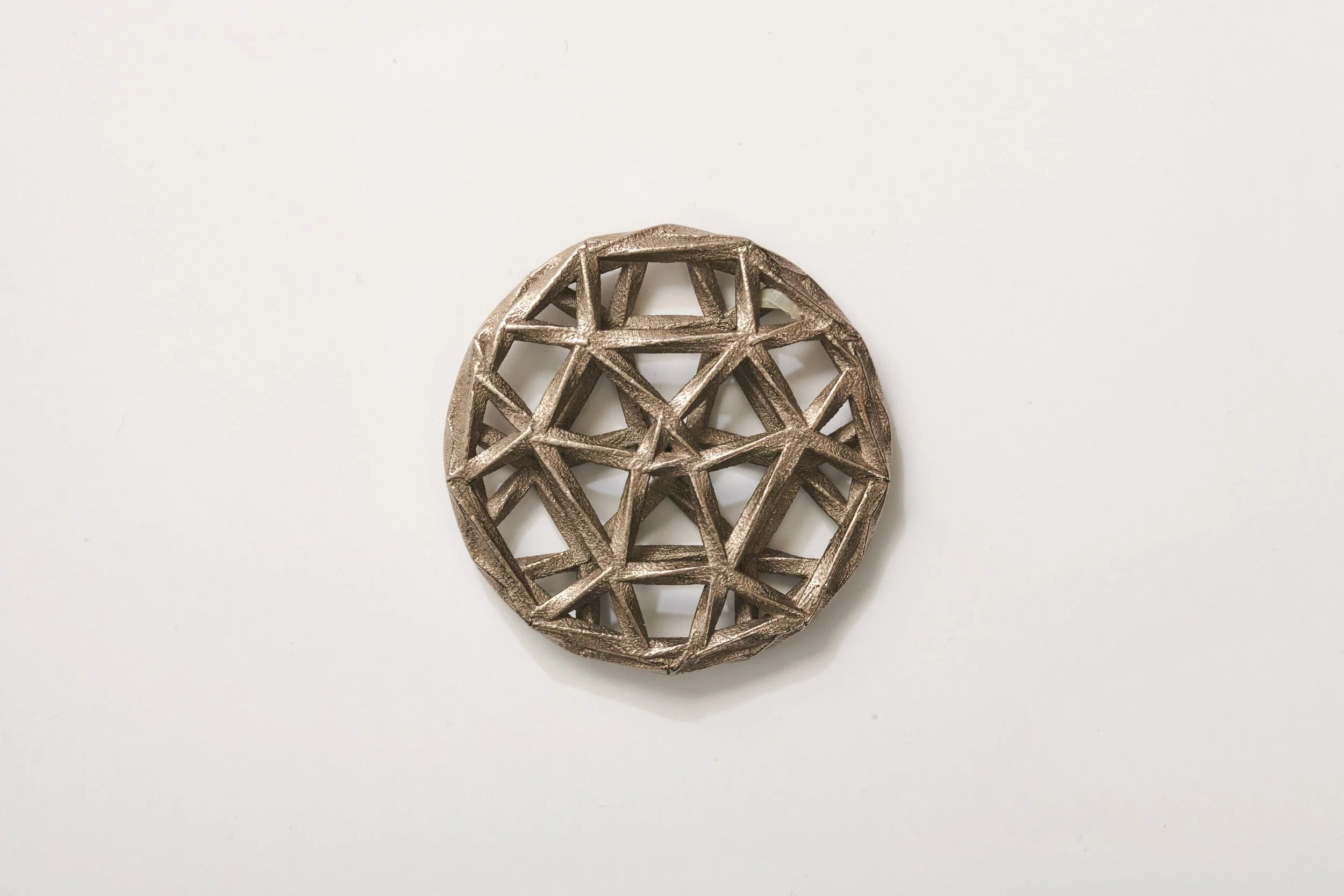
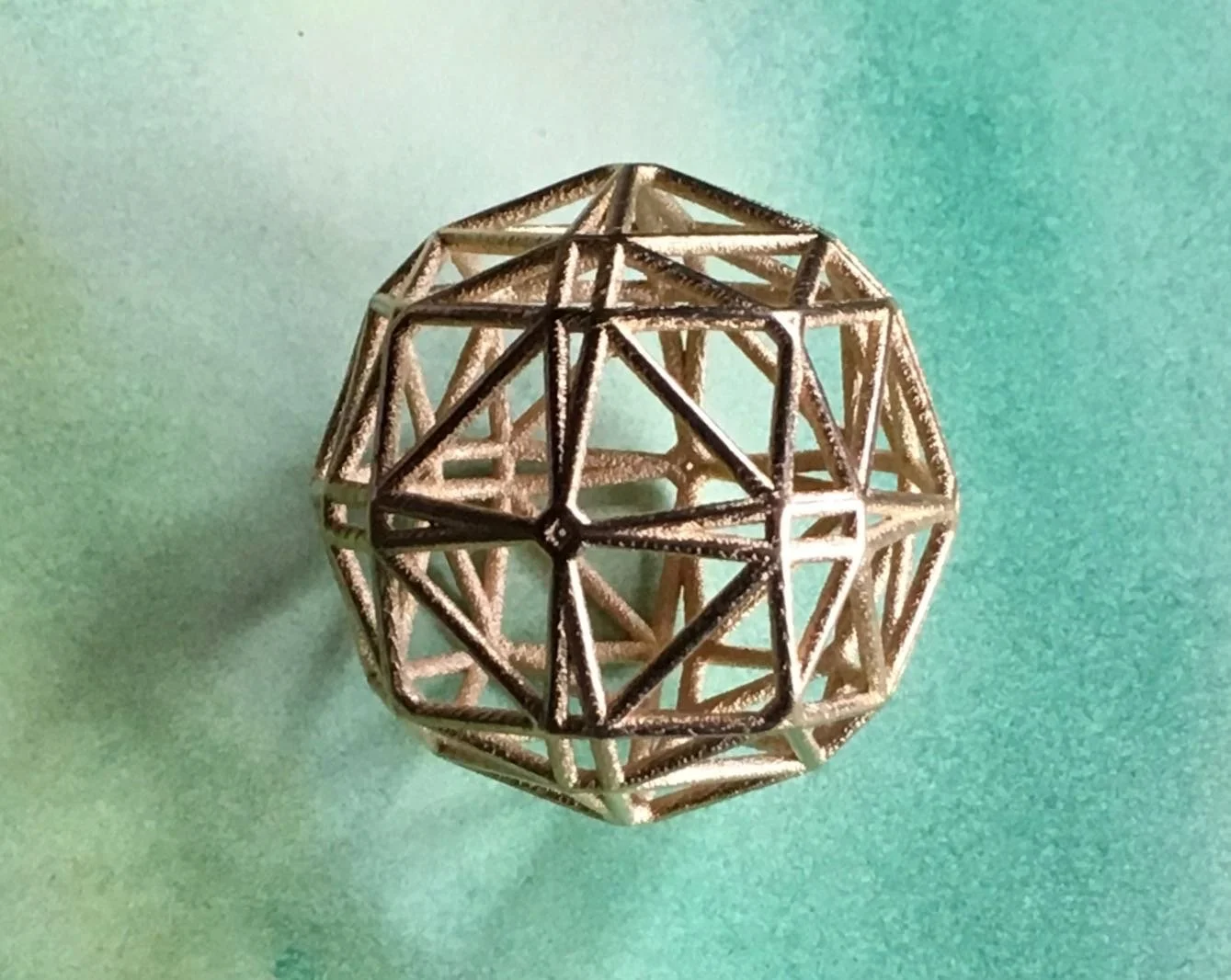
“I transform mathematical structures into beautiful, tangible forms—-from jewellery and decorative objects to occasional functional designs—where geometric precision meets aesthetic wonder through digital craft.”