LOGAN
CLUSTER CRAFTS : “ANNEAL” EXHIBITOR
2026
ARTWORK FOR PURCHASE AVAILABLE SOON
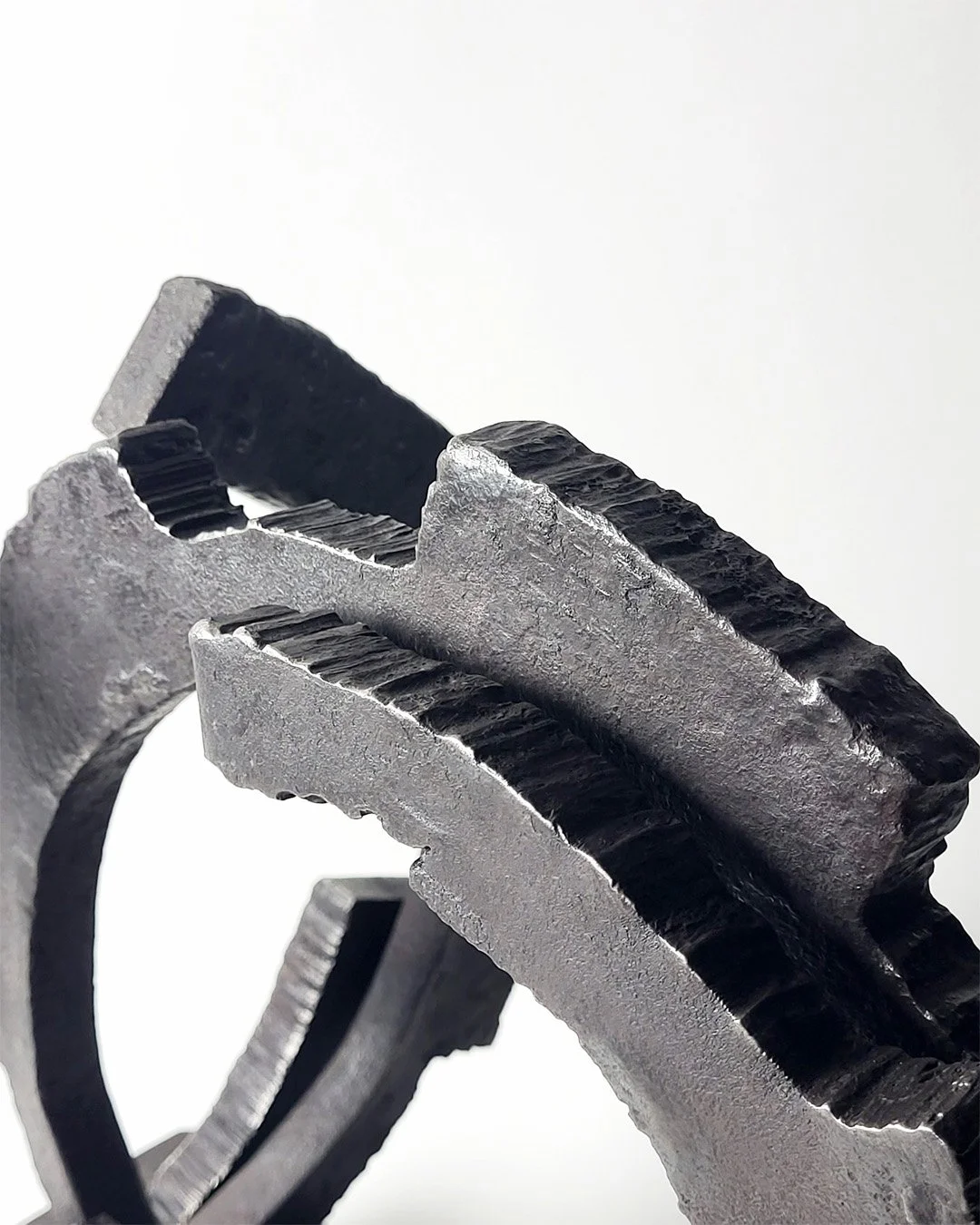
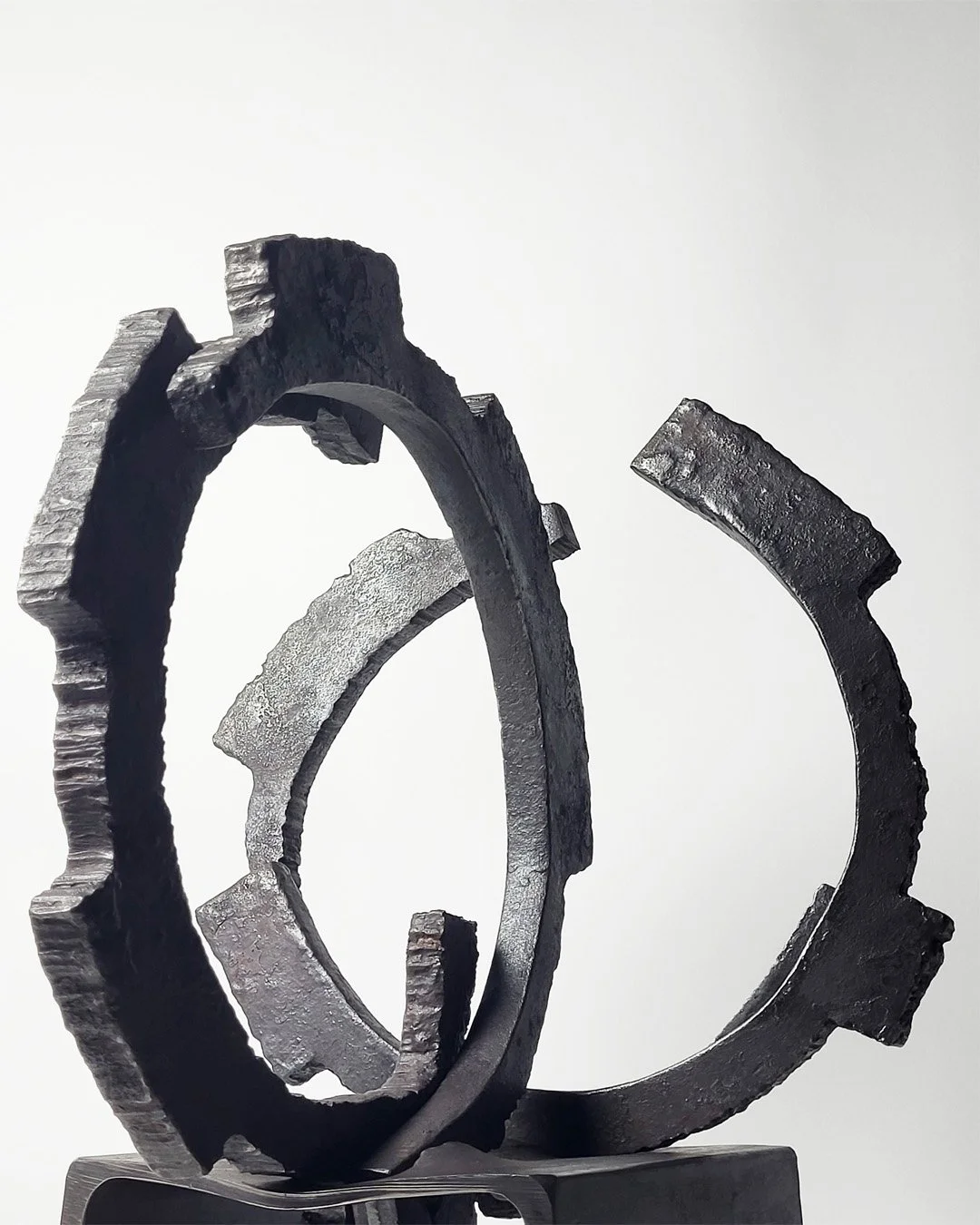
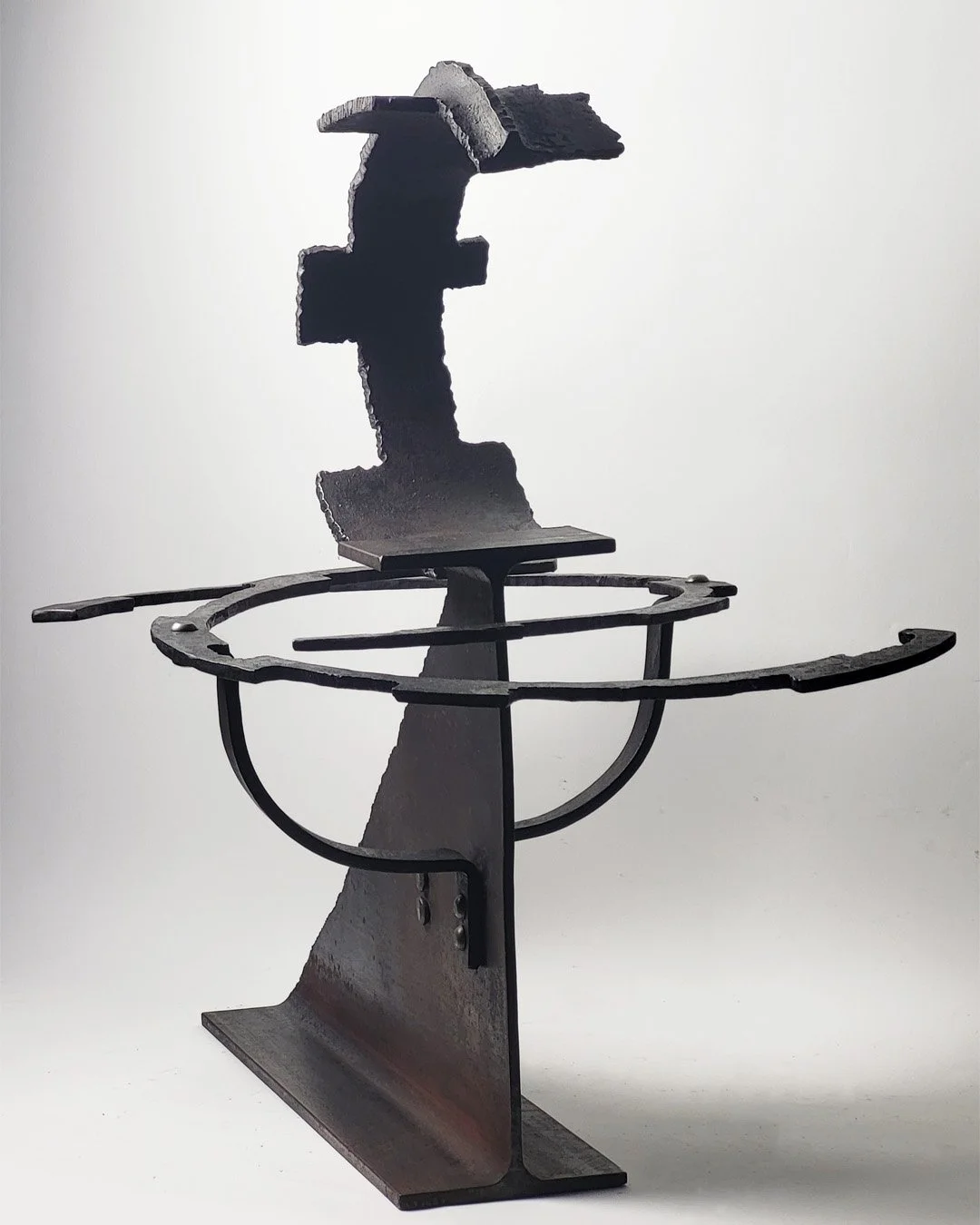
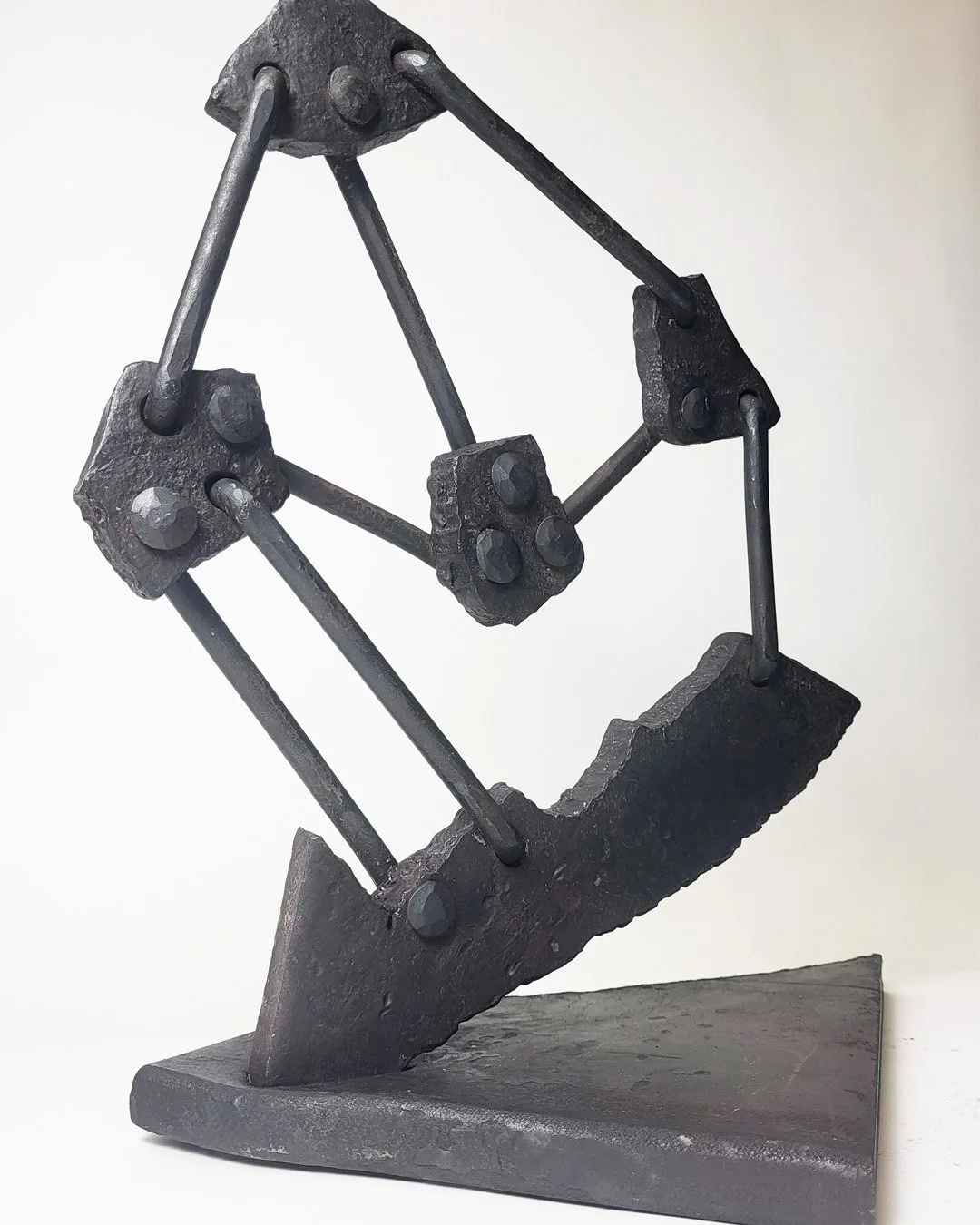
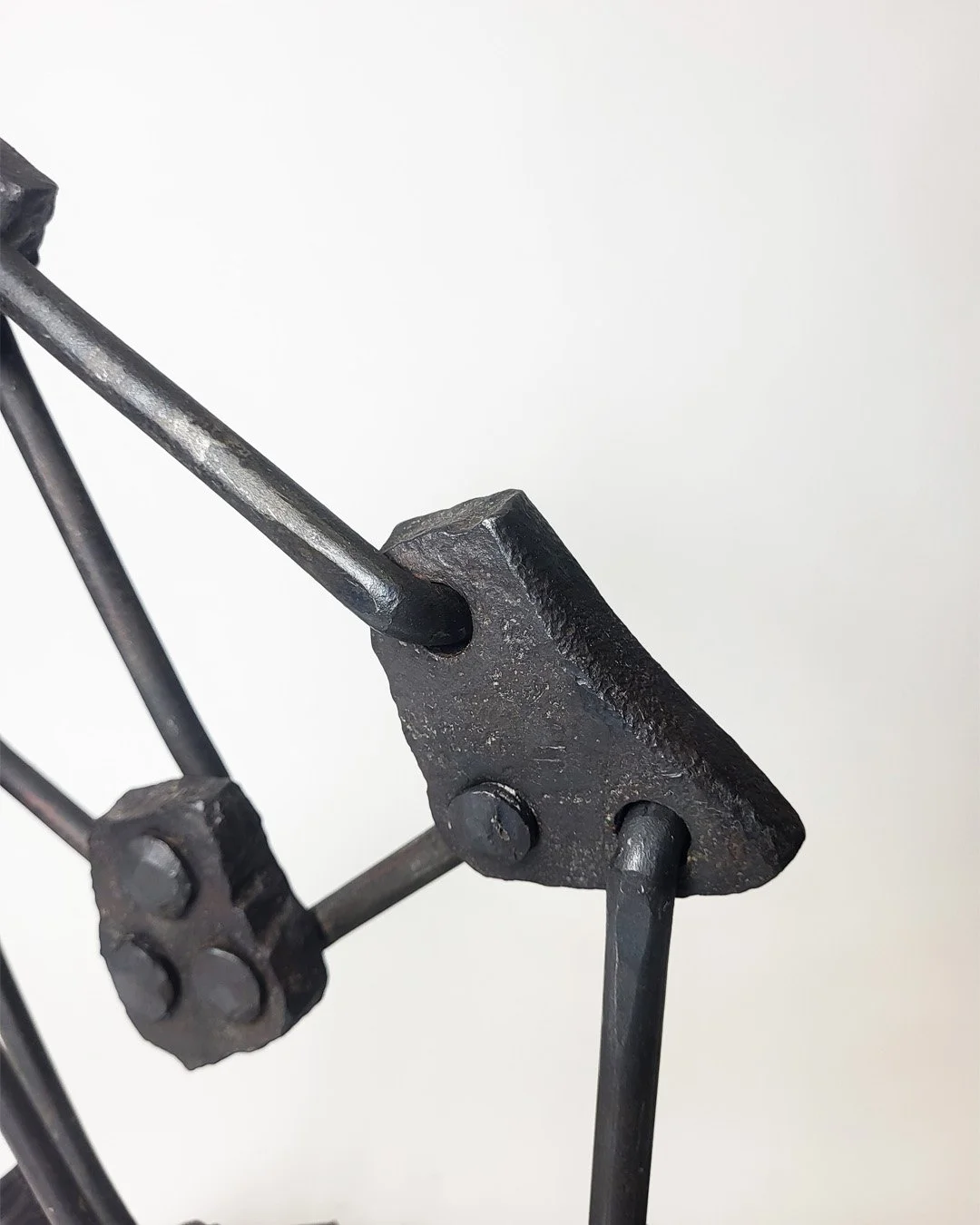
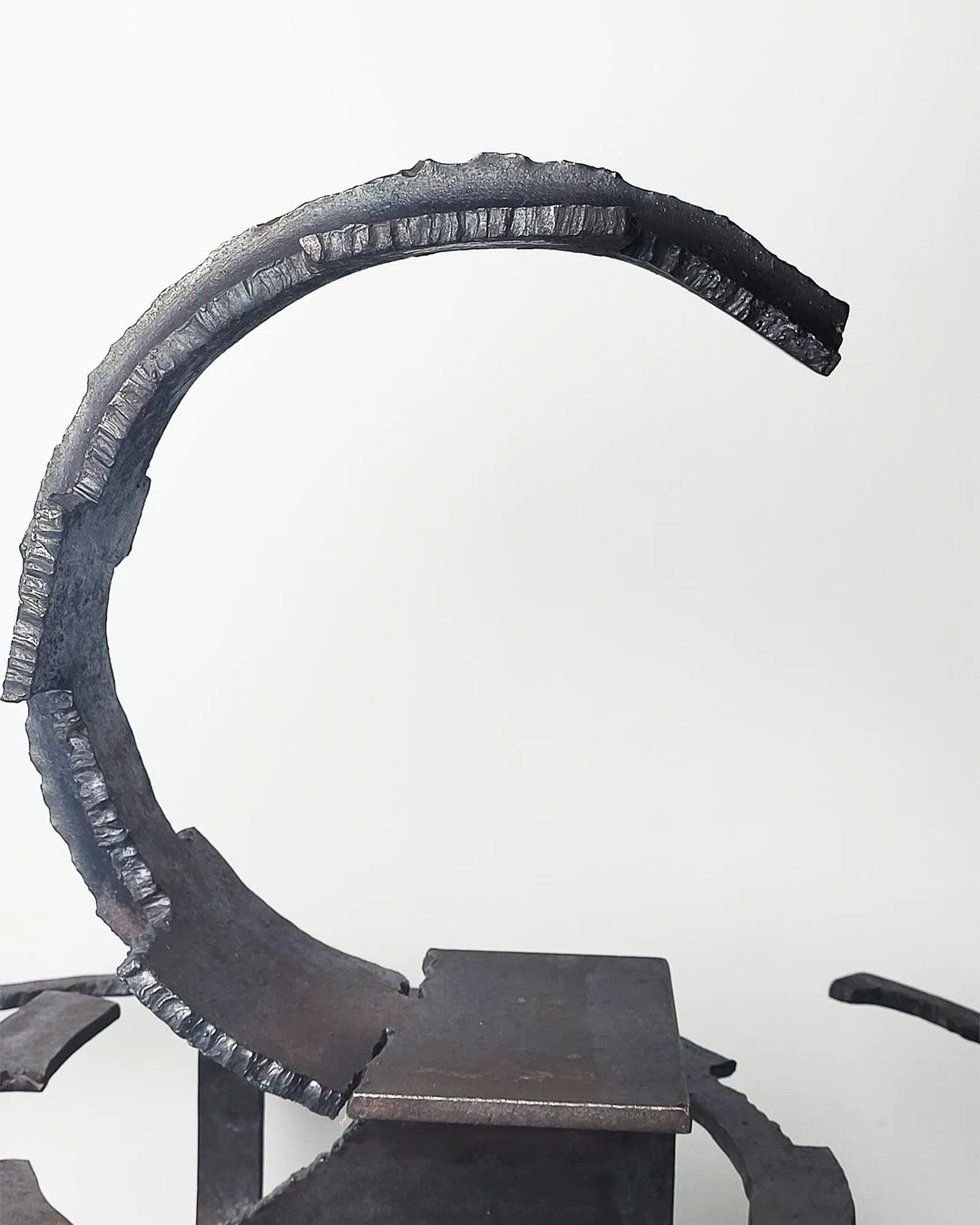
Logan Dootson is an artist blacksmith who creates narrative based work in steel. His focus on story driven elements is indicative of his upbringing where games, films, TV and books influenced the man he is today. Logan began his studies as a blacksmith at Hereford College of Arts on the Artist Blacksmithing (Hons) degree course and subsequently went on to study the MA Forged Metal Arts masters degree there. Studying at a masters level has allowed Logan to fully express his ideas, values and themes surrounding his work. The storytelling components are expressed throughout his forged sculptures, allowing viewers to fully immerse themselves in the narratives he crafts. This storytelling provides a setting for his pieces to thrive, serving as historical reminders of the past or visions and versions of the future. Taking elements of traditional forging and combining them with contemporary techniques means that his style is extremely unique, a quality that is extremely important to him. Logan's current work focuses on using speculative design and asks the question 'what if?' to generate science fiction based sculptures that have functions pertaining to the futuristic setting he creates.
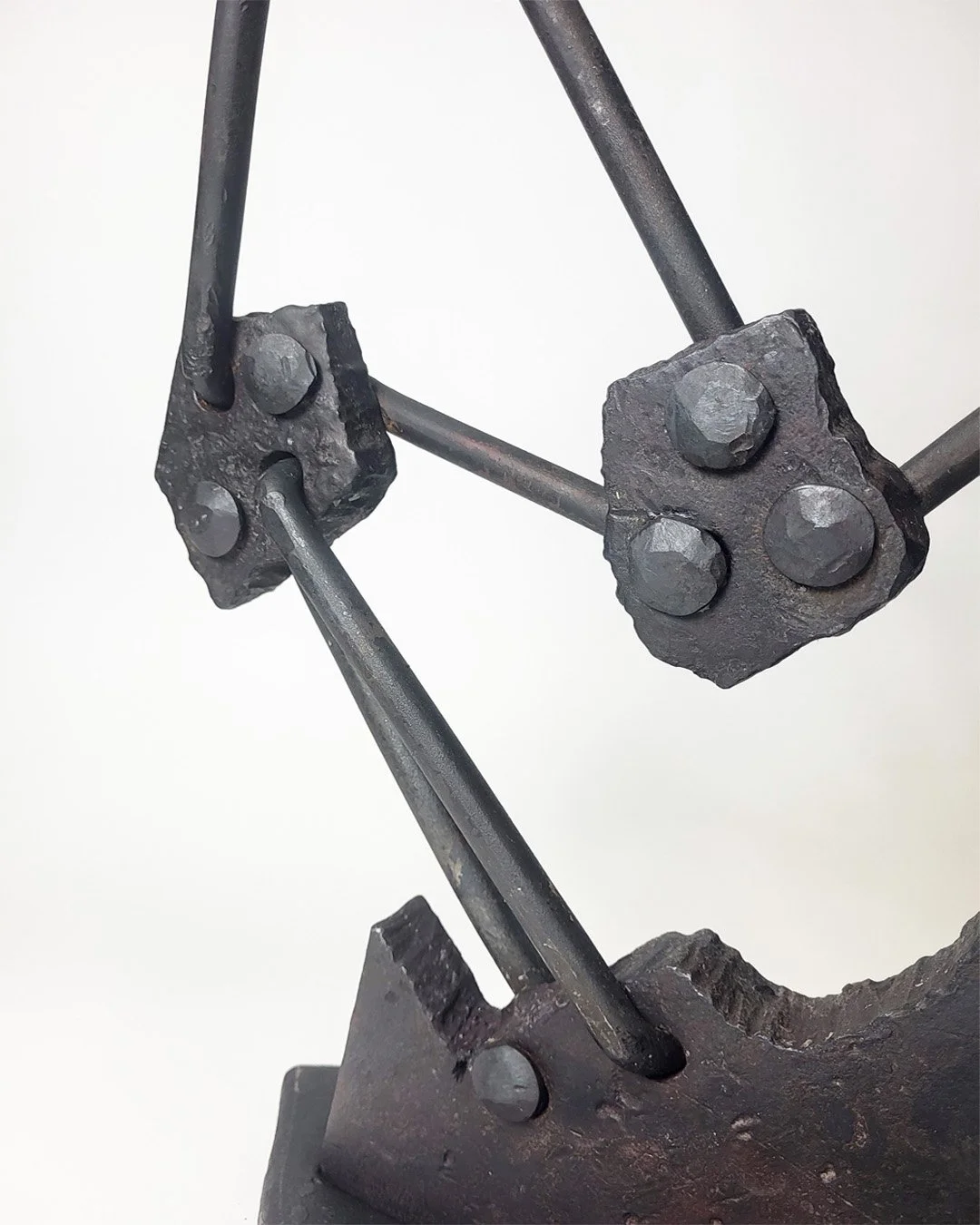
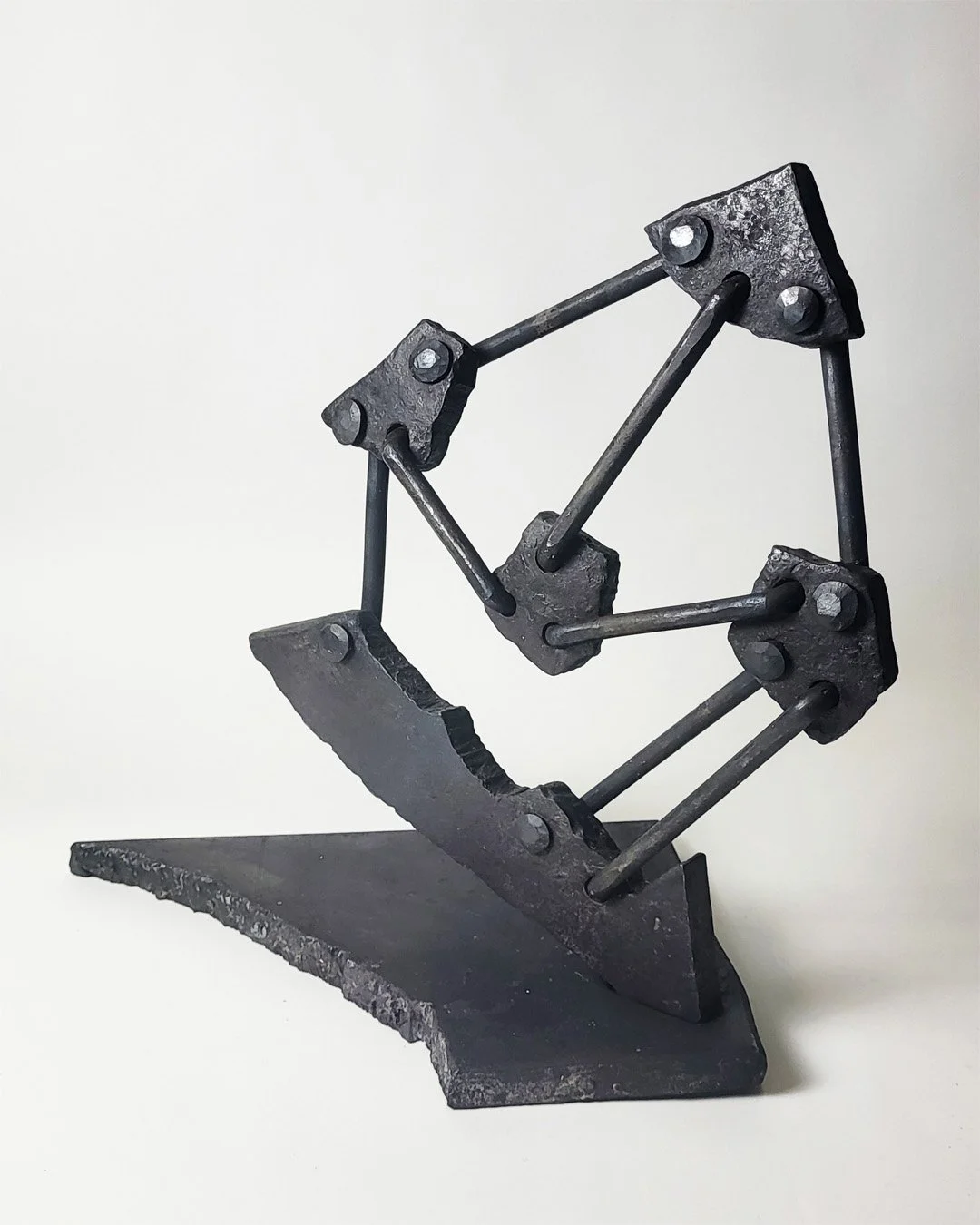
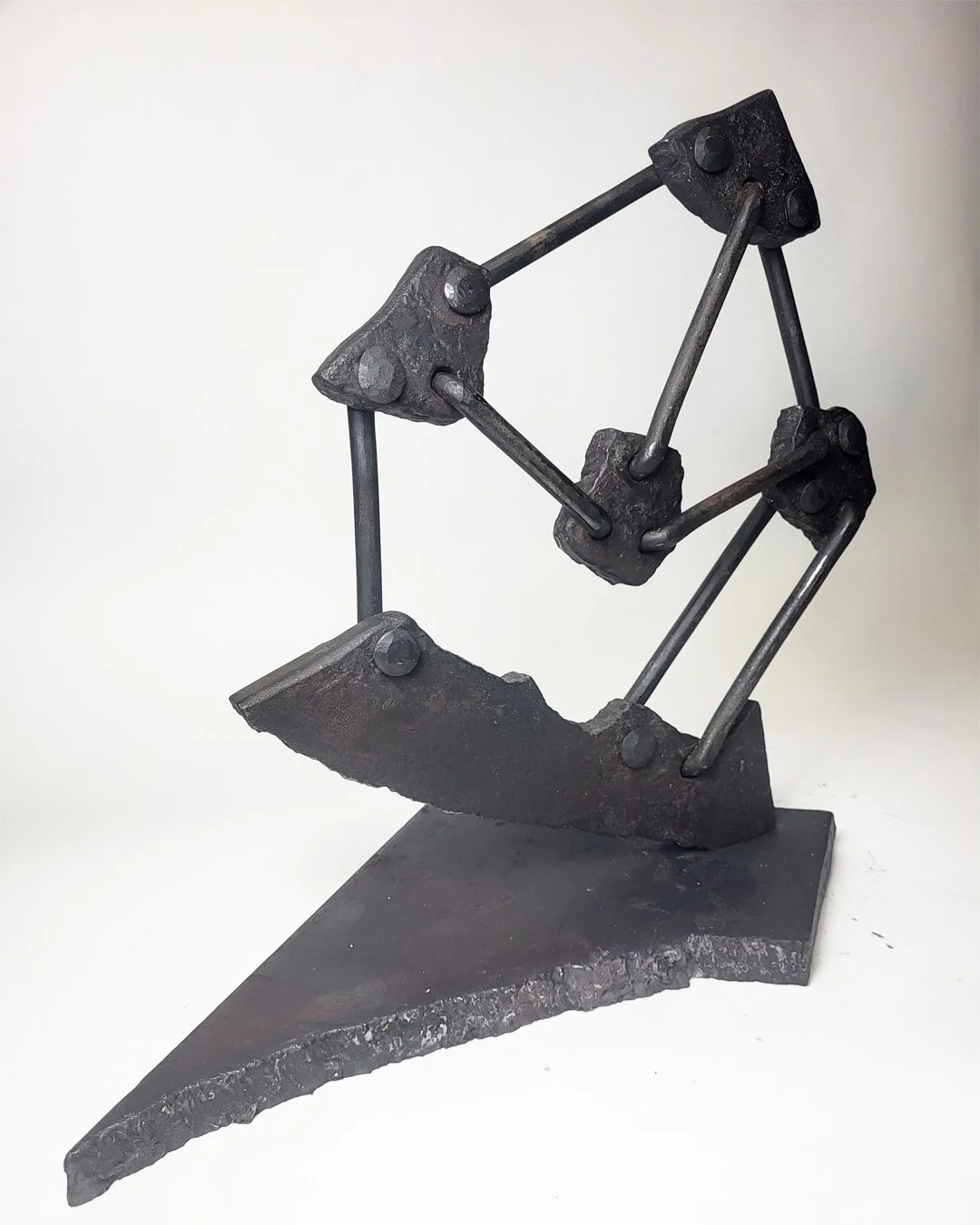
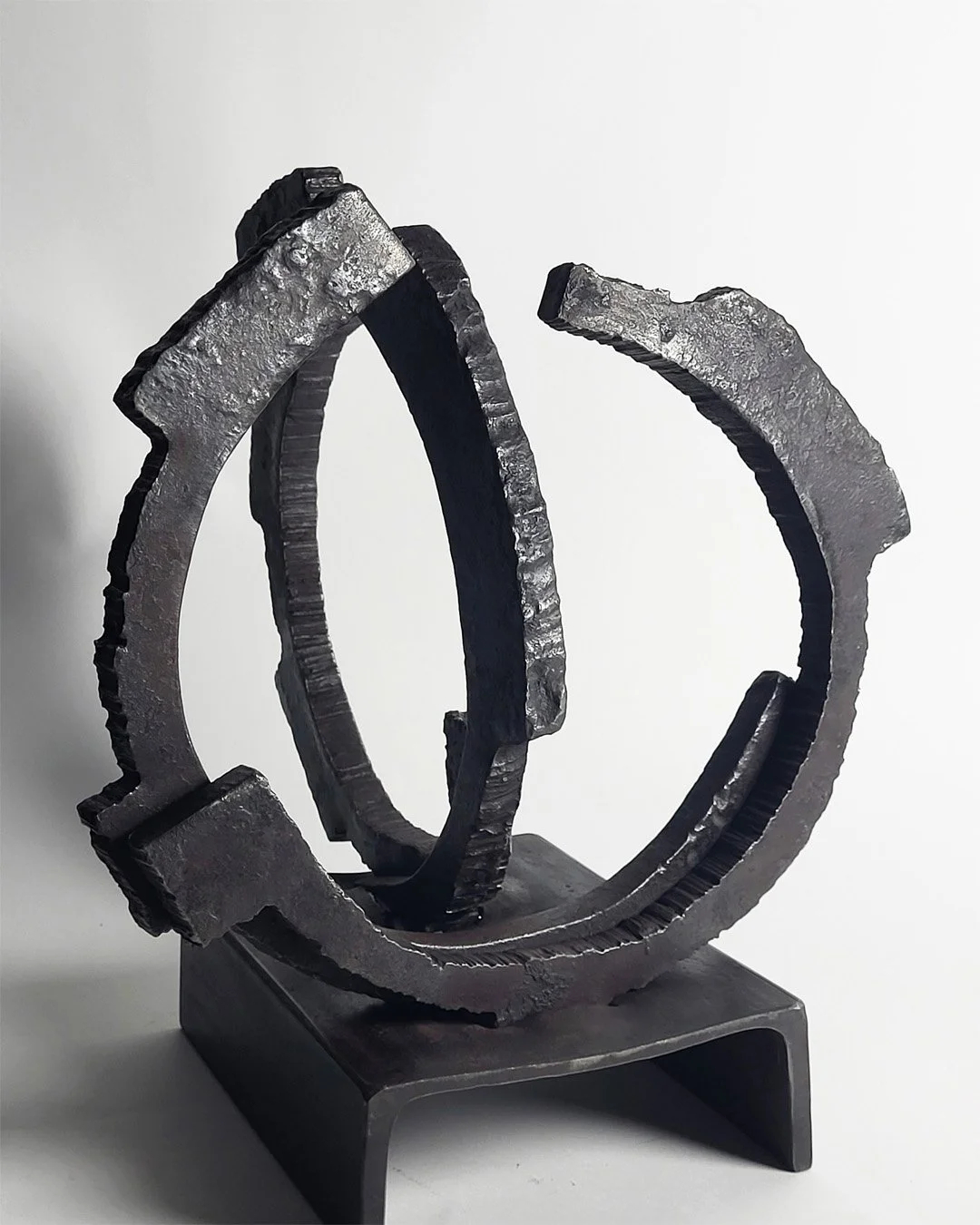
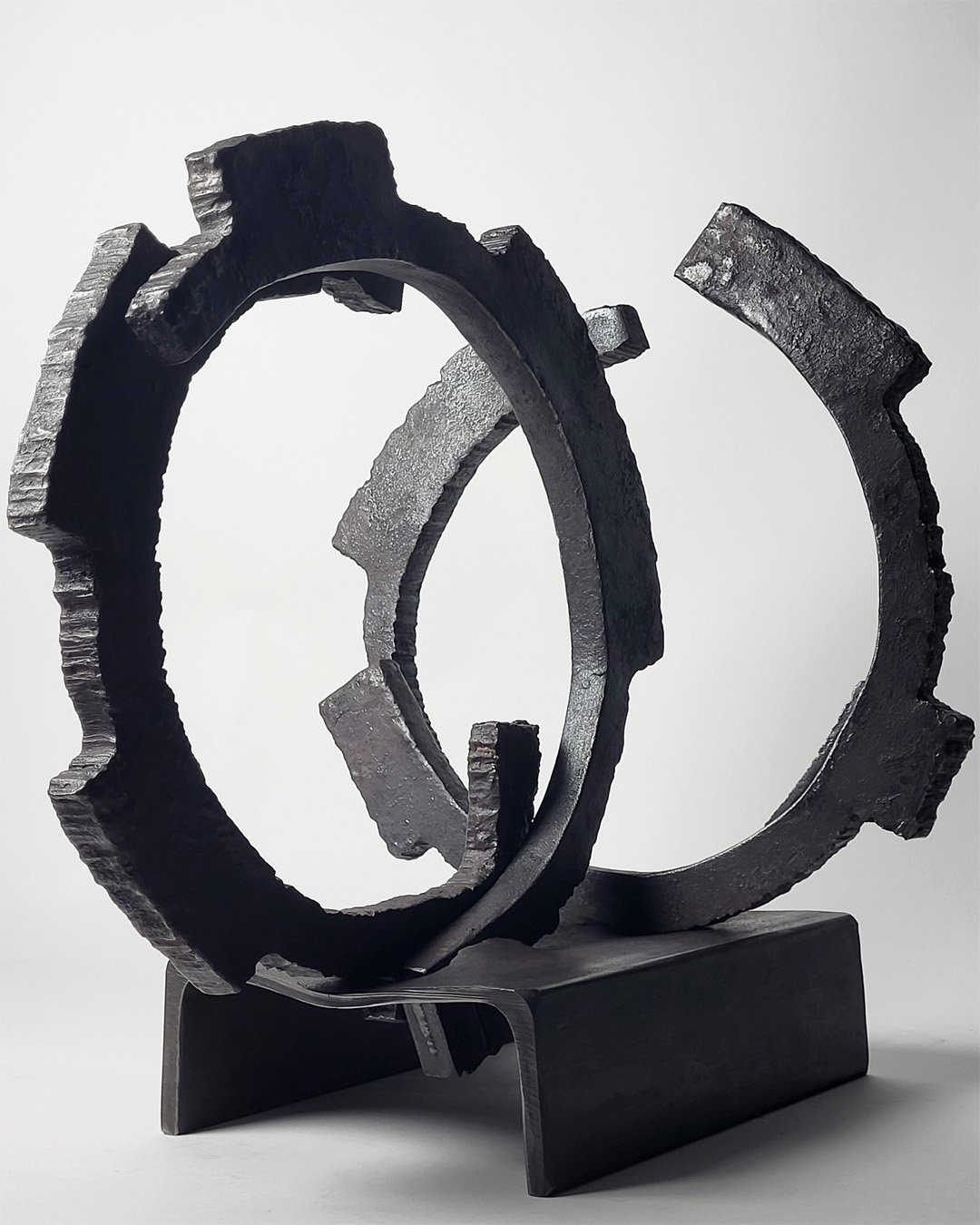
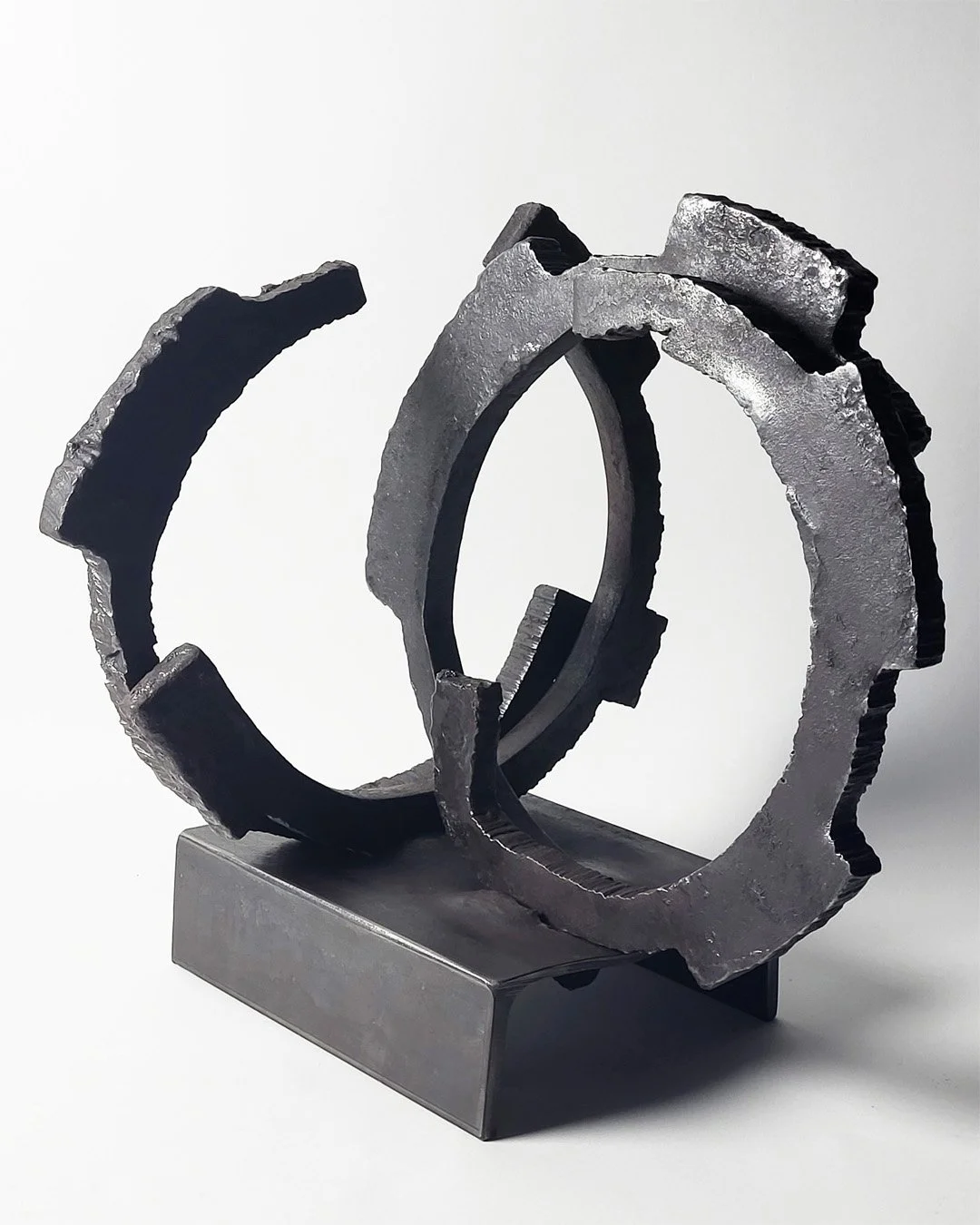
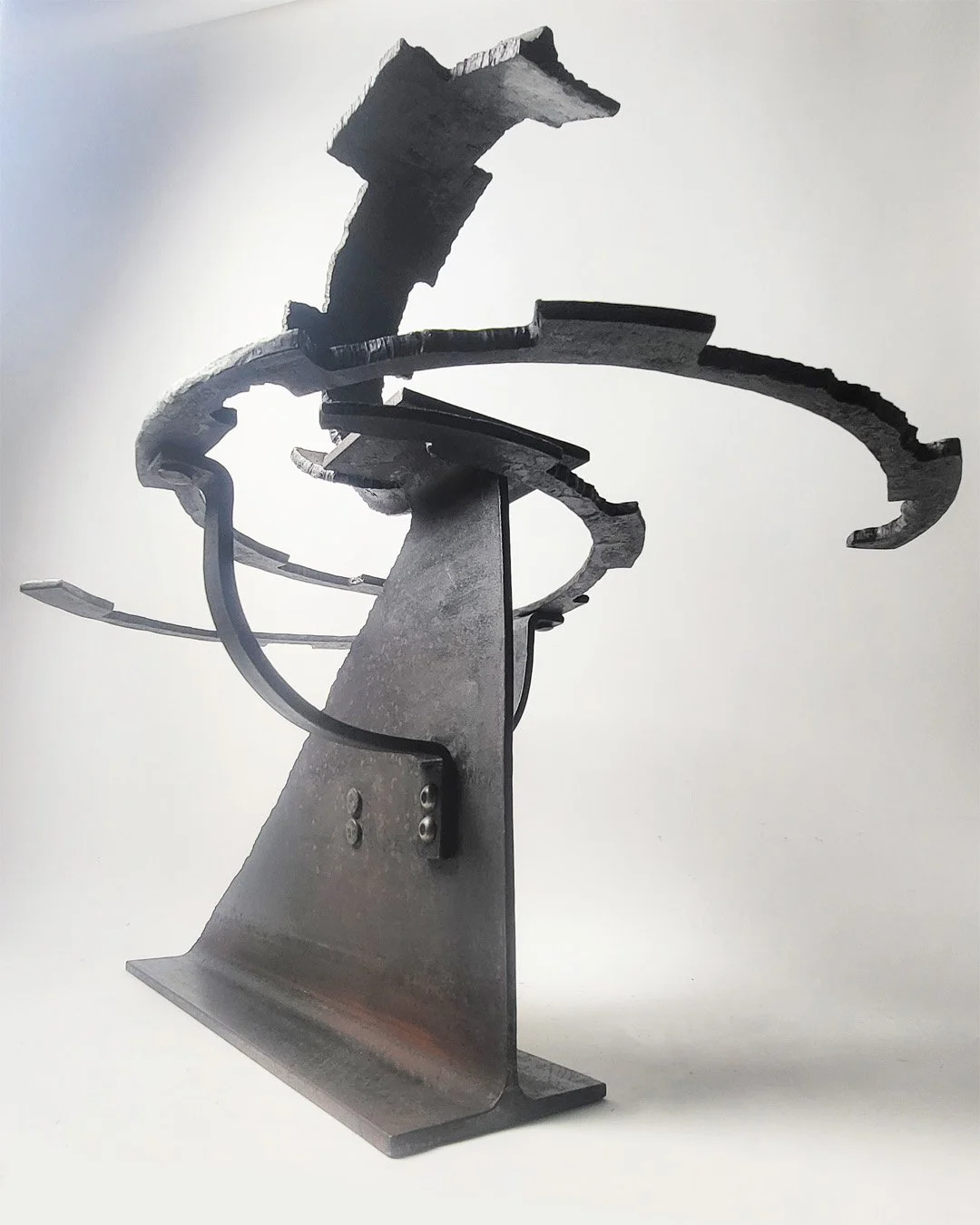
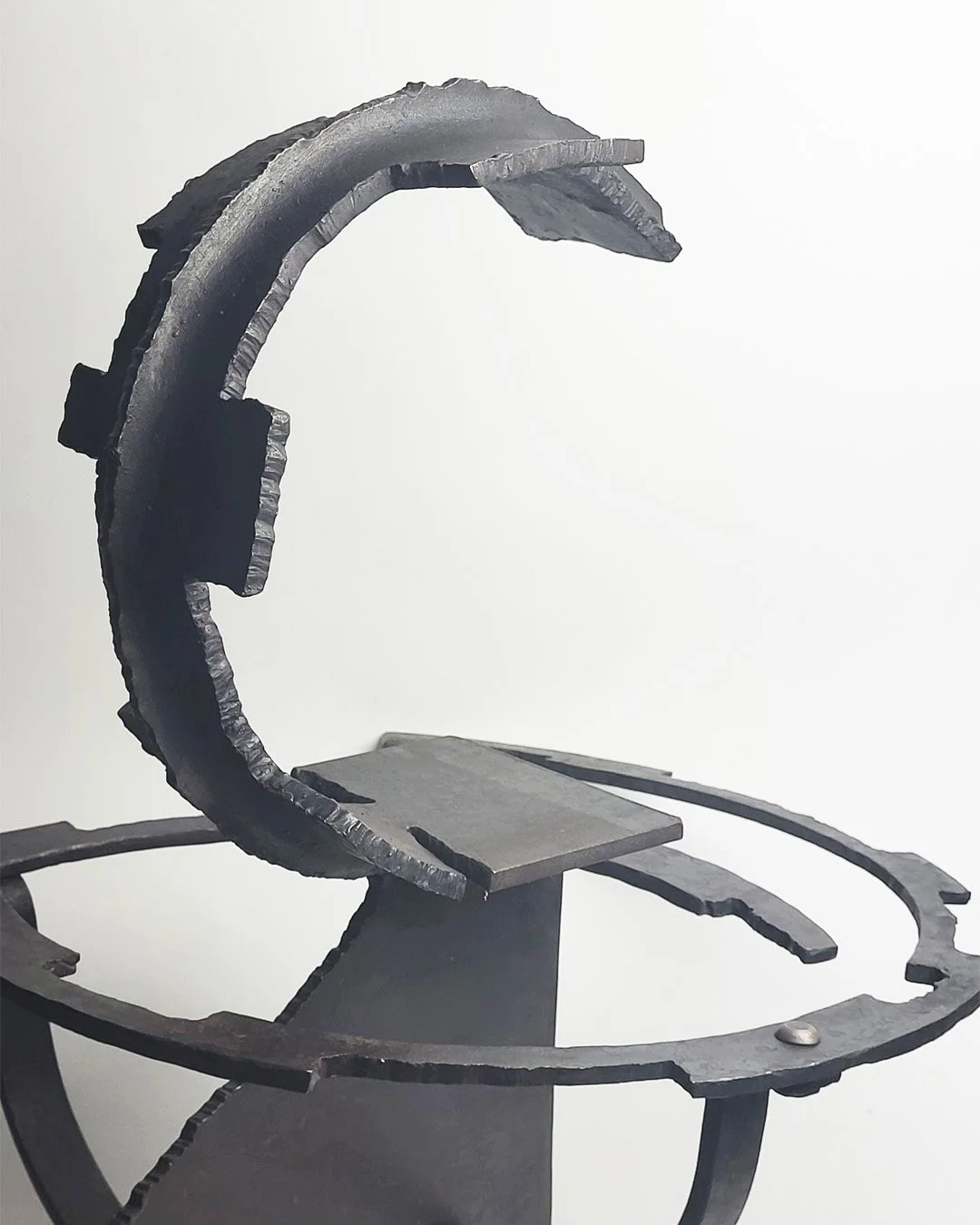
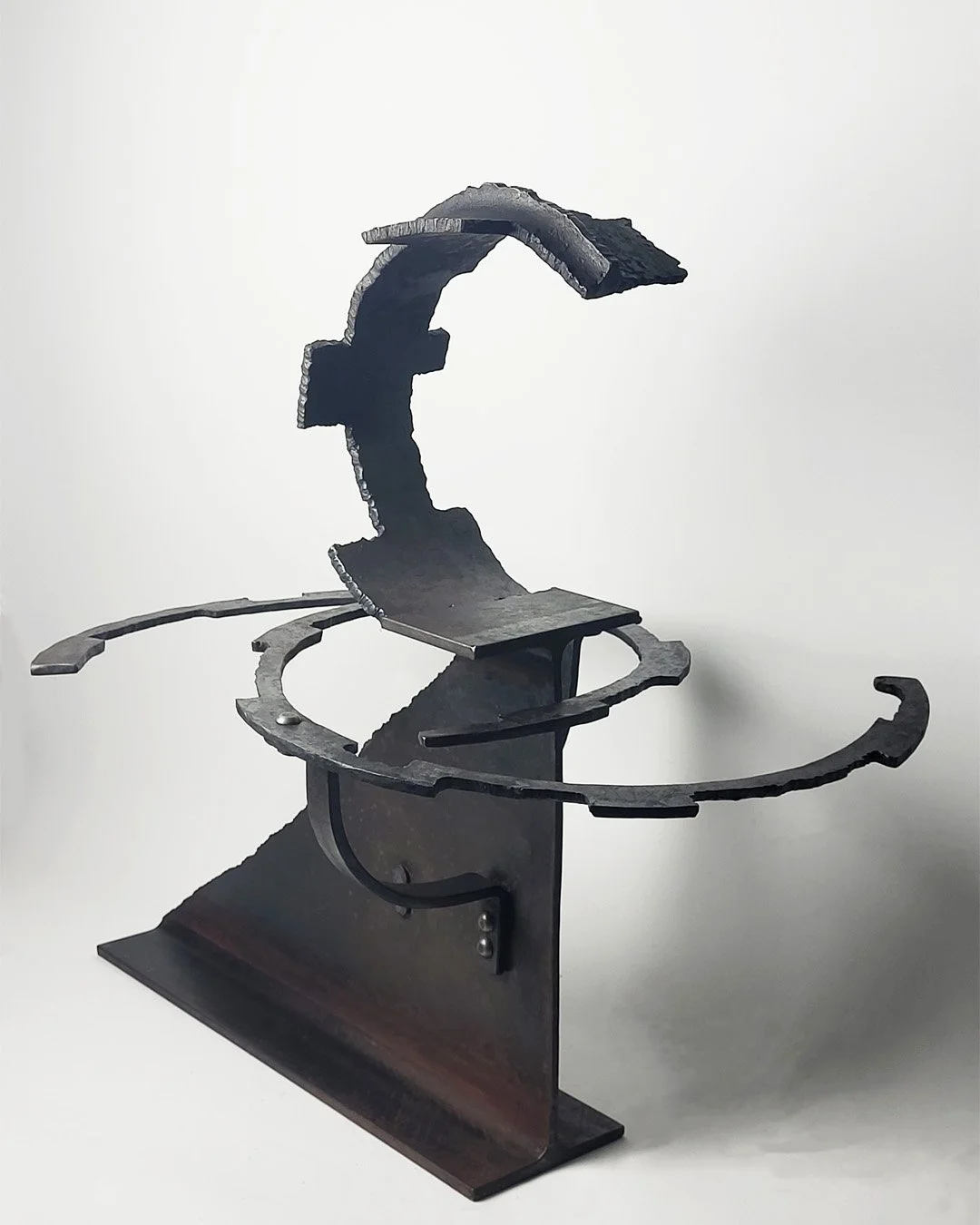
‘How To Design The Future’ stems from the question 'what if'. The project uses speculative design as the primary design methodology in its creation. It focuses on a particular issue that is being faced by humanity today and amplifying it to draw out a solution in the form of a 'functional' object. These issues such as: corrupt leaders, genocide, climate crisis, inequality and so many more are taken and exaggerated to extreme proportions until only a strange or unnatural solution presents itself. These solutions take the form of 'functional' objects like I mentioned previously. I state these objects are 'functional' because they are sculptures made of forged steel however, in the right setting they are creations that define a science fiction narrative. They both enable and are enabled by the sci-fi setting that they are part of. They are the 'novum' which individualises their worlds and solve the exaggerated issue that plagues the fictional setting. These objects have explicit ‘tool’ like qualities that facilitate holding and using but also appear unfamiliar. ‘How To Design The Future’ blends traditional techniques with ideas of the future to create science fiction objects.