LEA STUDIOS
“CODE&CRAFT”
2025


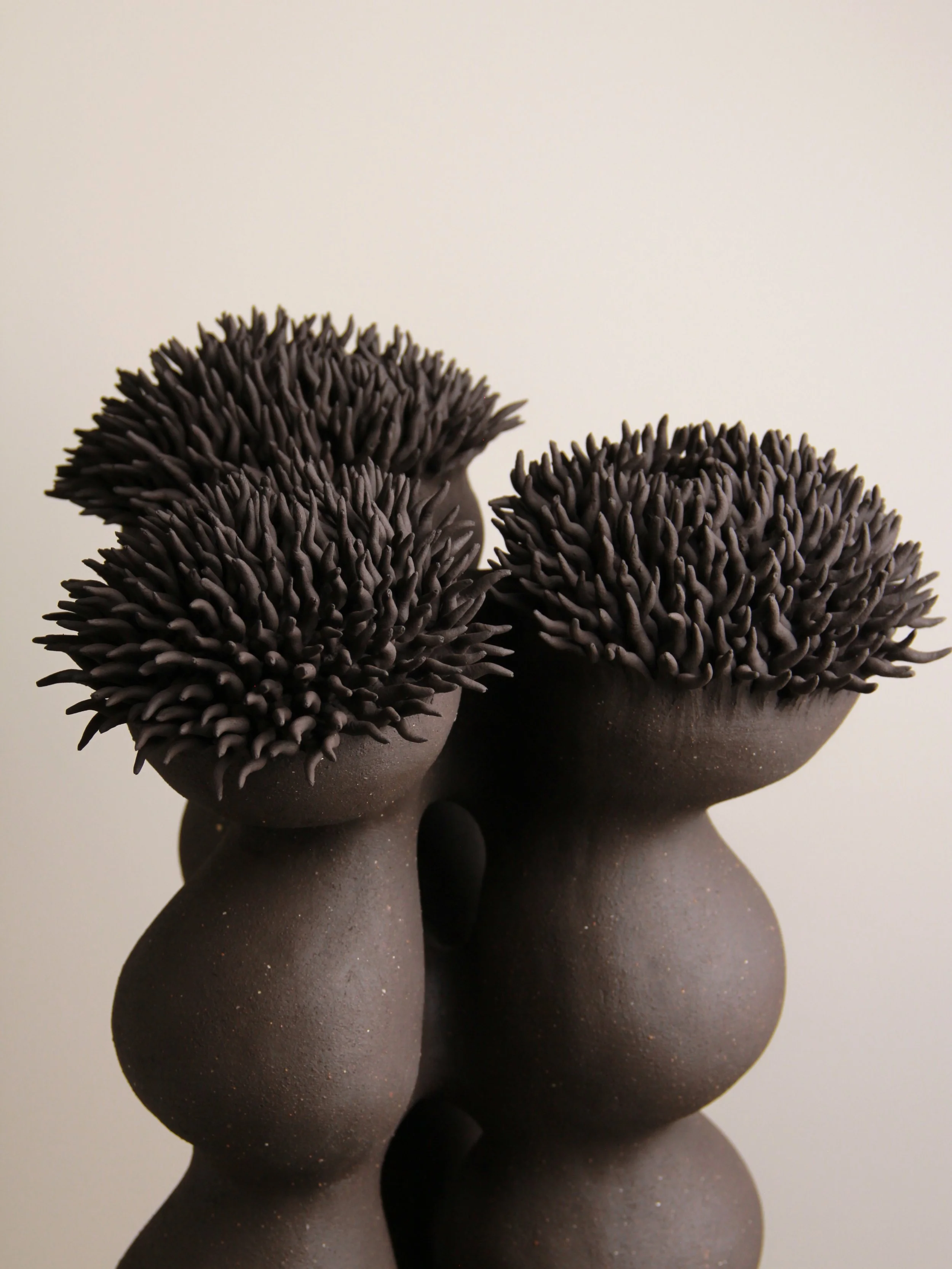


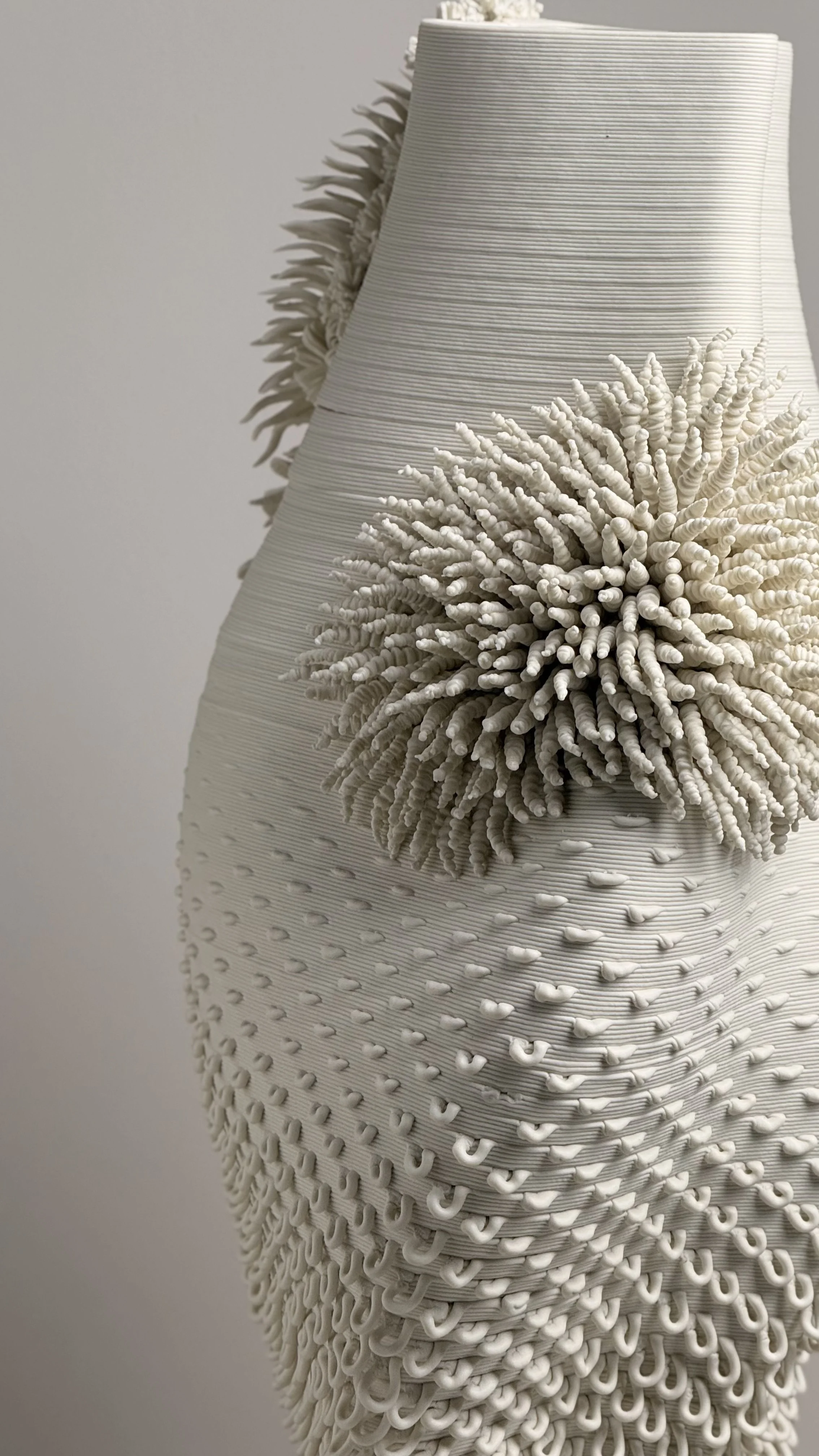
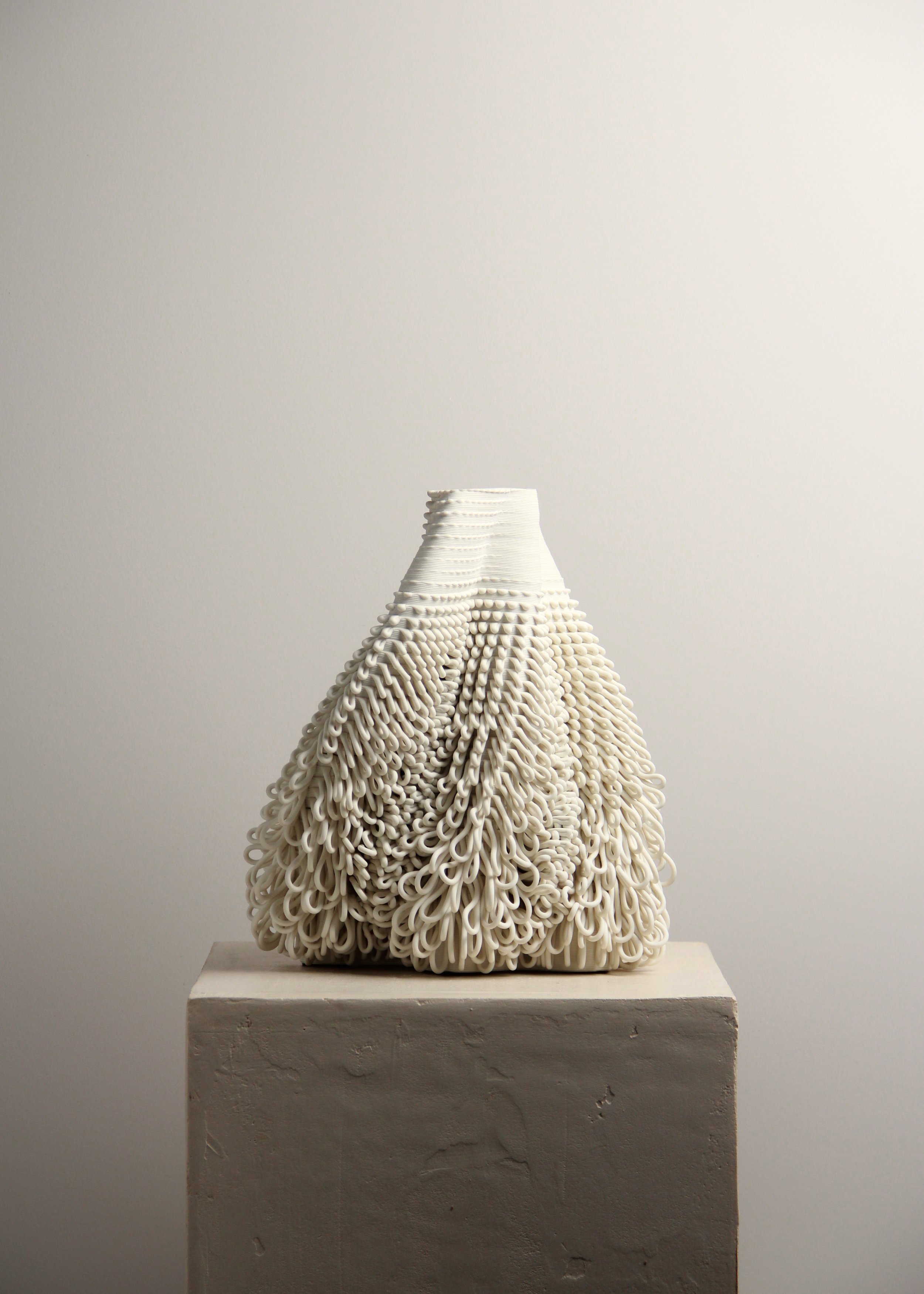
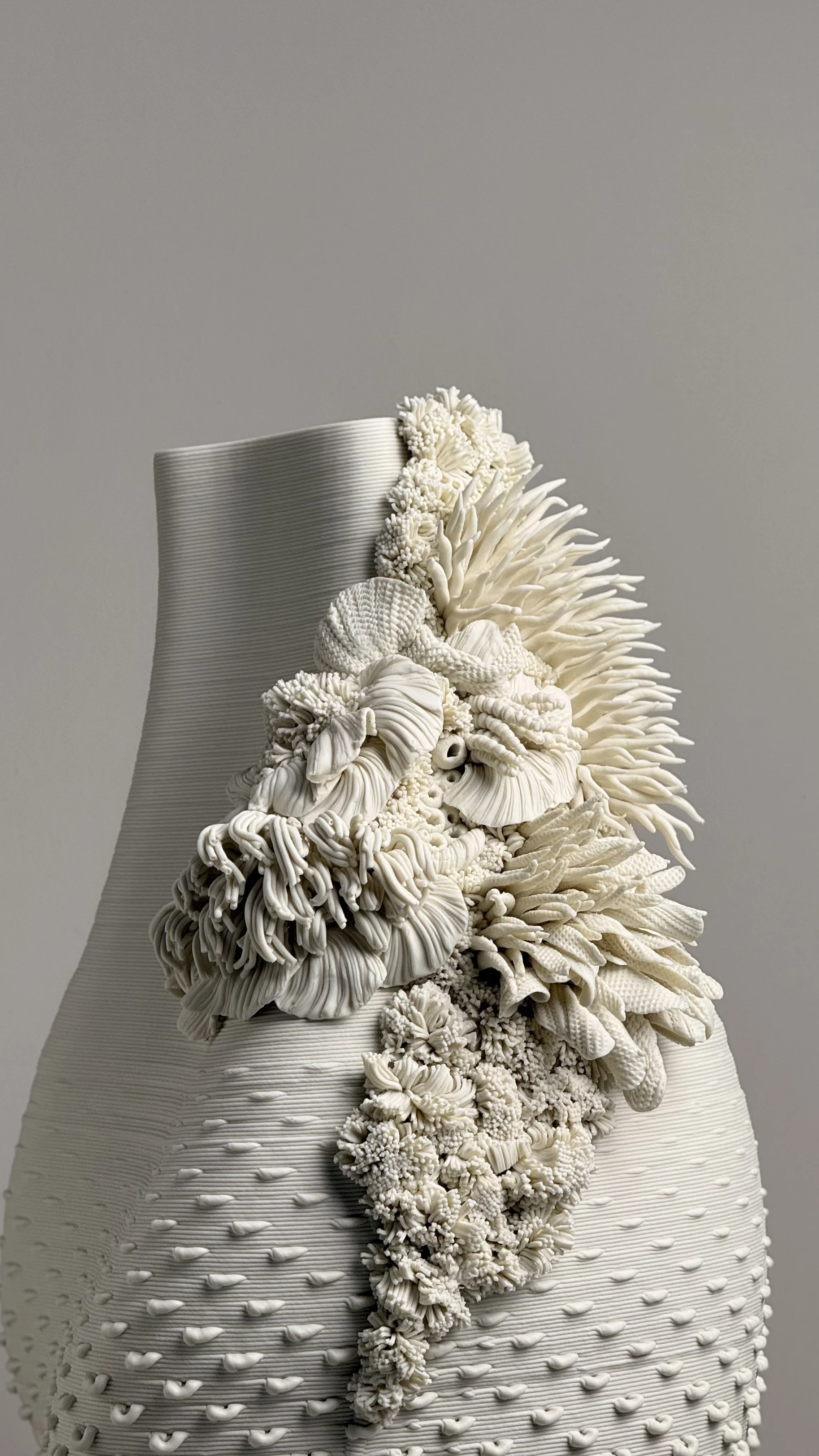
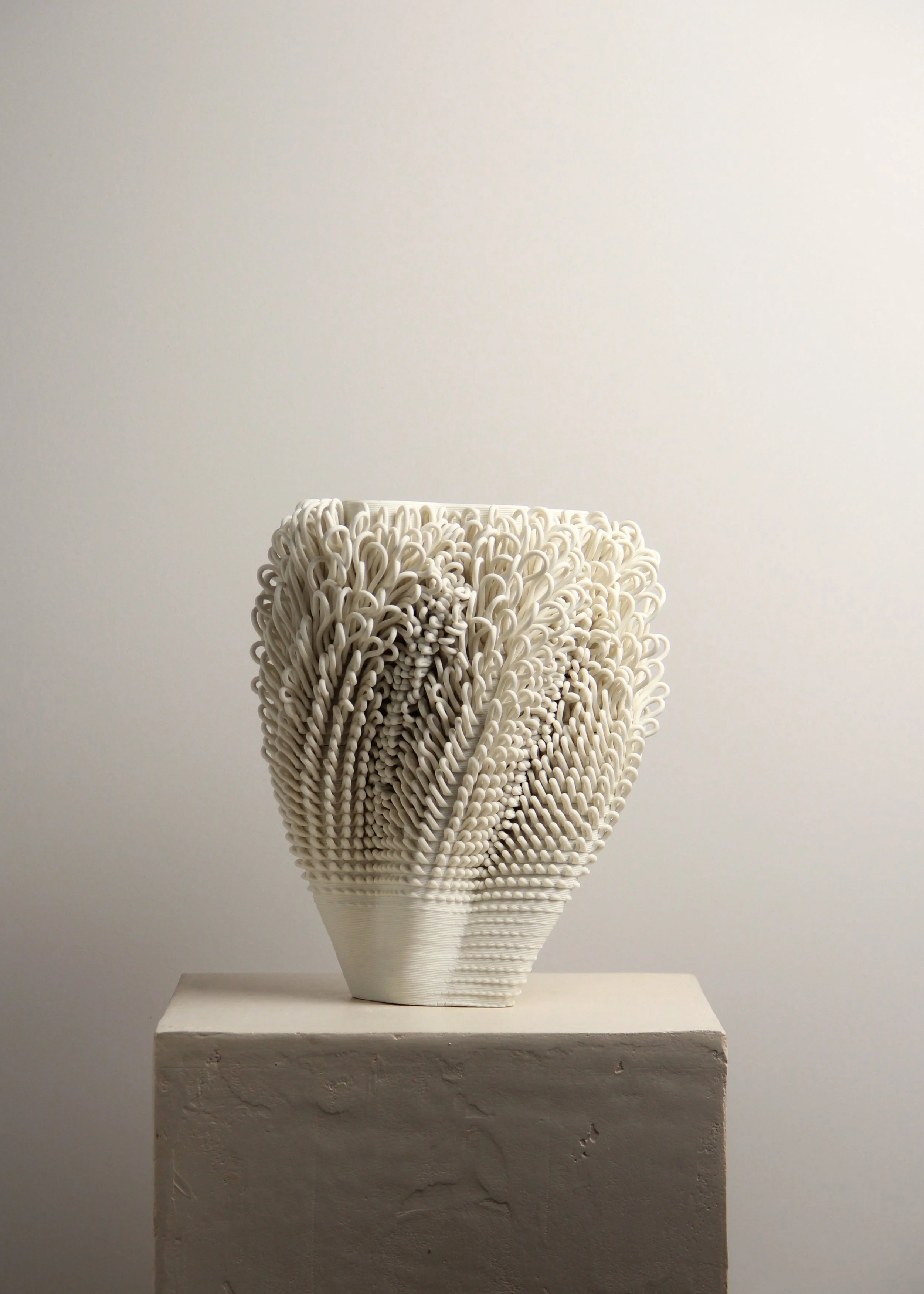
Lea Studios is a ceramic design practice based in Italy, founded by Ionela Bellato and Valentina Cojocaru. What began as a personal exploration during the Covid lockdown has grown into a distinctive practice where material research, computational design, and traditional handcraft collide.
Ionela, trained in Computer Science (Ca’ Foscari Venice), Interior Design (IED Venice), and holding a Master’s in Computational Design and Digital Fabrication (Madrid, 2023), leads the technological and visionary side of the work. Valentina, with long-standing experience in clay, brings material sensibility and traditional craft. Together, they explore hybridity — combining 3D printing, parametric modeling, and algorithms with coiling, carving, glazing, and finishing — where craft and code converge into speculative matter.
Their works have been featured in Isola Design Fuorisalone exhibitions (Tools and Craft, Take Care), Into the Blue by 1000 Vases at 10 Corso Como (Milan), and at Layer Fest Madrid with the first pieces of their Anthozoa Collection. In 2024, they also co-curated a ceramic experience for Bulgari executives in Rome with designer Federica Paglia, collaborated with Studio Salaris and interior stylists such as Greta Cevenini and Sara Dassi, and appeared in catalogues for Saba Italia, Roda Outdoors, Miniforms, Poltrona Frau, and Cassina.
In 2025, their pieces appeared in the Porro flagship store in New York, other pieces were showcased in Salone del Mobile stands (Saba, Roda, LaPalma, Lualdi), and they were included in the Homo Faber Guide by the Michelangelo Foundation as rising stars. Other highlights include a collaboration with Elisabetta Di Maggio (GAM Torino) and a feature in the October Design Issue of Living Magazine – Corriere della Sera.
Their practice positions ceramics as a medium of living architecture: fragile yet powerful, ancestral yet futuristic. Each work feels like a crystallized flow of energy — vibrant, in motion even when still — a coralization of forms where nature’s generative intelligence and human imprint converge.

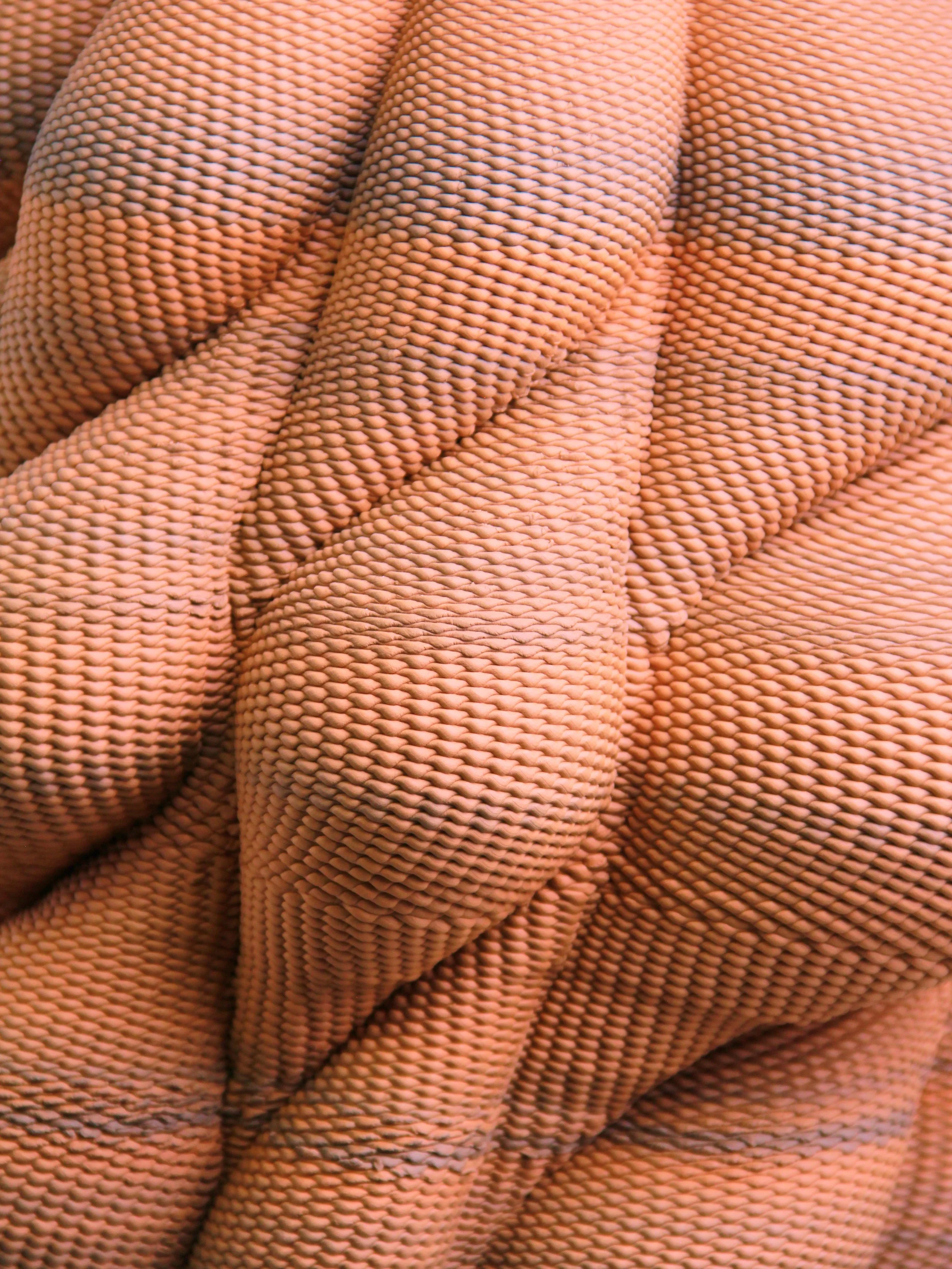
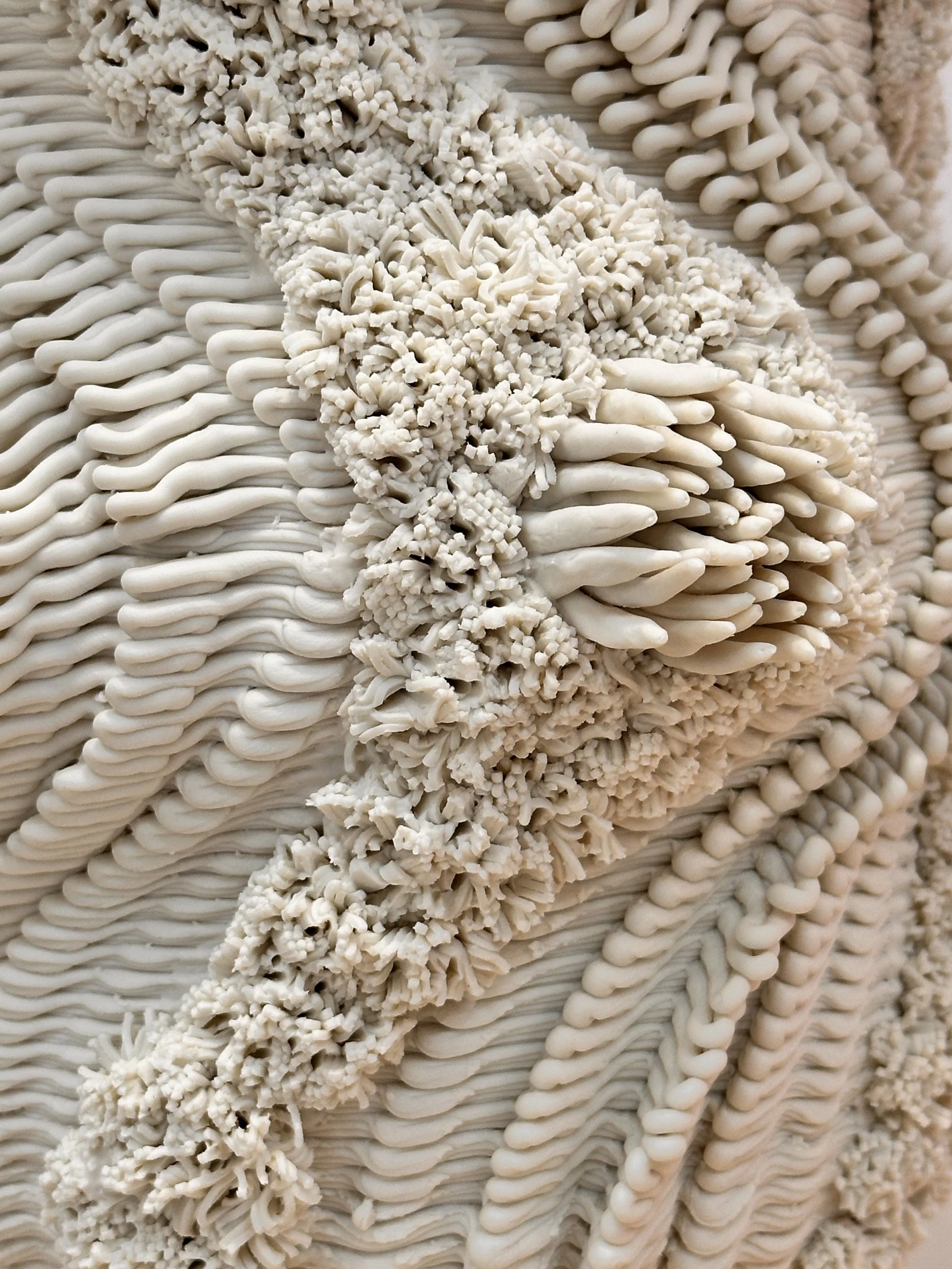
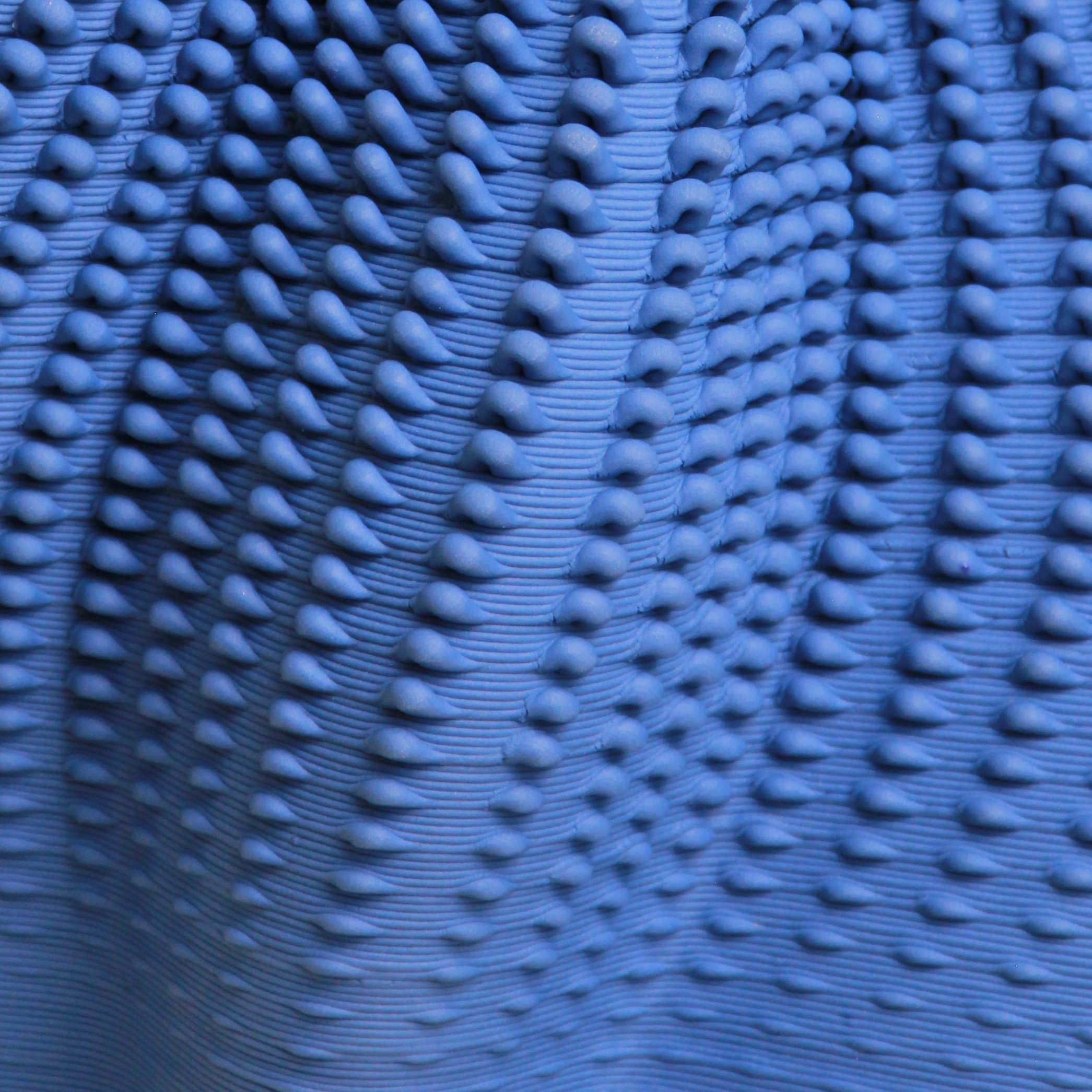
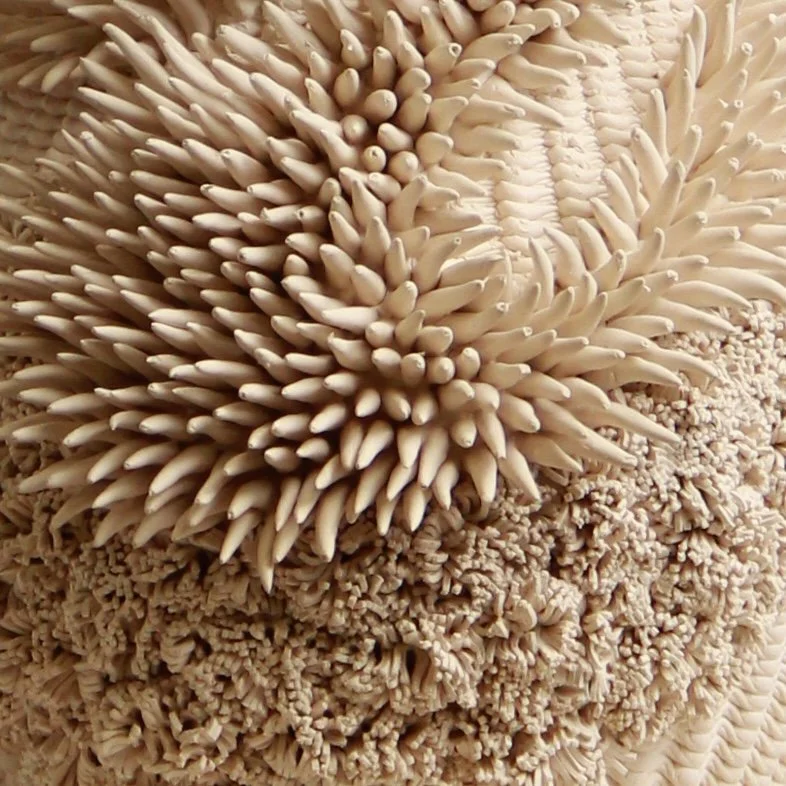
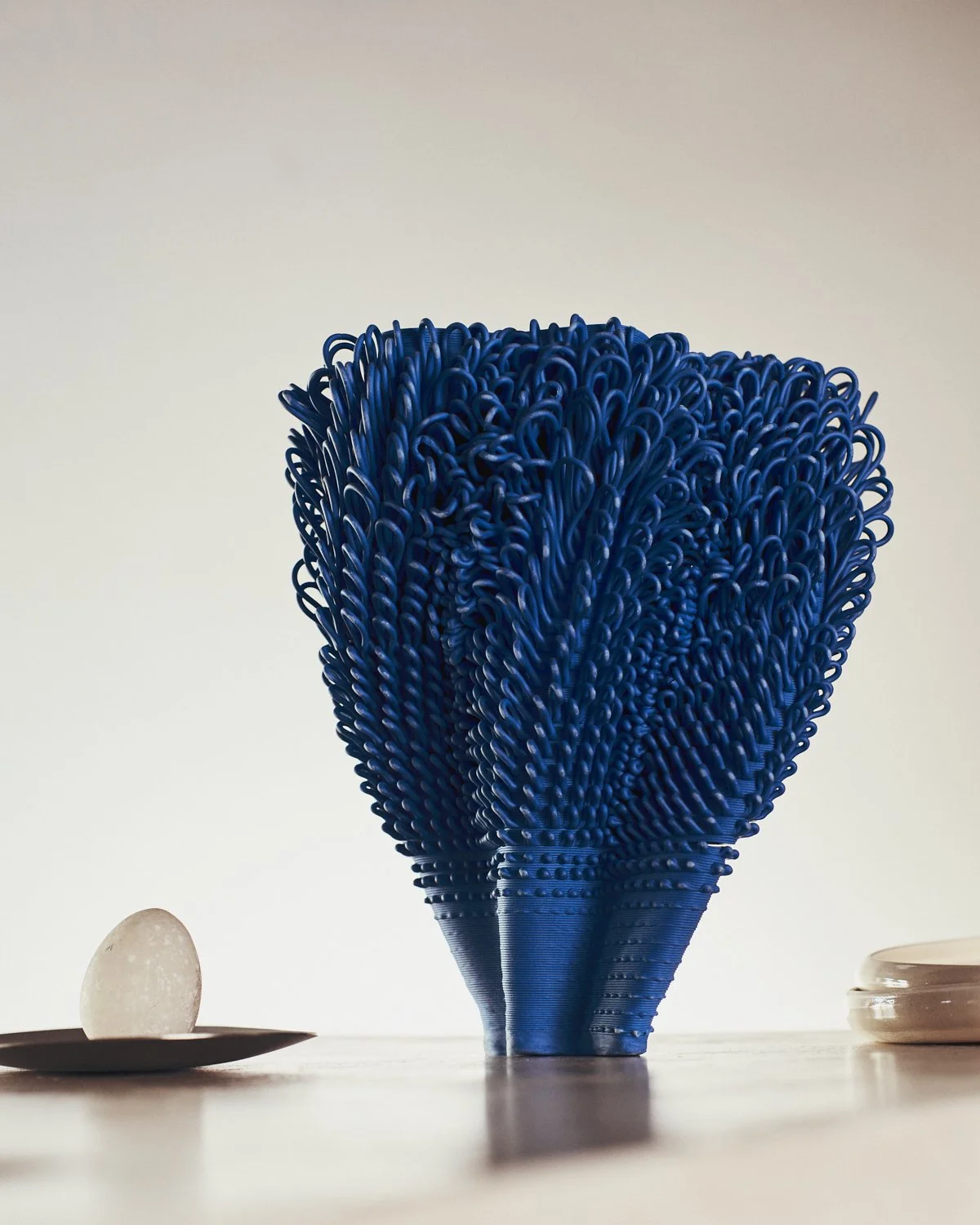
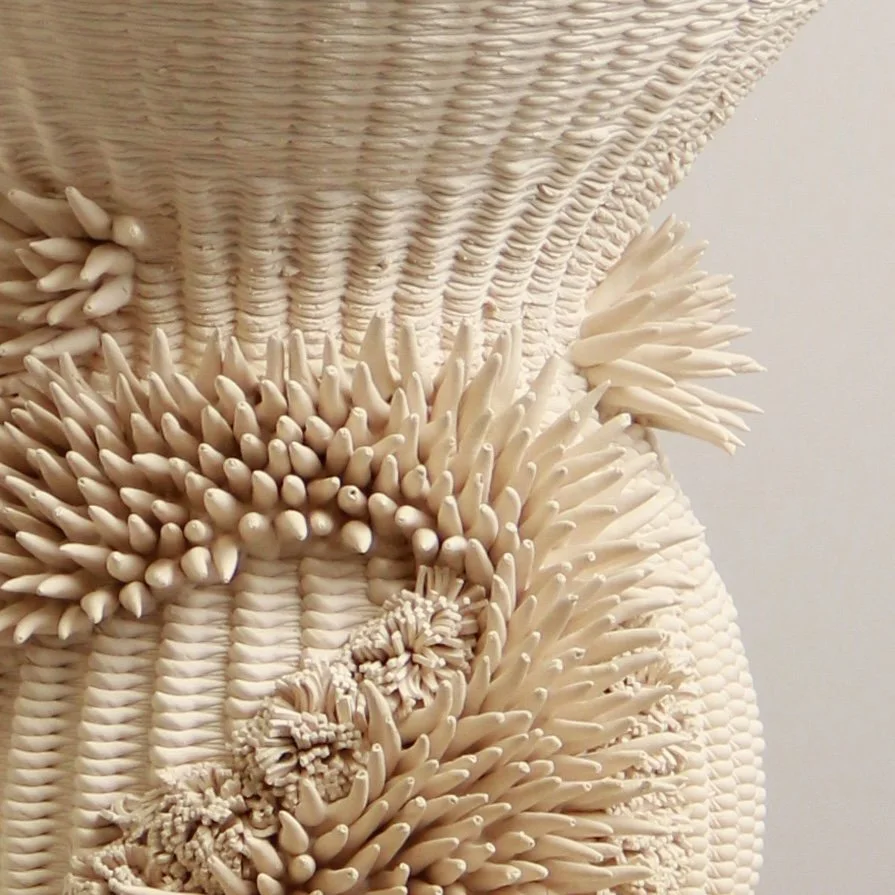
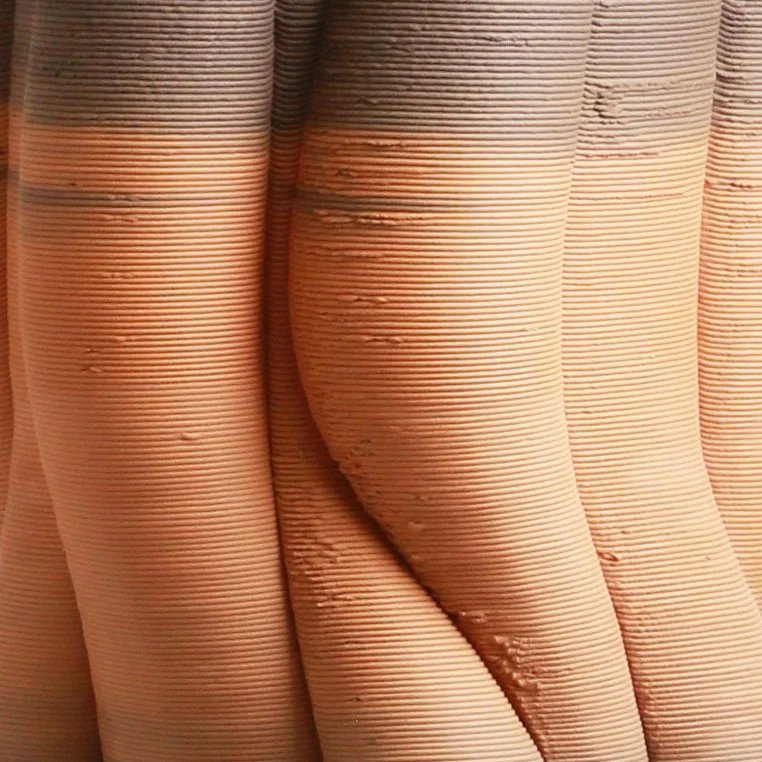
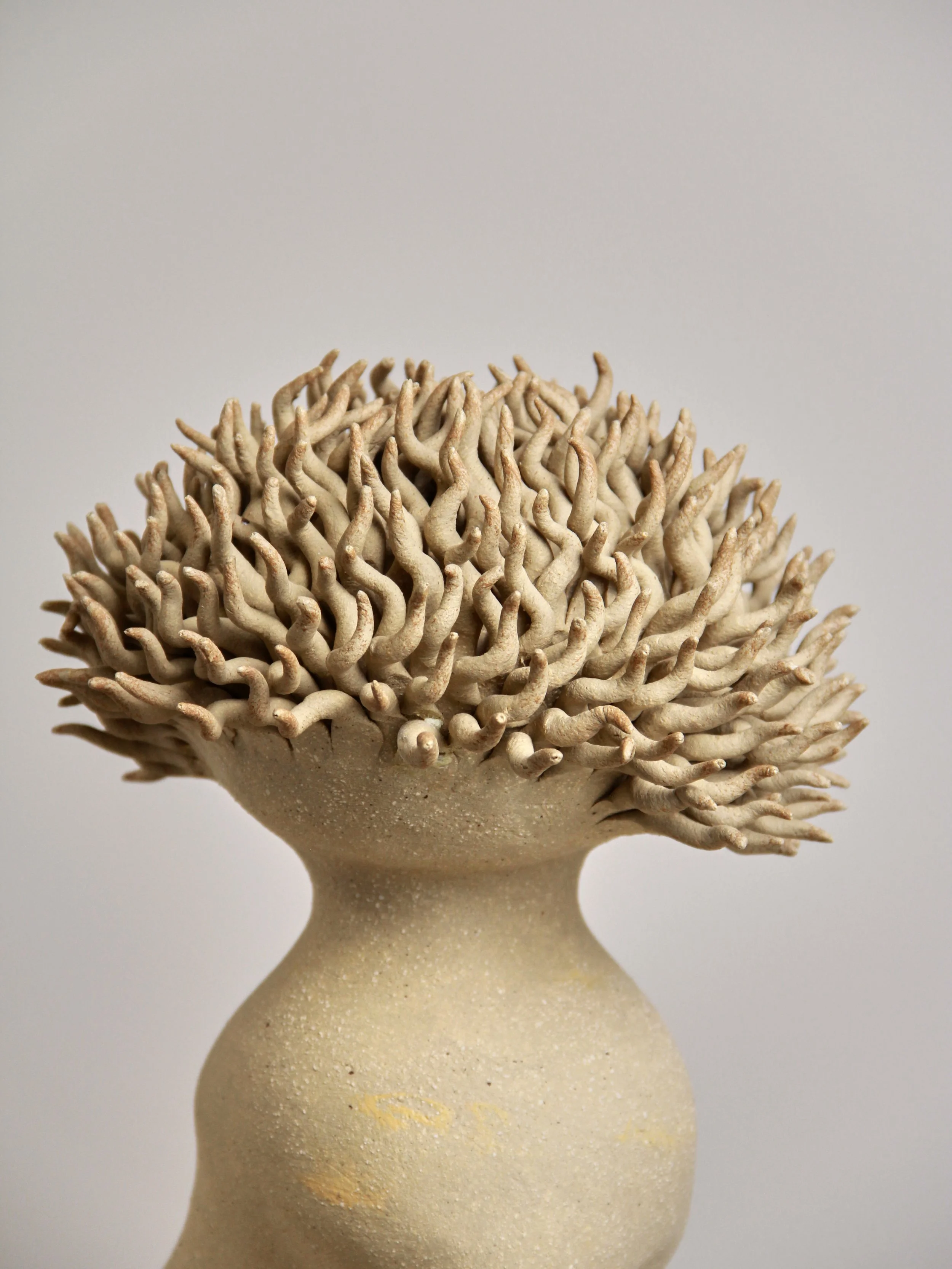
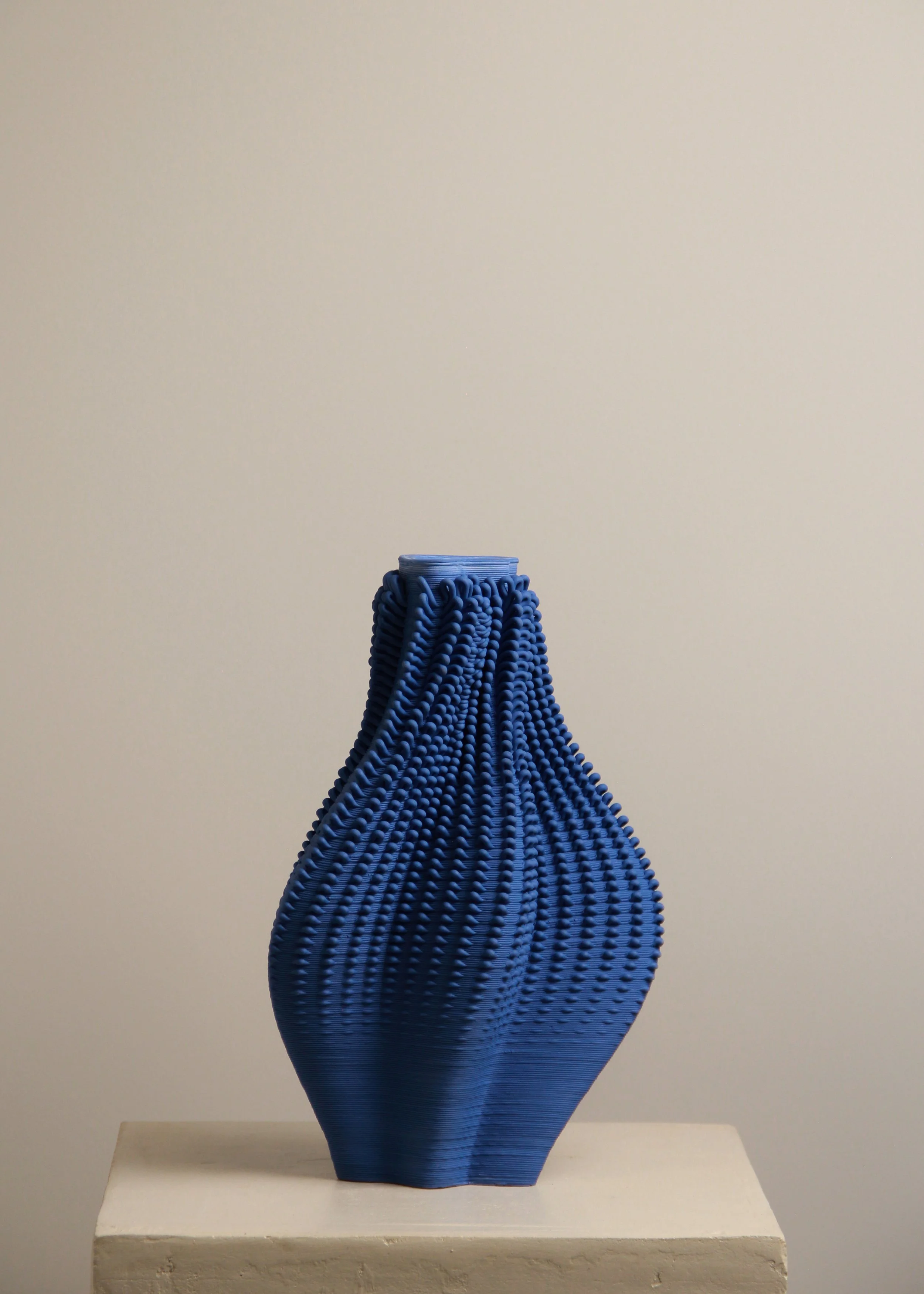
There is something paradoxical about our practice. Lea Studios is, at its core, an experiment in duality — between myself (Ionela) and my mother (Valentina), between code and craft.
I'm a "why" person, and when I observe things closely, I wonder why they take the forms they have. I try to reimagine and replicate them through algorithms, drawing with computation, shaping architectures that only a machine could repeat with such precision.
My mother, in contrast, lets her hands move freely, bringing the memory of traditional crafting older than time. We do not resolve the friction between us; we let it resonate, and from that collision something alive begins to unfold.
Eventually, a piece grows like a spiral: digital codes lay the bones, hand gestures weave the flesh. Along the way, precision becomes porous and unpredictability gains structure.
Clay is never silent. It dries at its own time, shifts under pressure, remembers every touch. In the kiln, fire seals its memory, yet the clay resists — bending, cracking, transforming beyond our intent. We adapt to the material as much as it adapts to us. What emerges is not simply what we imagined, but something co-created: a form carrying both our action and the silent intelligence of the material.
Clay is ancient, as old as the earth itself. Yet in our studio, it becomes something else: echoing corals, cellular patterns, invisible architectures that remind us of nature’s boundless inventiveness. In a sense, we are reusing the resources that nature has given us, transforming them into what is imagined by our minds. It feels like a quiet evolution — one intelligence passing its knowledge to another.
In this way, our practice mirrors the idea of recursivity: a loop that never simply repeats, but evolves. Each iteration of code and gesture, each passage of water and fire, carries a subtle difference — a shift that makes the work alive. For us, ceramics is not static craft but a spiral of becoming, where tradition and technology return to each other again and again, always slightly changed, always renewed.
“Clay is never passive — it resists, remembers, transforms. What emerges is a dialogue between human intent, digital rhythm, and the unpredictable action of the material.”