LARICH
Cluster Contemporary Jewellery
”AMALGAM”

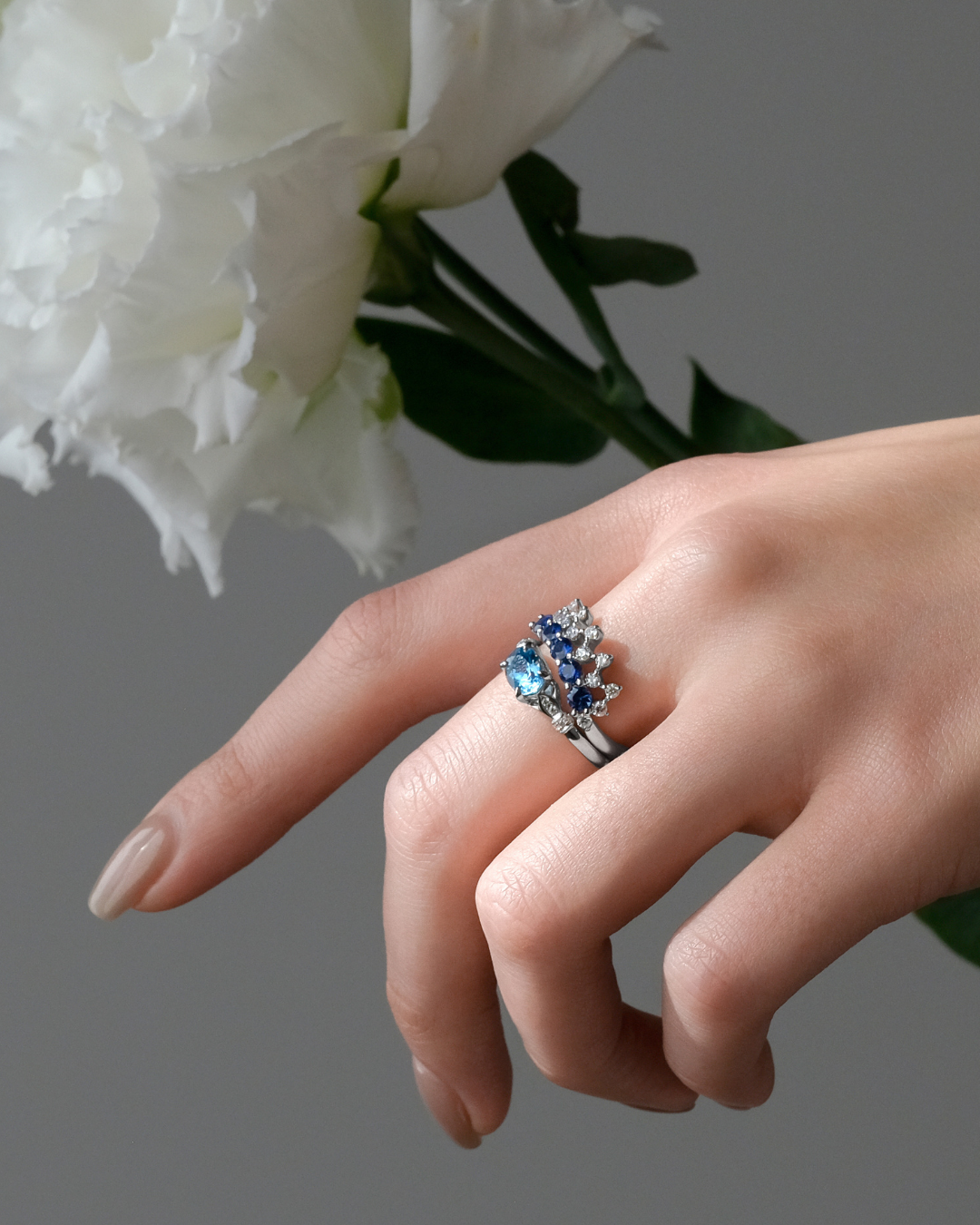

Hiroshi Matsumoto is a second-generation jeweler, CEO of ROSWAY, and Creative Director of LARICH. He grew up surrounded by gemstones and jewelry and, while still a student, learned jewelry making and repair in his father’s atelier, established in 1981.
After earning a master’s degree in engineering from Keio University, Matsumoto joined Accenture, working in systems development and project management. During this period, he used his time off to deepen his knowledge of gemstones through sourcing trips.
In 2009, he founded ROSWAY in Tokyo. He now works from bases in Osaka and Bangkok, leading the design and production of jewelry. He devotes significant time to sourcing gemstones and developing detailed jewelry designs using CAD, while maintaining rigorous standards of craftsmanship and quality throughout production.
Matsumoto has also exhibited at numerous jewelry shows in Japan and Hong Kong and directed the creation of multiple pieces of jewelry for recipients of the Japan Jewellery Best Dresser Award. He has supervised four books on gemstones, with approximately 50,000 copies published in total as of 2026.
In 2023, Matsumoto launched LARICH, where he collaborates internationally with designers, artisans, gem cutters, architects, and other specialists across jewelry creation and exhibition projects.
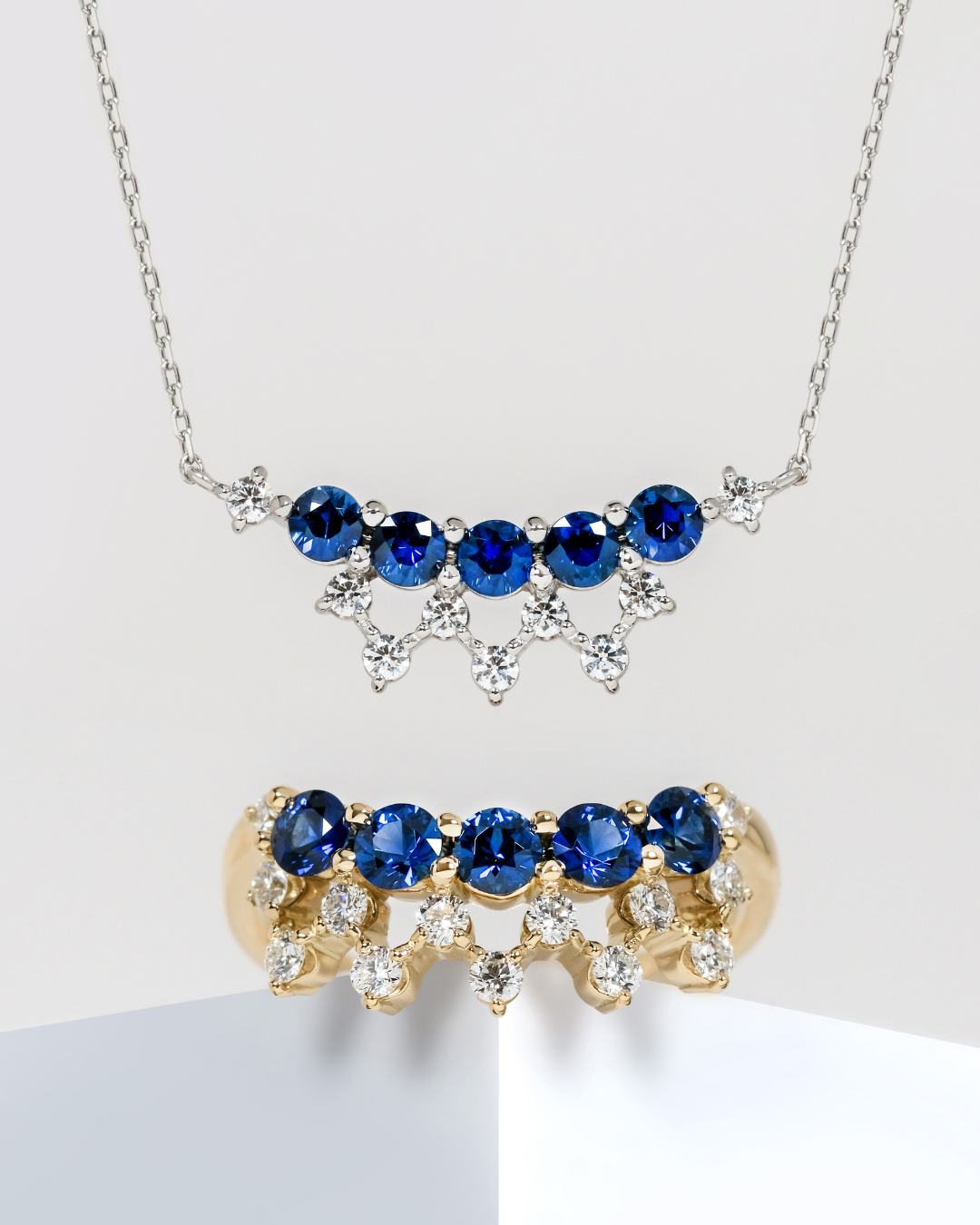

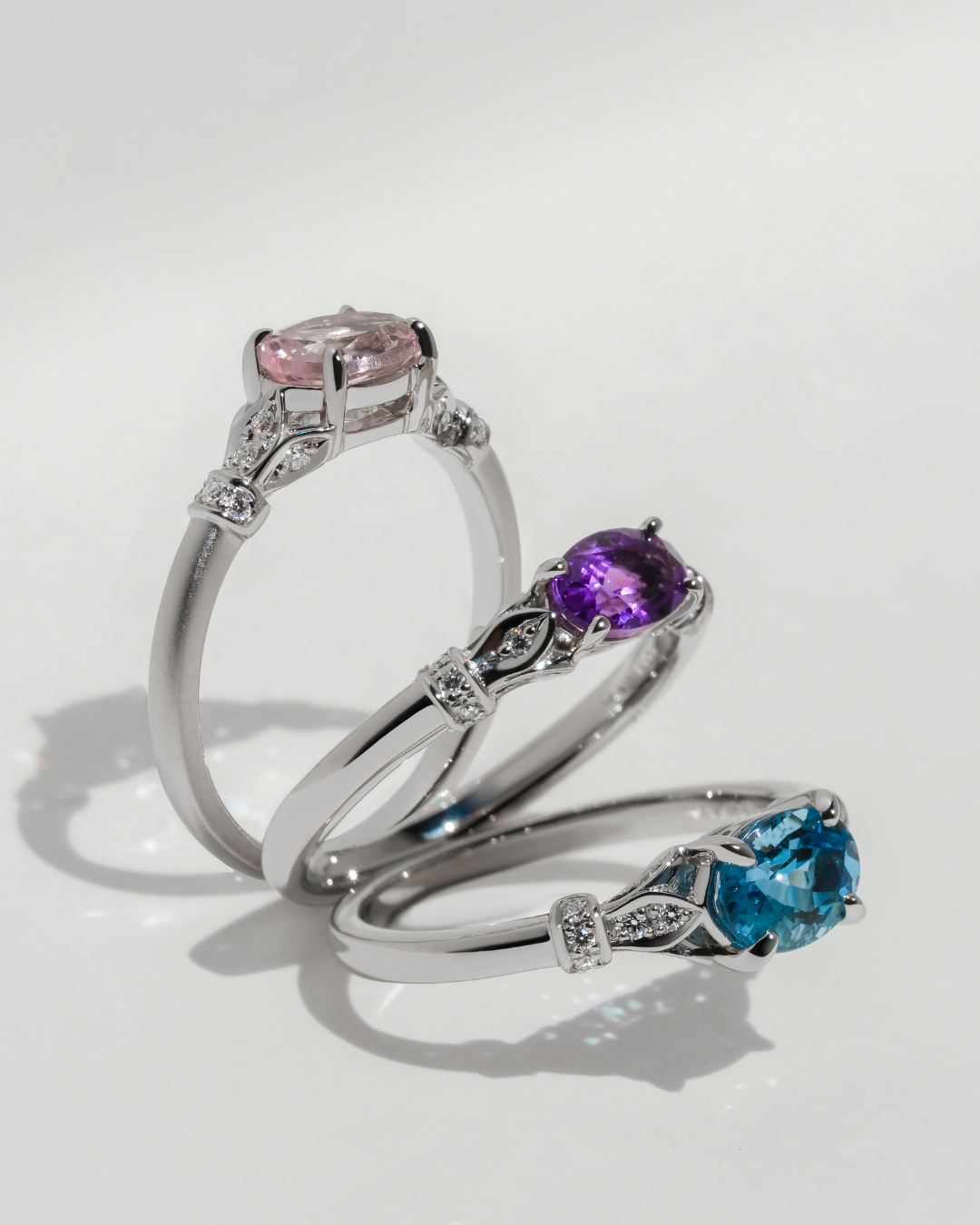
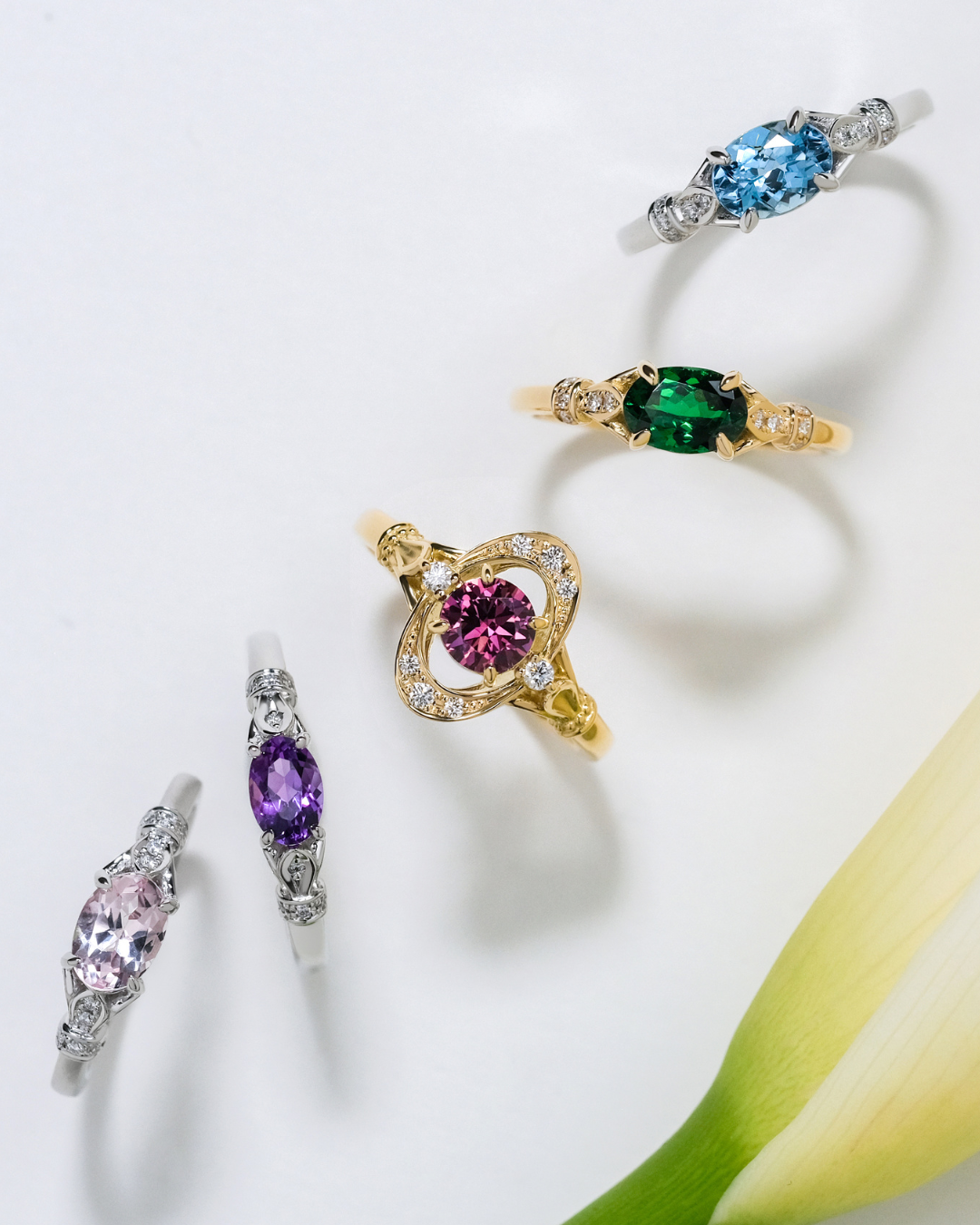
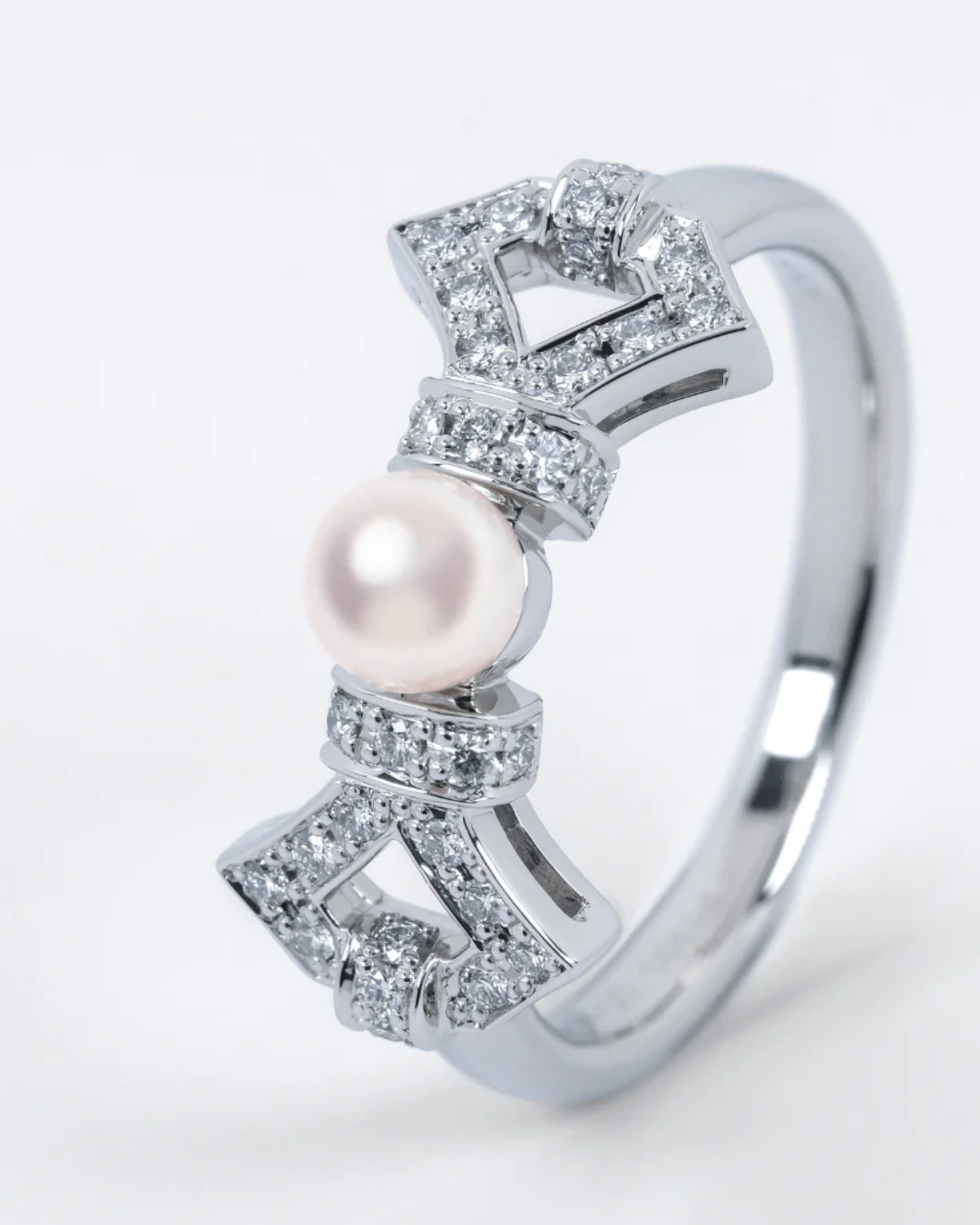
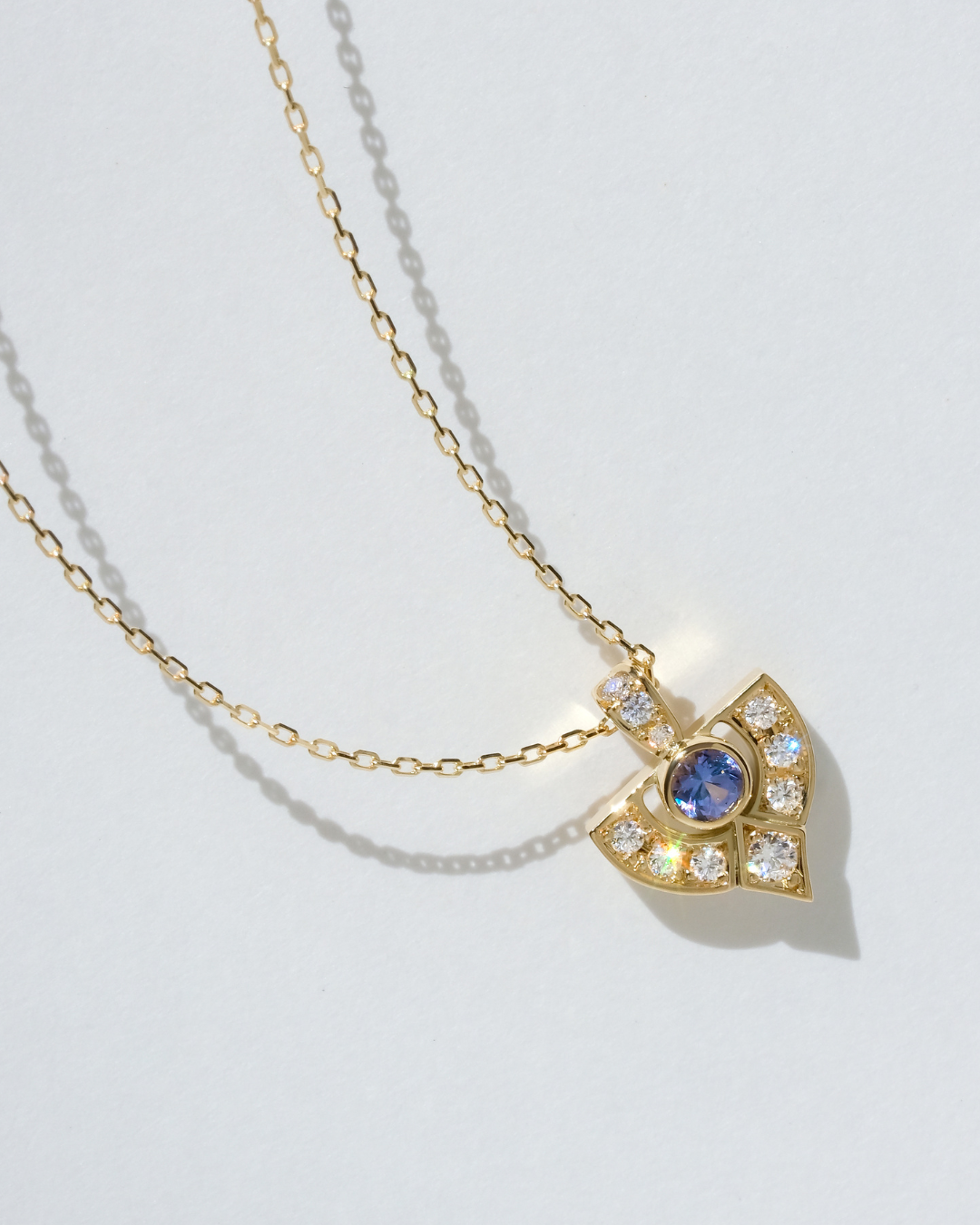
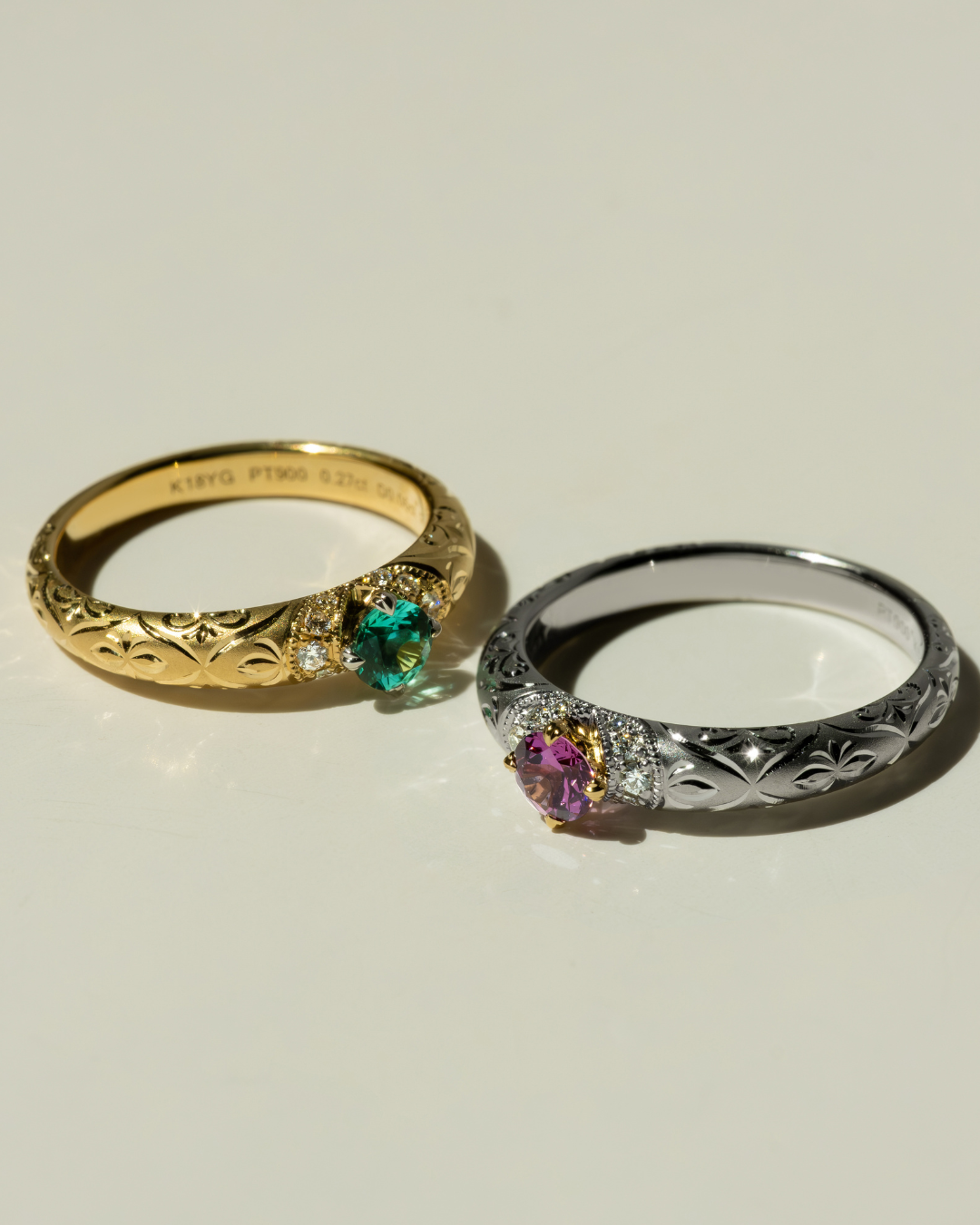
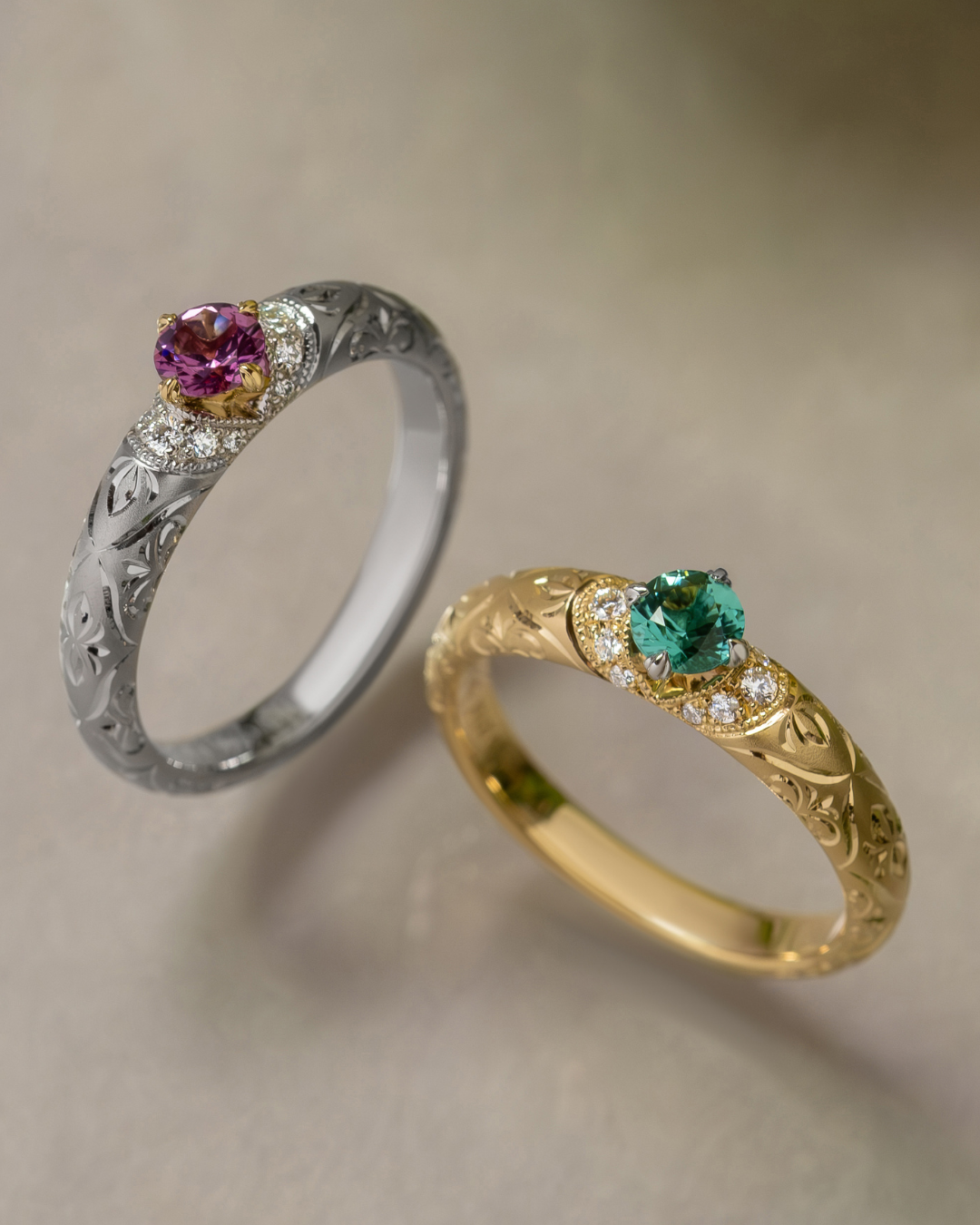
"I consider how each element of a piece affects the others.
These elements can include a gemstone’s color and brilliance, its cut and proportions, the form and thickness of the metal, its surface and texture, and techniques such as stone setting and engraving. With each decision, I think through how that element affects the others, and how those relationships shape the piece as a whole.
The relationship between design and gemstones is not one-way. Sometimes I source a gemstone that works with a design. At other times, a particular gemstone leads me to change the form or refine the details. A technique can influence the form, while the form can bring out the distinctive qualities of that technique.
The same is true of collaboration. Working with specialists from different fields can reveal possibilities I would not see on my own. My ideas are the starting point, but I accept that the piece itself can change in response to the skills and sensibilities of my collaborators.
Material, form, technique, and people. For me, design is not only about defining form, but about shaping the relationships among these elements."