INTERVIEW WITH:
LARA SOLIA
Cluster Residency Shortlisted Artist | Cluster Jewellery | 2026
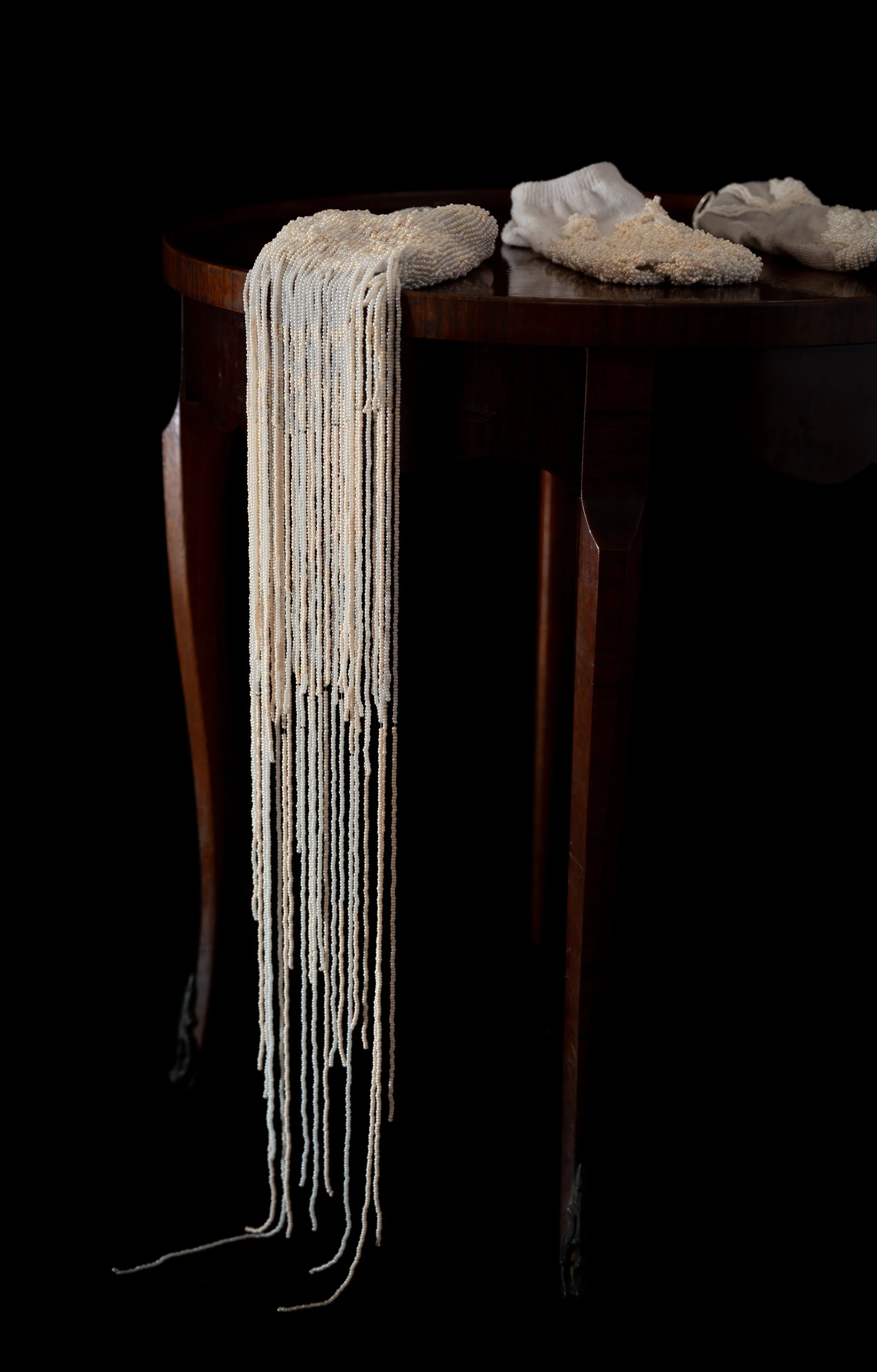
Sock Cemetery
Your work draws inspiration from the Inca quipu system, where knots were used to record information. How did this historical reference become part of your contemporary jewellery language?
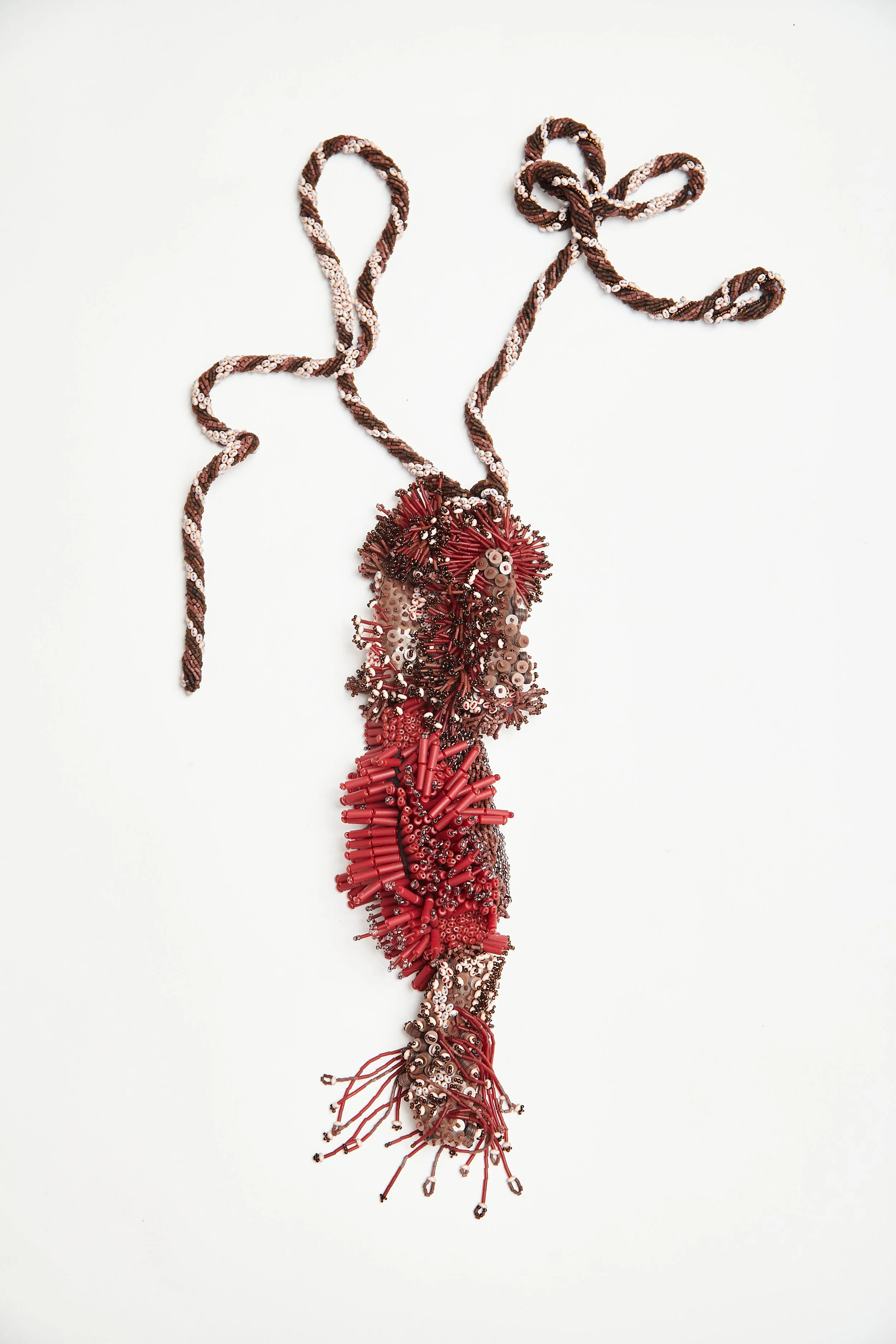
The quipu appeared in my work while I was studying, my mentor Jimena Rios showed me these pieces and introduced me to the Inca quipu system. At that time I was already working with knots, threads and repetitive gestures, so when I encountered it I felt a very strong connection. The idea that information, memory and language could be recorded through knots felt very powerful. What interests me is not to reproduce the quipu historically, but to think about it as a poetic reference — a way of understanding how material gestures can hold meaning. In my work, knots and stitches become a personal writing system, where time, repetition and small variations carry emotional and symbolic information.
Time and labour are clearly embedded in your pieces through repetition and stitching. How important is the visibility of process in your work?
The visibility of process is very important in my work. I’m interested in pieces that reveal the time that has passed through them. Repetition and stitching are slow gestures that accumulate time in a very physical way. Rather than hiding that labour, I want it to remain visible, almost like a trace of presence. The process becomes part of the meaning of the piece, because it speaks about care, attention and persistence. In that sense, making is not only a technical step but also a conceptual one.
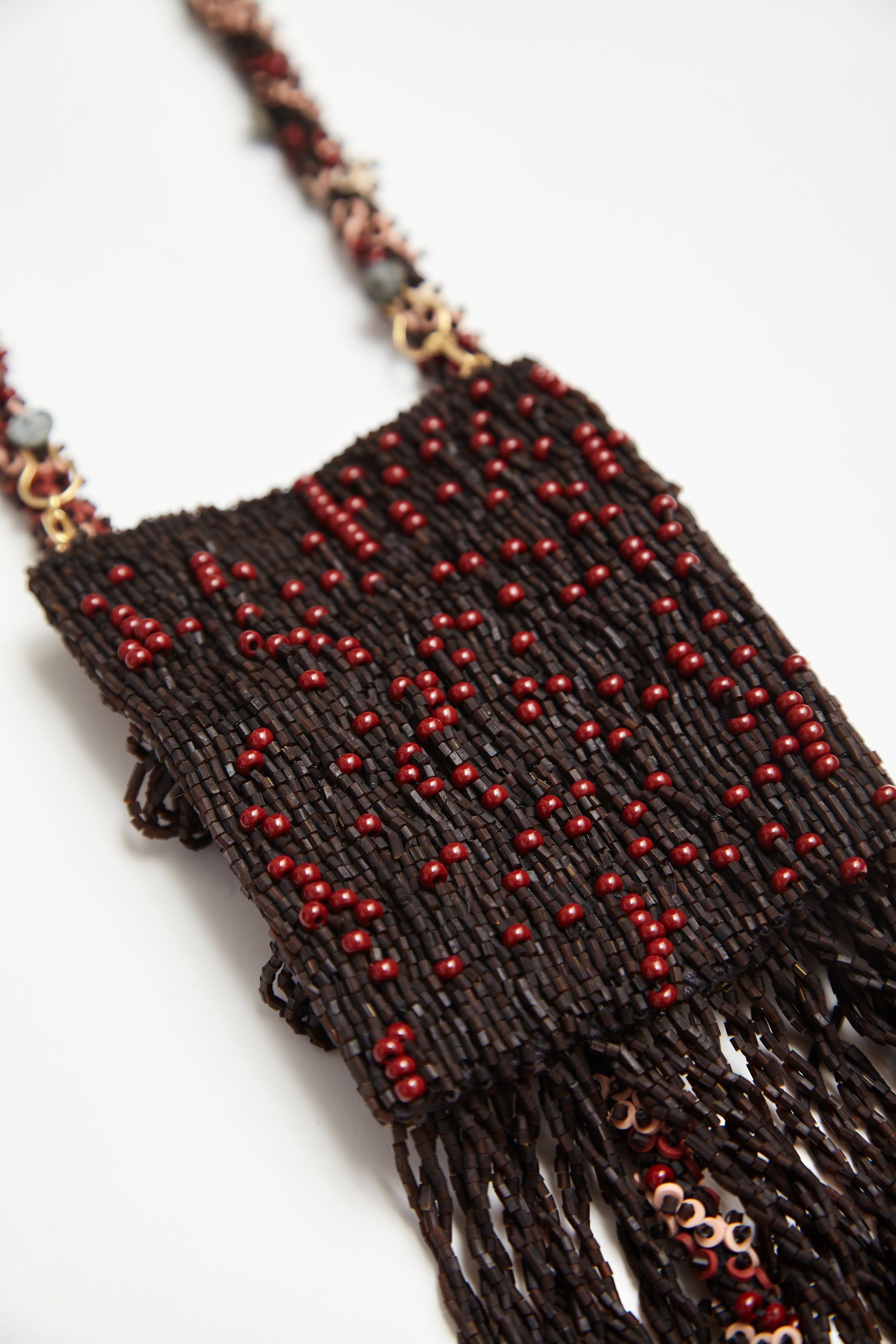
Passages
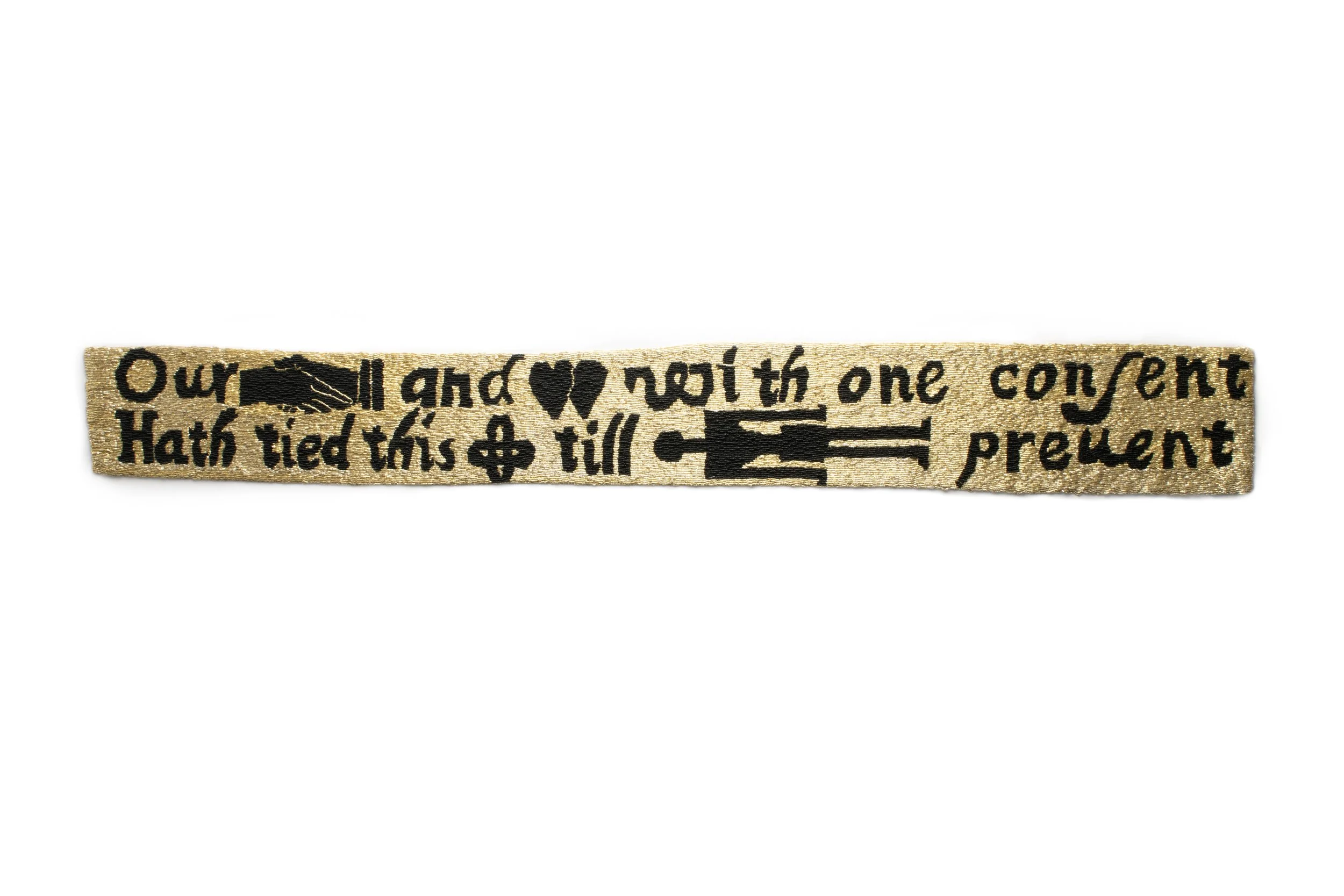
Materiality and message I From private to public
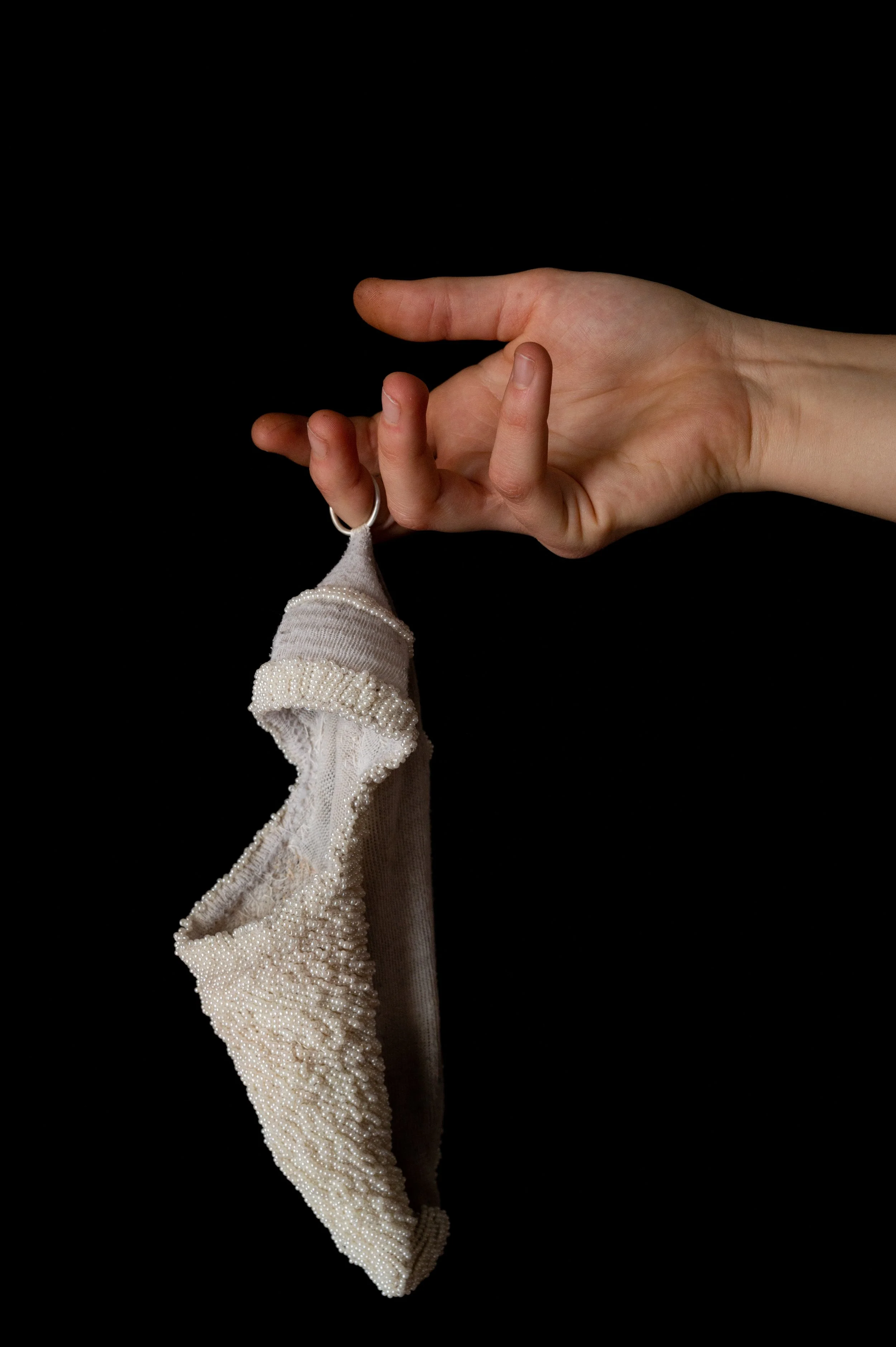
Sock Cemetery
Many of your works transform intimate or personal narratives — family, language, daily gestures — into jewellery. How do you decide which stories become material?
Usually the stories appear when something sparks my curiosity or evokes a feeling, or when a particular trait of someone close to me catches my attention. I’m often drawn to the people around me — my friends, my family, my colleagues — and to the ways we relate to one another. Relationships and bonds are one of the central themes in my work: how we connect, how we affect one another, and the small traces those connections leave in everyday life.
I pay attention to very small things that repeat in daily life: words, gestures, context, family memories, fragments of language.
When something stays with me over time, it often finds its way into the work. I’m interested in how very personal experiences can become material and then transform into something that others can also connect with. Jewellery feels like a very natural place for these stories because of its intimate scale and its close relationship with the body. It is always worn on the body or refers to it, and that proximity allows it to carry personal narratives in a very subtle way.
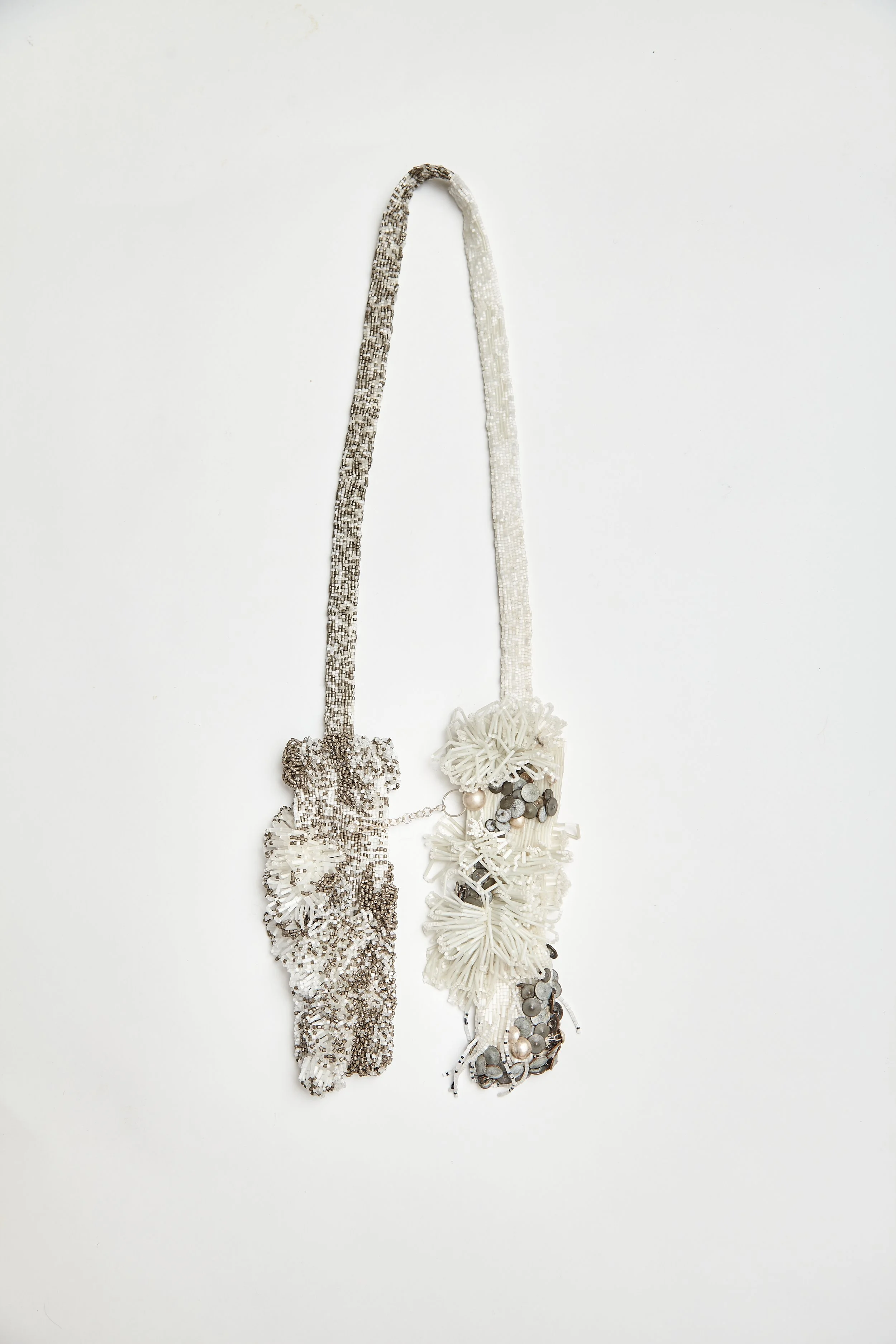
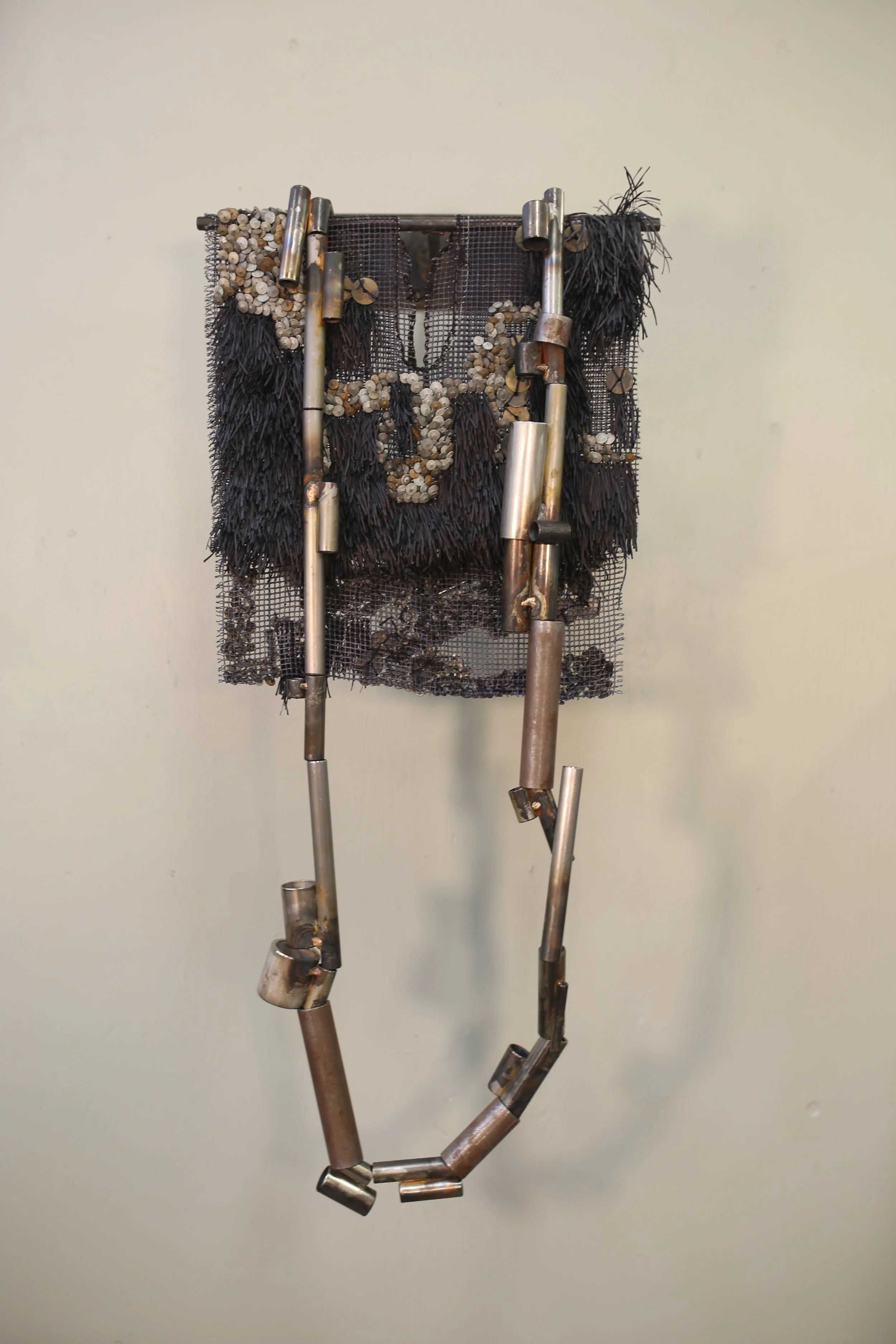
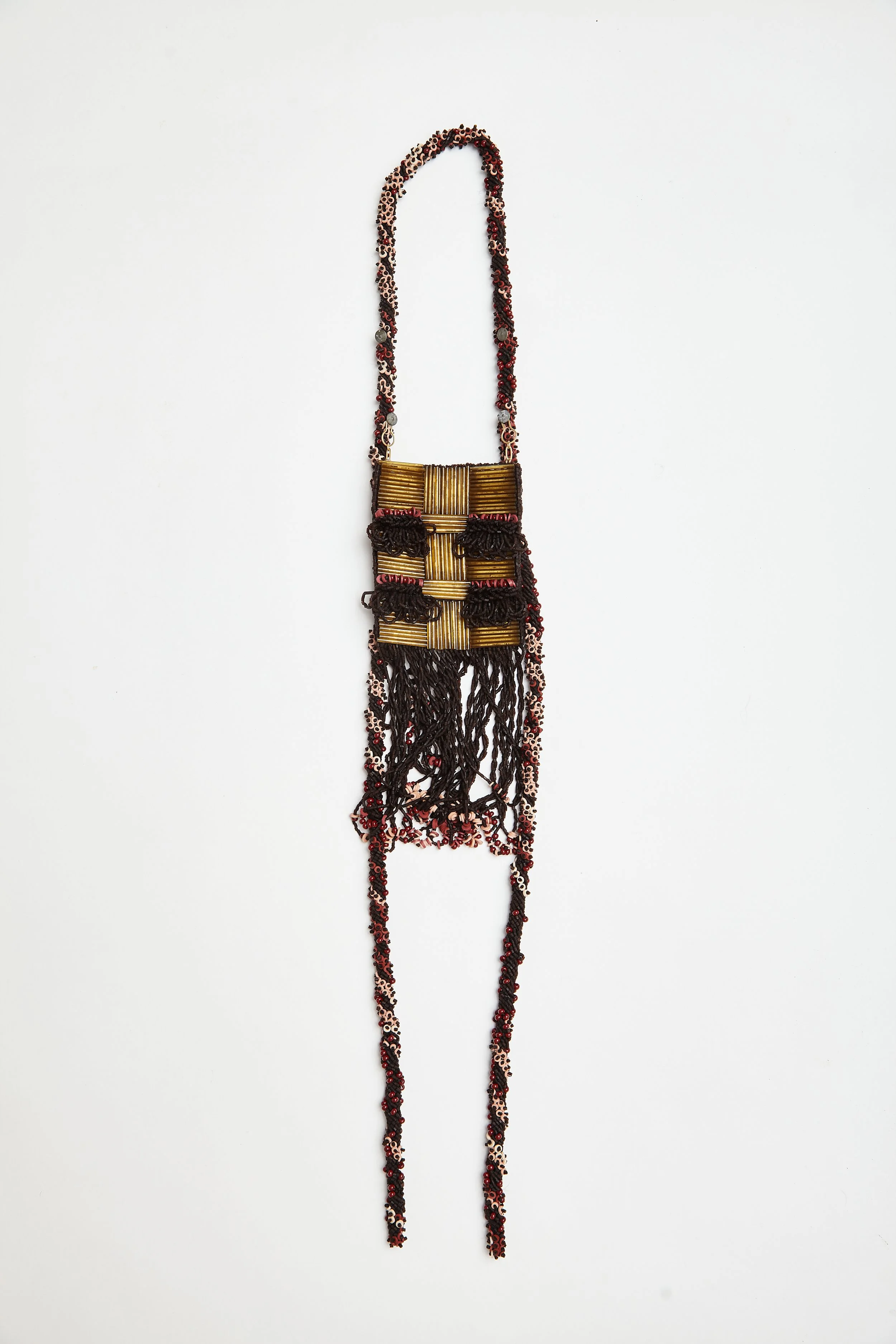
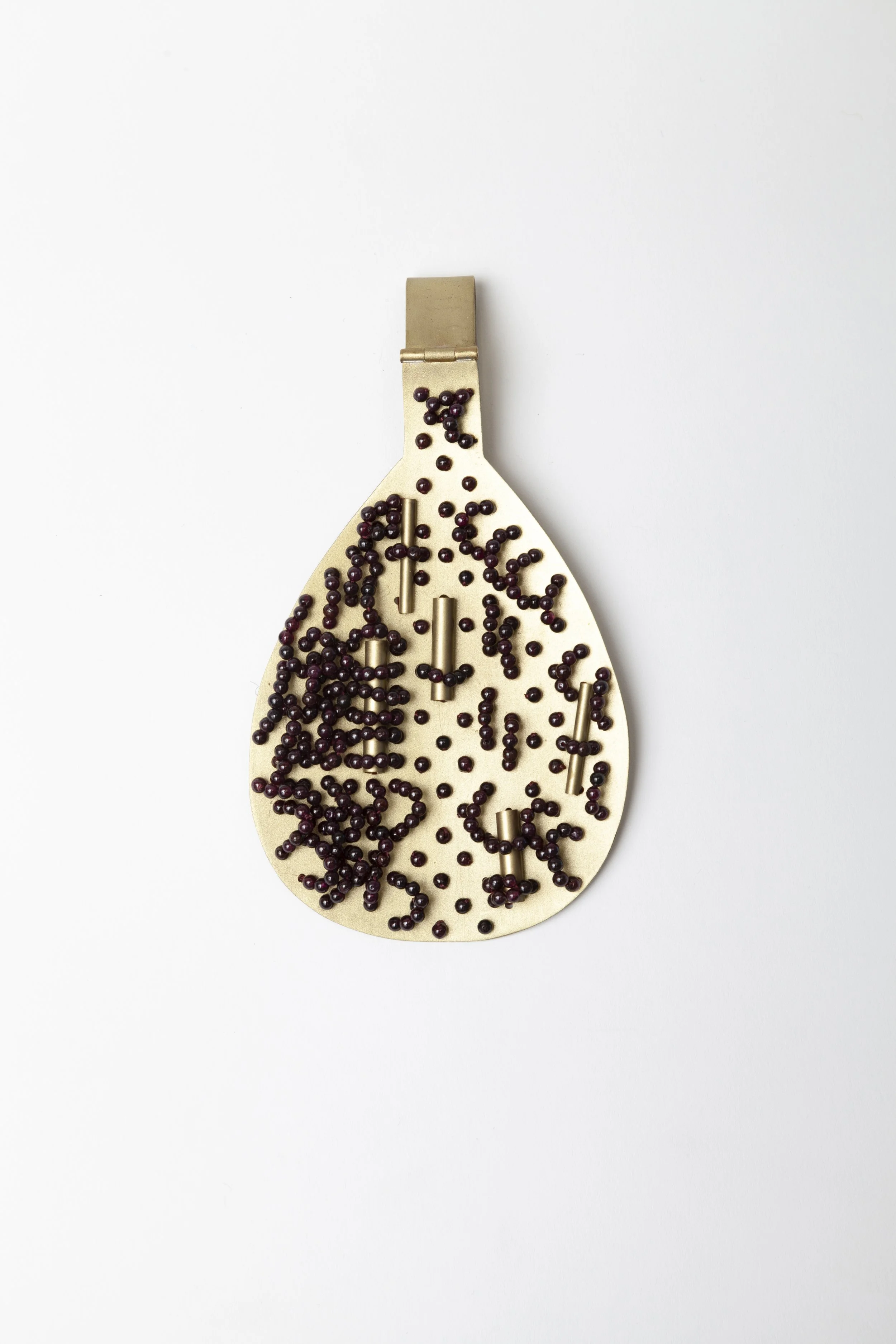
Your practice combines textile techniques with metal frameworks. What possibilities do you see in this tension between softness and structure?
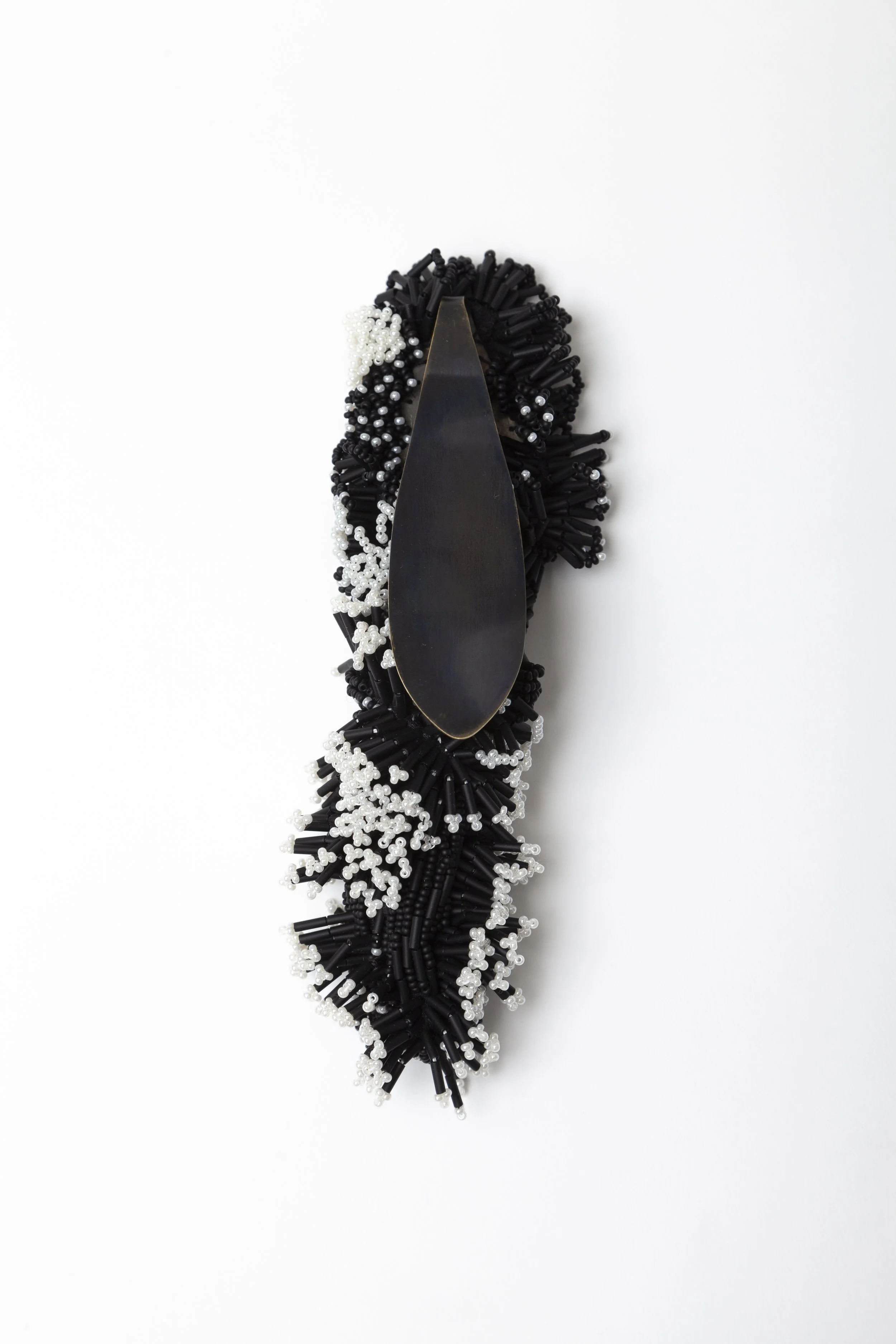
The tension between softness and structure is central to my work. Textile techniques bring flexibility, movement and a sense of vulnerability, while metal creates a frame that holds and contains. I’m interested in how these two qualities can coexist in one piece. The metal structure provides support, but the textile elements introduce something more fragile and unpredictable.
That relationship allows the work to move between strength and delicacy, which is something I find very expressive in jewellery.
Passages
Passages
What do you hope to gain from being part of the Cluster’s jewellery community?
For me, being part of the Cluster community means entering a dialogue with other artists who are also thinking deeply about contemporary jewellery. I value spaces where ideas, processes and questions can circulate, not only finished pieces. I would love to exchange experiences, learn from other practices and be part of a community that supports experimentation and reflection around making. I also believe that these kinds of connections are essential for sustaining a long-term artistic practice and for keeping the work in dialogue with others.
Thank you for reading,
Cluster Team.