INTERVIEW WITH:
EMA X GIULIA - Why a Remote Residency?
A conversation between the Founder and Curator of CLUSTER
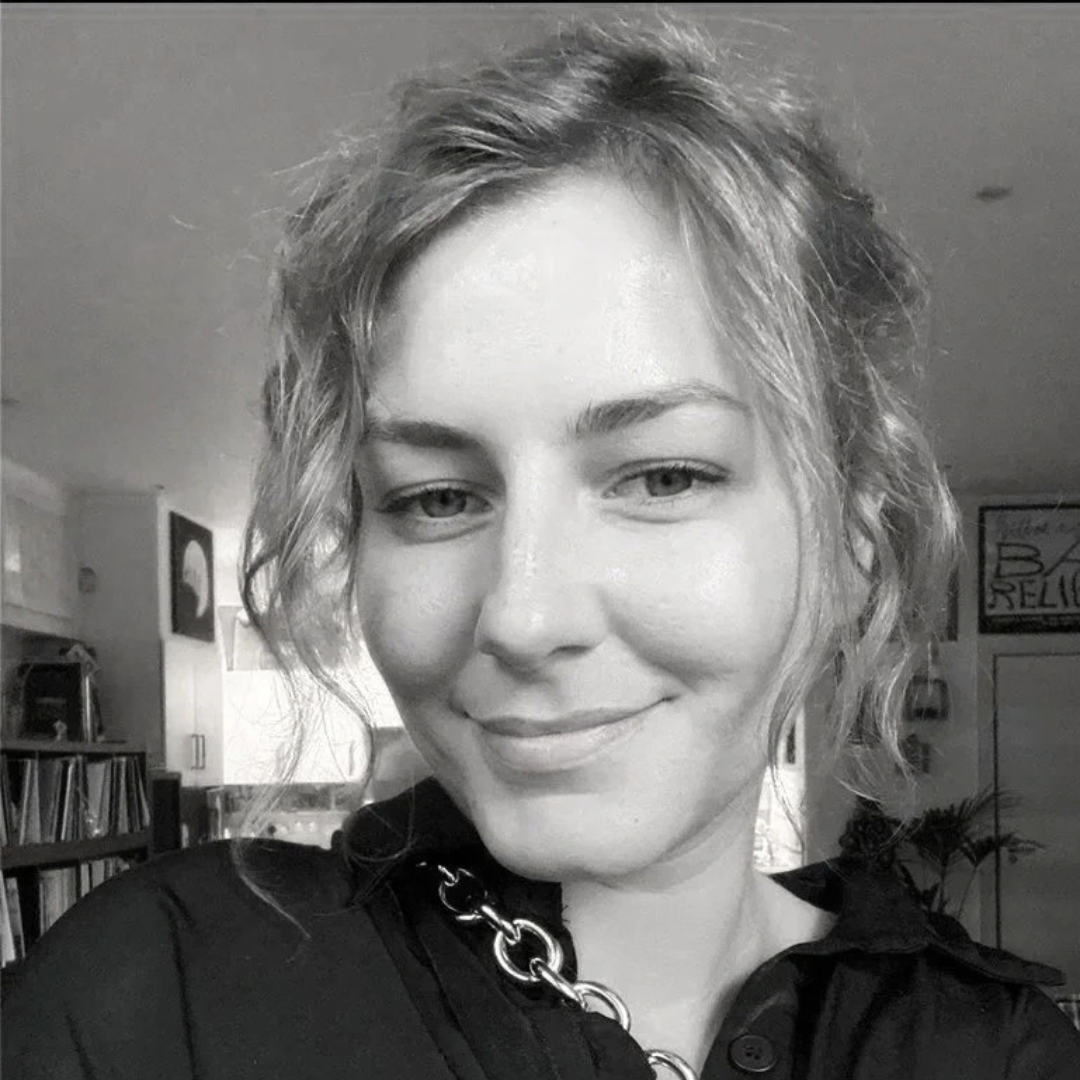
Ema Marinova
Cluster Director and Founder
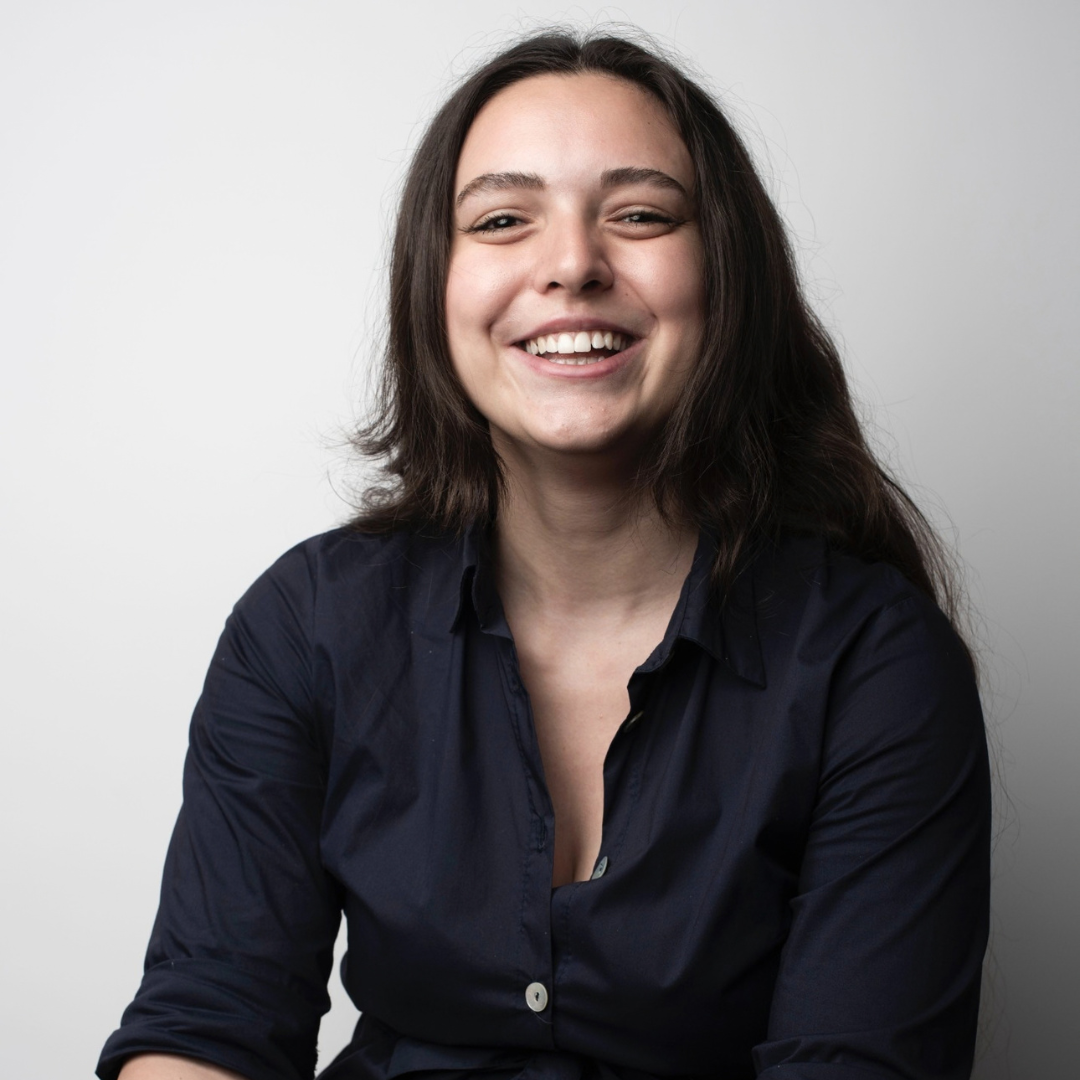
Giulia Meacci
Cluster Curator & Community Lead
Curator: CLUSTER has always invested in fully funded in-person residencies. Why did you feel it was important to introduce a remote model?
Founder: Our in-person residencies are incredibly important to us, but we also recognise that relocating to London for a month simply isn’t possible for every artist. There are professional commitments, family responsibilities, financial considerations, travel restrictions and existing studio practices that can make a traditional residency inaccessible.
The remote residency allows us to remove that geographical barrier without removing the opportunities that make a residency valuable. We can bring the mentorship, professional development, industry access and international network to the artist, rather than requiring the artist to relocate to us.
THIS REALATIONSHIP IS...
Founder: What did you identify as some of the biggest barriers preventing artists from participating in a traditional residency?
Curator: Geography is one of them, but it’s not the only one. An artist might have a teaching position, commissions already underway, a family to care for, or simply a studio practice that they don’t want to interrupt for a month.
There is also the financial reality of stepping away from your studio and your existing work. Even when accommodation and travel are funded, relocation can still have a wider impact on an artist’s life and practice.
Curator: The remote residency doesn’t replace CLUSTER’s existing in-person programme. Why was it important to maintain both?
Founder: Because they offer different experiences. Our in-person residencies give artists the opportunity to live and work in London, immerse themselves in a new creative environment and build relationships through physical proximity. The remote residency offers another pathway for artists who cannot relocate.
We want to expand access, not change what already exists. CLUSTER will continue to offer four fully funded in-person residencies, alongside the new remote programme.
THIS REALATIONSHIP IS...
THIS REALATIONSHIP IS...
Curator: Some might ask: if an artist isn’t physically in London, what makes this a residency rather than an online professional development programme?
Founder: I think the distinction is the level of investment in the individual artist. This isn’t simply a series of online mentorship or workshops. The selected artist receives a structured programme built around their own practice, with weekly mentorship, project reviews, professional and peer perspectives, strategic introductions and ongoing support from the CLUSTER team.
Most importantly, they are developing a new body of work specifically within the framework of the residency, which culminates in a physical exhibition in London. The remote element describes where the artist works, not the ambition or depth of the programme.
Founder: The selected artist will continue working from their own studio. What do you see as the advantages of that?
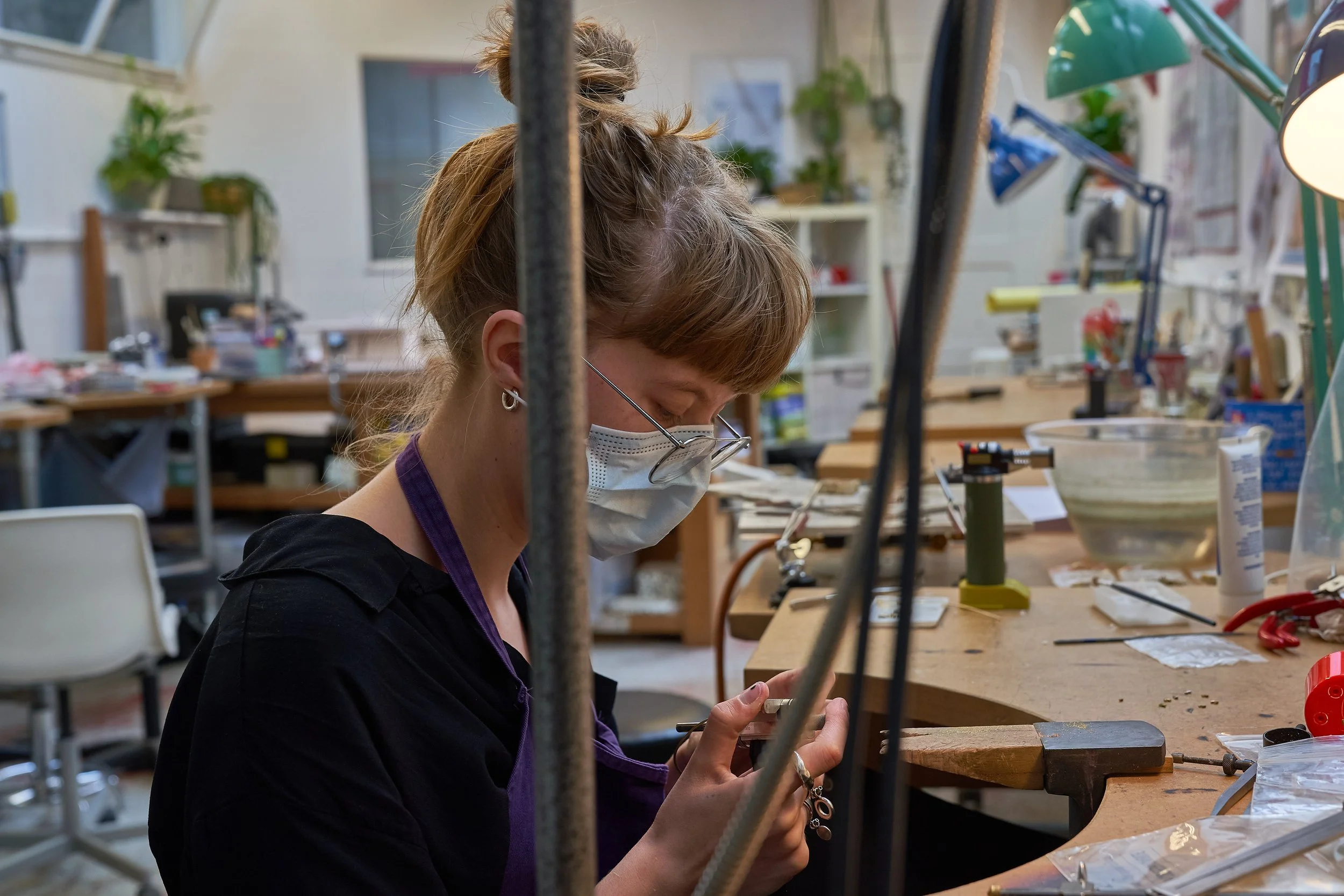
Curator: There’s something very valuable about allowing an artist to remain within the environment where their practice already exists. They don’t have to pause their commissions, teaching, responsibilities or established studio routines. Instead, they can introduce the residency into their existing practice.
THIS REALATIONSHIP IS...
THIS REALATIONSHIP IS...
Founder: The programme includes both Professional and Peer Mentor sessions. Why was mentorship such an important part of the remote model?
Curator: Because when you remove the physical studio environment, the quality of the human connection becomes even more important. Professional mentors can offer insight into the realities of working within the industry, from exhibitions and galleries to portfolios, career development and positioning a practice. Peer mentors bring another perspective. They understand the realities of being an artist because they are navigating many of the same challenges themselves.
We want the selected artist to leave the residency not only with new work, but with a stronger understanding of where that work can take them.
Curator: You’re also offering strategic introductions to galleries, curators, collectors and other industry professionals. Why is that kind of access important?
Founder: Because opportunities often come through relationships. Artists can have extraordinary work, but knowing how to present that work, who to present it to and how to develop those relationships can be just as important as making it.
CLUSTER has spent years building an international network across galleries, museums, fairs, collectors, curators and creative organisations. We want to use that network meaningfully, not simply to introduce an artist to people, but to create conversations that could continue beyond the residency.
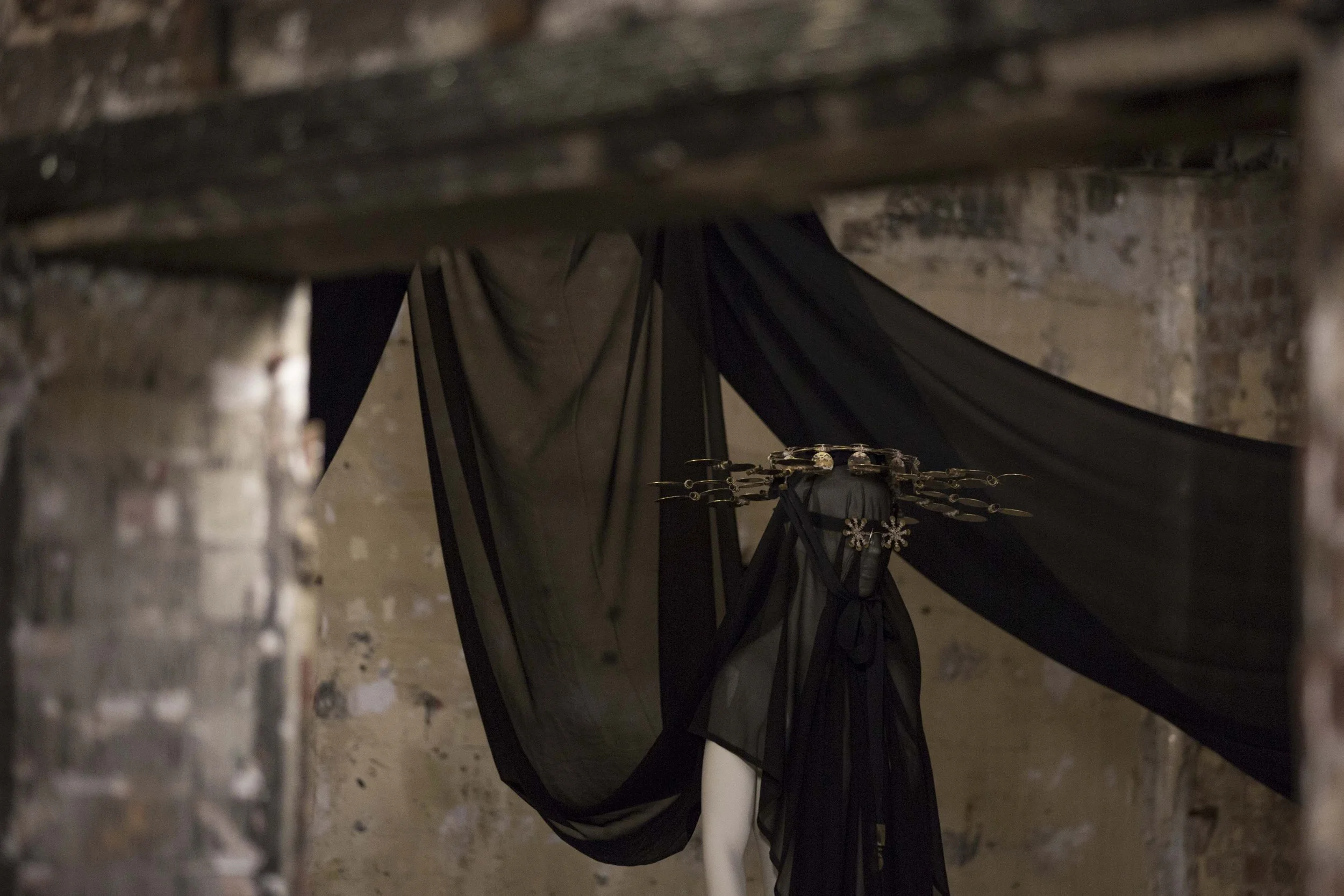
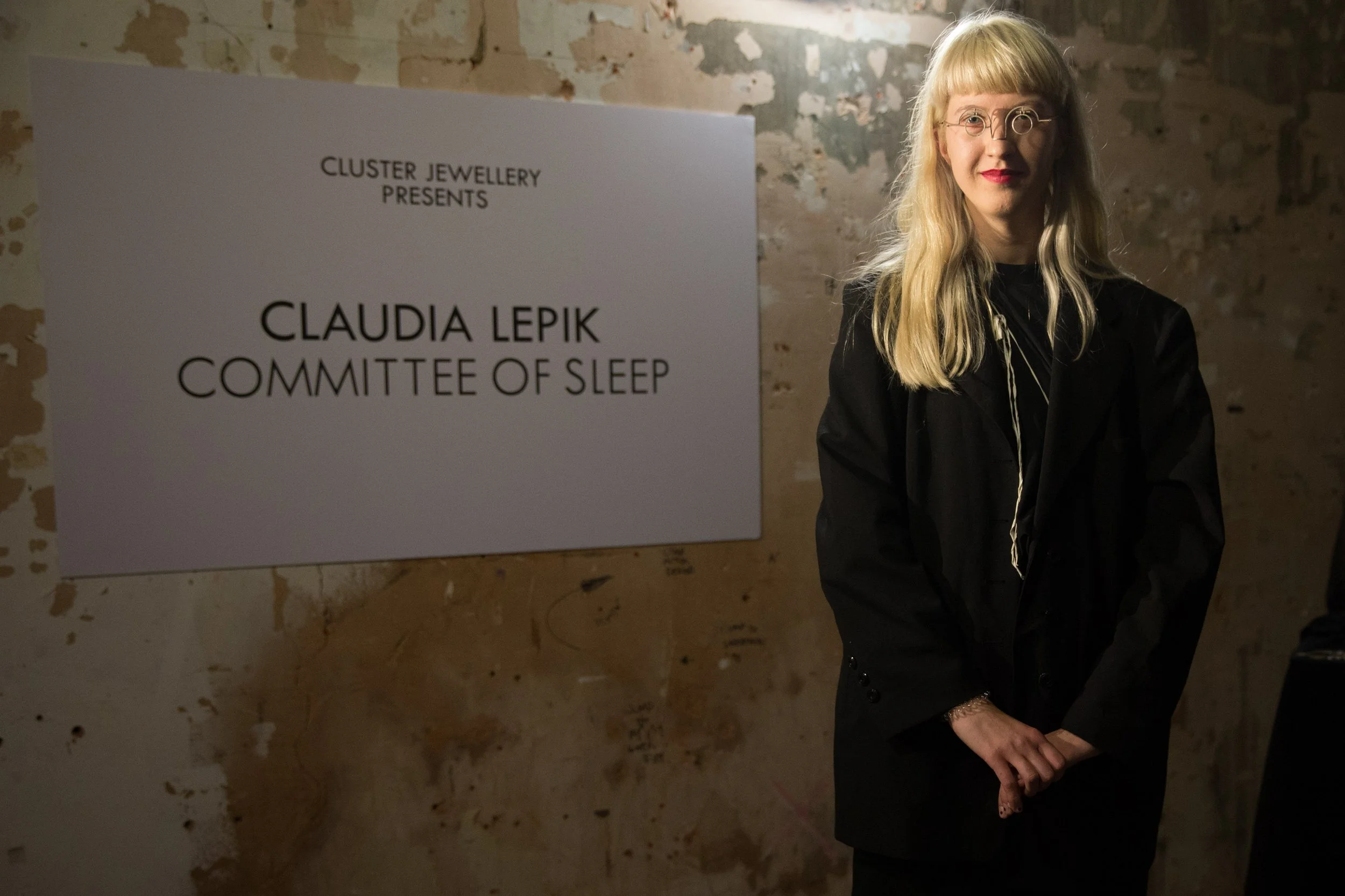
Curator: The residency culminates in a physical exhibition in London and other exhibition opportunities via CLUSTER’s partnerships. Why was it important to retain this physical element?
Founder: Because we believe artists need opportunities to present their work in a physical context. An exhibition gives the artist an opportunity to see the new body of work together, share it with an audience and engage directly with curators, collectors, press and other professionals. It also means the remote residency has a tangible outcome. The work developed from the artist’s own studio ultimately enters a physical exhibition context.
Curator: What are you hoping the first Remote Jewellery Residency will offer the selected artist beyond the one-month programme itself?
Founder: Longevity is really important to us. We don’t want the residency to be something that happens and then disappears. We want the artist to leave with a new body of work, but also with new professional relationships, a stronger portfolio, greater confidence in presenting their practice and a network that they can continue to develop.
The exhibition is one outcome. The relationships and opportunities that come afterwards are equally important.
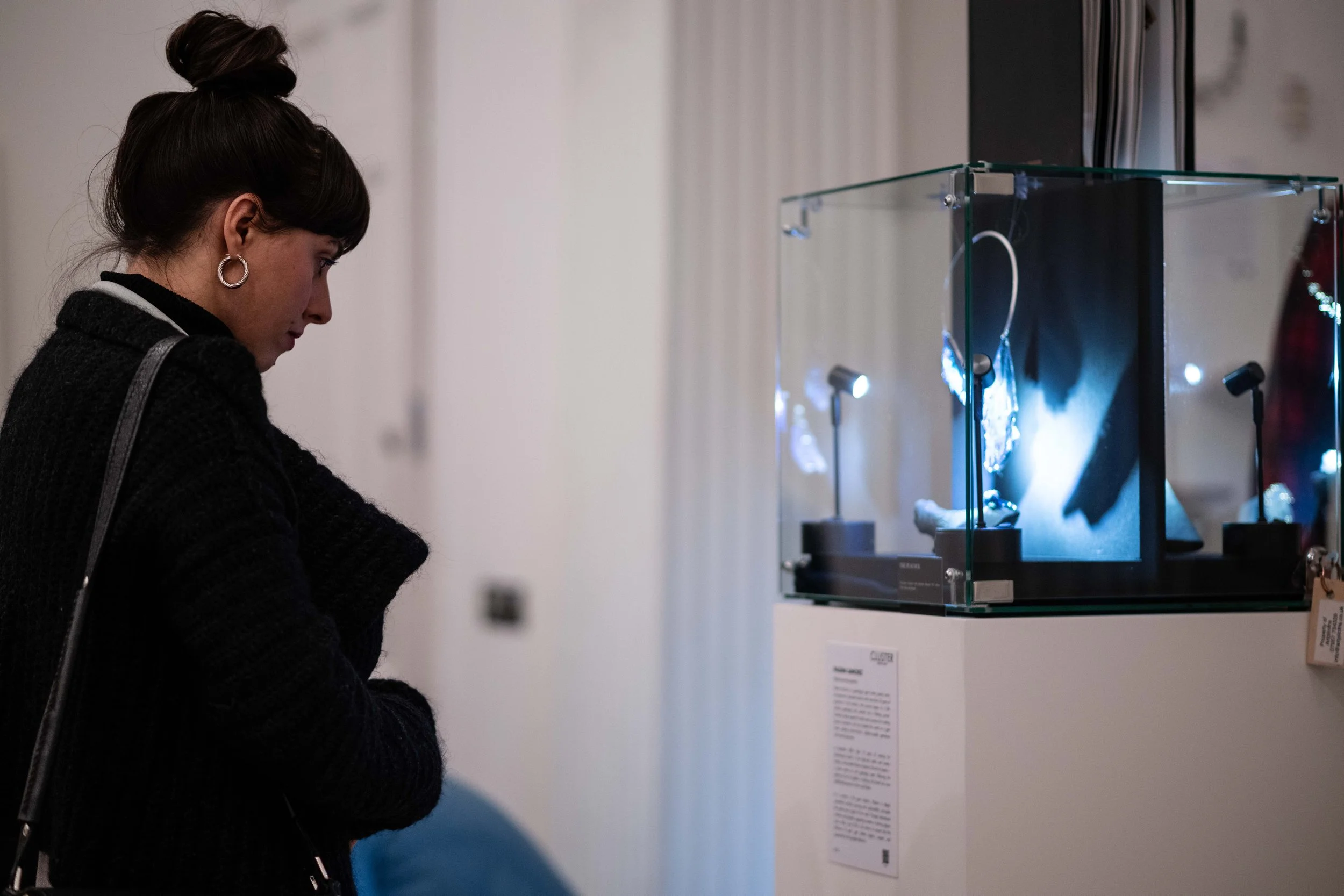
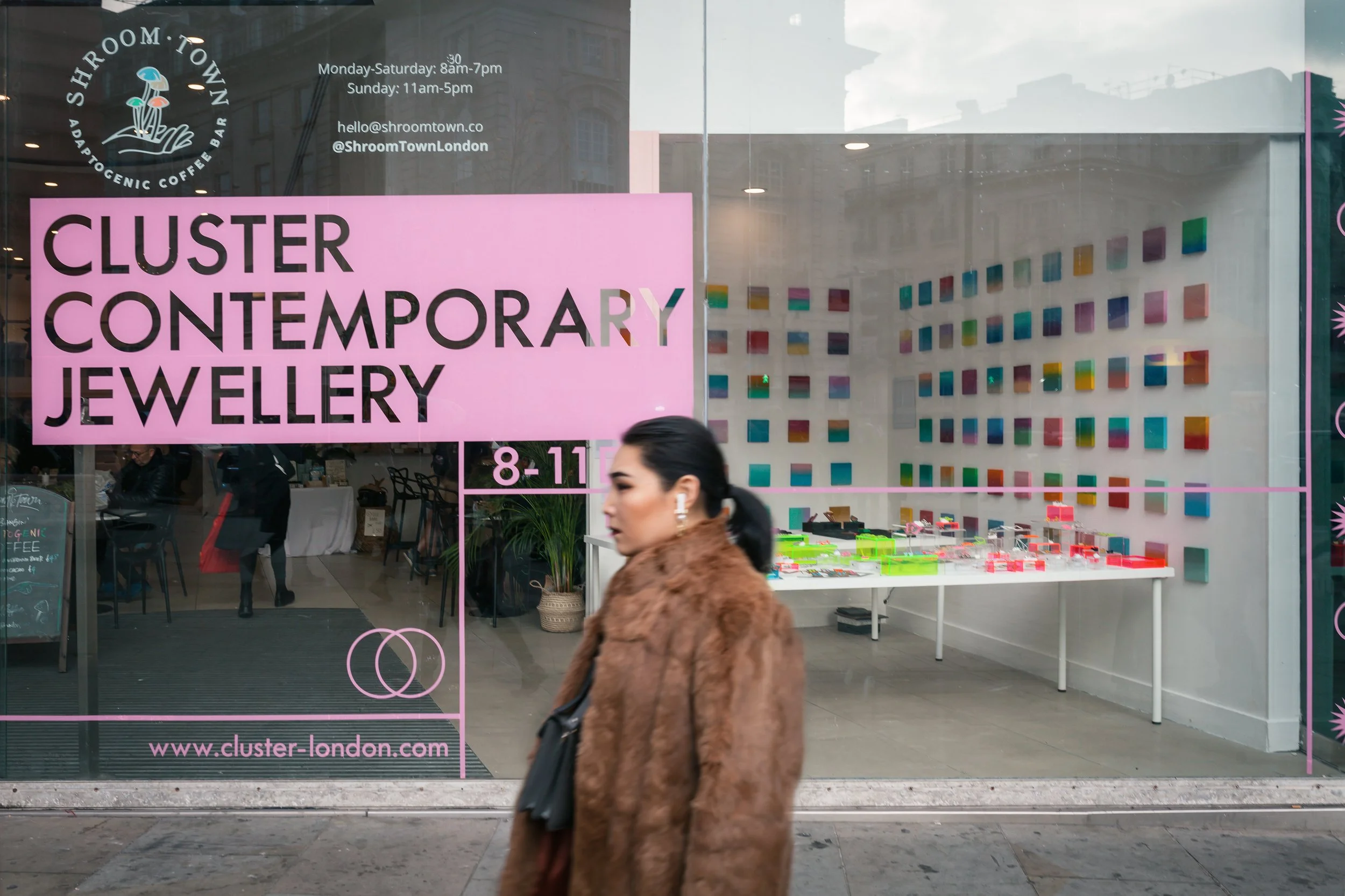
Curator: Finally, what would you say to an artist who has considered applying for a residency before but felt that relocating for a month simply wasn’t possible?
Founder: Apply.
The whole reason we created this programme is because we don’t believe geography should be the thing that determines whether an artist can access professional development. You don’t have to leave your studio, put your practice on hold or relocate your life for a month. You can develop the work from your own environment while becoming part of CLUSTER’s network and ultimately bringing that work to London.
For us, the remote residency isn’t about offering artists less. It’s about finding another way to offer meaningful access to artists who have previously been excluded by the traditional residency model.
Thank you for reading,
Cluster Team.