
ILDIKO SZALLAS
“FORMS OF REVERENCE”
2026
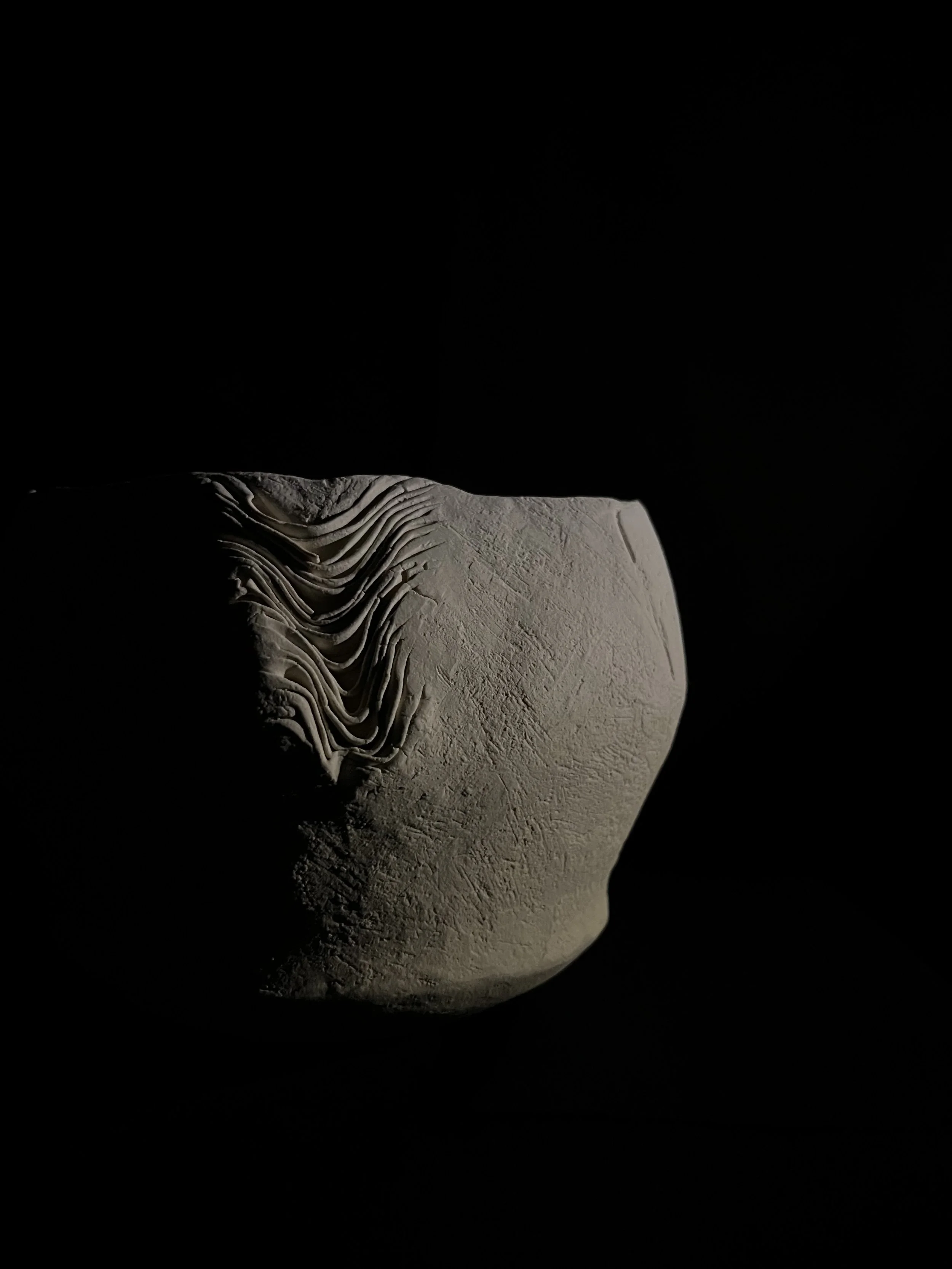
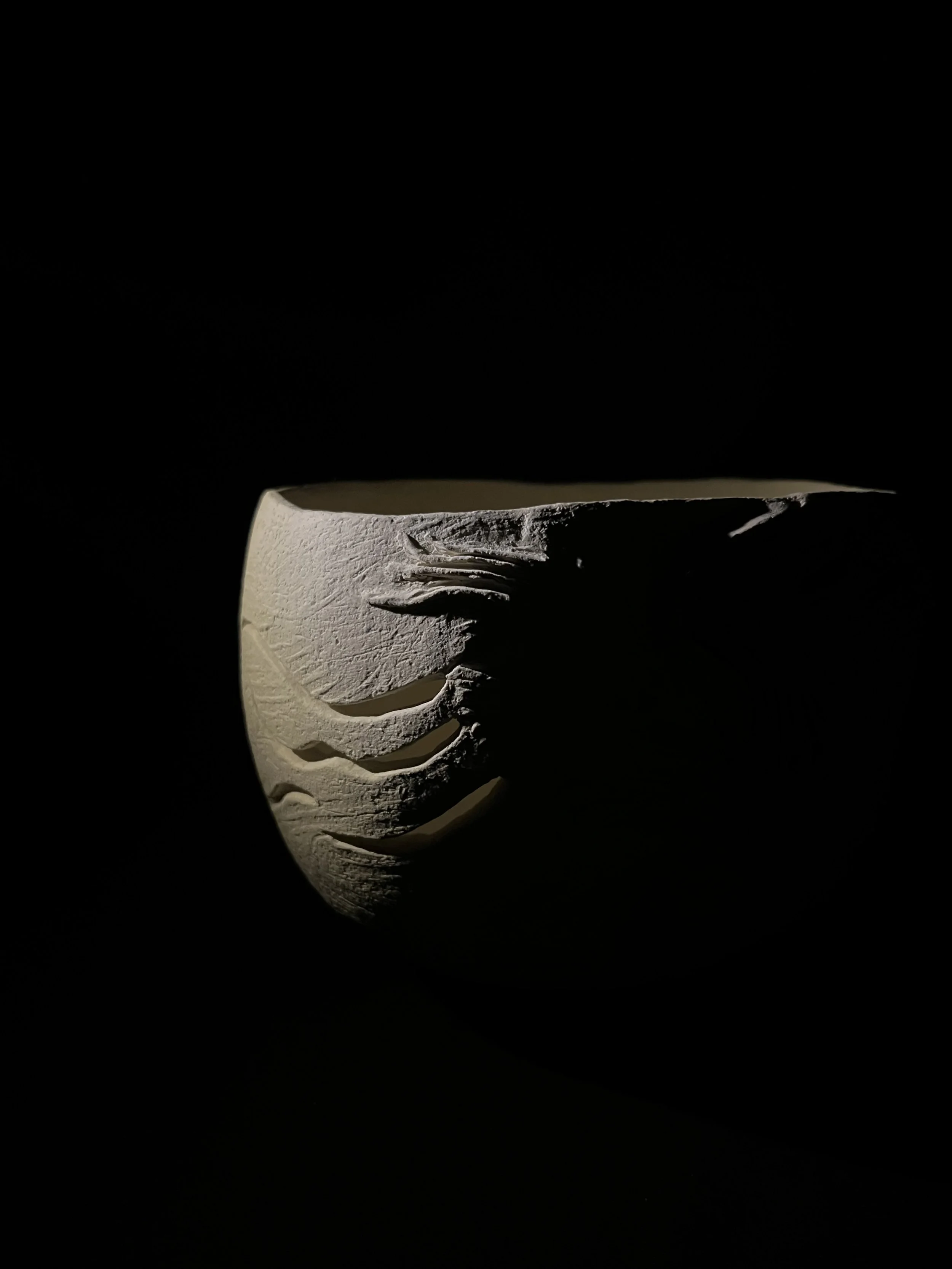
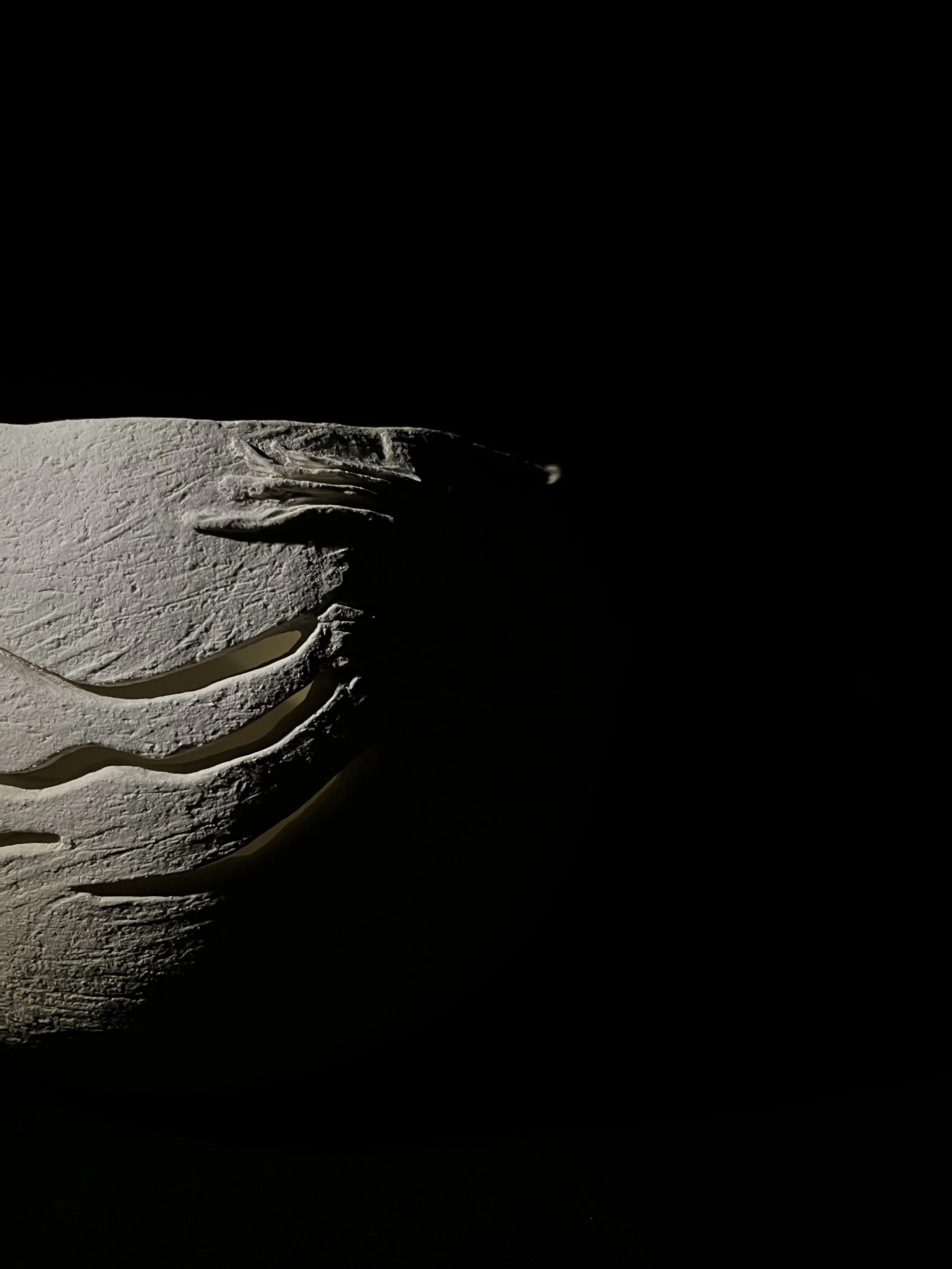
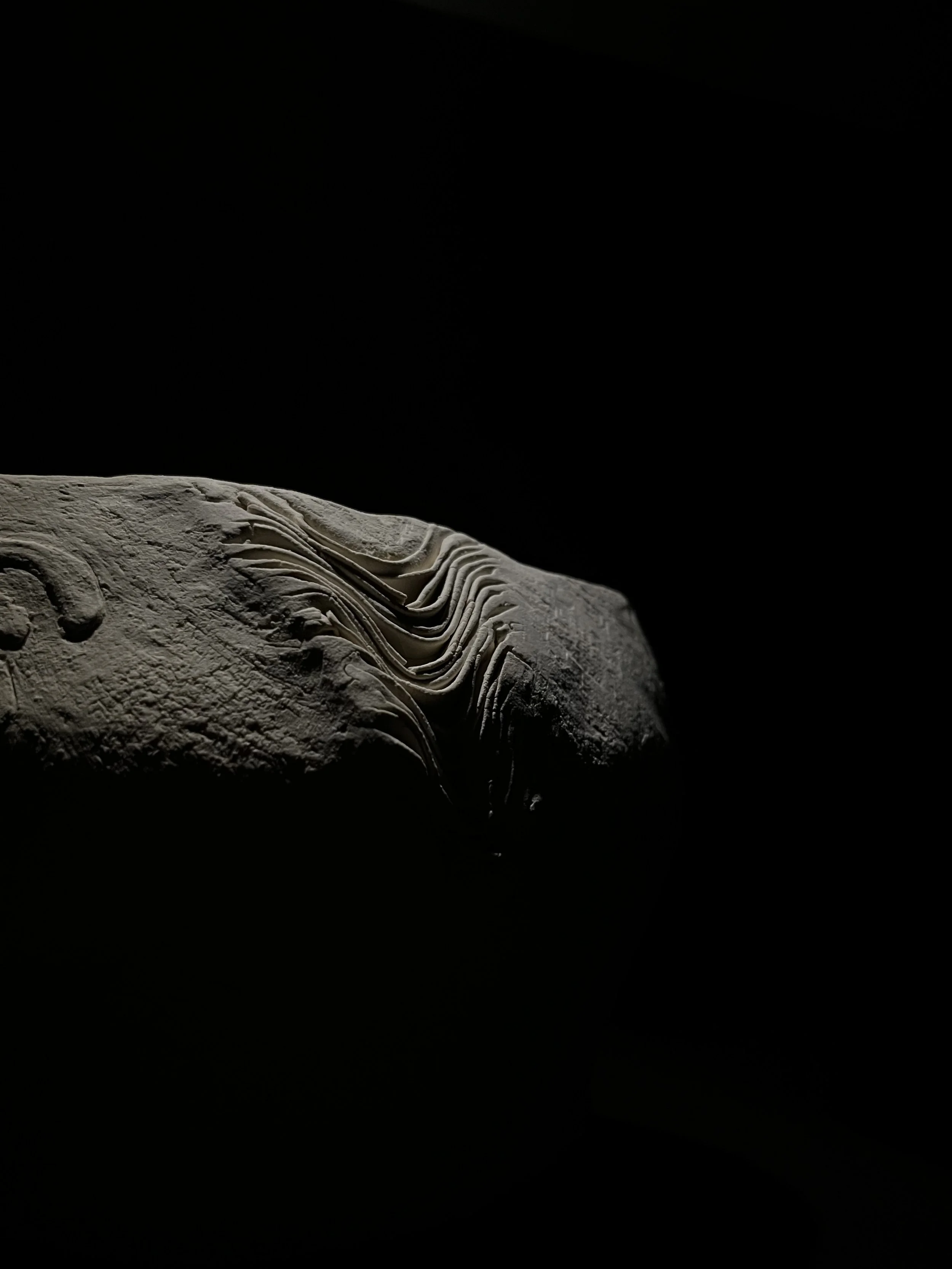
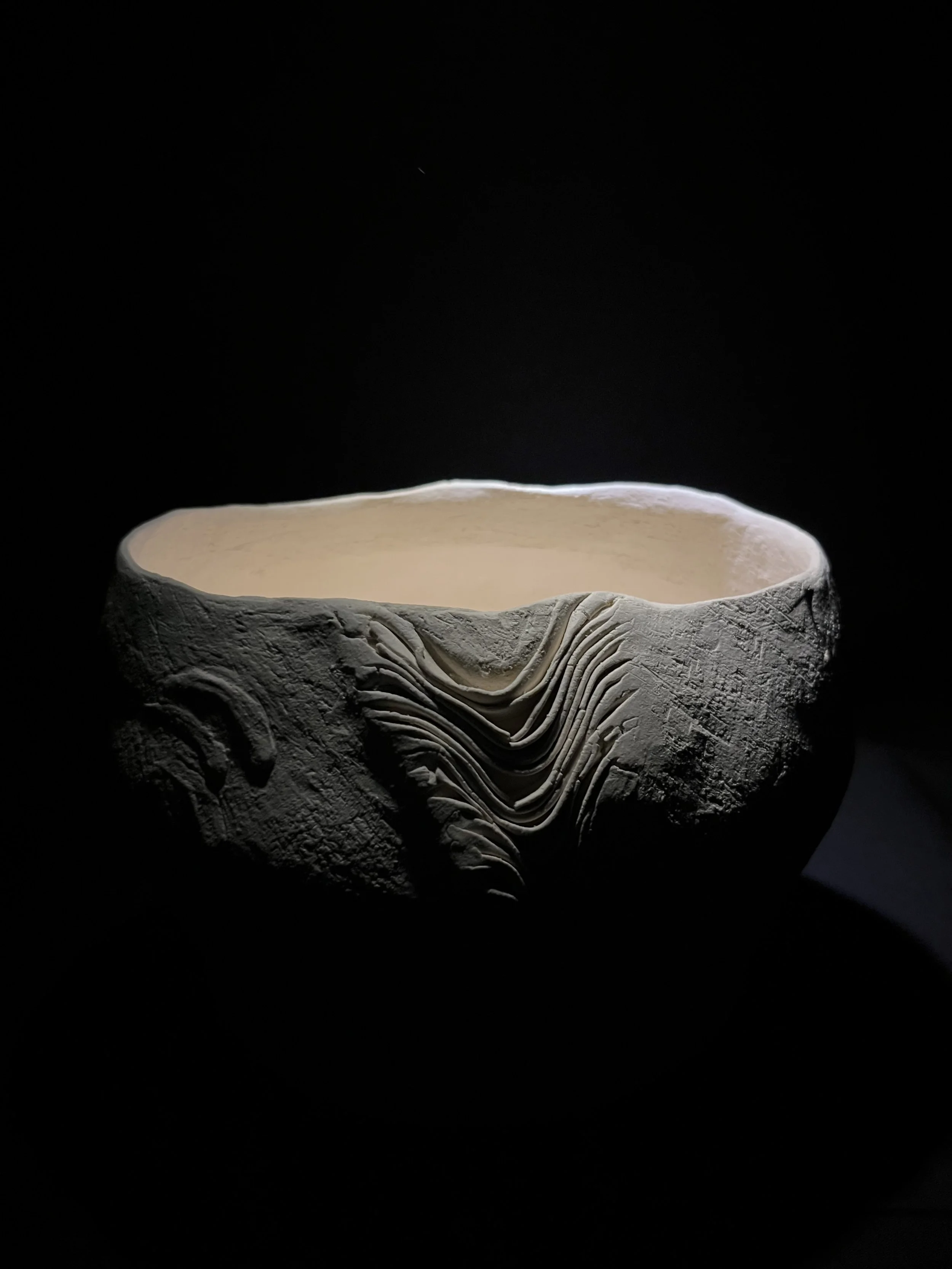
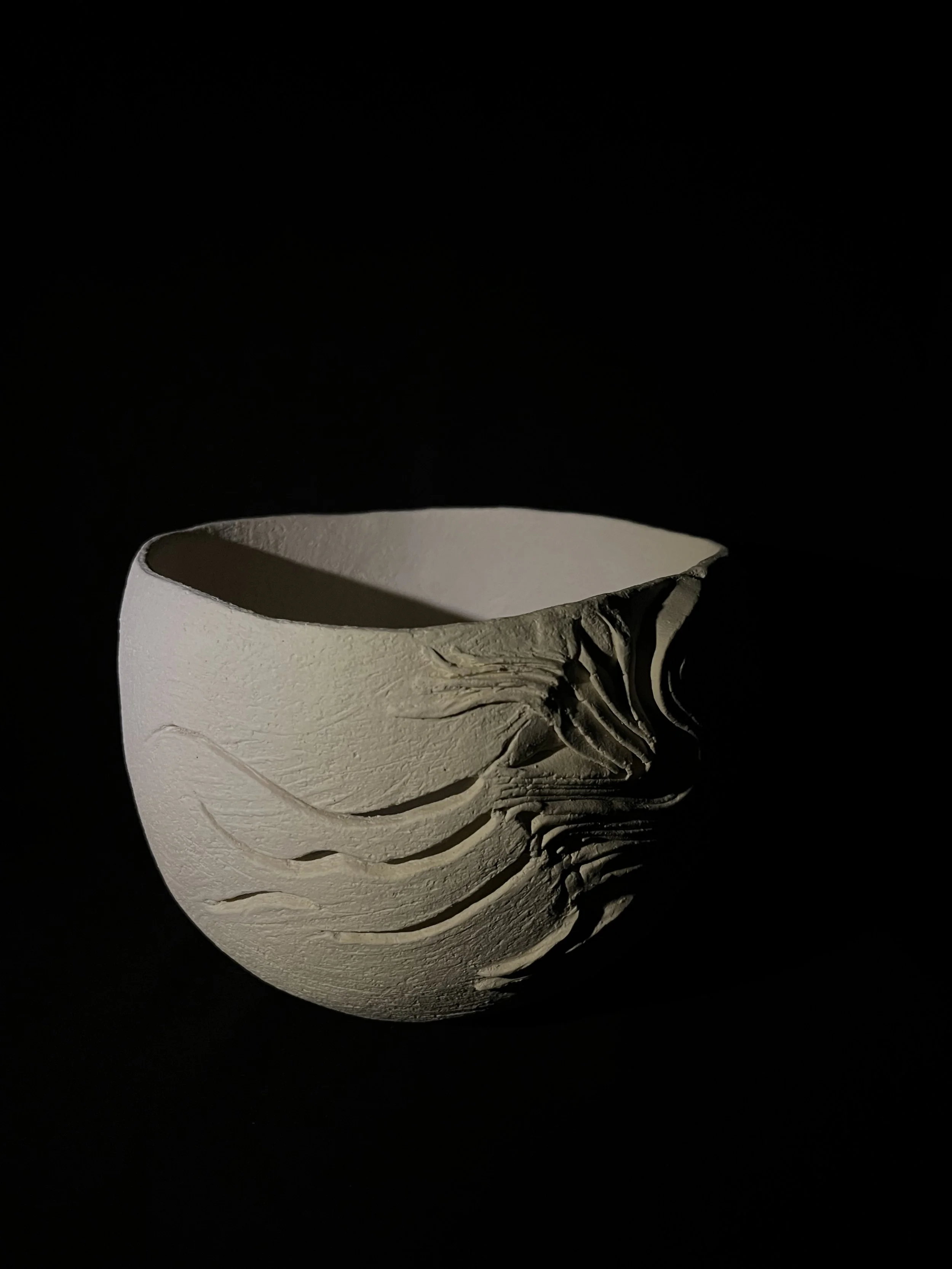
Ildikó Szallas is a Budapest-born, Cambridge-based ceramic artist working in the tradition of slow, meditative making. Trained under a Hungarian ceramic artist and Zen monk, her practice is rooted in presence — in the dialogue between hand, material, and time.
Her hand-built, one-of-a-kind vessels sit within an ongoing body of work called The World in Chaos — an exploration of elemental forces, transformation, and the traces that earth and water leave on each other.
Each piece is shaped without a wheel, built through coiling, pinching, kurinuki, and tataki, and finished with attention to texture, surface, and form.
After two decades in international corporate life, she returned to ceramics to reclaim slowness. That tension — between speed and stillness, between chaos and form — lives in every piece she makes.
Her work bridges East and West — informed by Japanese aesthetics, Nordic restraint, and European craft tradition, and shaped by a multicultural life and practice. She makes sculptural vessels and Ikebana forms — hand-built, unrepeatable, each one shaped once.
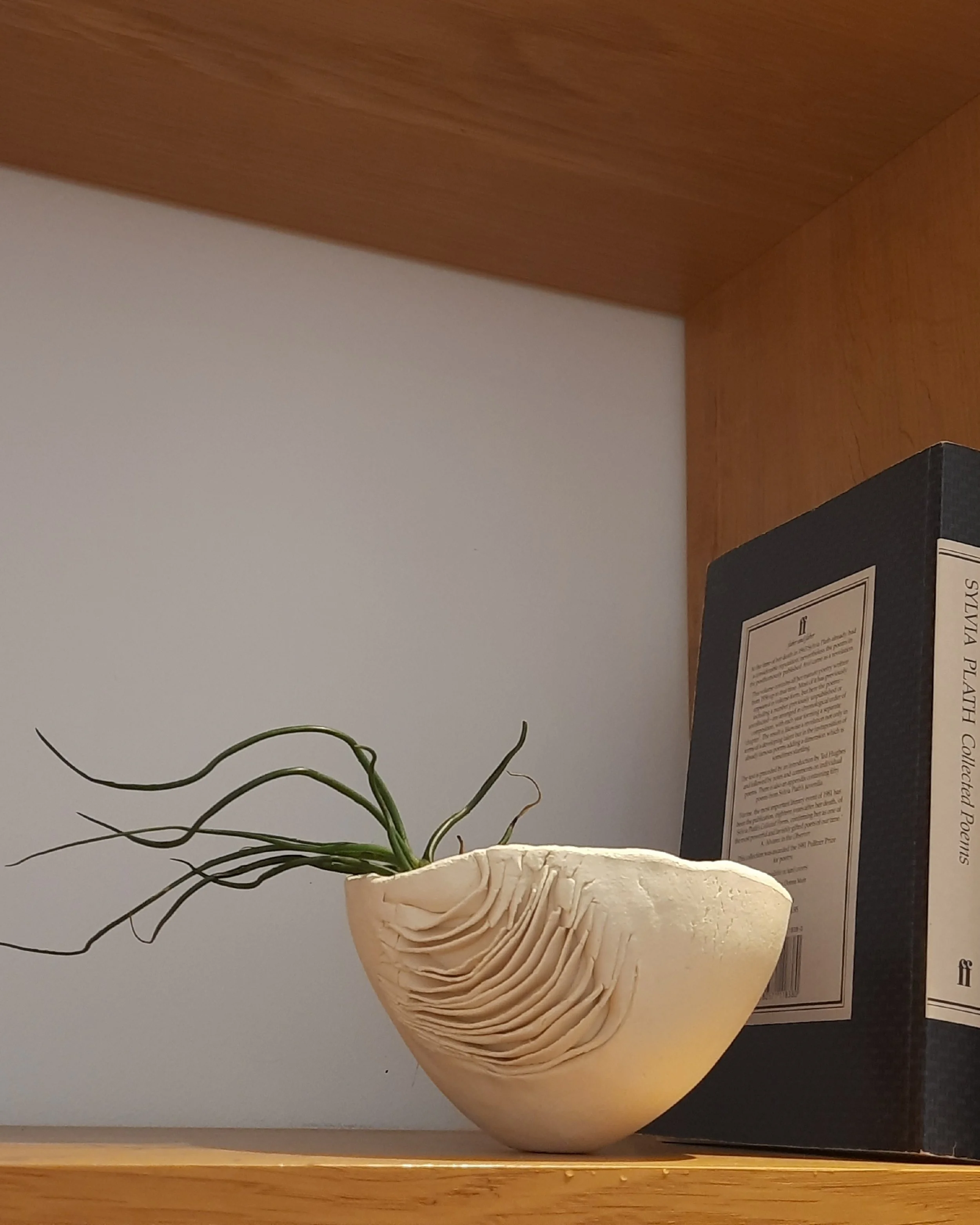
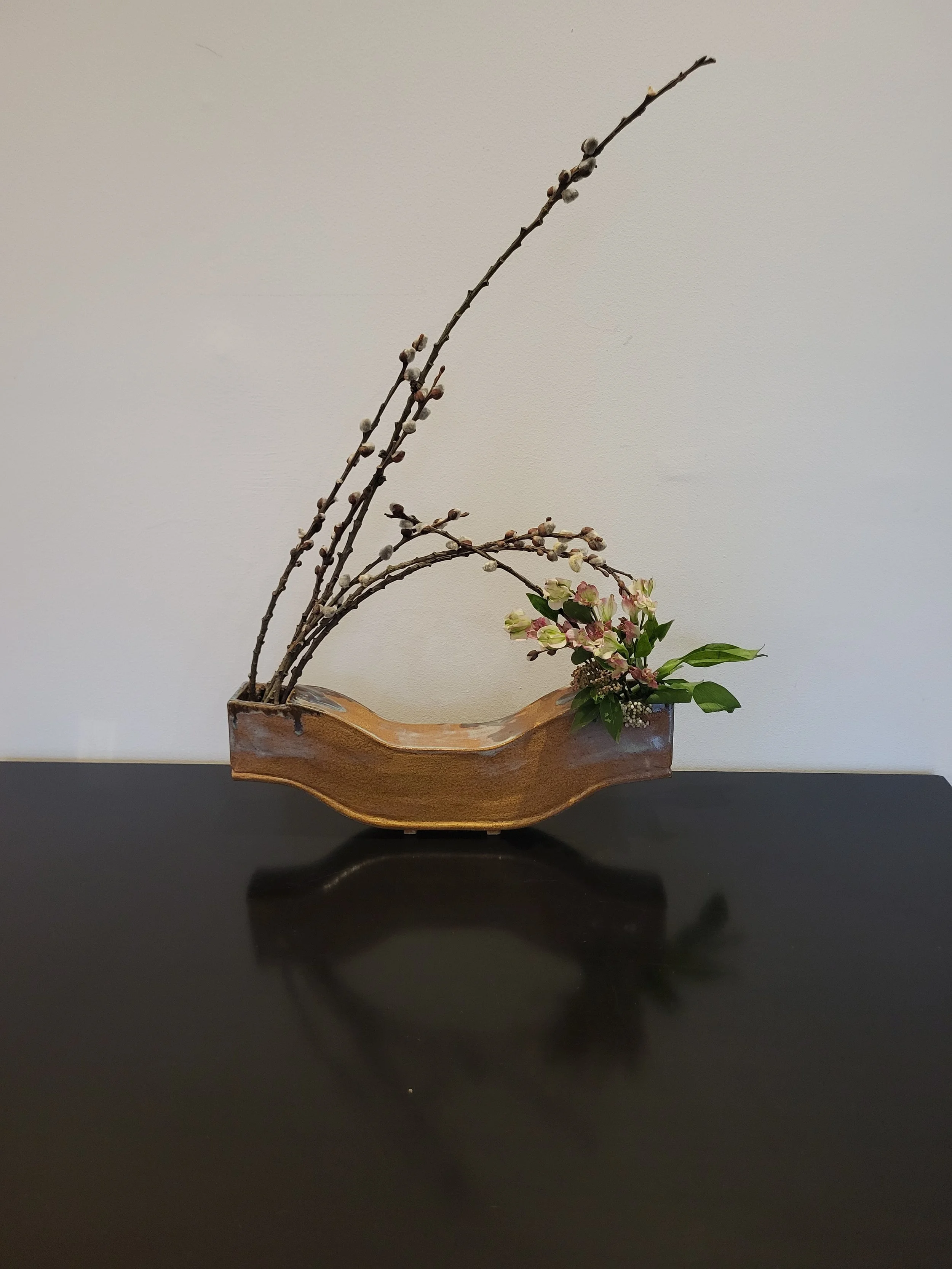
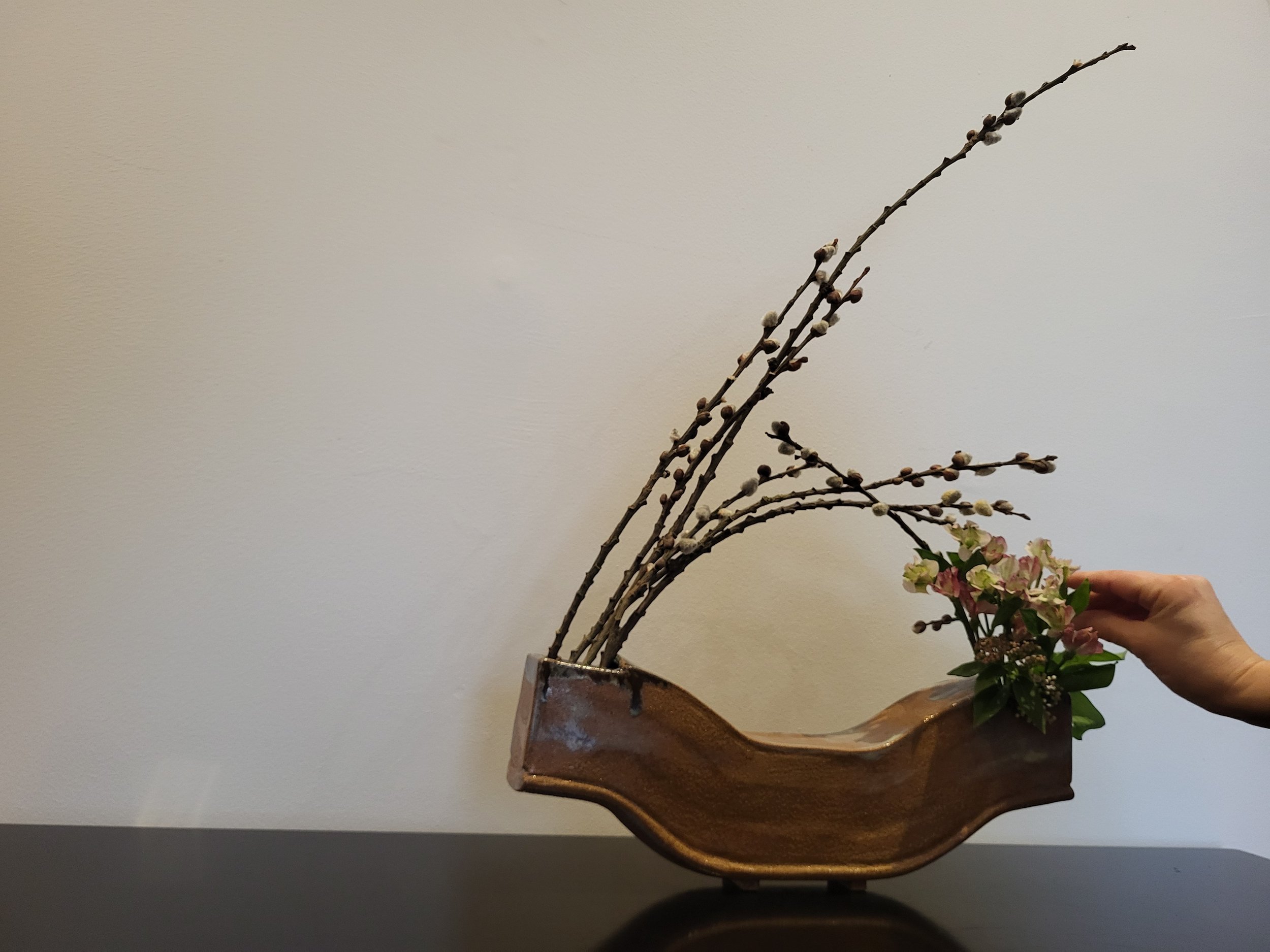
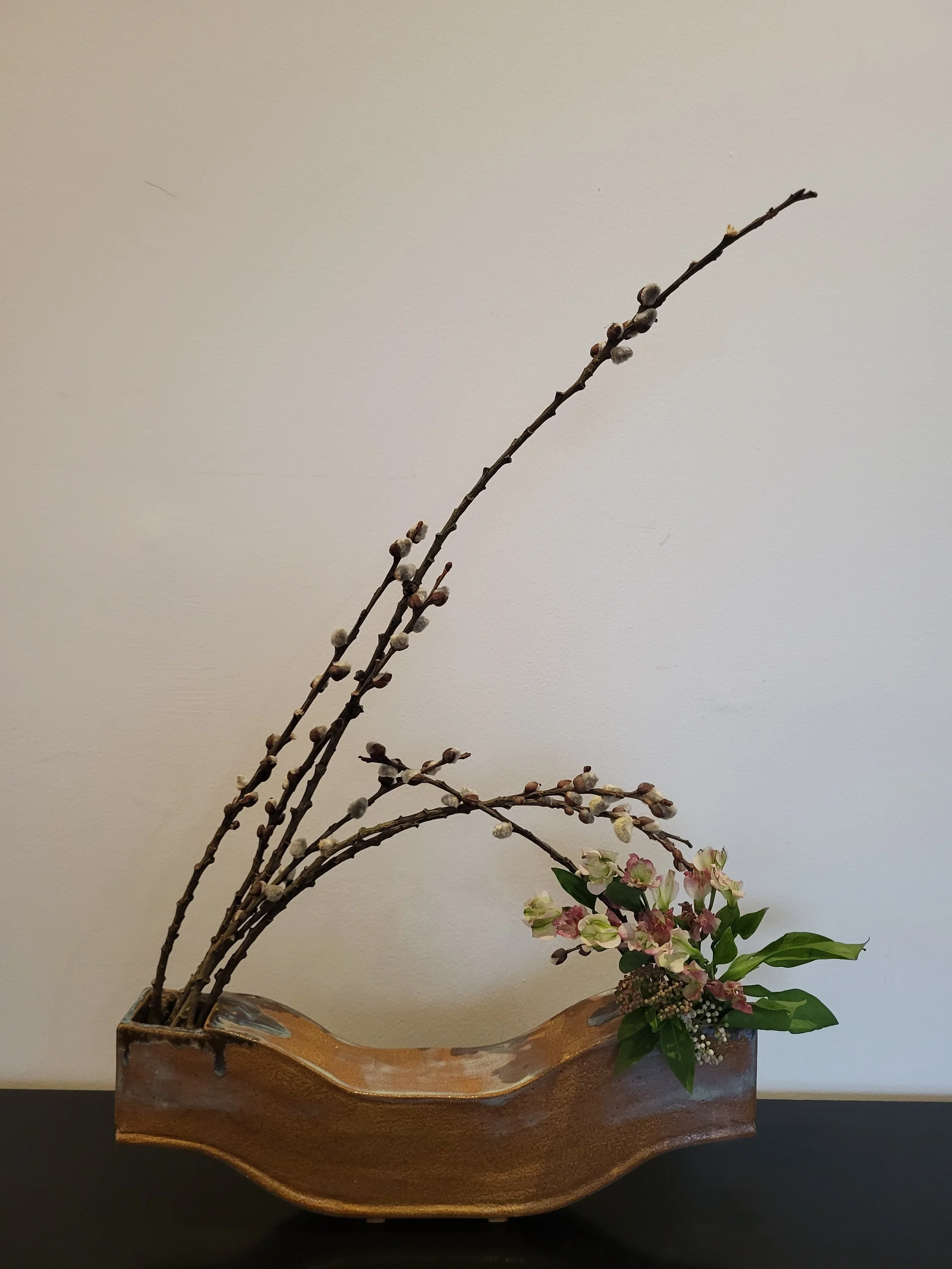
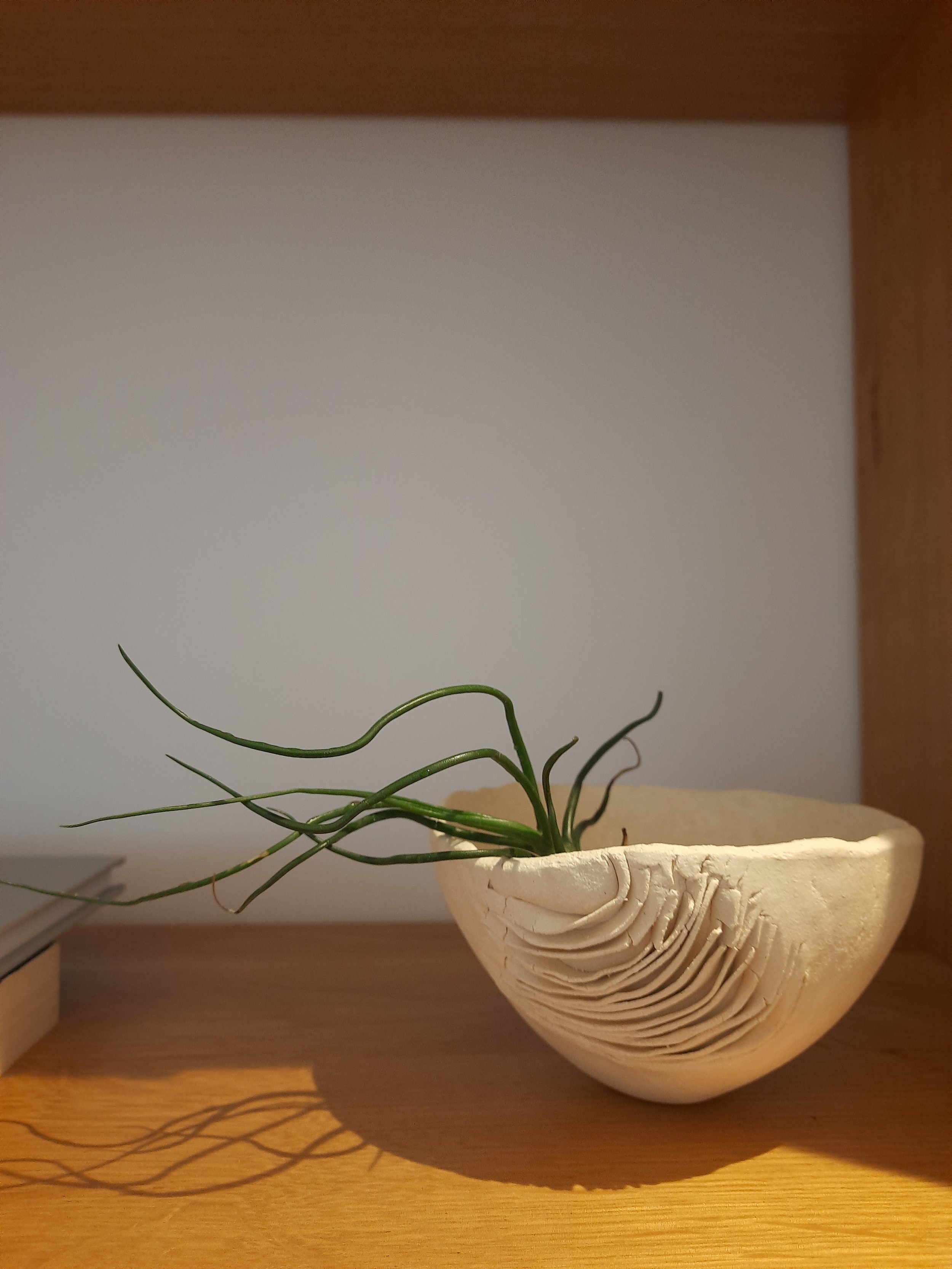
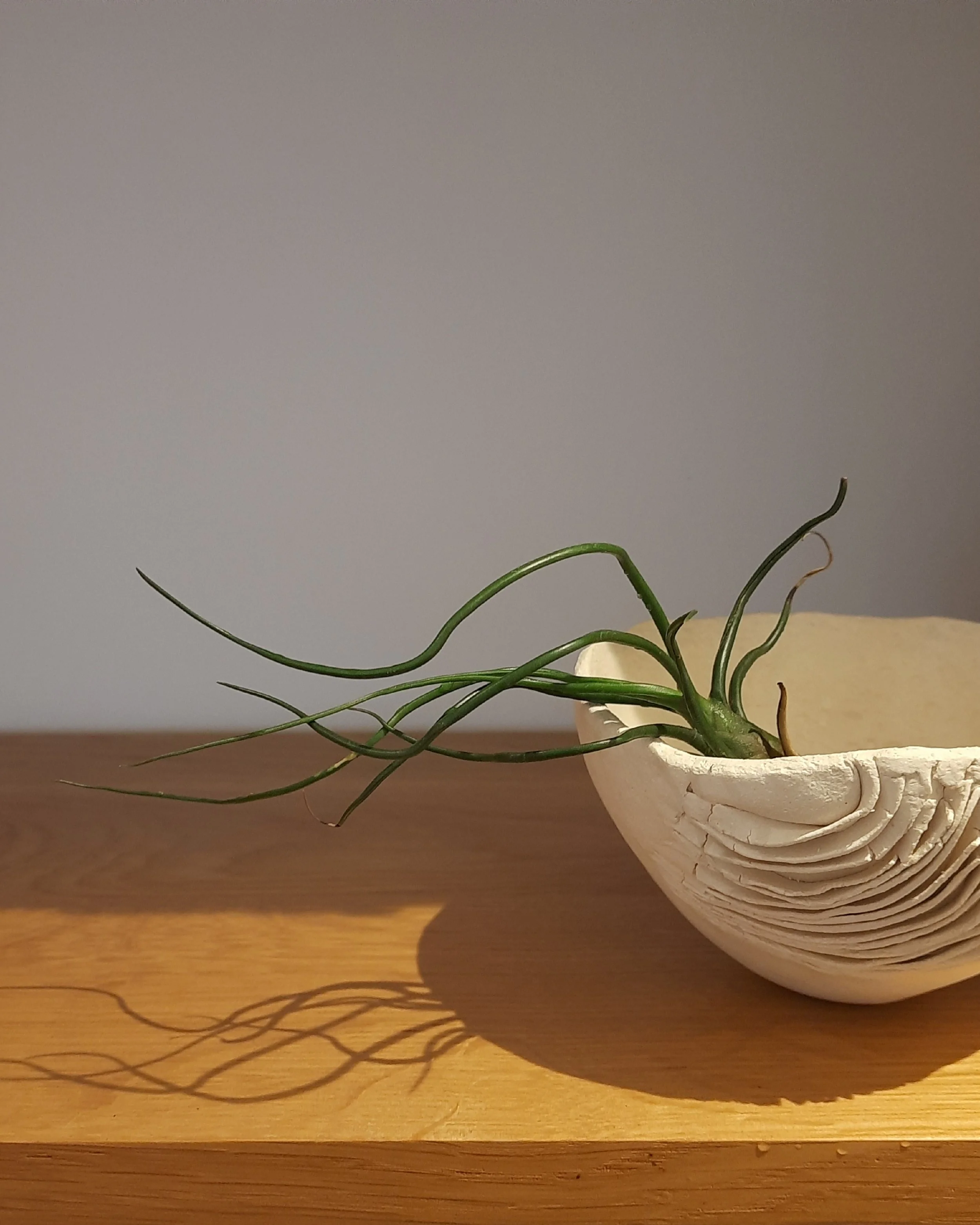
"Her sculptural vessels and Ikebana forms are defined by layered textures and subtle imperfections, evoking natural forces held in suspension. Each piece captures the movements of natural landscapes in abstract yet tangible forms — mountains, shifting terrain, the slow drift of water. Textures recall erosion and sedimentation; surfaces carry traces of elemental forces in quiet dialogue.
The series Traces of Earth, Traces of Water examines the liminal zones where these forces converge — tracing flows, ripples, and undulations that reflect the intertwined effects of natural and human actions reshaping land and water. Transformation here is not destruction but an ongoing, sometimes destabilising dialogue between material, gesture, and environment.
Working intuitively with kurinuki, tataki, coiling, pinching, and slab building, she shapes stoneware clay through a long and deliberate process. Numerous layers of thin, stretched clay create the sensation of flowing water; carving reinforces movement within solidity. Her practice extends beyond clay into Ikebana and botany — disciplines that deepen her sensitivity to rhythm, growth, and seasonal change.
Each piece is a quiet meditation on presence — a gesture toward careful observation of how the Earth shapes us, and how we shape the Earth in return.”