ERCO LAI
“CODE&CRAFT”
2025
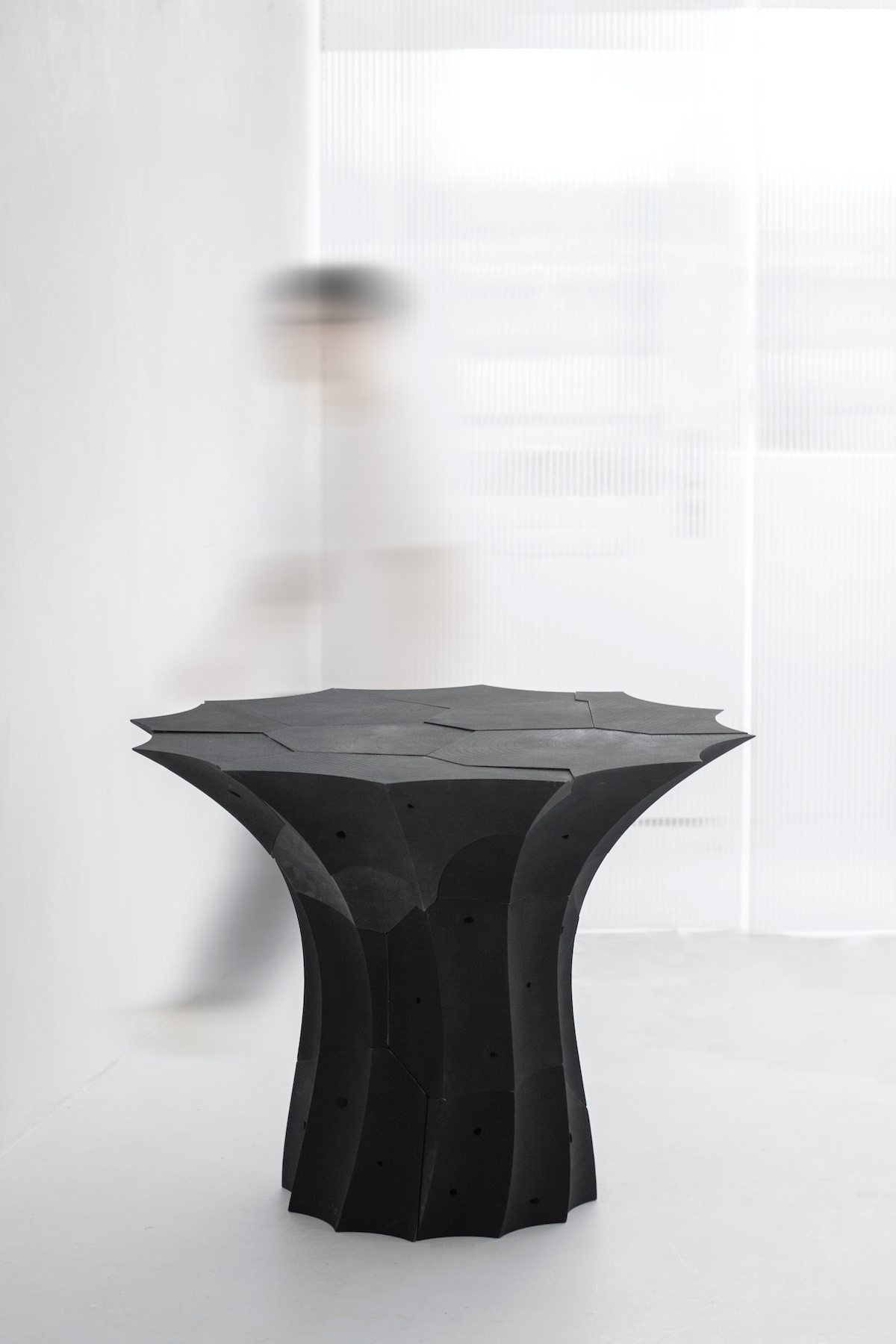
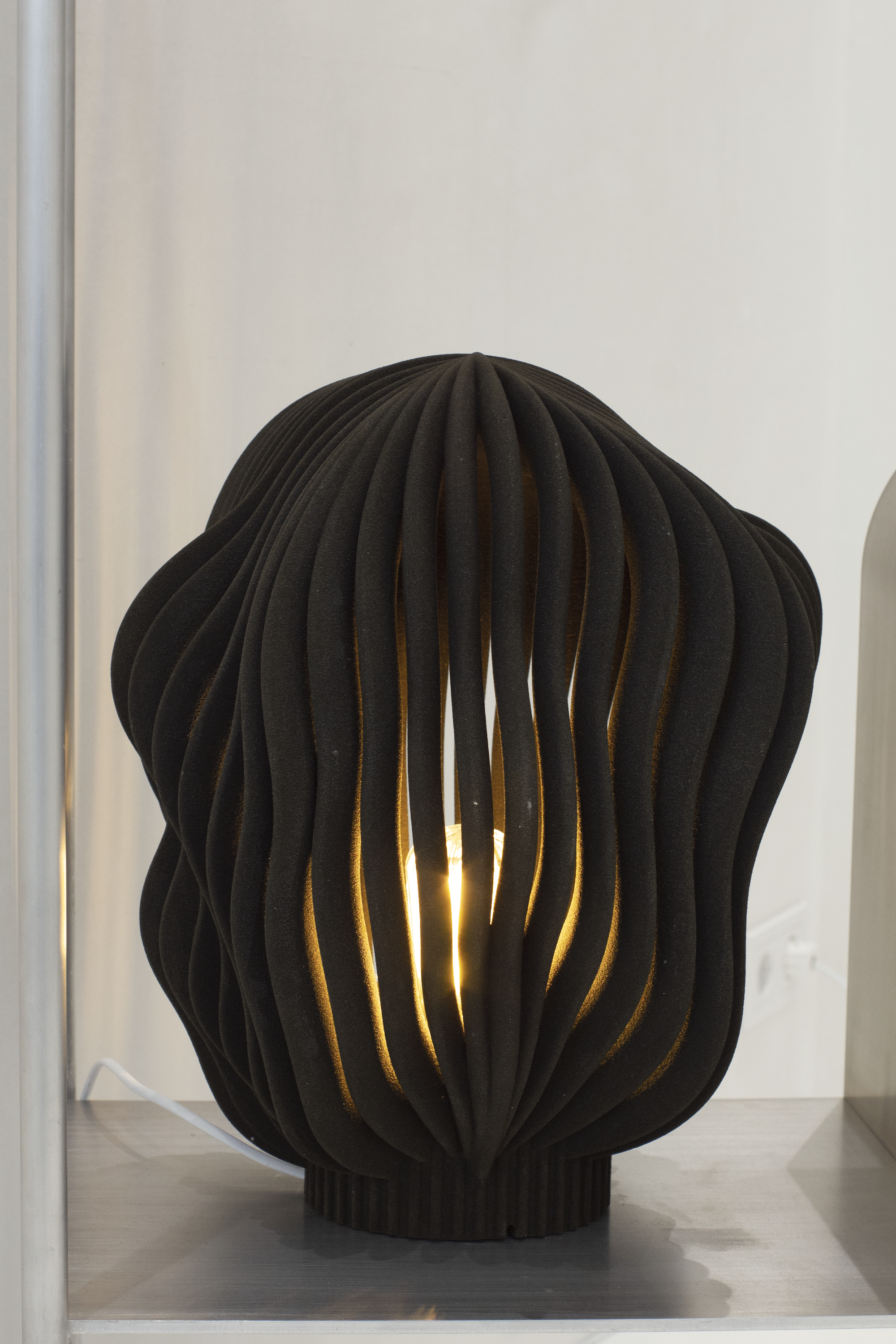
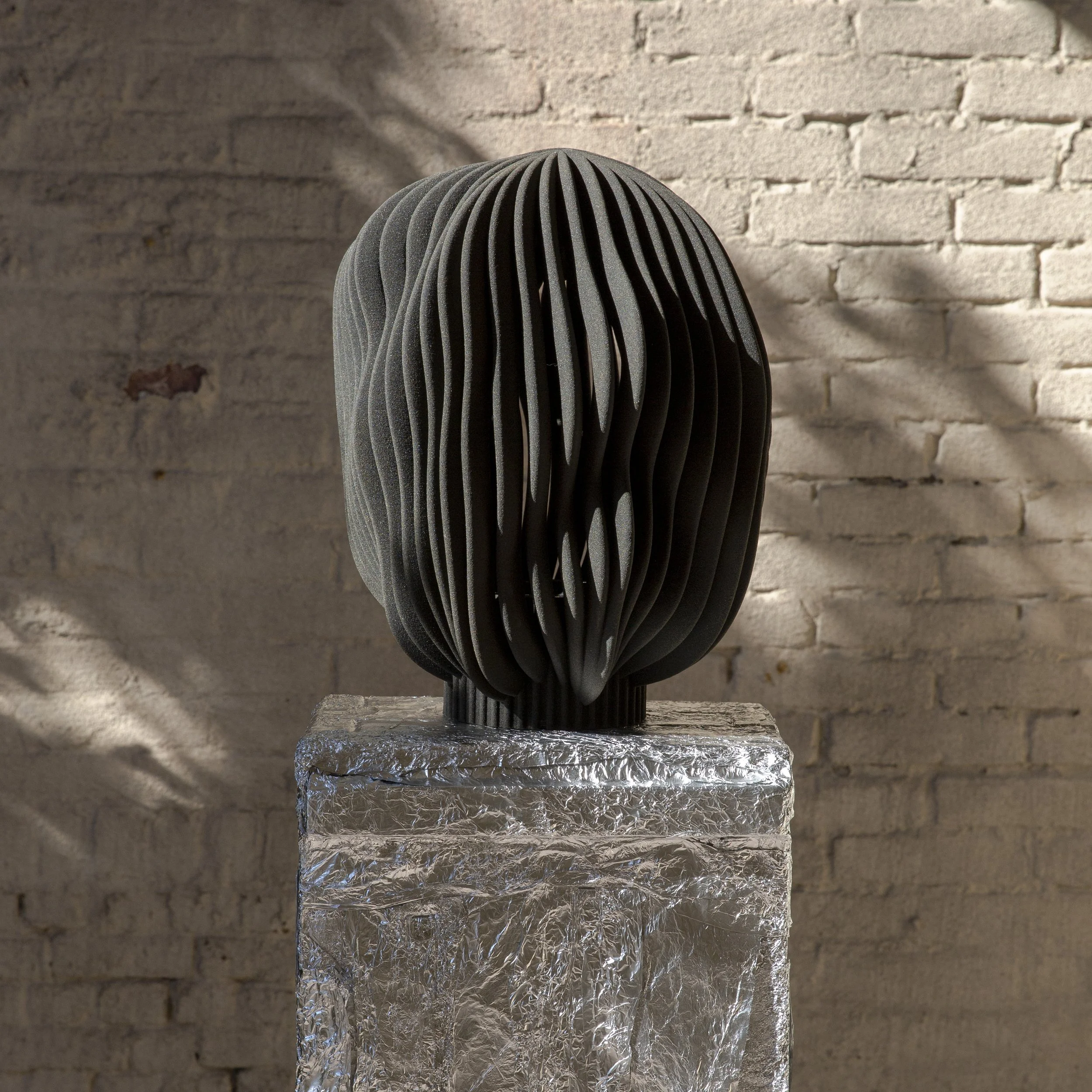
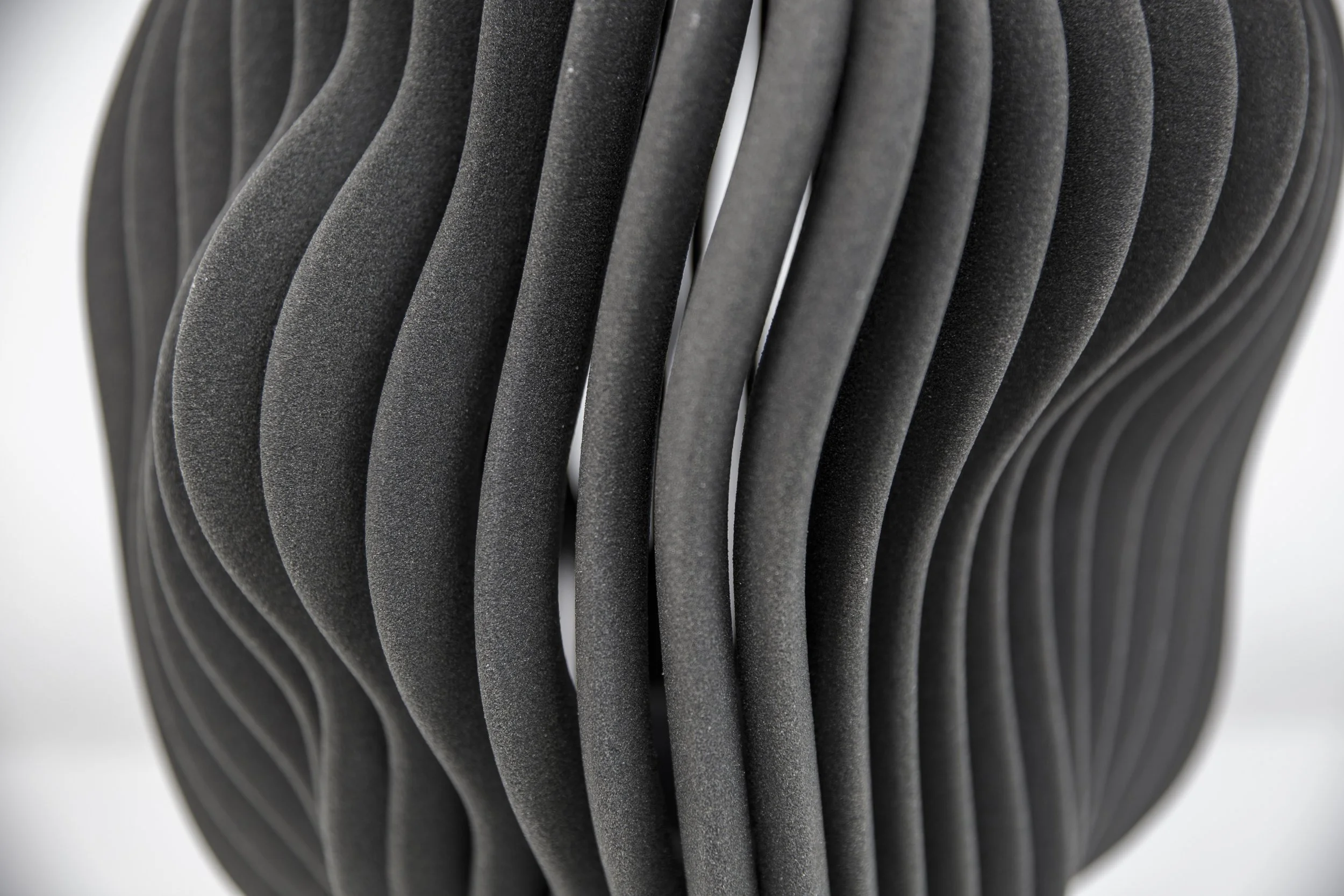
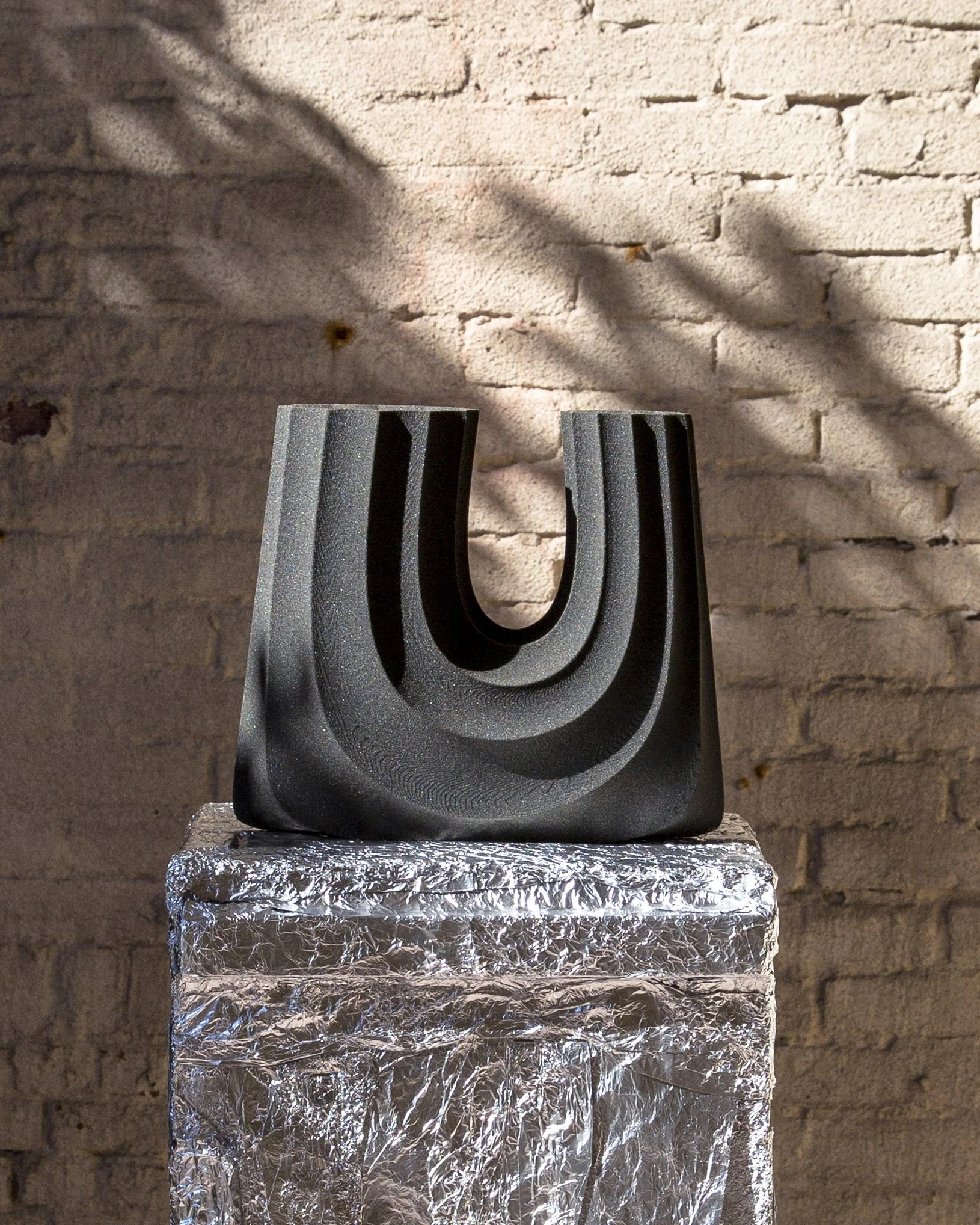
Erco Lai is an interdisciplinary designer/artist working at the intersection of digital fabrication and circular material experimentation. His practice explores the tension between digital precision and material spontaneity, transforming industrial by-products into poetic, tactile forms. Drawing from post-industrial conditions, he reimagines production not as a system of extraction, but as a regenerative and expressive act. With a background in industrial design and experience collaborating with material scientists, engineers, and cultural institutions, Erco positions his work between design research, future craft, and alternative manufacturing systems. Using both analog processes and digital tools, he challenges conventional roles of the designer by embracing waste as a collaborator and material as a storyteller.
I create work in response to the conditions of the post-industrial era—an age shaped by material excess, ecological imbalance, and the need to rethink production systems. Through reclaiming industrial waste and experimenting with alternative manufacturing methods, I explore how design can become more intuitive, regenerative, and expressive. My process blends digital modeling and fabrication with hands-on experimentation, allowing materials to guide form through a dialogue between control and spontaneity.
At the heart of my practice is the idea of “the factory”—not as a site of mass production, but as a conceptual and experimental space for poetic production. Here, digital tools serve not to dominate but to support a more sensitive and adaptive approach to making. Waste is reimagined as a resource, and matter is treated as an active partner. By crafting new material languages and design rituals, I aim to propose alternative futures where digital craft, sustainability, and material storytelling come together in a more thoughtful, reciprocal relationship with the Earth.
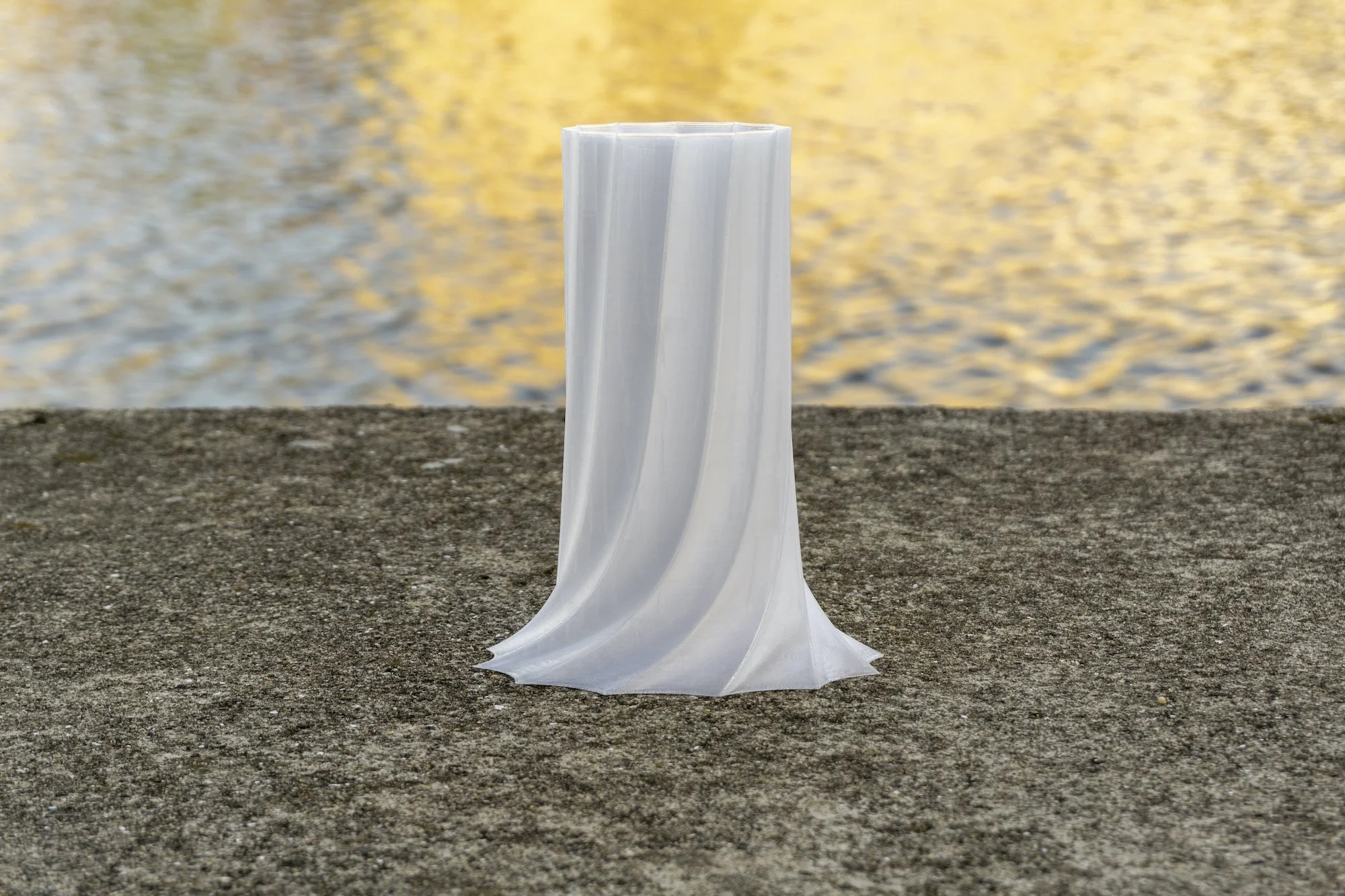

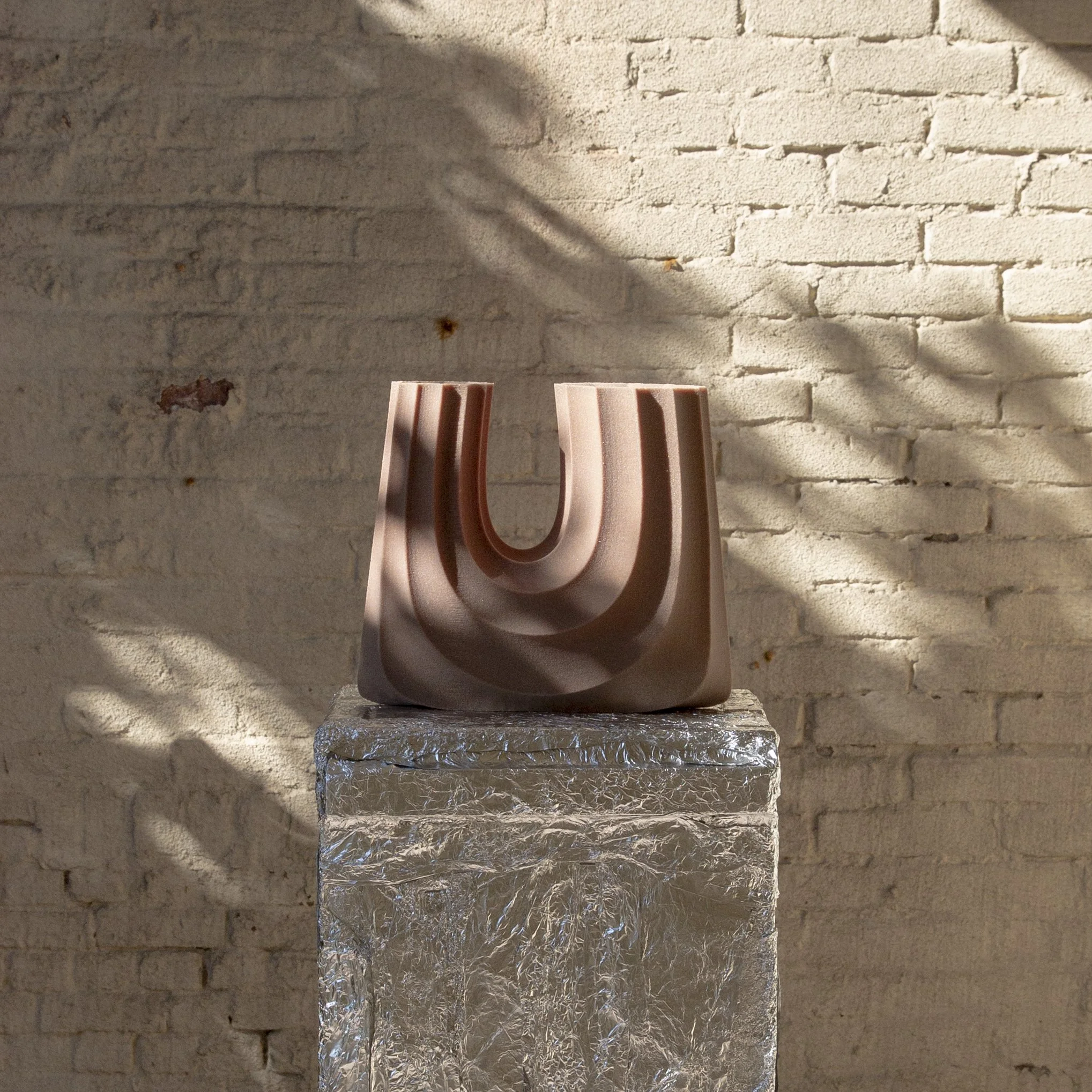
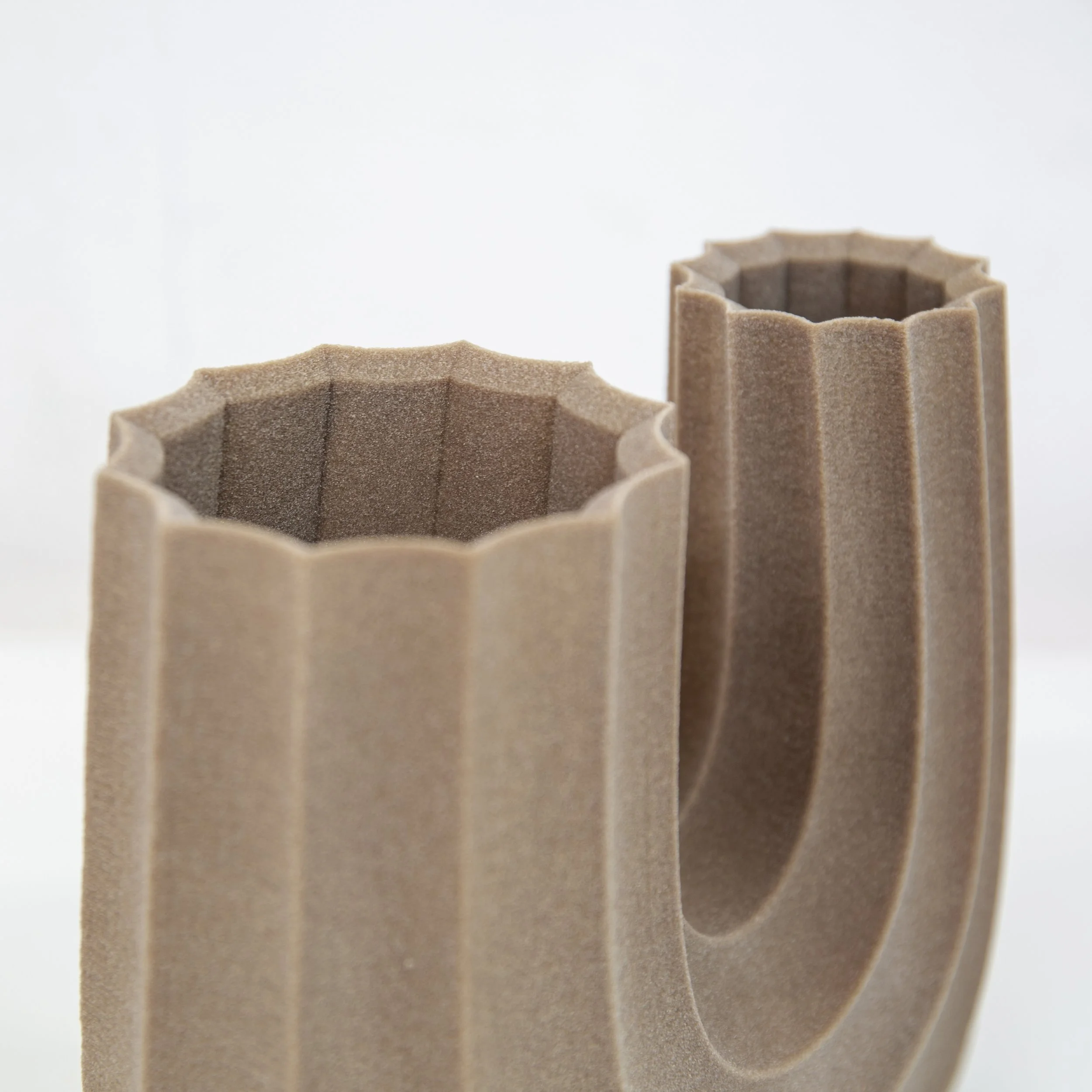
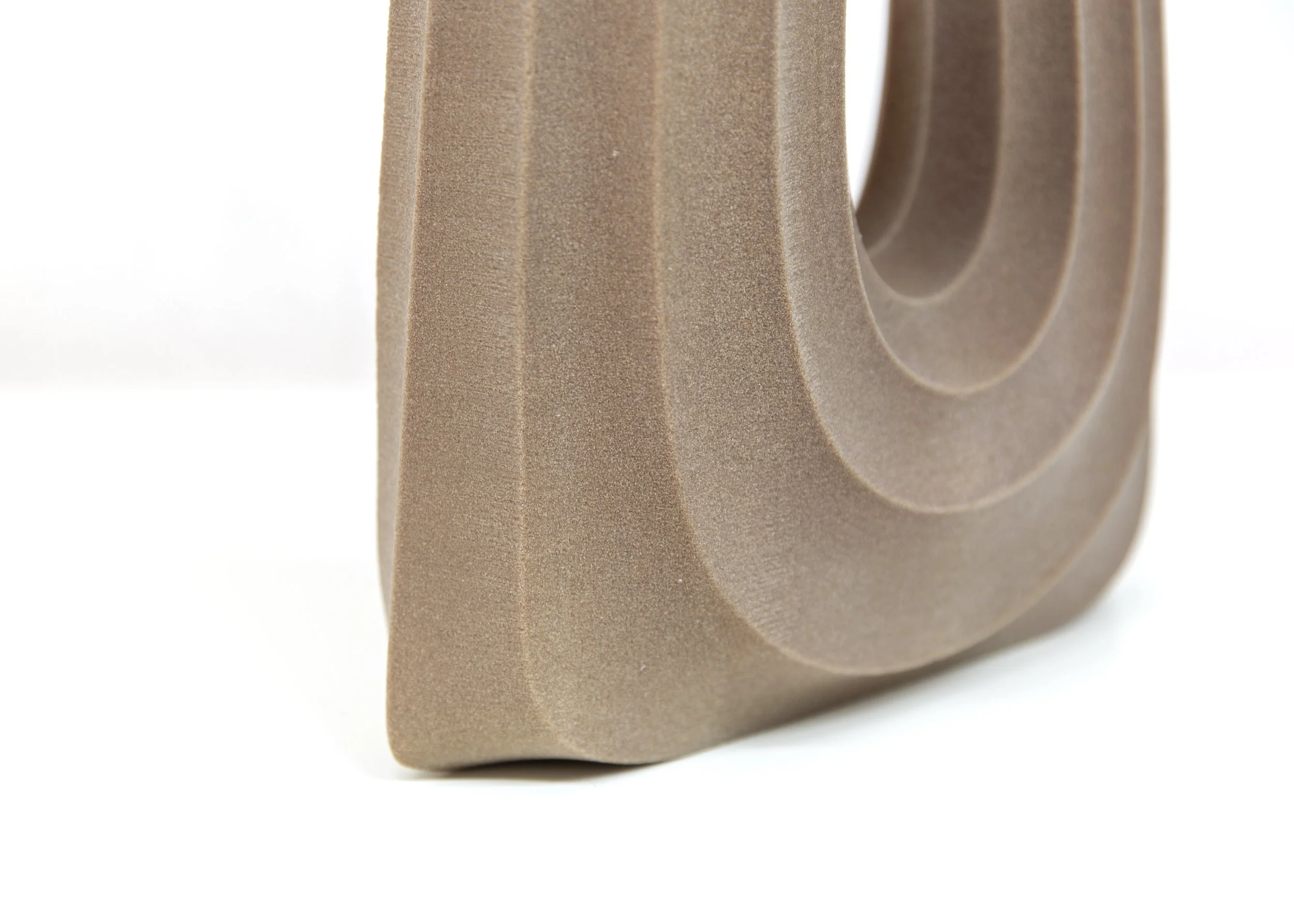
“I am exploring the balance between digitalizing material and materializing code to find a new aesthetic for the post-industrial era.”