DUNCAN CARTER
10 YEARS CLUSTER CRAFTS “MATERIAL MEMORY” 2026 I CODE&CRAFT 2025
ARTWORK FOR PURCHASE AVAILABLE HERE
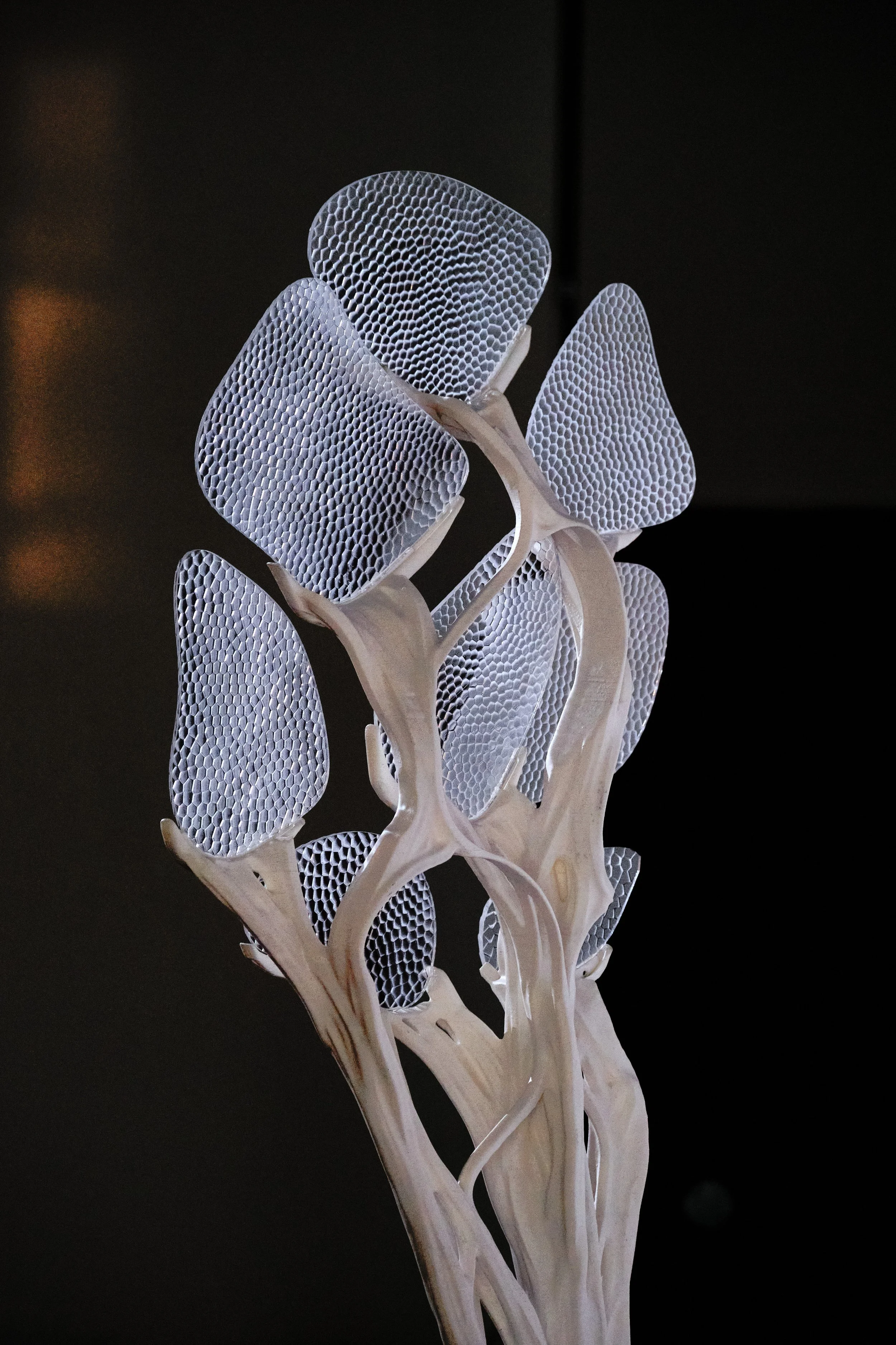

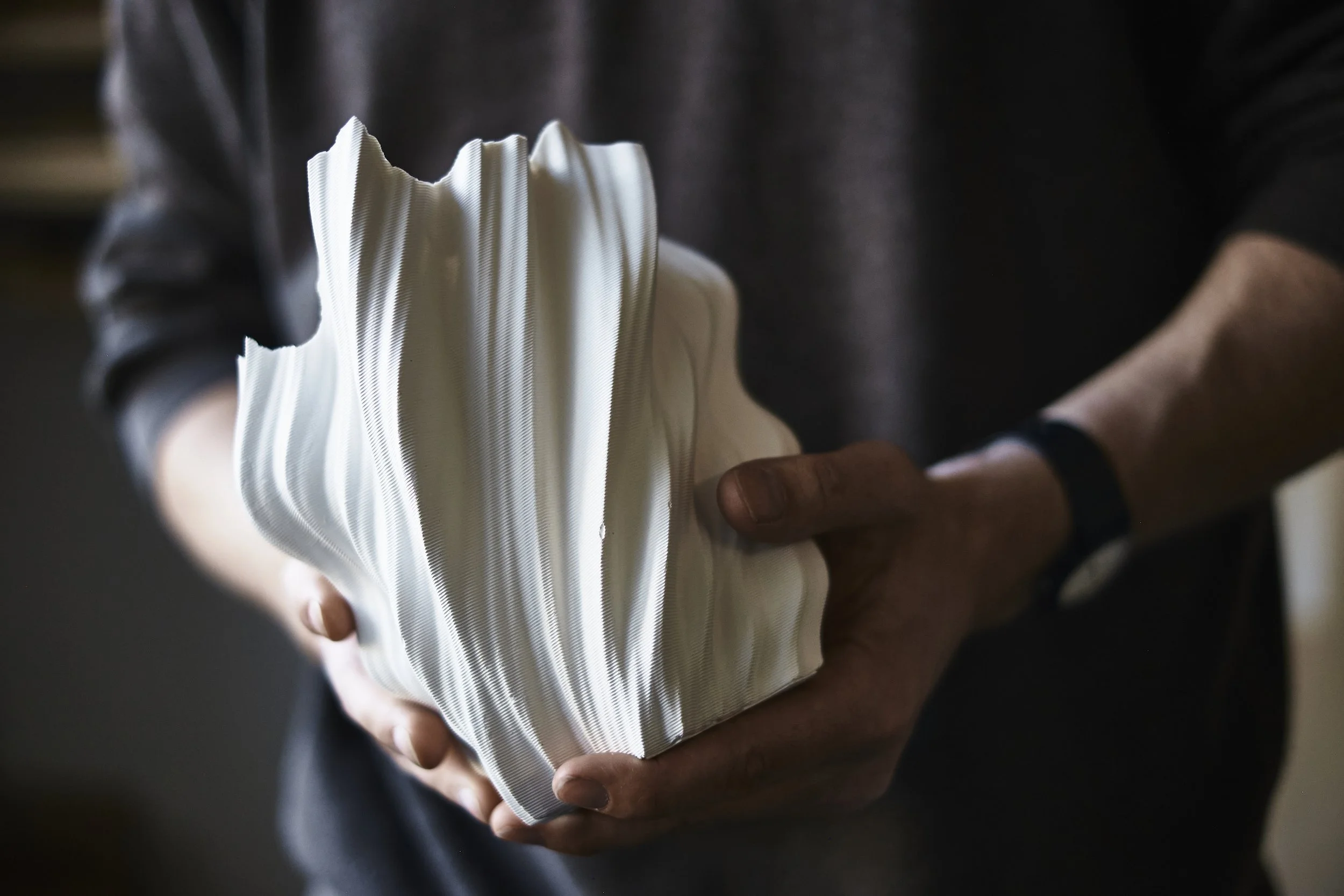
Duncan Carter is an artist and designer whose practice explores the intersection of computational design, contemporary craft, and natural phenomena. Drawing on a background in engineering, computer science, and industrial design, he develops processes for creating sculptural objects and light-based works that embody the mechanics of the physical world. His practice combines coding, digital fabrication, and handcraft techniques to investigate effects such as refraction, erosion, and surface tension as both inspiration and medium.
Carter studied at the University of Birmingham, Imperial College London, and the Royal College of Art. His work has been exhibited internationally at venues including the Victoria and Albert Museum and the Science Museum. Alongside his artistic practice, he undertakes commissions, collaborations, consulting, and fabrication projects through his company, Non-normal.
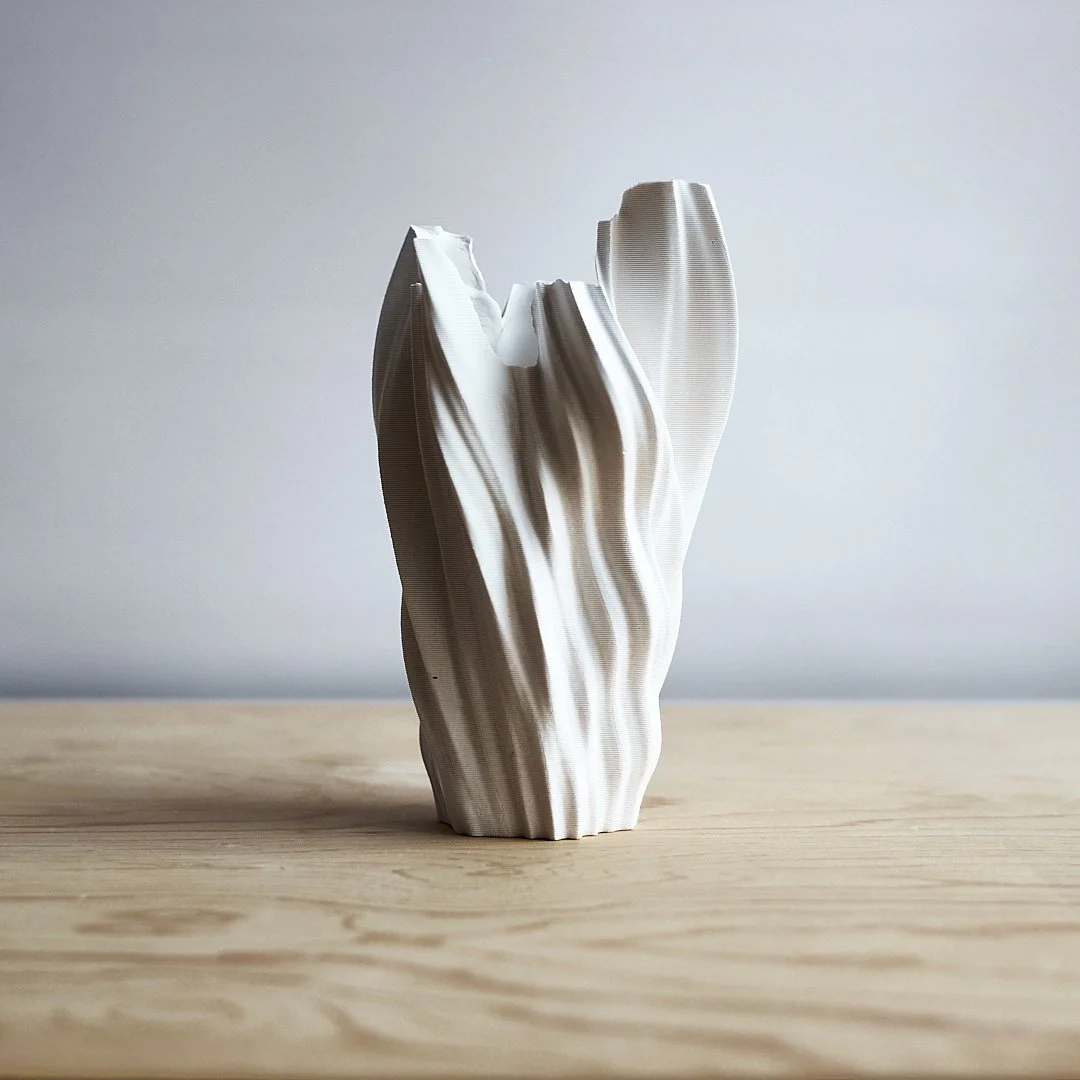
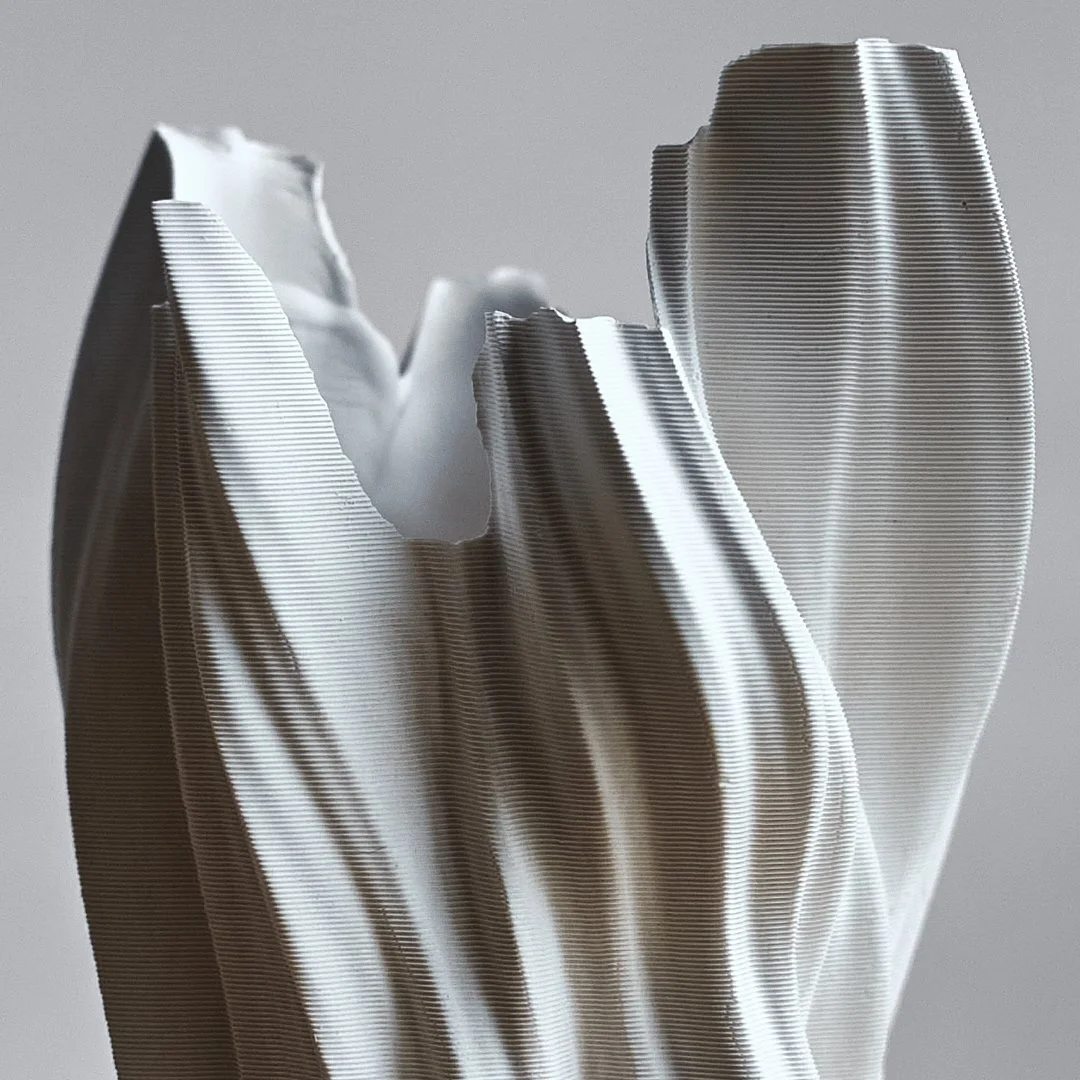
Duncan Carter's practice is rooted in a fascination with the mechanics of the physical world. Through his work, he strives to understand the misalignment of human technological endeavour with the natural world that both inspires and enables it.
Seeking to illuminate our environment's workings more than its image, he envisages his sculptures as specimens extracted from a parallel nature, one with its own laws and logic.
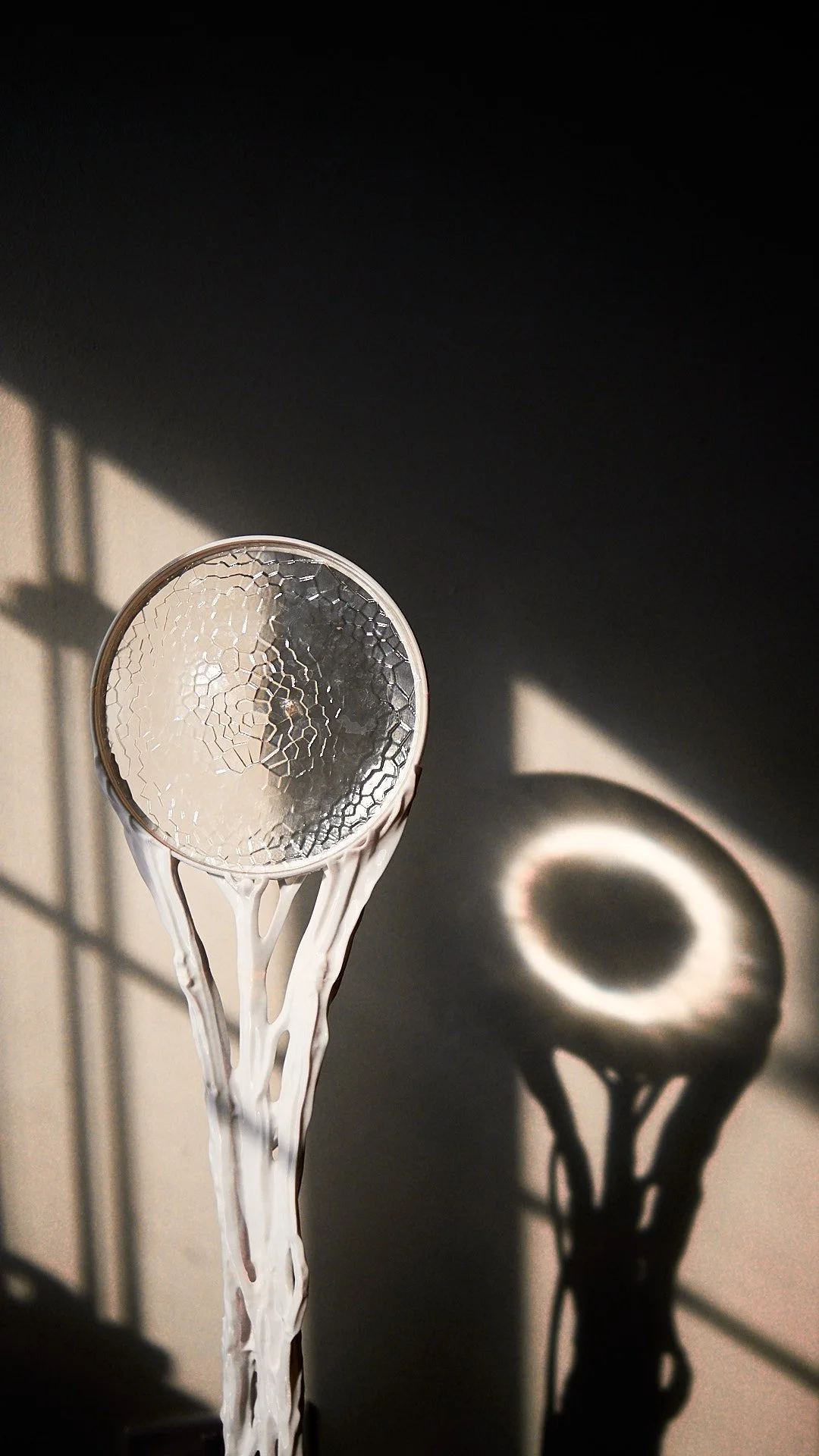
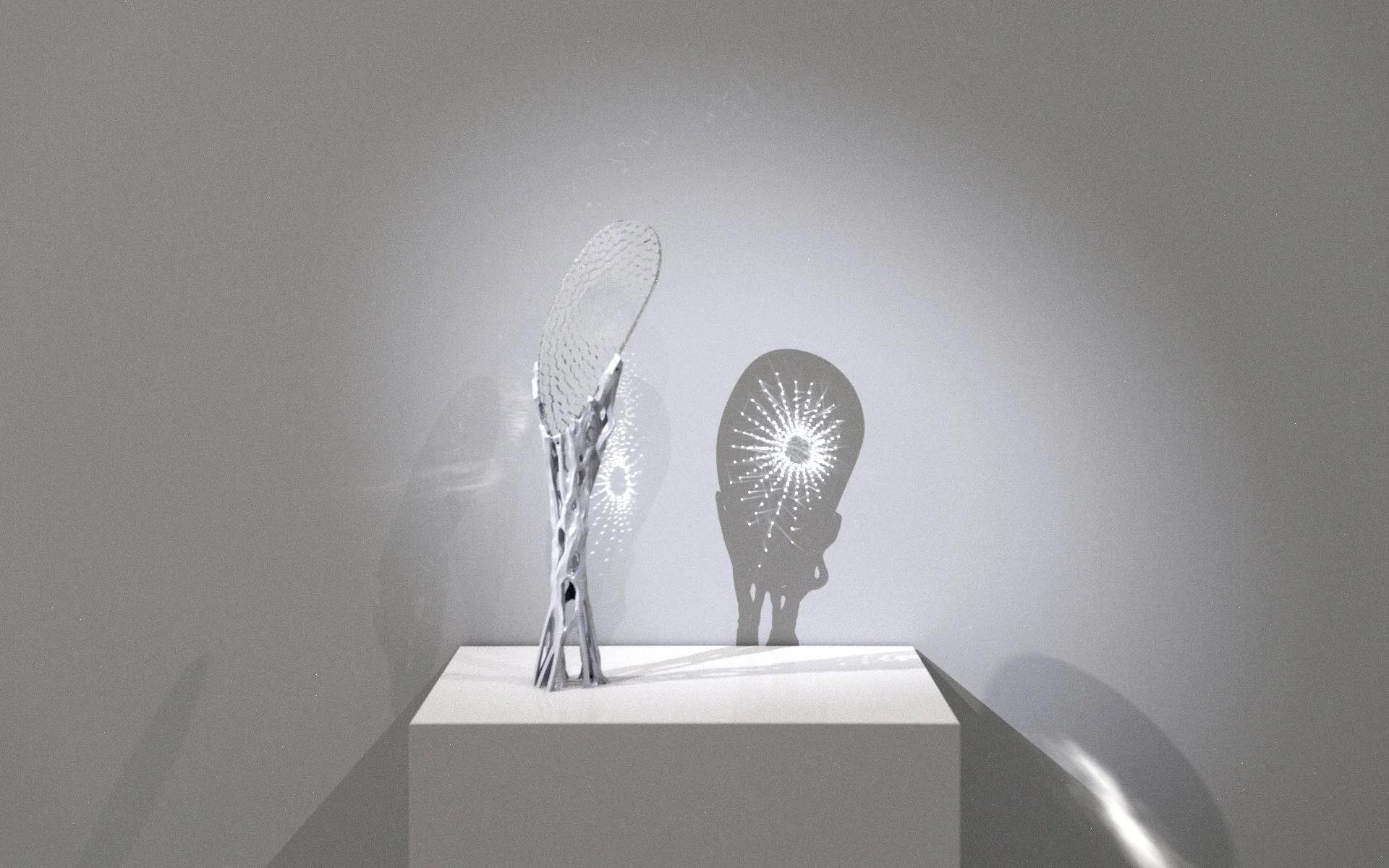
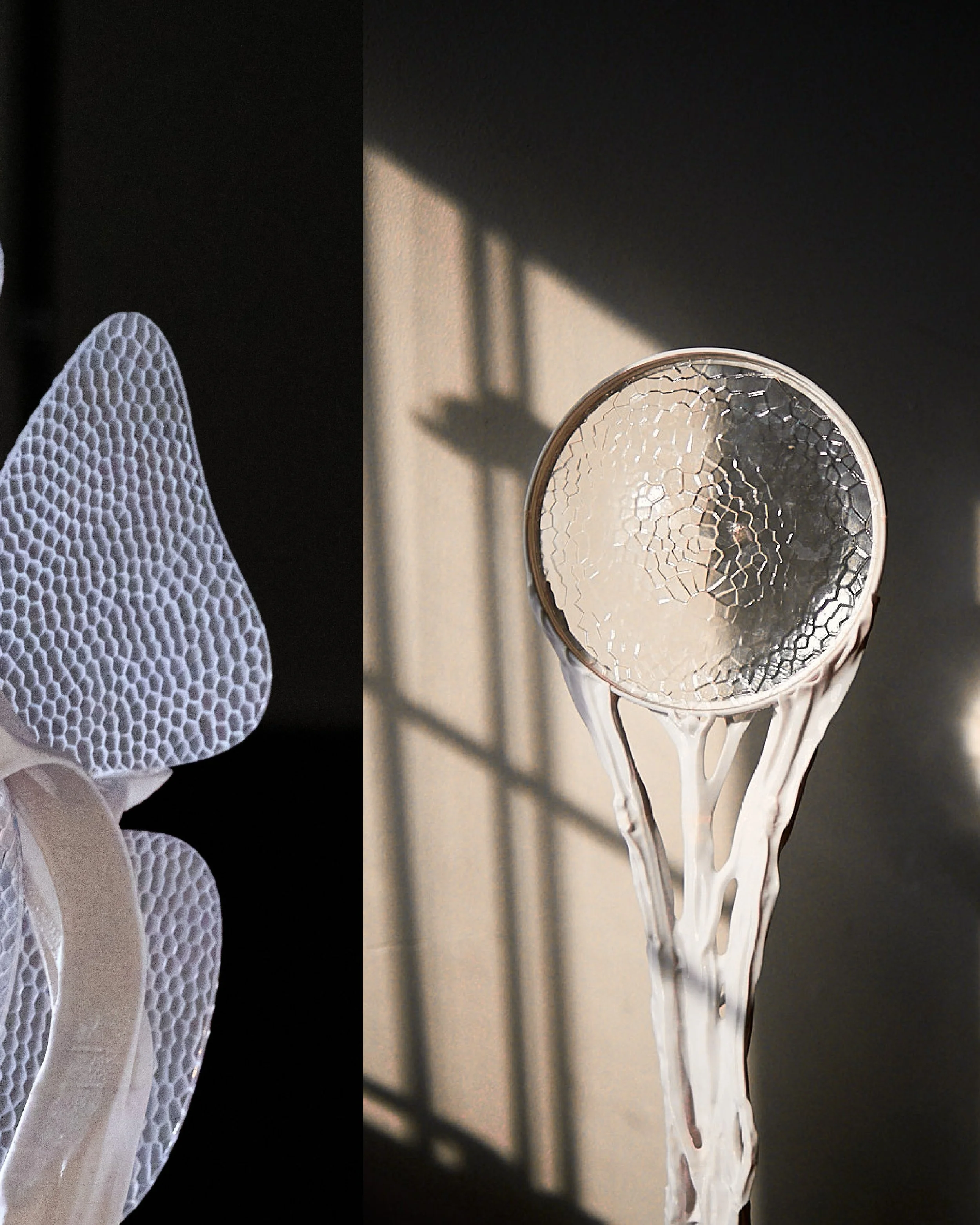
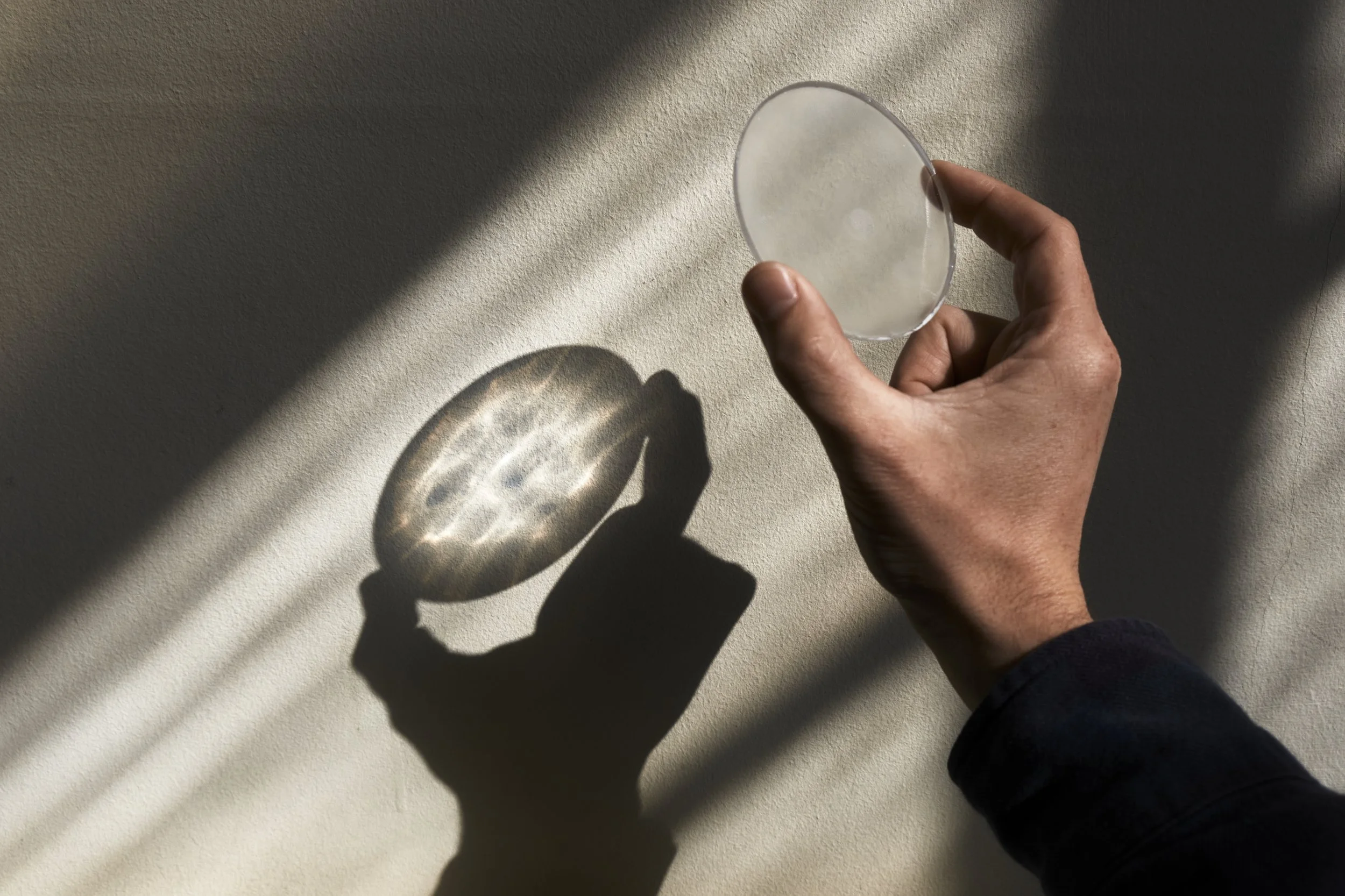
Carter's current works comprise fibrous, organic structures supporting transparent leaves that act as arrays of optical lenses under sunlight. Intricate compositions of hundreds of points of light are projected onto surrounding surfaces, their ordered patterns exposing the complexity of the underlying processes.
By creating forms that seek light as a life-force while shaping rather than absorbing it, he invites us to use another nature to see our own with renewed clarity.
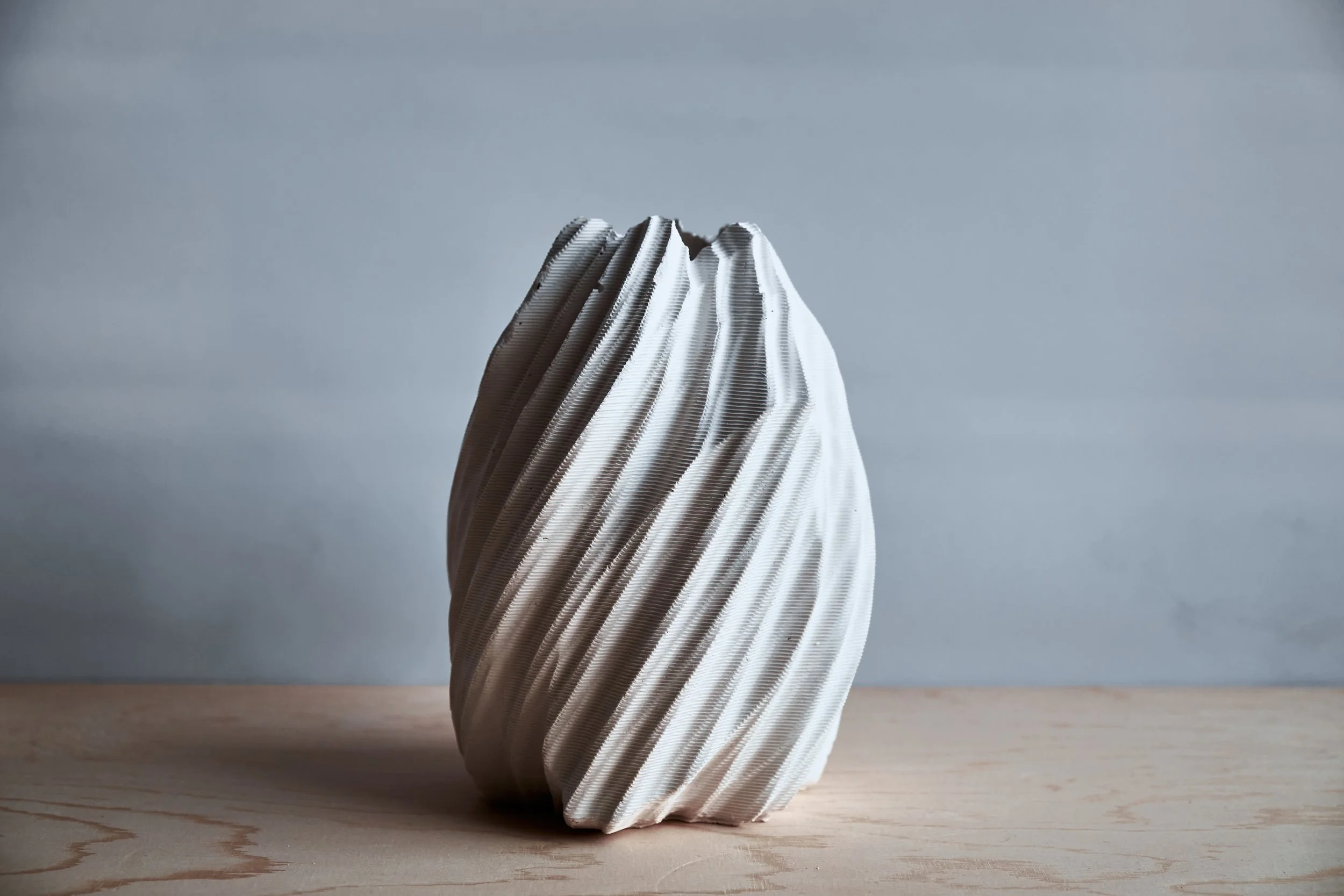
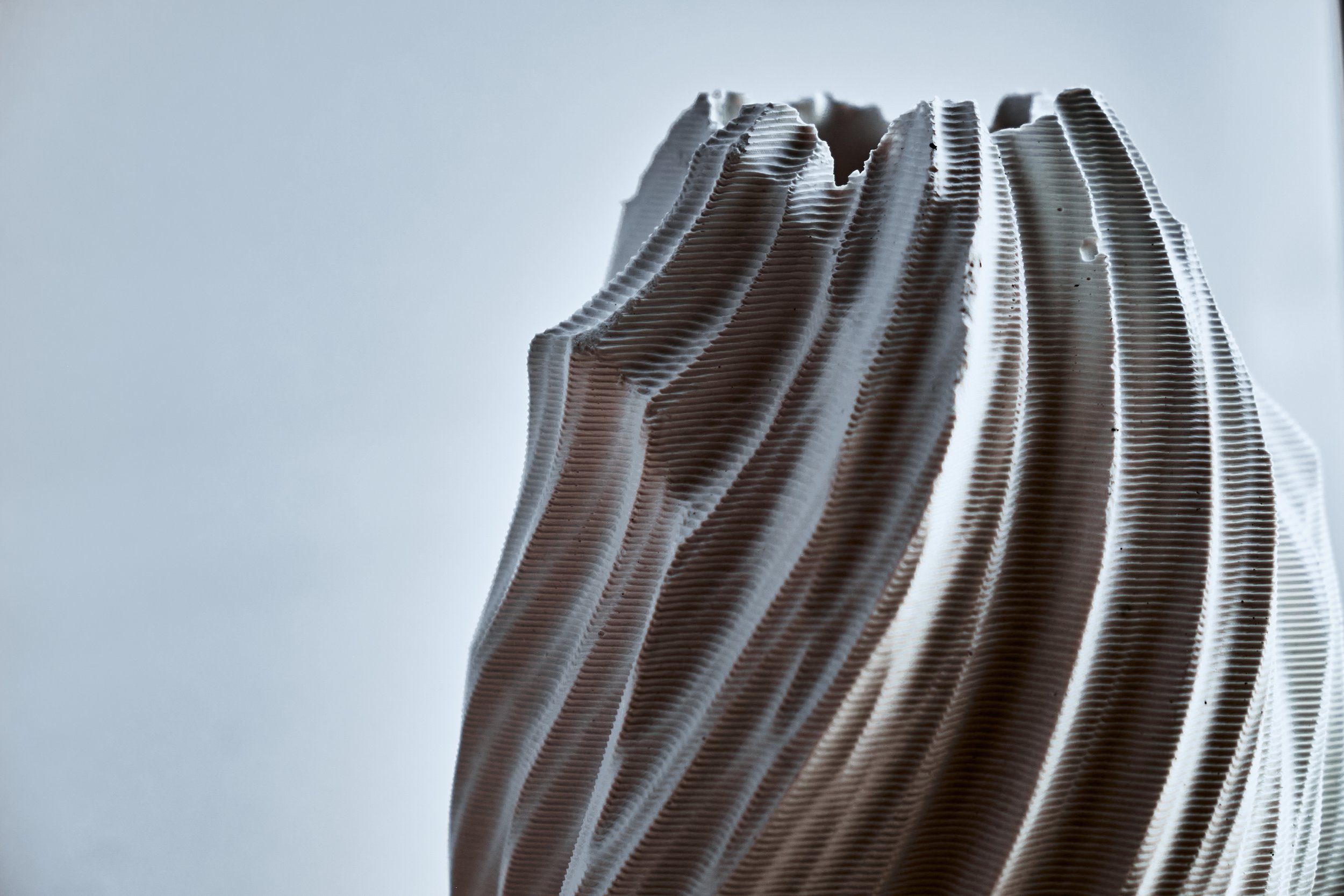
To visit this unfamiliar world, Carter begins digitally, writing custom simulations and tools to explore how an algorithm grows toward the sun, its shape shifting to collect its precious light. He captures a single moment and brings it into reality using computer-controlled machining and 3D printing alongside hand carving, polishing and casting. This process is both a birth and death of the pieces as objects and organisms.