CASA MATERIA
“CODE&CRAFT” - ENCODED BODIES
2025
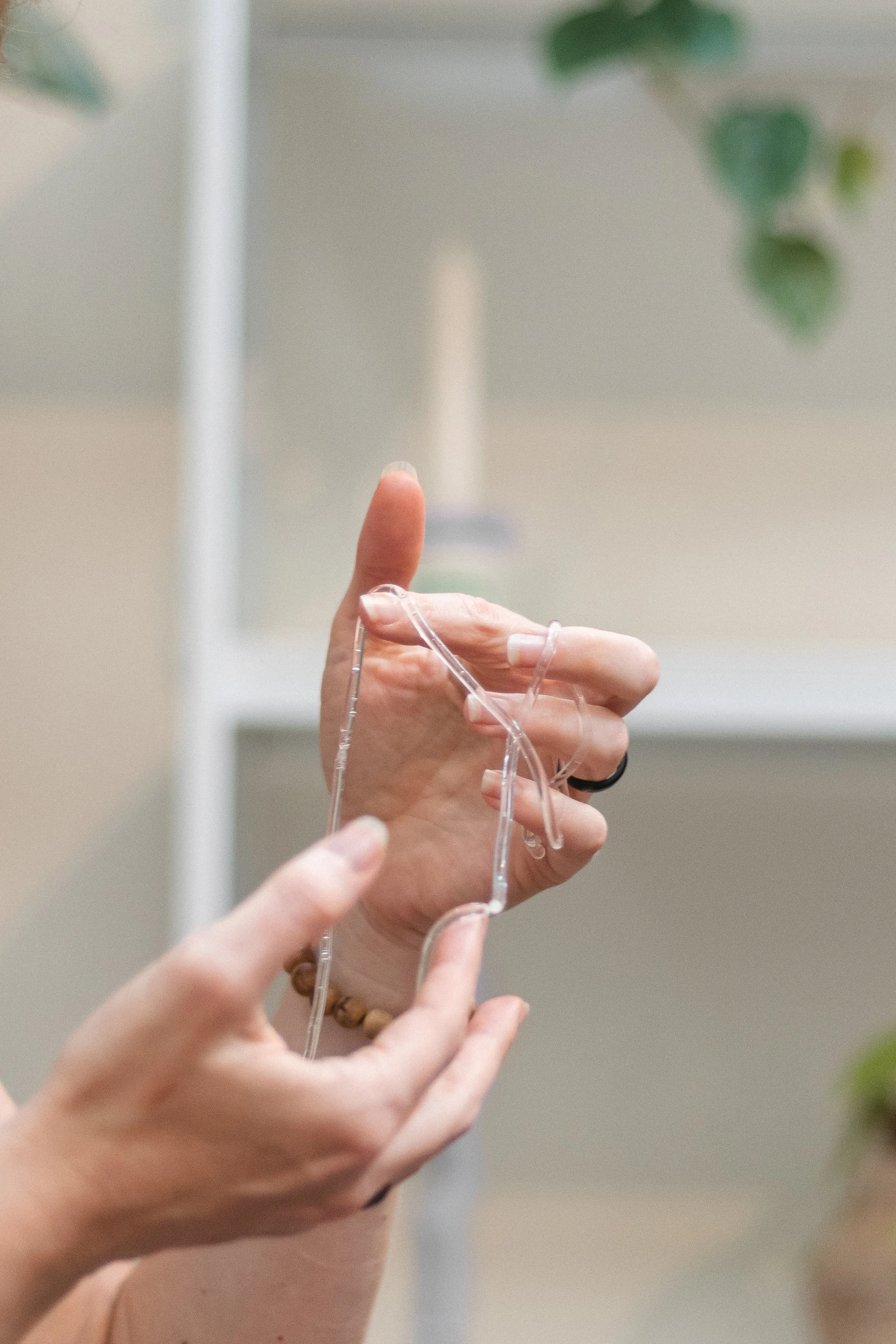
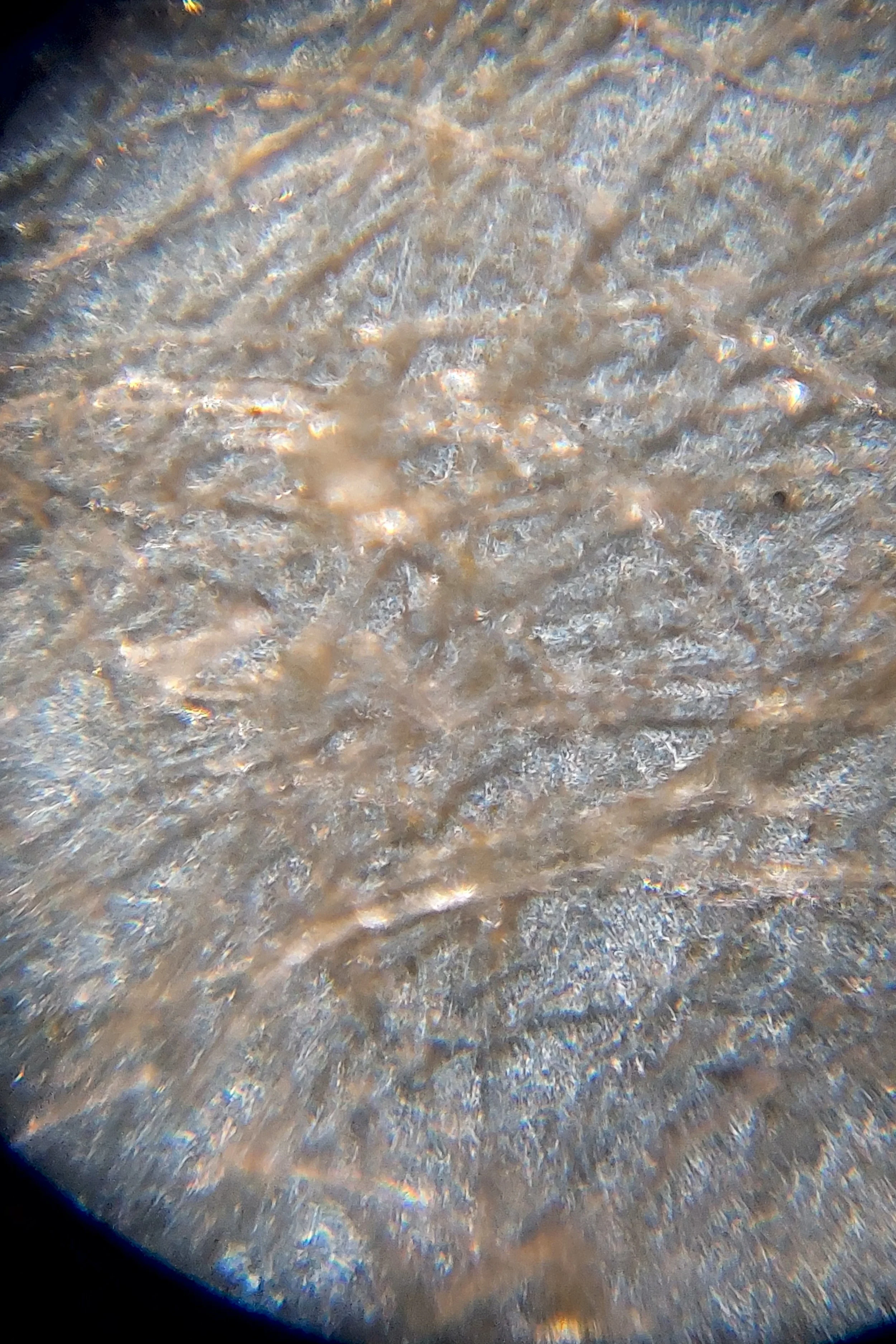
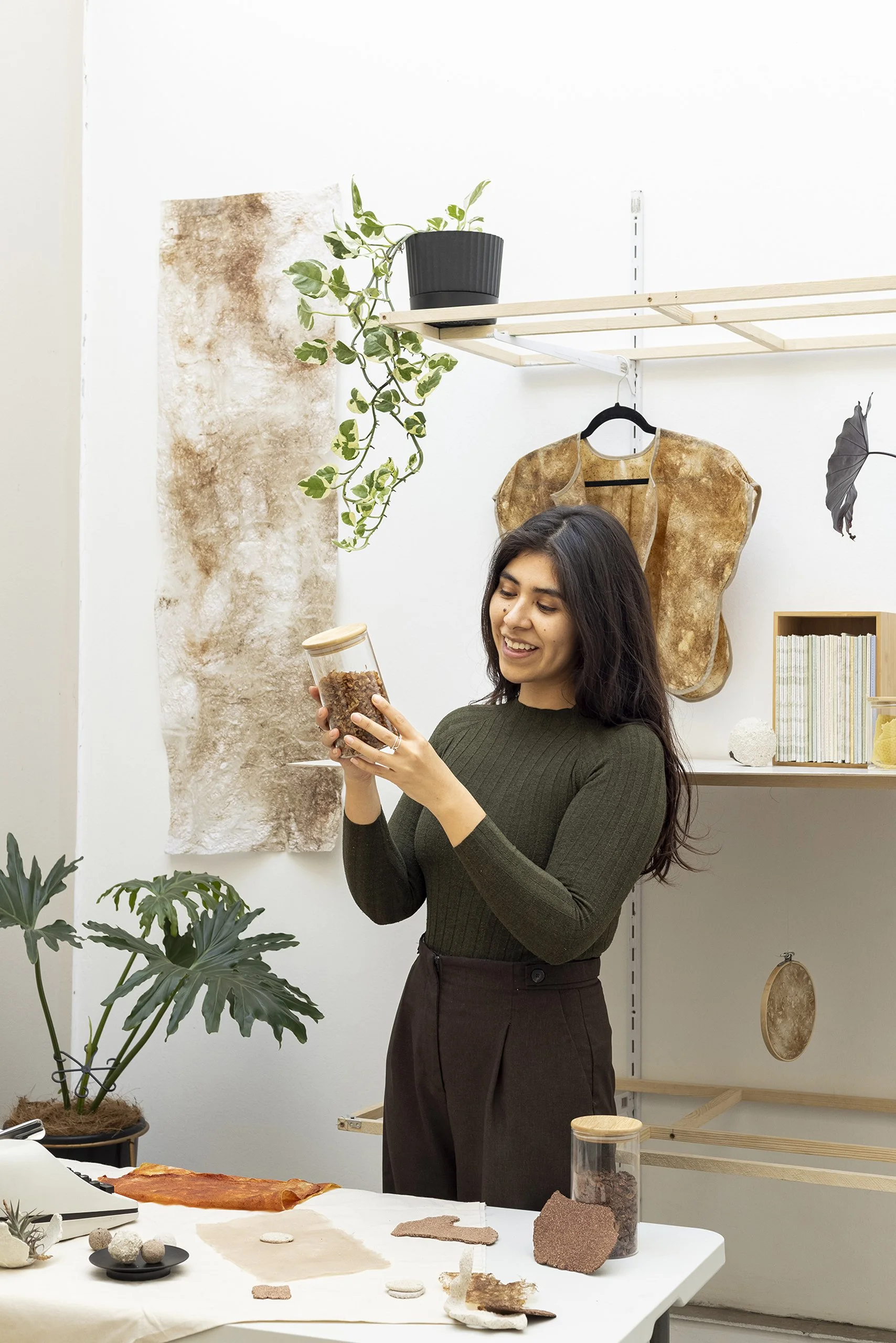
Katherine Puican Vigo (Perú) trained as an architect, but her practice shifted as she began questioning not only the influence of space but also the very matter upon which architecture relies. These inquiries led her to pursue a Master’s in New Materials Design, where she deepened her conviction that matter is never neutral.
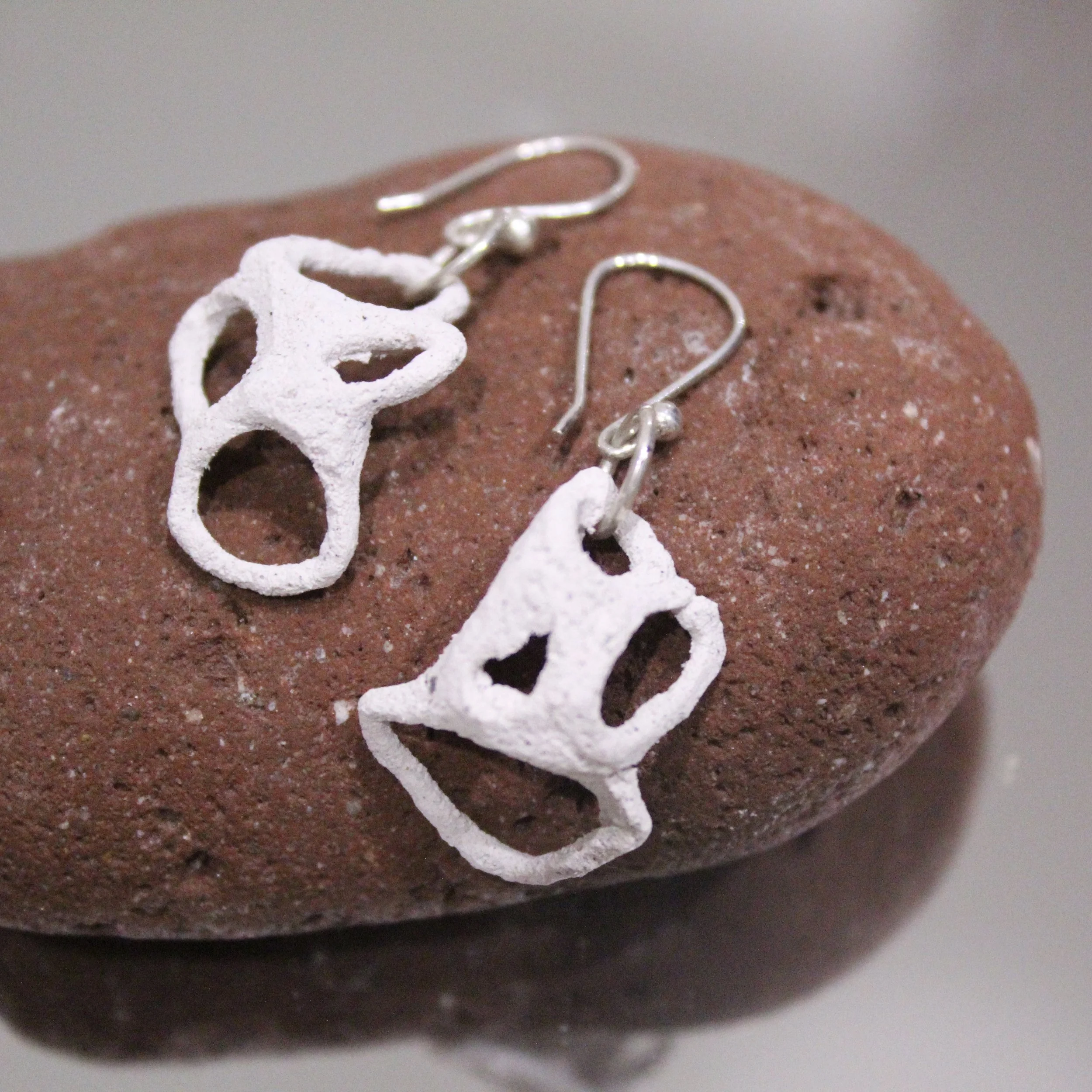
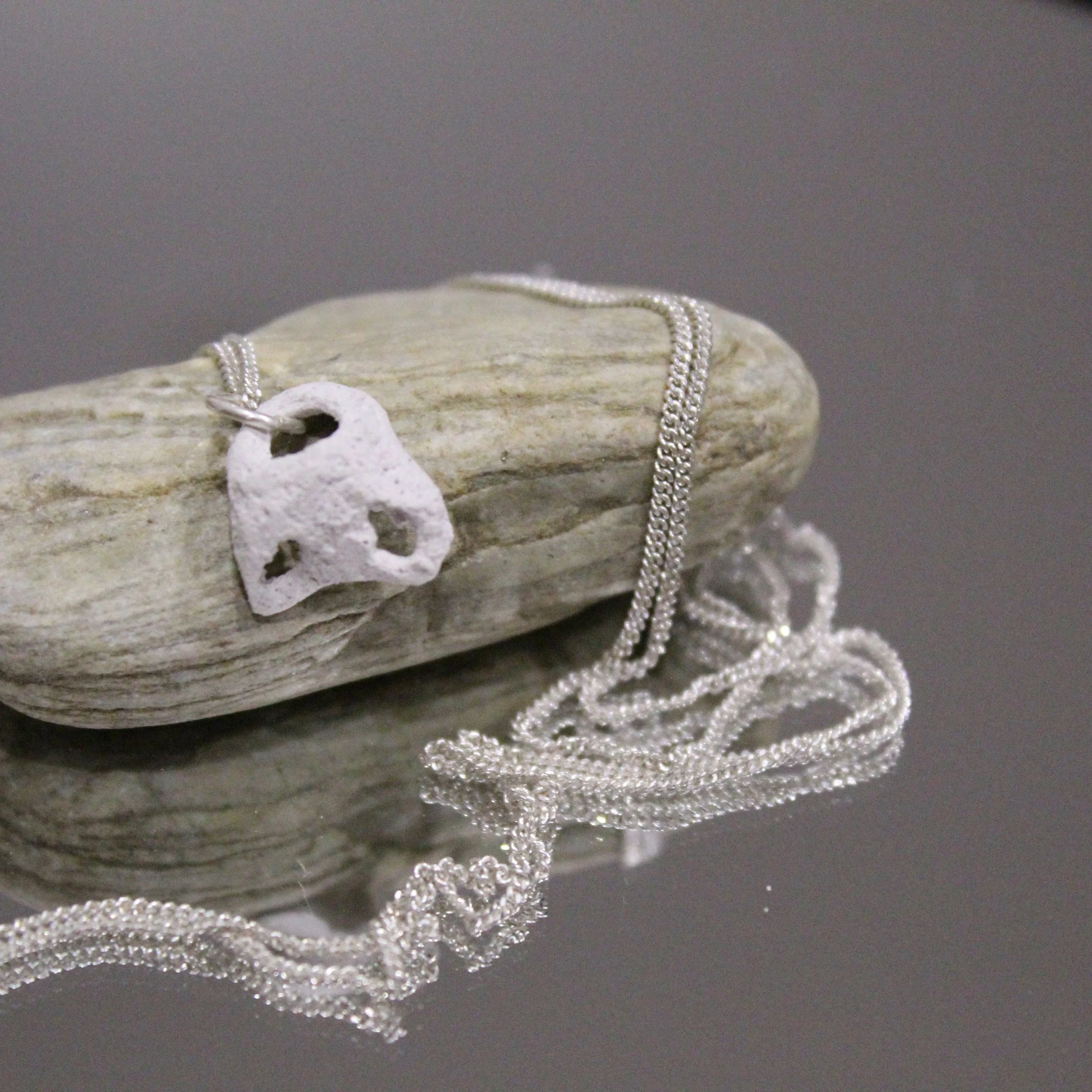
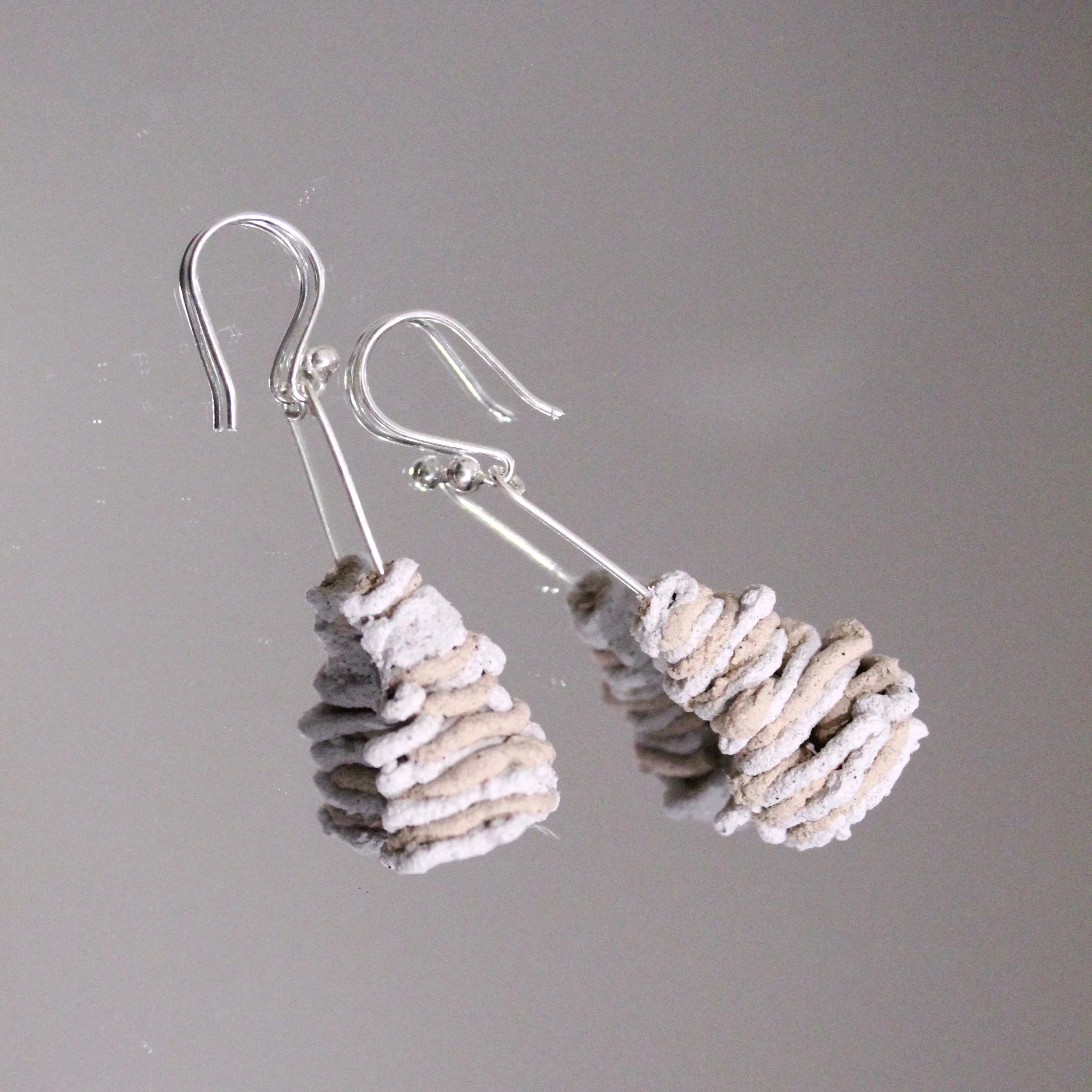
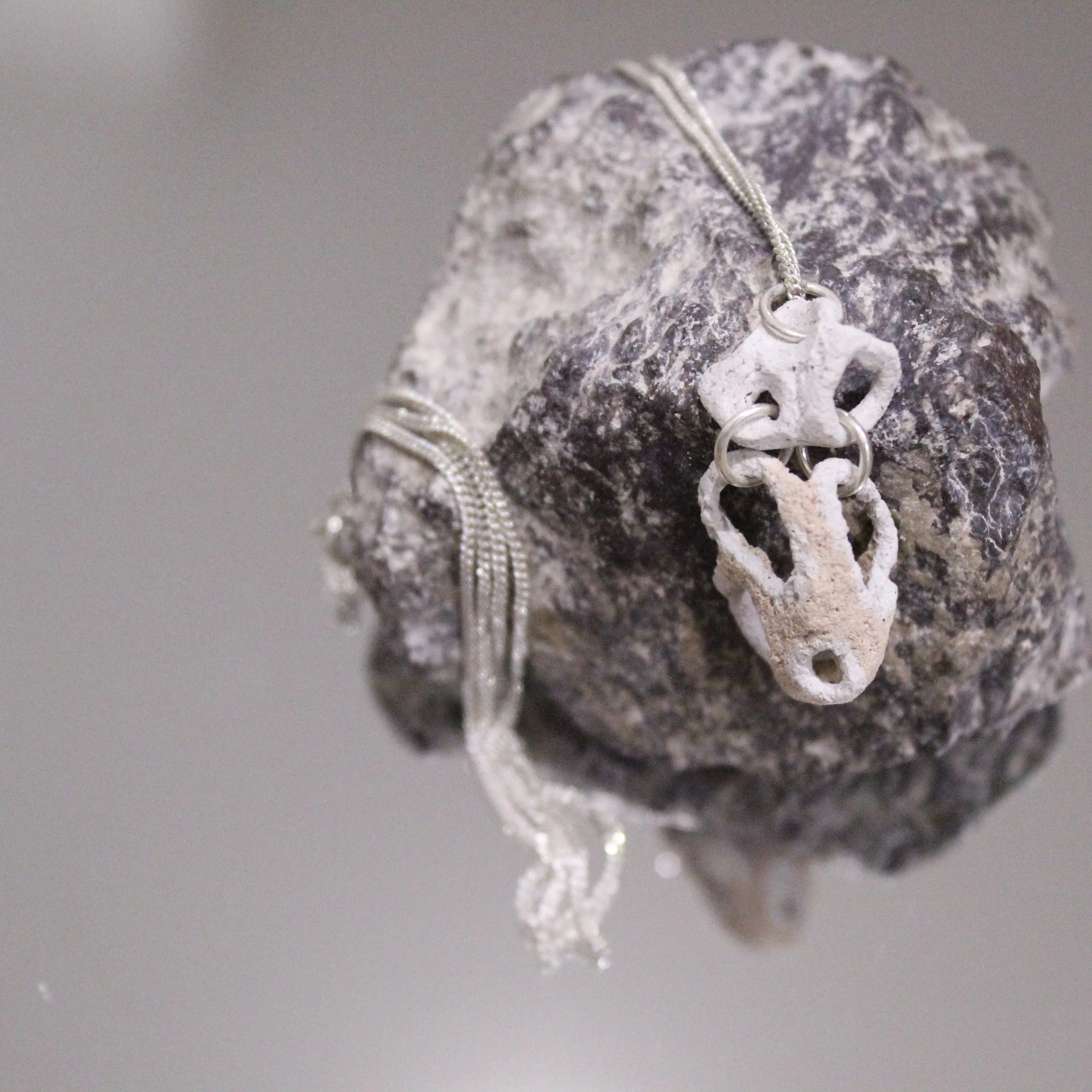
Having lived across diverse ecosystems in Latin America, North America, and Europe—while also inhabiting the city—she became acutely aware of the contrast between natural cycles and the extractive logic of urban life. This awareness grounds her material research, working with biomaterials made from local residues such as cacao husks, industrial cotton waste, coffee husks, and native tree fibers. By following matter through its stages: observing how it changes, resists, or dissolves.
Her work emerges at the intersection of material research, craft, and sensorial experience. Rooted in the cultural philosophy of her Peruvian heritage, she embraces slowness, ritual, and respect for natural rhythms. Exhibited across Latin America and Europe, her practice ultimately asks us to reconsider our place within the ecosystem of matter itself.
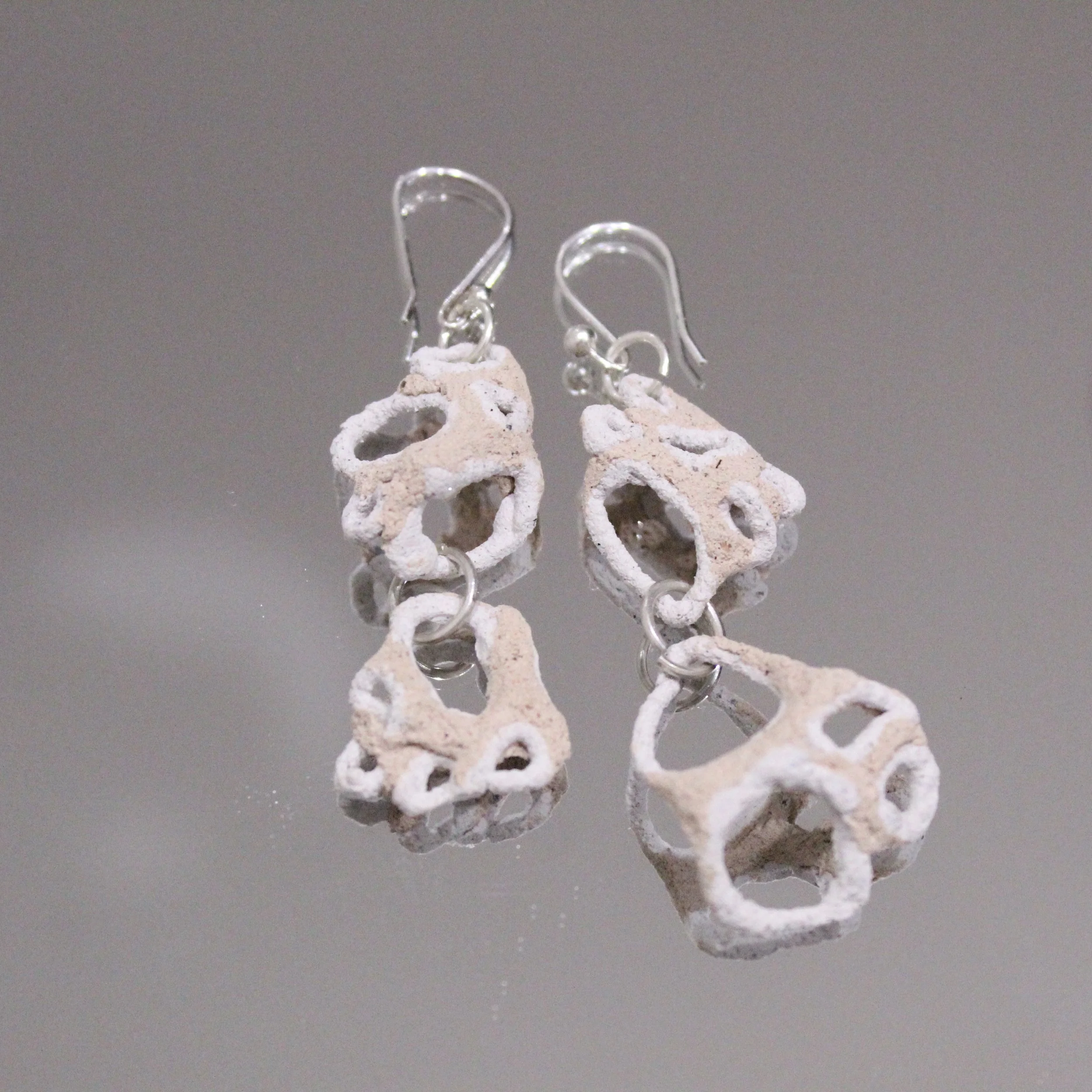
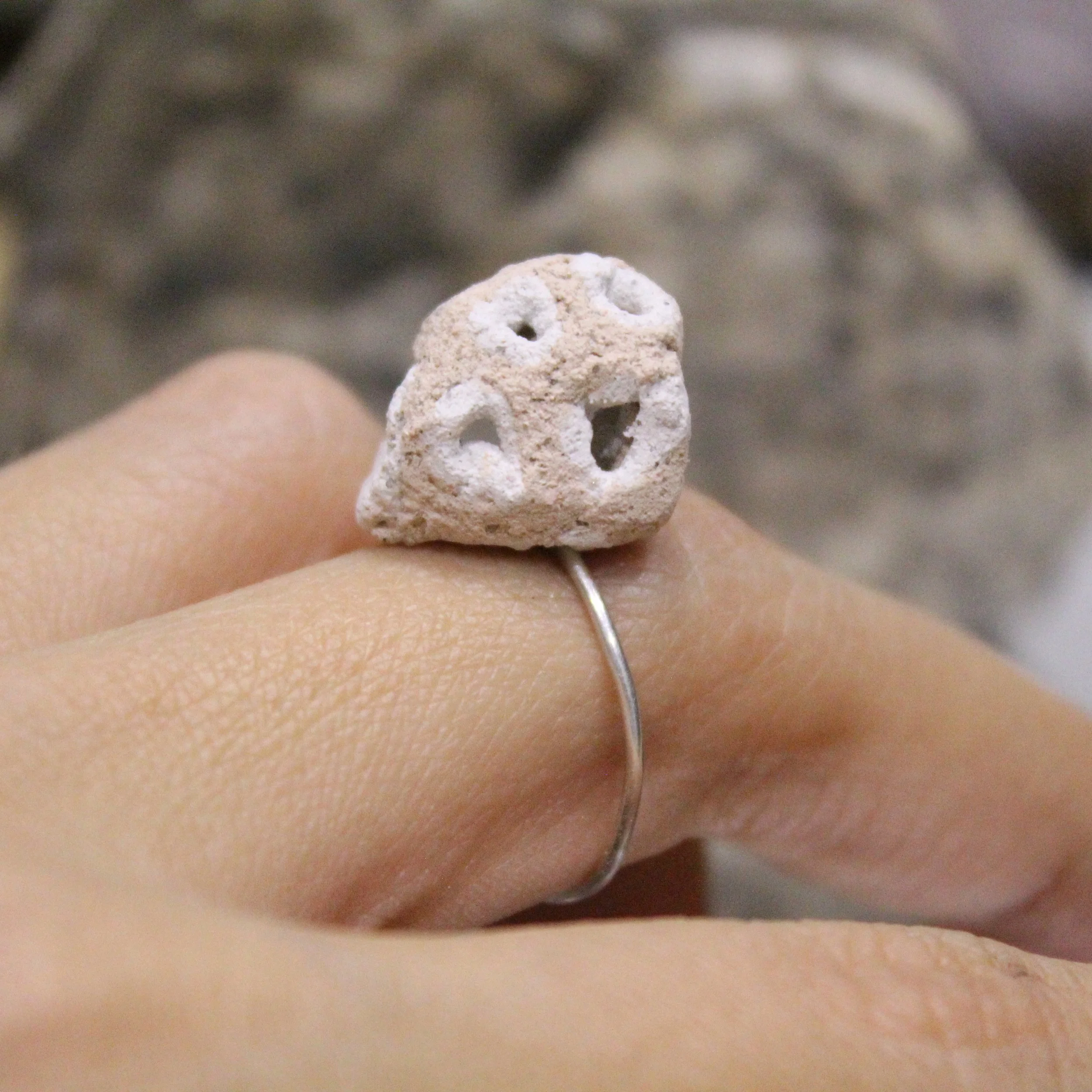
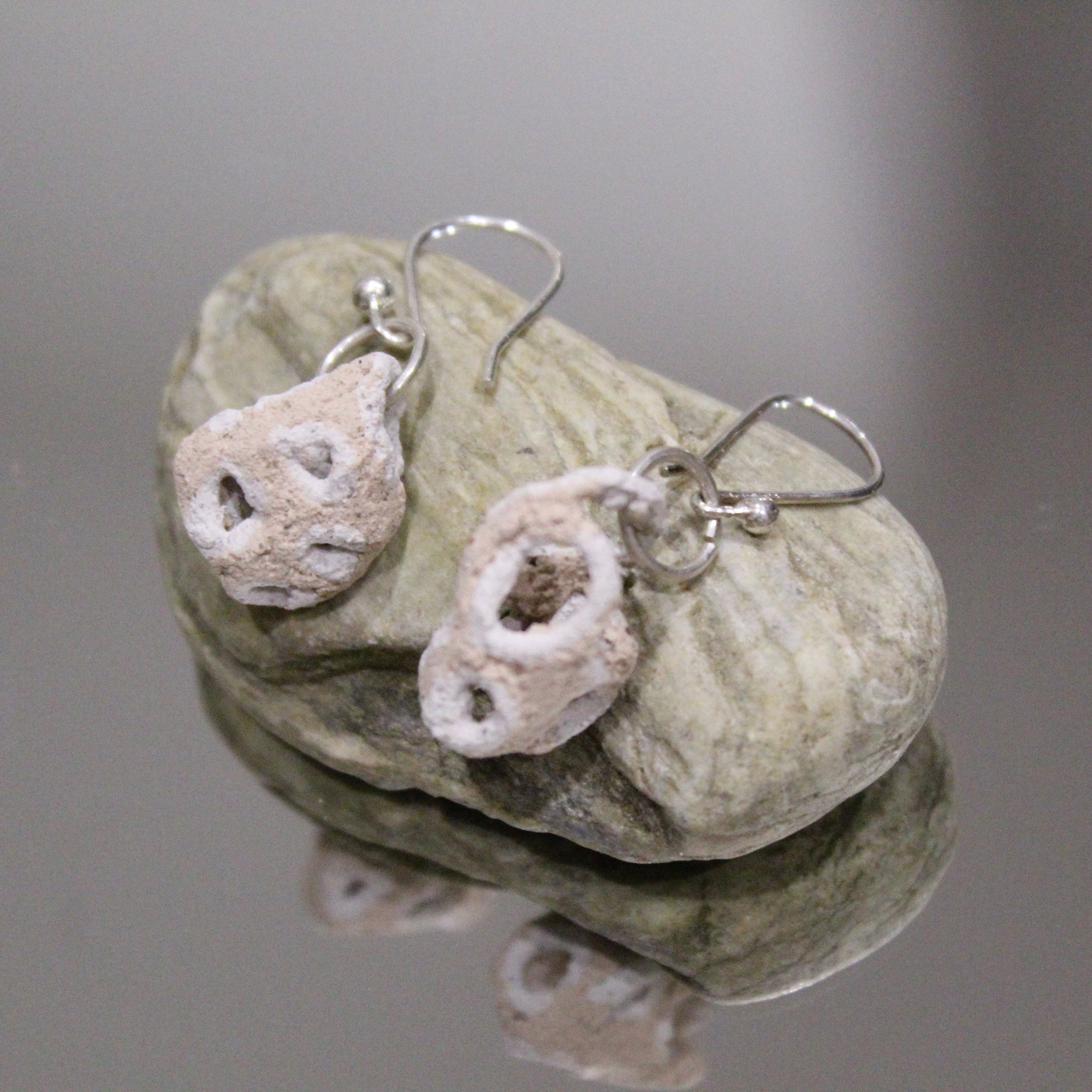
Matter is never mute. Each residue—cacao husk, sillar dust, cotton fiber, coffee husk, or tree fiber—holds a code: origins, histories, and transformations inscribed in its very texture. Working with biomaterials means decoding these patterns and learning to collaborate with them, rather than imposing on them.
My practice is grounded in slowness and sensorial experience. Touch, smell, and the rhythms of making become ways of unlearning extractive habits and reprogramming our relationship with material life. In this sense, craft becomes a form of coding—an embodied language that bridges ancestral wisdom with contemporary urgencies.
Ultimately, my work does not offer definitive answers but invites questions about how we might read, translate, and inhabit the living codes of matter.
“To design with biomatter is to practice humility—following its cycles to rediscover our place within them”